
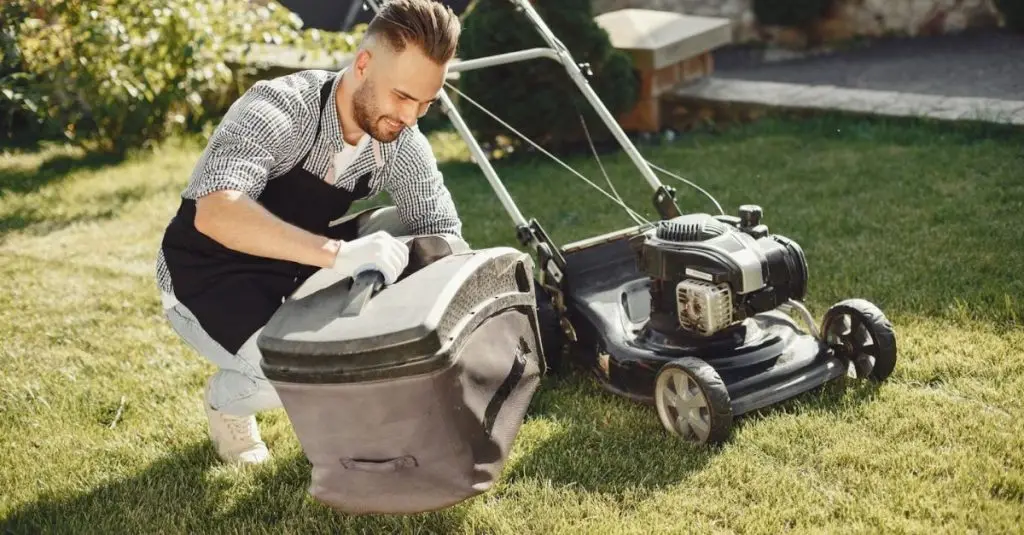
Are you tired of those pesky pine needles cluttering your beautiful lawn? You’re not alone.
Many homeowners find themselves battling this natural debris, which can make your outdoor space look messy and unkempt. But what if there was a simple, efficient way to keep your yard pristine without breaking your back? Enter the lawn sweeper, your new best friend in maintaining a tidy, inviting yard.
In this guide, we’ll reveal the secrets of how to pick up pine needles with a lawn sweeper, a tool that can transform your lawn care routine. Get ready to discover how you can save time, reduce effort, and enjoy the satisfaction of a well-groomed lawn. Stay with us, and you’ll learn how to turn this daunting task into a breeze, leaving your lawn looking flawless and inviting.

Credit: www.angi.com
Choosing The Right Lawn Sweeper
Picking up pine needles can be a challenge. A lawn sweeper helps gather them quickly. Choosing the right one saves time and effort.
Look at different types, important features, and your budget. These points guide you to the best choice for your yard.
Types Of Lawn Sweepers
Lawn sweepers come in various styles. You can find push, tow-behind, and electric models. Each type works well in different situations.
- Push Lawn Sweepers:Best for small yards. You push it like a lawn mower.
- Tow-Behind Lawn Sweepers:Attach to a tractor or mower. Good for large areas.
- Electric Lawn Sweepers:Light and easy to use. Ideal for medium-sized lawns.
Factors To Consider
Think about your yard size and type of debris. Check the hopper size and brush design. Also, consider how easy it is to use and store.
| Factor | What to Look For |
| Yard Size | Small yards work well with push sweepers |
| Debris Type | Sharp pine needles need strong brushes |
| Hopper Capacity | Larger hoppers mean fewer trips to empty |
| Ease of Use | Lightweight and adjustable height helps |
| Storage | Foldable or compact models save space |
Budget And Quality
Set a budget before shopping. Look for a lawn sweeper made with strong parts. Quality tools last longer and work better.
- Compare prices and features
- Read reviews for reliability
- Choose a brand with good customer support
- Consider warranties for protection
Preparing Your Lawn
Picking up pine needles with a lawn sweeper works best if your lawn is ready. Proper preparation saves time and effort.
Start by making sure your lawn is clean and trimmed before using the sweeper. This helps the machine work efficiently.
Clearing Large Debris
Remove sticks, branches, and big leaves from the lawn. Large debris can block the sweeper brushes and damage the machine.
- Walk through the lawn and pick up visible debris
- Use gloves to protect your hands
- Dispose of debris properly or compost it
Timing For Sweeping
Choose the right time to sweep pine needles. Sweeping when the grass is dry works best.
| Condition | Best Time to Sweep |
| Dry Grass and Needles | Morning or Afternoon |
| Wet Grass or Needles | Avoid Sweeping |
| After Heavy Rain | Wait 24 Hours |
Mowing Before Sweeping
Mow your lawn before using the sweeper. Cut the grass short to let the sweeper reach the pine needles easily.
- Set mower to a low cutting height
- Remove grass clippings before sweeping
- Check mower blades are sharp for a clean cut
Setting Up The Lawn Sweeper
Setting up a lawn sweeper helps you pick up pine needles easily. It saves time and keeps your yard clean. Follow these steps to prepare your lawn sweeper for the job.
Check each part carefully before using the sweeper. Proper setup improves performance and prevents damage to your equipment.
Adjusting The Brushes
The brushes sweep pine needles into the hopper. Adjust their height for the best results. Set them too low and you may damage your grass. Set them too high and needles will be missed.
- Lower brushes close to the ground but not touching it.
- Check brush wear and replace if bristles are worn.
- Spin the brushes by hand to ensure smooth movement.
- Adjust brush angle if your model allows it.
Checking The Hopper
The hopper collects pine needles as you sweep. Make sure it is properly attached and empty before use. An overloaded hopper can reduce efficiency and strain the sweeper.
| Check Point | Action |
| Attachment | Secure hopper firmly to the frame |
| Capacity | Empty hopper before starting |
| Condition | Inspect for cracks or damage |
| Drainage | Ensure holes are clear to prevent clogging |
Towing And Power Options
Choose the right method to move your lawn sweeper. Some models attach to lawn tractors, others use push power. Check your sweeper’s towing options before starting.
- For tractor models, connect the hitch securely.
- Adjust the tow bar length for smooth turns.
- For push models, check handle grips for comfort.
- Use a spotter if towing near obstacles or slopes.
Sweeping Pine Needles Efficiently
Using a lawn sweeper is a smart way to clear pine needles from your yard. It saves time and effort compared to raking by hand.
To get the best results, you need to use the right speed and techniques. This will help you pick up pine needles without missing spots.
Recommended Sweeping Speed
Move the lawn sweeper at a steady, moderate pace. Going too fast can leave pine needles behind.
Slow down if you see needles are not being collected well. A speed of about 2 to 3 miles per hour works for most lawn sweepers.
- Push or pull the sweeper evenly
- Keep speed steady for best pickup
- Adjust speed based on needle density
Overlap Technique
Overlap your passes by a few inches. This helps catch needles that may be missed at the edges of the sweeper.
Overlap reduces the chance of leaving pine needles on the lawn. It also makes sure you cover the whole area evenly.
- Overlap each pass by about 4 to 6 inches
- Work in straight lines for better coverage
- Check for missed needles and sweep again if needed
Handling Thick Pine Needle Layers
When pine needles form a thick layer, sweep the area multiple times. The first pass loosens the needles.
After the first sweep, empty the catcher and go over the lawn again. This helps pick up needles that were stuck down.
- Make at least two passes over thick layers
- Empty catcher frequently to keep efficiency
- Use slower speed for heavy needle buildup
Emptying And Maintaining The Sweeper
Using a lawn sweeper to pick up pine needles makes yard cleanup easier. To keep it working well, regular emptying and maintenance are important.
Proper care helps the sweeper last longer and work better each time you use it.
Proper Hopper Emptying
Empty the hopper often to avoid overfilling. A full hopper can reduce the sweeper’s efficiency and make it harder to push.
Stop every few passes to lift and empty the hopper into a compost bin or trash bag.
- Turn off the sweeper before emptying
- Lift the hopper carefully to avoid spills
- Dispose of pine needles properly
- Check for stuck debris inside the hopper
Cleaning The Brushes
Brushes pick up pine needles but can get clogged with debris. Clean them after each use to keep the sweeper effective.
Remove leaves, twigs, and stuck needles by hand or with a soft brush.
- Turn the sweeper upside down for easy access
- Use a small brush to clear tight spots
- Check for worn or bent bristles
- Replace brushes if they are damaged
Routine Maintenance Tips
Keep your lawn sweeper in good shape with regular checks and simple fixes. This prevents bigger problems later.
Look over all parts for damage or wear before and after use.
- Lubricate moving parts to reduce friction
- Tighten loose nuts and bolts
- Store the sweeper in a dry place
- Check tires and inflate if needed
- Clean the hopper and brushes after every use
Safety Tips While Using Lawn Sweeper
Using a lawn sweeper can make pine needle cleanup easier and faster. It is important to follow safety tips to avoid injuries and damage.
Always prepare yourself and your equipment before starting. Proper care helps keep the task safe and efficient.
Protective Gear
Wear the right protective gear to protect your body from debris and dust. This gear helps prevent cuts, scrapes, and breathing problems.
- Gloves to protect your hands
- Safety goggles to shield your eyes
- A dust mask to avoid inhaling pine dust
- Closed-toe shoes for foot safety
Safe Operation Practices
Follow safe operation steps to keep control and avoid accidents. Check your lawn sweeper before use.
- Inspect the sweeper for loose parts or damage.
- Clear the area of large sticks and stones.
- Adjust the sweeper height to match the ground level.
- Push or tow the sweeper at a steady, slow pace.
- Stay alert to avoid hitting people or pets.
Storage Guidelines
Store your lawn sweeper properly to keep it in good condition and safe for future use.
| Storage Tip | Reason |
| Clean the sweeper after use | Prevents rust and blockages |
| Keep in a dry, covered place | Protects from weather damage |
| Secure away from children | Prevents accidental injury |
| Remove or disconnect from tractor | Ensures safe handling and storage |
Troubleshooting Common Issues
Using a lawn sweeper to pick up pine needles can save time. Sometimes, the sweeper may not work as expected. Knowing how to fix common problems helps keep your lawn clean.
Below are common issues you might face and ways to solve them. This guide will help you get the best results from your lawn sweeper.
Brushs Not Picking Up Needles
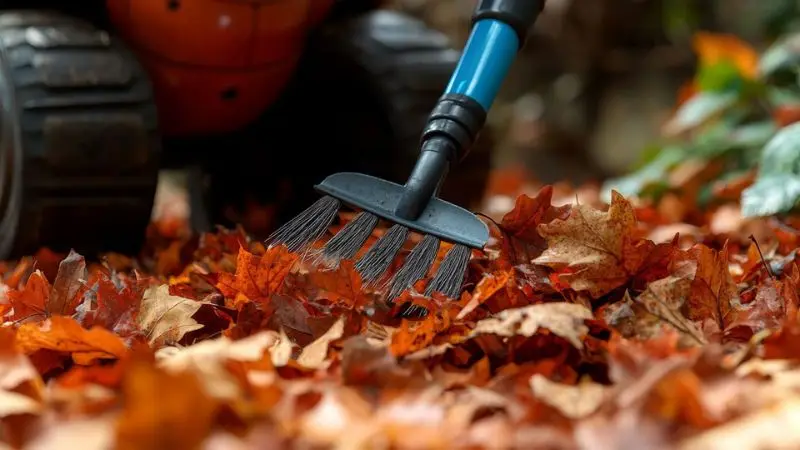
If the brushes fail to pick up needles, they may be worn out or set too high. Check the brush height and adjust it closer to the ground.
Dirty or clogged brushes also reduce performance. Clean the brushes and remove any debris stuck in them.
- Inspect brushes for wear and damage
- Lower brushes to touch the ground lightly
- Clean brushes before use
- Replace brushes if they are very worn
Hopper Overfilling
The hopper can fill up quickly with pine needles. Overfilling stops the sweeper from working well. Empty the hopper often during use.
Check the hopper size before starting. Use smaller passes if your hopper is small to avoid overloading it.
- Empty hopper before it is completely full
- Use slower sweeper speed for better filling
- Make smaller passes to reduce hopper load
- Check hopper for damage or blockages
Uneven Sweeping Patterns
Uneven sweeping leaves patches of needles behind. This can happen if you miss spots or overlap too much.
Plan straight, even rows when using the sweeper. Keep a steady speed and overlap passes slightly for full coverage.
- Drive in straight lines across the lawn
- Keep constant speed while sweeping
- Overlap each pass by 10-15%
- Check for missed spots and sweep again
Credit: www.vevor.com

Credit: www.vevor.com
Frequently Asked Questions
How Do I Use A Lawn Sweeper For Pine Needles?
Start by adjusting the lawn sweeper’s height to avoid ground damage. Push or tow it slowly over pine needles. Empty the collection bag regularly for efficient pickup.
Can A Lawn Sweeper Pick Up Wet Pine Needles?
Lawn sweepers work best on dry pine needles. Wet needles tend to stick to the ground and sweeper brushes. It’s advisable to wait until needles are dry for optimal results.
What Settings Work Best For Pine Needle Pickup?
Set the brush height slightly above the ground. This helps the sweeper collect pine needles without picking up soil or grass. Adjust speed to a slow, steady pace for thorough cleaning.
Is A Lawn Sweeper Better Than Raking Pine Needles?
Yes, lawn sweepers save time and reduce physical effort. They efficiently collect pine needles without disturbing the lawn. Raking can be labor-intensive and less effective for large areas.
Conclusion
Picking up pine needles with a lawn sweeper saves time and effort. It keeps your yard clean and healthy. Adjust the sweeper settings for best results. Sweep slowly to gather more needles each pass. Regular use prevents buildup and protects grass.
Enjoy a neat lawn without bending or raking. Try these steps to make yard work easier. Your garden will look tidy all season long. Simple tools can make a big difference. Give your lawn the care it deserves today.
