
Curious about the health of your garden soil? Wondering if you can test its pH using simple household items like vinegar and baking soda?
You’re not alone. Many people are looking for easy and cost-effective ways to ensure their plants have the best possible growing environment. This method not only saves you money but also gives you the confidence to understand your soil better.
Imagine knowing exactly what your plants need to thrive, right from the comfort of your home. You’ll discover how to perform this DIY test, why it matters for your garden, and how it can transform your gardening experience. Ready to unlock the secrets of your soil? Let’s dive in!
Why Test Soil Ph
Testing soil pH helps you understand the soil’s acidity or alkalinity. This information guides you on how to care for your plants.
Using vinegar and baking soda can give a rough idea of soil pH. Knowing soil pH helps improve plant growth and soil health.
Impact On Plant Health
Soil pH affects how well plants grow. Some plants like acidic soil, while others prefer alkaline soil.
If the pH is not right, plants may grow weak or get sick. Testing soil pH helps you choose the right plants and care for them well.
Soil Nutrient Availability
Soil pH changes how nutrients are available to plants. Some nutrients become hard to absorb if the pH is too high or too low.
Testing soil pH helps you know if your soil needs adjustments. This keeps nutrients balanced and plants healthy.
- Acidic soil can lock out calcium and magnesium
- Alkaline soil can reduce iron and phosphorus uptake
- Neutral soil usually has better nutrient availability
Basics Of Soil Ph
Soil pH shows how acidic or alkaline soil is. It affects plant health and growth. Testing soil pH helps you know what plants will grow well.
You can test soil pH with simple tools or household items like vinegar and baking soda. Understanding soil pH basics is important before testing.
What Is Soil Ph
Soil pH measures the concentration of hydrogen ions in the soil. It shows if soil is acidic, neutral, or alkaline. The pH scale runs from 0 to 14.
- pH below 7 means soil is acidic
- pH of 7 means soil is neutral
- pH above 7 means soil is alkaline
Soil pH affects nutrient availability and soil life. Different plants need different pH levels to grow well.
Acidic Vs Alkaline Soil
| Soil Type | pH Range | Plant Examples |
| Acidic | Less than 7 | Blueberries, Azaleas, Pines |
| Neutral | About 7 | Carrots, Beans, Lettuce |
| Alkaline | Greater than 7 | Lavender, Beets, Cabbage |
Acidic soil has more hydrogen ions. Alkaline soil has more hydroxide ions. Knowing soil type helps you choose the right plants and soil treatments.
Vinegar And Baking Soda Method
Testing soil pH helps you know if your soil is acidic or alkaline. Vinegar and baking soda can show a rough idea of soil pH.
This simple test uses common kitchen items to check soil acidity or alkalinity.
How The Test Works
Vinegar reacts with alkaline soil and causes fizzing. Baking soda reacts with acidic soil and also fizzes.
If soil bubbles with vinegar, it is alkaline. If it bubbles with baking soda, it is acidic. No bubbles mean soil is neutral.
Materials Needed
You need a few simple things to test soil pH using vinegar and baking soda.
- Two small containers or bowls
- White vinegar
- Baking soda
- Soil samples from your garden
- Spoons to mix soil and liquids

Credit: www.youtube.com
Step-by-step Testing Process
You can test soil pH at home using vinegar and baking soda. These simple kitchen items help check if soil is acidic or alkaline.
This guide shows you how to collect soil and perform both vinegar and baking soda tests. Follow each step carefully for best results.
Collecting Soil Sample
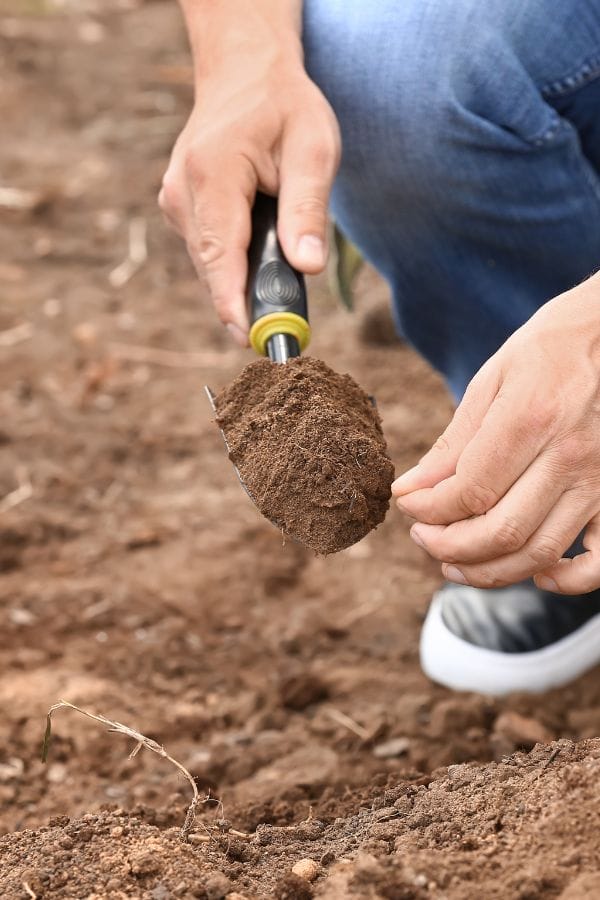
First, gather a soil sample from the area you want to test. Use a clean tool like a trowel or spoon to avoid contamination.
Take soil from 2 to 3 inches deep. Avoid surface debris like leaves or grass. Collect soil from several spots and mix them well.
Performing The Vinegar Test
Place about 2 teaspoons of soil in a clean container. Slowly add 1/2 cup of white vinegar to the soil.
Watch for fizzing or bubbling. This reaction means the soil is alkaline with a pH above 7.
- No bubbles mean the soil is not alkaline.
- Bubbles show the soil has calcium carbonate.
Performing The Baking Soda Test
Put 2 teaspoons of soil in a different clean container. Add 1/2 cup of water and mix well to make mud.
Pour 1/2 cup of baking soda over the muddy soil. Look for bubbles or fizzing again.
- Bubbles mean the soil is acidic with a pH below 7.
- No reaction shows the soil is not acidic.
Interpreting The Results
Use the test reactions to guess your soil’s pH range. Both tests together give a clearer view.
- Fizz with vinegar means alkaline soil (pH above 7).
- Fizz with baking soda means acidic soil (pH below 7).
- No fizz in either test means neutral soil (pH around 7).
This simple testing helps decide if you need to add lime or sulfur to balance soil pH.
Limitations Of Diy Testing
Testing soil pH using vinegar and baking soda is a popular home method. It is simple and requires common kitchen items.
This DIY approach has limits that affect how accurate the results will be. Knowing these limits helps you decide when to use other methods.
Accuracy Concerns
Vinegar and baking soda tests give a rough idea of soil acidity or alkalinity. They do not provide exact pH values.
- Reactions depend on soil type and moisture.
- Organic matter can change the test results.
- Color changes are sometimes hard to interpret.
- These tests only show if soil is acidic or alkaline, not the degree.
When To Use Professional Testing
Professional soil testing provides precise pH readings and detailed soil analysis. It is best for serious gardening or farming.
| Reason for Testing | DIY Test | Professional Test |
| Soil pH Accuracy | Low | High |
| Additional Nutrient Info | No | Yes |
| Cost | Very Low | Moderate to High |
| Time to Get Results | Minutes | Days |
Credit: littlesproutslearning.co
Tips For Better Soil Health
Good soil health helps plants grow strong and healthy. Testing soil pH is important for knowing what your soil needs.
You can test soil pH using simple household items like vinegar and baking soda. This helps you decide how to adjust soil for better growth.
Adjusting Ph Levels
Soil pH affects how well plants can take nutrients. If soil is too acidic or too alkaline, plants may not grow well.
- Use vinegar to test for alkaline soil. If soil fizzes, it is alkaline.
- Use baking soda to test for acidic soil. If soil fizzes, it is acidic.
- Add lime to raise pH if soil is too acidic.
- Add sulfur to lower pH if soil is too alkaline.
- Mix amendments well into the soil for even adjustment.
Regular Soil Monitoring
Keep track of soil health by testing regularly. This helps catch changes before they harm plants.
| Test Frequency | Purpose |
| Every 3 months | Check pH and nutrient levels |
| Before planting | Prepare soil for new crops |
| After heavy rain | Detect pH changes from water |
| After adding amendments | See if soil improved |

Credit: www.youtube.com
Frequently Asked Questions
Can Vinegar And Baking Soda Test Soil Ph Accurately?
No, vinegar and baking soda offer only rough pH indications. They can show if soil is acidic or alkaline but lack precise measurement. For accurate results, use a digital pH meter or professional soil test kit.
How Do Vinegar And Baking Soda Indicate Soil Acidity?
Vinegar fizzes on alkaline soil, while baking soda fizzes on acidic soil. This reaction helps identify soil type but does not provide exact pH values. It’s a simple home test but not a substitute for detailed analysis.
Is The Vinegar And Baking Soda Test Reliable For Gardening?
This test is a quick, easy way to check soil pH trends but is not fully reliable. For gardening, precise pH data is important. Use soil test kits or lab tests for best plant growth results.
What Are The Limitations Of Vinegar And Baking Soda Soil Tests?
They only show if soil is acidic or alkaline but not the exact pH number. Soil composition and moisture can affect reactions. They do not replace professional tests needed for detailed soil management.
Conclusion
Testing soil pH with vinegar and baking soda offers a quick, simple way to check acidity or alkalinity. This method shows basic soil traits but lacks precise results. For more accurate readings, consider professional soil test kits or lab analysis.
Knowing soil pH helps plants grow better and stay healthy. Simple home tests can guide you but don’t replace detailed testing. Try these easy tests to start understanding your soil today.

