
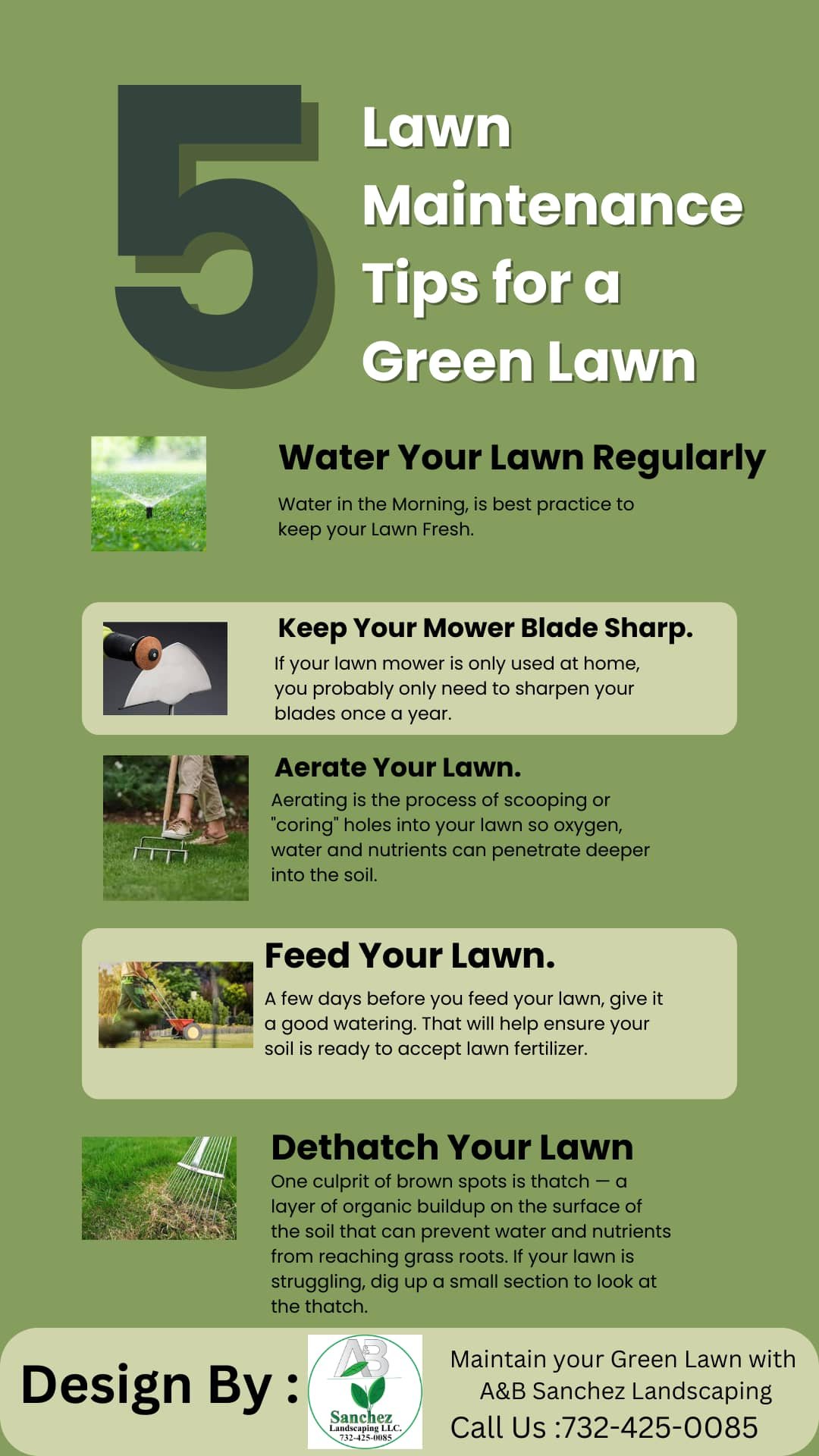
Imagine stepping onto your lawn and feeling the lush, green grass beneath your feet. It’s the dream of every homeowner.
But achieving that perfect lawn can sometimes feel like a mystery. If you’re new to lawn care, you might be wondering where to start. The secret? Lawn aeration. It’s a simple yet effective technique that can transform your yard from dull to dazzling.
You’ll discover easy-to-follow tips designed specifically for beginners. Whether your lawn is looking a bit tired or you just want to keep it in top shape, these lawn aeration tips will help you achieve the vibrant, healthy lawn you’ve always wanted. Ready to unlock the secret to a beautiful lawn? Let’s dive in!
Benefits Of Lawn Aeration
Lawn aeration helps your grass grow strong and healthy. It involves making small holes in the soil to let air, water, and nutrients reach the roots.
This process improves the overall condition of your lawn and supports better growth. Here are some key benefits of lawn aeration.
Improved Soil Health
Aeration loosens compacted soil and creates space for roots to grow. It also helps beneficial microbes thrive in the soil, which keeps it healthy.
Enhanced Nutrient Absorption
When you aerate your lawn, nutrients can reach deeper into the soil. This allows grass roots to absorb more vitamins and minerals.
- Increases fertilizer effectiveness
- Supports stronger root systems
- Improves grass color and growth
Better Water Penetration
Aeration helps water move freely through the soil. This reduces runoff and ensures water reaches the roots where it is needed most.
| Before Aeration | After Aeration |
| Water pools on surface | Water soaks deep into soil |
| Dry patches appear | Even moisture distribution |
| Shallow root growth | Deeper root growth |
Reduced Soil Compaction
Soil compaction stops roots from growing well. Aeration breaks up hard soil and lets roots spread out. This makes your lawn more resilient.
Credit: www.lawnstarter.com
When To Aerate Your Lawn
Aerating your lawn helps grass grow strong and healthy. It lets air, water, and nutrients reach the roots better. Knowing the right time to aerate is key for good results.
Choosing the best season and watching for signs will help you decide when to aerate your lawn. This guide covers the best seasons and what to look for.
Best Seasons For Aeration
The best time to aerate depends on your grass type and climate. Aerating at the right time helps the lawn recover faster and grow well.
- Spring:Good for cool-season grasses. Aerate after the last frost for best results.
- Fall:Ideal for cool-season grasses too. It helps the lawn grow strong before winter.
- Late spring to early summer:Best for warm-season grasses when they start growing fast.
Signs Your Lawn Needs Aeration
Look for these signs to know if your lawn needs aeration soon. Acting early keeps your grass healthy.
| Sign | What It Means |
| Water puddles on lawn | Soil is compacted and water can’t soak in. |
| Grass grows thin | Roots don’t get enough air or nutrients. |
| Heavy foot traffic | Soil gets compressed from walking or playing. |
| Thick thatch layer | Dead grass blocks water and air from reaching soil. |
Types Of Aeration Methods
Lawn aeration helps grass grow strong by improving air and water flow to roots. Different aeration types work in different ways.
Choosing the right aeration method depends on your lawn’s needs and soil type. Here are the main types of aeration.
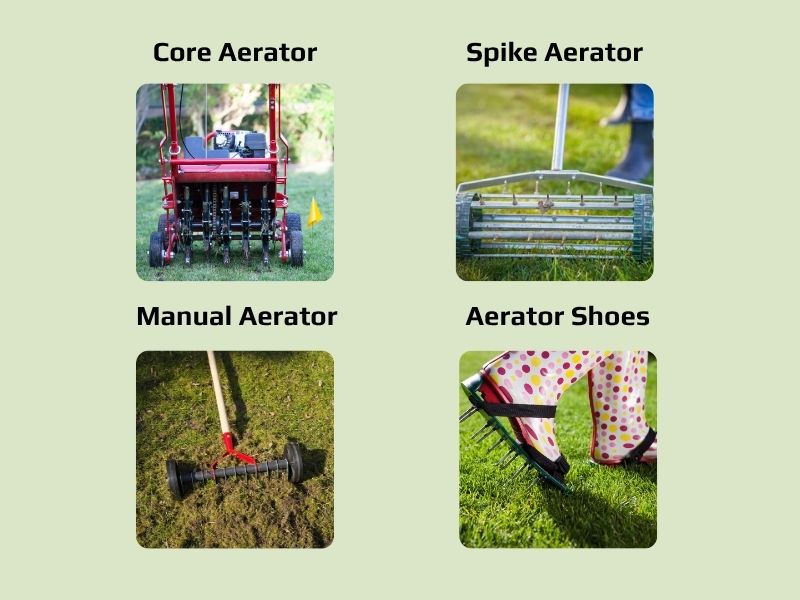
Core Aeration
Core aeration removes small plugs of soil from your lawn. This creates space for air, water, and nutrients.
This method helps reduce soil compaction and promotes healthy root growth. It works best on thick, heavy soils.
- Uses a machine with hollow tines
- Removes soil plugs about 2-3 inches deep
- Improves soil drainage and root health
Spike Aeration
Spike aeration pokes holes in the soil without removing plugs. It uses solid spikes to create the holes.
This method loosens the soil surface but does not reduce compaction as well as core aeration. It is good for light aeration.
- Uses solid spikes or nails
- Creates holes by pushing into the soil
- Good for lawns with light soil compaction
Liquid Aeration
Liquid aeration uses special solutions that help break down compacted soil. It improves soil structure without physical holes.
This method works well for lawns that cannot be aerated with machines. It is easy to apply and less disruptive.
- Applies liquid solutions to soil surface
- Softens soil and improves nutrient flow
- Safe for all grass types and soil conditions
Tools Needed For Aeration
Lawn aeration helps grass grow better by letting air, water, and nutrients reach the roots. Using the right tools makes aeration easier and more effective.
This guide covers common tools for aeration. You will learn about manual aerators, powered aerators, and rental options to suit your needs.
Manual Aerators
Manual aerators are simple hand tools. They work well for small lawns and light aeration tasks. They are also affordable and easy to use.
- Spike aerator: Uses solid spikes to poke holes in the soil.
- Plug aerator: Removes small plugs of soil to reduce compaction.
- Handheld aerator shoes: Attach spikes to shoes to aerate by walking.
Powered Aerators
Powered aerators use gas or electricity to make aeration faster and easier. They are best for large lawns or hard soil. These machines often have tines that pull plugs from the ground.
| Type | Power Source | Best For |
| Gas Aerator | Gas Engine | Large lawns, tough soil |
| Electric Aerator | Electric Motor | Medium lawns, quieter operation |
Rental Options
You can rent aeration tools if you do not want to buy them. Rental shops offer both manual and powered aerators. Renting saves money if you aerate only once or twice a year.
- Check local garden centers or hardware stores for rental availability.
- Ask about rental prices and deposit requirements.
- Inspect the equipment before renting to ensure it works well.
- Get instructions on how to use the machine safely.
Step-by-step Aeration Process
Lawn aeration helps your grass grow strong. It improves air, water, and nutrient flow to the roots. This guide shows how to aerate your lawn in three clear steps.
Follow these steps carefully to get the best results. Aeration can make your lawn healthier and greener over time.
Preparing The Lawn
Start by mowing your lawn short. This makes aeration easier and more effective. Remove any leaves or debris on the grass surface.
- Water the lawn a day before aeration to soften the soil.
- Mark any sprinkler heads or shallow cables to avoid damage.
- Check the weather forecast to avoid aerating on rainy days.
Aerating The Soil
Use a lawn aerator tool to create small holes in the soil. This helps air and water reach the roots better. You can rent or buy a manual or machine aerator.
- Start aerating in one direction, covering the whole lawn.
- Make a second pass at a right angle to the first for full coverage.
- Leave the soil plugs on the lawn—they break down naturally.
Post-aeration Care
After aeration, your lawn needs care to heal and grow strong. Proper care improves the benefits of aeration.
| Task | Description |
|---|---|
| Watering | Water the lawn deeply within 24 hours after aeration. |
| Fertilizing | Apply fertilizer to feed the roots and promote growth. |
| Overseeding | Spread grass seed to fill bare spots and thicken the lawn. |
| Wait Time | Avoid heavy foot traffic on the lawn for a few days. |
Common Mistakes To Avoid
Lawn aeration helps grass grow better by letting air and water reach the roots.
Many beginners make mistakes that stop aeration from working well. Avoid these errors for a healthy lawn.
Aerating Too Often
Aerating your lawn too often can cause damage. The soil needs time to recover after aeration.
- Aerate once or twice a year, not every month.
- Choose the right season for aeration, usually spring or fall.
- Avoid aerating when the soil is very wet or frozen.
Ignoring Lawn Conditions
Each lawn is different. Ignoring soil type, grass kind, or weather can hurt your aeration results.
| Condition | What to Do |
| Clay Soil | Aerate carefully and add sand or organic matter |
| Sandy Soil | Aerate less often to avoid over-loosening |
| Dry Lawn | Water the lawn before aerating |
| New Grass | Wait until grass is well established |
Skipping Aftercare
After aeration, your lawn needs care to heal and grow strong. Skipping this step wastes your effort.
- Water your lawn deeply after aeration.
- Apply fertilizer to help grass recover.
- Keep off heavy foot traffic for a few days.
- Remove plugs if needed or let them break down naturally.
Maintaining A Lush Lawn After Aeration
Lawn aeration helps grass roots get air, water, and nutrients. After aeration, proper care keeps your lawn healthy and green.
Follow simple steps to water, fertilize, and mow your lawn for the best results. These tips help your grass grow strong and thick.
Proper Watering Techniques
Water your lawn soon after aeration to help soil settle and roots absorb moisture. Use deep watering to reach the roots.
- Water early in the morning to reduce evaporation.
- Give your lawn about 1 inch of water per week.
- Use a sprinkler to water evenly across the lawn.
- Avoid watering too often or too much to prevent disease.
Fertilizing Tips
Fertilizer feeds your lawn and helps it grow after aeration. Choose a fertilizer with nitrogen for green, healthy grass.
| Fertilizer Type | Best Time to Apply | Notes |
| Slow-release Nitrogen | 1 to 2 days after aeration | Feeds grass over time |
| Phosphorus-rich Fertilizer | After aeration if soil test shows need | Helps root growth |
| Balanced Fertilizer (N-P-K) | During growing season | Supports overall lawn health |
Mowing Best Practices
Cutting your lawn properly helps grass grow strong after aeration. Keep mower blades sharp for a clean cut.
- Wait until grass is dry before mowing.
- Do not cut more than one-third of the grass height.
- Set mower height to 2.5 to 3 inches for most lawns.
- Remove grass clippings to prevent thatch build-up.

Credit: www.youtube.com

Credit: fairwaylawns.com
Frequently Asked Questions
What Is Lawn Aeration And Why Is It Important?
Lawn aeration involves perforating soil to improve air, water, and nutrient flow. It promotes healthy grass growth and reduces soil compaction.
When Is The Best Time For Lawn Aeration?
The ideal time for aeration is during the growing season, typically spring or early fall, when grass can quickly recover.
How Often Should I Aerate My Lawn?
Most lawns benefit from aeration once a year. Lawns with heavy foot traffic may need aeration twice yearly.
Can I Aerate My Lawn Myself Or Hire A Professional?
You can aerate your lawn yourself using rental equipment. Professionals offer expertise and save time, especially for large areas.
Conclusion
Aerating your lawn helps roots breathe and grow strong. It lets water, air, and nutrients reach the soil better. Use the right tools and follow simple steps. Do this once or twice a year for best results. A healthy lawn looks green and feels soft to walk on.
Small efforts bring big changes over time. Start with these easy tips and enjoy a fresh, lively yard. Your lawn will thank you with its vibrant, lush appearance. Keep up the care, and watch your grass thrive.
