
Are you looking to give your garden the nourishing boost it deserves? Using a hose end sprayer for fertilizer might be the game-changing solution you’ve been searching for.
Imagine the lush, vibrant garden you’ve always dreamed of—just within your reach. With the right techniques, this simple tool can transform your gardening routine, saving you time and effort while delivering nutrients efficiently to your plants. You might wonder if mastering this tool is complicated or time-consuming.
The good news? It’s easier than you think! Whether you’re a seasoned gardener or just getting started, understanding how to effectively use a hose end sprayer can make all the difference. Discover how you can maximize your garden’s potential with this easy, step-by-step guide. Get ready to uncover the secrets to a thriving garden that’s sure to impress!
Choosing The Right Hose End Sprayer
Using a hose end sprayer makes applying fertilizer easier and faster. Picking the right sprayer helps you apply the correct amount. This guide explains what to look for when choosing a sprayer.
Knowing the types, features, and compatible fertilizers will help you make a good choice. Read on to learn more about each important factor.
Types Of Sprayers
There are several types of hose end sprayers. Each type works differently and suits different tasks. Choose one based on your yard size and fertilizer type.
- Dial Sprayers:Adjust the dial to control the mix ratio of fertilizer and water.
- Tank Sprayers:Fill the tank with fertilizer, then connect to the hose for spraying.
- Metered Sprayers:Measure the exact amount of fertilizer sprayed per area.
- Pressure Sprayers:Use pressure to spray fertilizer evenly over large areas.
Features To Consider
| Feature | Benefit |
| Adjustable Flow Rate | Control how much fertilizer you apply |
| Easy to Attach | Quick setup without tools |
| Durable Materials | Lasts longer and resists wear |
| Clear Measurement Markings | Helps mix the right fertilizer amount |
| Wide Spray Pattern | Covers more area in less time |
Look for these features to make your spraying easier and more accurate. A good sprayer saves time and prevents waste.
Compatible Fertilizers
Check which fertilizers work with your sprayer. Some sprayers only handle liquid fertilizers. Others can spray granules mixed in water.
- Liquid fertilizers
- Water-soluble powders
- Herbicides and insecticides (if allowed)
- Organic liquid fertilizers
Always read the sprayer’s instructions and fertilizer labels. Using the wrong mix can clog or damage the sprayer.

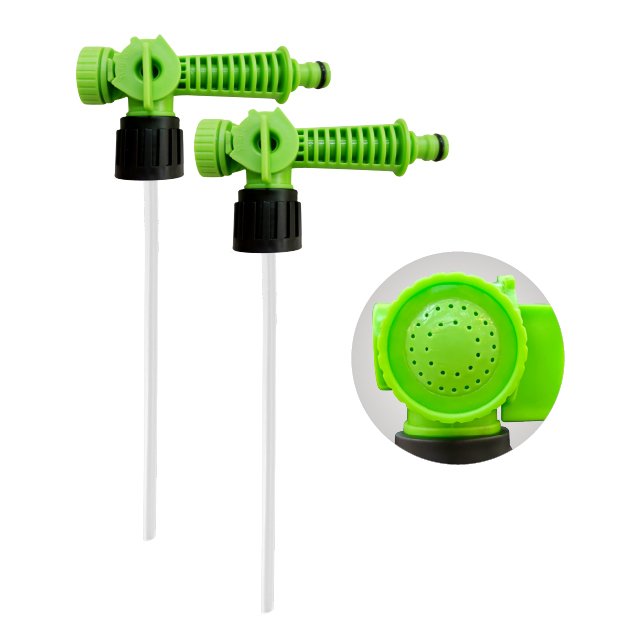
Credit: www.amazon.ca
Preparing Your Fertilizer Solution
Using a hose end sprayer is a quick way to apply fertilizer. Preparing the fertilizer solution correctly is important for good results. This guide helps you mix your fertilizer safely and effectively.
Follow these steps to measure, mix, and handle your fertilizer solution with care.
Measuring The Fertilizer
Start by measuring the right amount of fertilizer for your sprayer. Check the fertilizer label for recommended amounts. Use a clean measuring cup for accuracy.
- Read the label instructions carefully
- Use a measuring cup or scoop
- Measure the exact amount needed
- Avoid guessing to prevent over-fertilizing
Mixing Instructions
Mix the fertilizer with water before adding it to the sprayer. Pour water into a clean container first. Then add the measured fertilizer slowly while stirring.
- Use clean water for mixing
- Stir the solution well to dissolve fertilizer
- Do not mix more than needed at one time
- Fill the hose end sprayer according to its capacity
Safety Precautions
Fertilizer can be harmful if not handled properly. Wear protective gear like gloves and goggles. Keep children and pets away while mixing and spraying.
- Wear gloves and eye protection
- Work in a well-ventilated area
- Wash hands after handling fertilizer
- Store fertilizer safely away from children
Attaching The Sprayer To Your Hose
Using a hose end sprayer makes applying fertilizer easy and fast. Proper attachment ensures even spreading and stops leaks.
Follow simple steps to connect the sprayer to your hose correctly. This guide will help you avoid common mistakes.
Connection Steps
Start by checking the sprayer and hose threads are clean and free of dirt. This helps to create a tight seal.
- Turn off the water supply before attaching the sprayer.
- Align the sprayer’s connector with the hose end.
- Twist the sprayer clockwise until it fits snugly.
- Do not force the connection to avoid damaging threads.
Checking For Leaks
After connecting, turn on the water slowly. Watch the connection point carefully for any drips.
| Leak Location | Possible Cause | Fix |
|---|---|---|
| Sprayer to hose connection | Loose fitting | Twist sprayer tighter |
| Hose end | Damaged washer | Replace washer |
| Sprayer body | Cracks or damage | Replace sprayer |
Adjusting The Flow Rate
Most hose end sprayers have a dial to control how much fertilizer mixes with water. Adjust it based on your plant needs.
- Turn the dial clockwise to reduce flow.
- Turn it counterclockwise to increase flow.
- Test spray on a small area first.
- Make small changes and wait a few minutes to see effects.
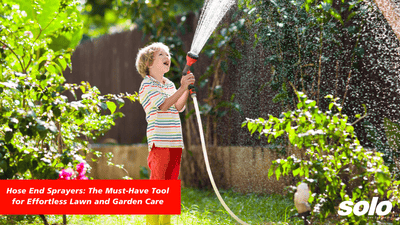
Credit: solonz.co.nz
Applying Fertilizer With The Sprayer
Using a hose end sprayer helps apply fertilizer evenly on your lawn or garden. It saves time and reduces waste.
This guide explains how to use spraying techniques, coverage tips, and the best timing for fertilizer application.
Spraying Techniques
Hold the sprayer wand steady to avoid uneven coverage. Walk at a consistent speed to apply fertilizer uniformly.
Overlap your spray patterns slightly to cover all areas without missing spots or causing over-application.
Coverage Tips
- Check sprayer nozzle for blockages before use
- Adjust the spray pattern to suit the area size
- Test spray on a small patch to see coverage
- Use water pressure recommended by the sprayer
- Clean sprayer after each use to maintain performance
Timing And Frequency
| Time | Reason |
| Early morning | Reduces evaporation and runoff |
| Late afternoon | Allows absorption before night |
| Every 4-6 weeks | Keeps plants nourished without overfeeding |
| After rain | Helps fertilizer soak into soil |
Cleaning And Maintenance
Keeping your hose end sprayer clean helps it work well every time. Proper care stops clogs and damage.
Regular maintenance makes the sprayer last longer and keeps fertilizer flowing smoothly.
Rinsing The Sprayer
After using fertilizer, rinse the sprayer to remove any leftover chemicals. This prevents buildup and clogs.
- Disconnect the sprayer from the hose.
- Fill a bucket with clean water.
- Run clean water through the sprayer until it flows clear.
- Shake the sprayer gently to loosen any residue inside.
- Rinse the nozzle and parts with water.
Storing Properly
Store the sprayer in a dry, cool place to protect it from damage. Avoid direct sunlight and freezing temperatures.
Keep the sprayer away from dirt and dust. Store with parts separated if the manual suggests it.
| Storage Tip | Reason |
|---|---|
| Dry before storing | Prevents mold and rust |
| Keep indoors | Protects from weather damage |
| Store nozzle separately | Avoids clogging and wear |
Troubleshooting Common Issues
If the sprayer does not spray evenly, check for blockages. Clean the nozzle and filters regularly.
- Check hose connection for leaks.
- Clean clogged nozzles with a soft brush.
- Replace worn or damaged parts.
- Ensure fertilizer mix is not too thick.
- Test sprayer with plain water before use.
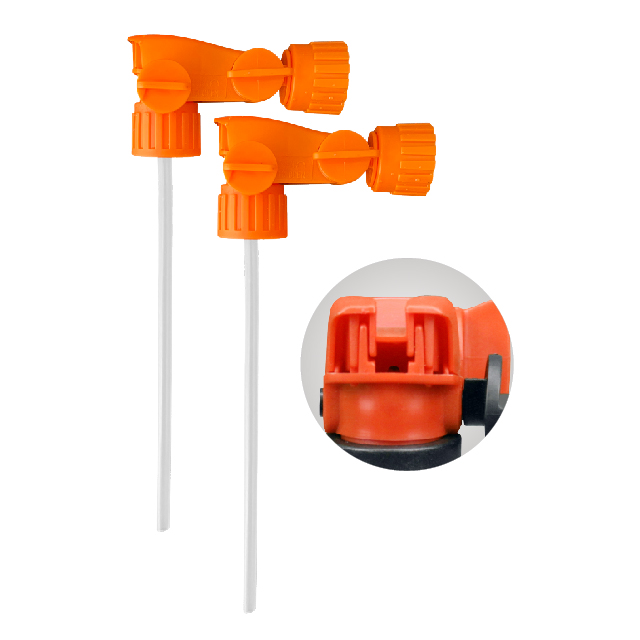
Credit: www.ilotchina.com
Frequently Asked Questions
How Do I Prepare A Hose End Sprayer For Fertilizer?
To prepare, attach the sprayer to your garden hose securely. Fill the container with the recommended fertilizer amount. Adjust the dial for desired concentration. Turn on the water, and the sprayer will mix fertilizer with water automatically.
Can I Use Any Fertilizer With A Hose End Sprayer?
Most water-soluble fertilizers work well with hose end sprayers. Avoid thick or granular fertilizers, as they can clog the sprayer. Always check the sprayer’s instructions to confirm compatible fertilizer types for best results and to prevent damage.
How Often Should I Use A Hose End Sprayer For Fertilizing?
Use your hose end sprayer every 4 to 6 weeks during the growing season. Frequency depends on plant type and fertilizer instructions. Over-fertilizing can harm plants, so follow recommended guidelines for healthy growth and optimal nutrient absorption.
What Safety Tips Should I Follow When Using A Hose End Sprayer?
Wear gloves and eye protection to avoid contact with fertilizer. Use the sprayer outdoors or in well-ventilated areas. Rinse the sprayer thoroughly after each use to prevent buildup and prolong its lifespan. Store fertilizer safely away from children and pets.
Conclusion
Using a hose end sprayer makes fertilizing simple and quick. It helps spread nutrients evenly across your plants. Always follow the instructions on the fertilizer label. Clean the sprayer after each use to keep it working well. This tool saves time and effort in your garden care.
Try it and see your plants grow healthy and strong. A little care goes a long way in gardening success.

