
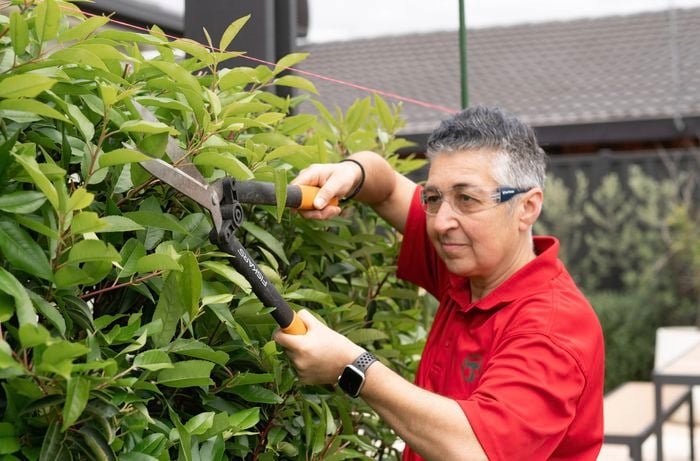
Are your hedges looking a little wild and unkempt? Pruning them might seem like a daunting task, but with the right tools and techniques, you can transform your garden into a neat and tidy space.
Imagine the satisfaction of stepping back to admire perfectly trimmed hedges that boost the curb appeal of your home. In this guide, we’ll reveal the secrets to pruning hedges with shears effectively and efficiently. You’ll learn step-by-step tips that will make your pruning experience smooth and rewarding.
Are you ready to turn your garden into a masterpiece? Let’s dive in and discover the art of hedge pruning with shears!
Credit: www.angi.com
Choosing The Right Shears
Pruning hedges needs the right shears for clean cuts and healthy plants.
Choosing good shears makes trimming easier and protects your plants.
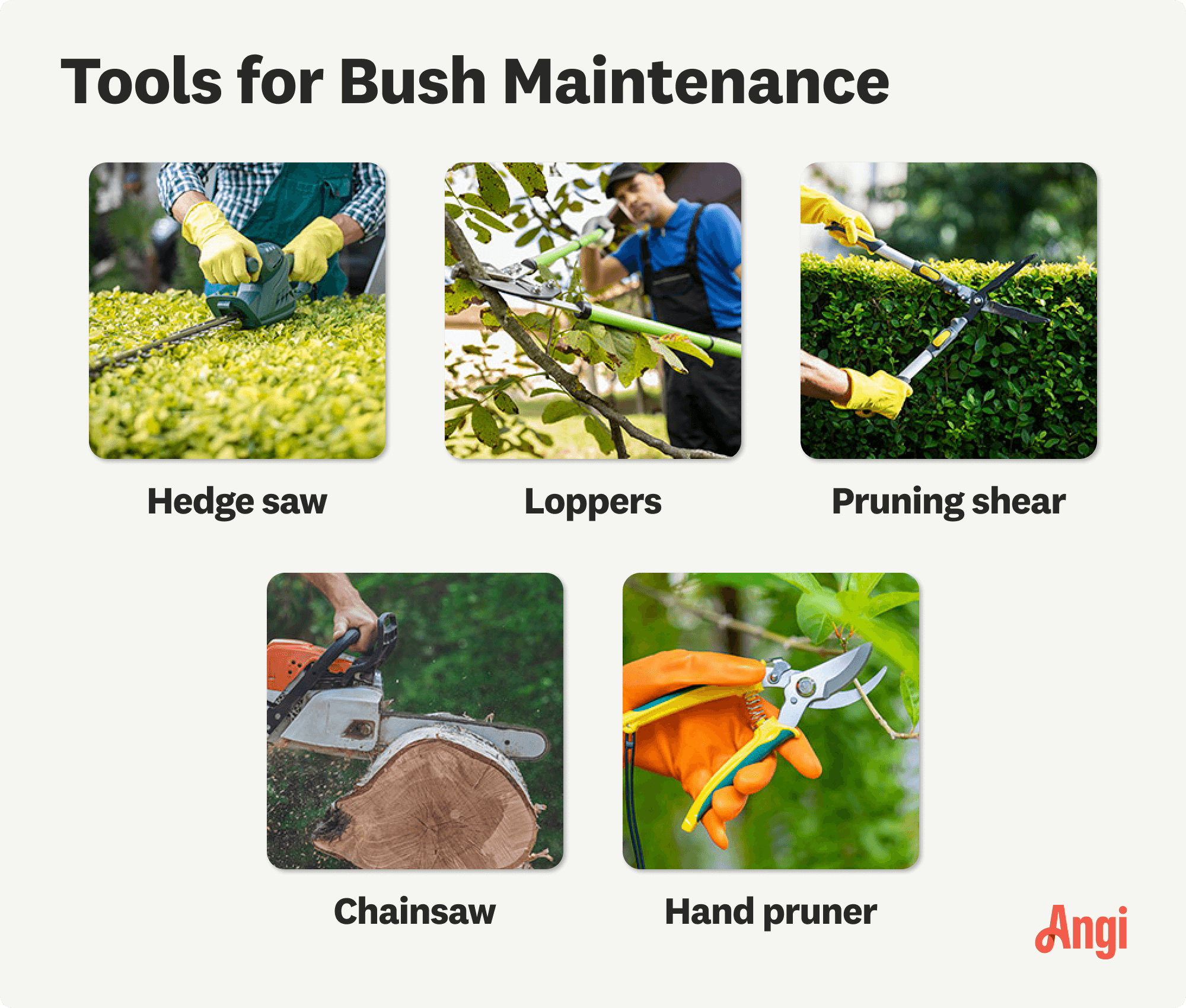
Types Of Hedge Shears
There are several types of shears. Each fits different hedge shapes and sizes.
- Manual Hedge Shears: Simple, hand-held with long blades. Good for small hedges.
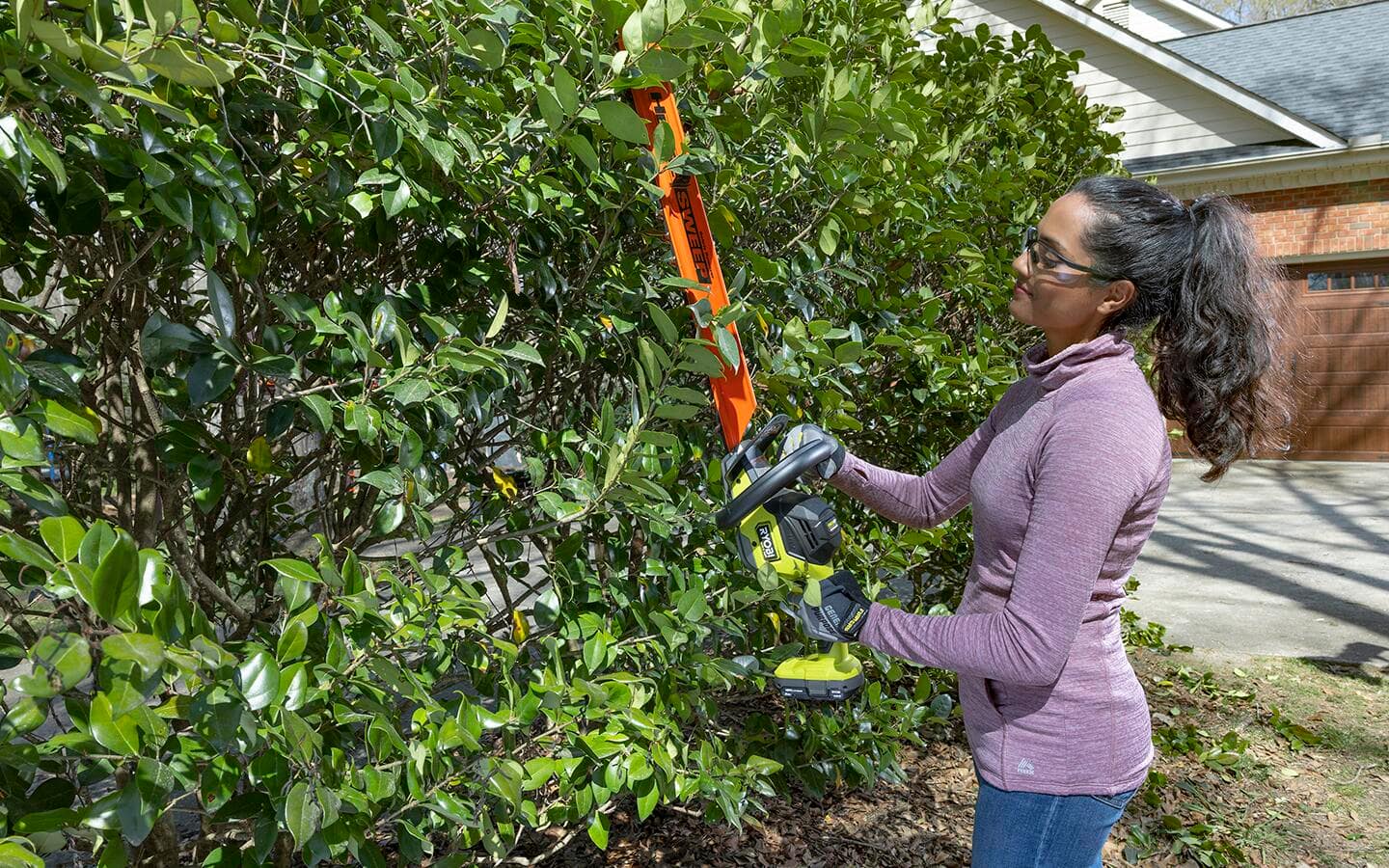
- Electric Hedge Shears: Powered by electricity. They cut faster and with less effort.
- Gas Hedge Shears: Use a gas engine. Best for large, tough hedges.
- Battery-Powered Shears: Cordless and light. Easy to use in tight spots.
Choose shears based on hedge size, your strength, and power source availability.
Shear Maintenance Tips
Good care keeps your shears sharp and working well for a long time.
| Maintenance Task | How To Do It |
| Cleaning | Wipe blades after use to remove sap and dirt. |
| Sharpening | Use a sharpening stone or file to keep blades sharp. |
| Oiling | Apply oil to blades and joints to prevent rust. |
| Tightening | Check screws and bolts to keep blades aligned. |
Credit: www.homedepot.com
Preparing Your Hedges
Pruning hedges keeps them healthy and looking neat. Proper preparation helps you prune safely and effectively.
Before cutting, you should know when to prune and check the hedge condition. This saves time and prevents damage.
Selecting The Best Time To Prune
Choose a time when the hedge is not growing fast. This lets the plant heal well after pruning.
Avoid pruning in wet or freezing weather. Wet leaves can get damaged, and frost can harm fresh cuts.
- Late winter or early spring is good for most hedges
- After flowering if your hedge blooms in spring
- Avoid pruning in late fall to prevent cold damage
Cleaning And Inspecting The Hedges
Remove debris and dead leaves from the hedge before pruning. This helps you see where to cut.
Check for pests, diseases, or damaged branches. Remove any unhealthy parts to keep the hedge strong.
- Clear fallen leaves and twigs from the hedge base
- Look for brown or black spots on leaves
- Trim away broken or weak branches
- Watch for insect nests or holes in the foliage
Pruning Techniques
Pruning hedges with shears helps keep them healthy and neat. Good pruning improves air flow and sunlight inside the hedge.
Knowing the right techniques makes pruning easier. It also shapes the hedge to fit your garden style.
Basic Cutting Methods
Use sharp shears for clean cuts. Cut branches at a slight angle to help water run off. Remove dead or damaged branches first.
- Start from the bottom and work upward.
- Make small cuts to avoid removing too much at once.
- Trim the sides evenly to keep a straight line.
- Check your work often to keep the shape balanced.
Shaping For Different Hedge Styles
Different hedge styles need different shapes. Formal hedges have straight lines and sharp corners. Informal hedges are more natural and rounded.
| Hedge Style | Shape | Pruning Tips |
|---|---|---|
| Formal | Straight, flat top and sides | Trim regularly, keep edges sharp |
| Informal | Rounded or natural shape | Prune lightly, follow natural growth |
| Topiary | Geometric or artistic forms | Prune carefully, use guides |
Avoiding Common Pruning Mistakes
Cutting too much at once can hurt the hedge. Avoid cutting into old wood that does not grow new shoots. Keep your tools clean to stop disease spread.
- Do not prune in late fall or winter.
- Avoid cutting thick branches with shears.
- Wear gloves to protect your hands.
- Trim regularly to prevent overgrowth.
Safety Tips While Pruning
Pruning hedges with shears is a common gardening task. It is important to stay safe while working.
Using the right safety gear and handling tools carefully can prevent injuries.
Protective Gear To Use
Wear protective gear to guard yourself from cuts and scratches. Gloves protect your hands from sharp blades and thorny branches.
Safety glasses shield your eyes from flying debris. Long sleeves and pants help protect your skin.
- Thick gloves to protect hands
- Safety glasses for eye protection
- Long sleeves and pants to cover skin
- Sturdy shoes for good footing
Safe Handling Of Shears
Hold the shears firmly and keep your hands away from the blades. Use smooth, controlled cuts to avoid slips.
Always cut away from your body and never rush. Keep the blades sharp to reduce force and improve control.
- Grip shears securely with both hands
- Cut away from your body
- Make slow, smooth cuts
- Keep blades sharp for easier cutting
- Store shears closed and out of reach
Post-pruning Care
After pruning hedges with shears, proper care helps plants stay healthy. This step protects the hedge and supports new growth.
Good post-pruning habits keep your hedge looking neat and strong. Pay attention to how you handle clippings and care for the plants.
Disposing Of Clippings
Remove clippings from the area to prevent disease and pests. You can compost or dispose of them safely.
- Collect clippings promptly after pruning.
- Do not leave piles on the soil surface.
- Compost healthy clippings in a separate bin.
- Discard diseased parts in trash, not compost.
- Use garden waste bins if available.
Promoting Healthy Growth
Feed and water the hedge well after pruning. This helps plants recover and grow fresh shoots.
| Care Action | Purpose |
| Water deeply | Supports root recovery |
| Apply balanced fertilizer | Encourages strong new growth |
| Mulch base | Retains moisture and controls weeds |
| Monitor for pests | Prevents damage to tender shoots |
When To Perform Follow-up Pruning
Check your hedge regularly after the first cut. Follow-up pruning keeps the shape tidy and controls growth.
- Wait a few weeks to let new growth start.
- Look for uneven or overgrown branches.
- Trim lightly to refine shape and size.
- Avoid heavy cuts too soon after the first pruning.
- Repeat as needed during the growing season.
Credit: www.gardeningknowhow.com
Frequently Asked Questions
How Often Should I Prune Hedges With Shears?
Prune hedges every 6 to 8 weeks during the growing season. Regular trimming keeps them healthy and well-shaped. Avoid pruning in late fall to prevent winter damage.
What Type Of Shears Is Best For Hedge Pruning?
Use sharp, clean hand shears or bypass pruners for precise cuts. Avoid dull blades to prevent damaging the hedge branches. Proper tools ensure clean cuts and healthy growth.
Can I Prune Hedges During The Flowering Season?
It’s best to prune hedges before or after flowering. Pruning during flowering may reduce blooms and stress the plant. Plan pruning times based on your hedge species.
How Do I Shape Hedges Evenly With Shears?
Use long, sweeping cuts and step back frequently to check shape. Trim the sides slightly narrower at the top for sunlight. Consistency ensures a neat, attractive hedge.
Conclusion
Pruning hedges with shears keeps them healthy and neat. Use sharp tools and cut at the right angle. Take your time to shape the hedge evenly. Regular trimming helps plants grow strong and full. Clean your shears after use to prevent damage.
Enjoy a tidy garden that looks cared for. Practice these simple steps for better results. Your hedges will thank you with lush, green growth.

