
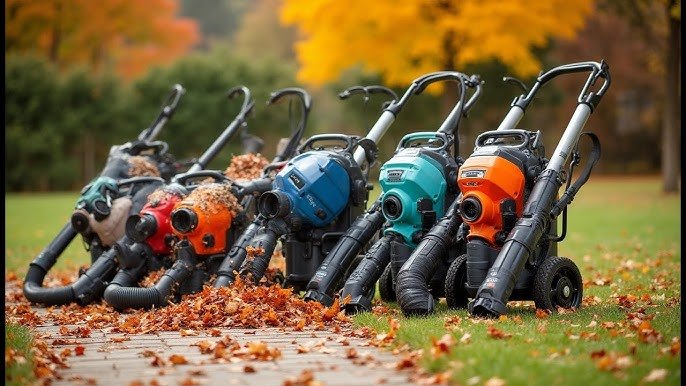
Are you tired of spending endless hours raking leaves, only to watch them scatter across your yard again? It’s time to discover a smarter way to tackle the autumn leaves.
Choosing the right leaf vacuum can transform your yard work from a dreaded chore to a breeze. But with so many options out there, how do you find the perfect one for your needs? In this guide, we’ll walk you through everything you need to know to make an informed choice.
Imagine effortlessly clearing your garden, saving time, and even enjoying the process. Curious to find out how? Let’s dive in and uncover the secrets to selecting the ideal leaf vacuum for your home.
Credit: www.craftsman.com
Types Of Leaf Vacuums
Leaf vacuums come in different styles to suit various yard sizes and needs. Choosing the right type helps you work faster and with less effort.
Each type has unique features. Understanding these can guide you to pick the best leaf vacuum for your space.
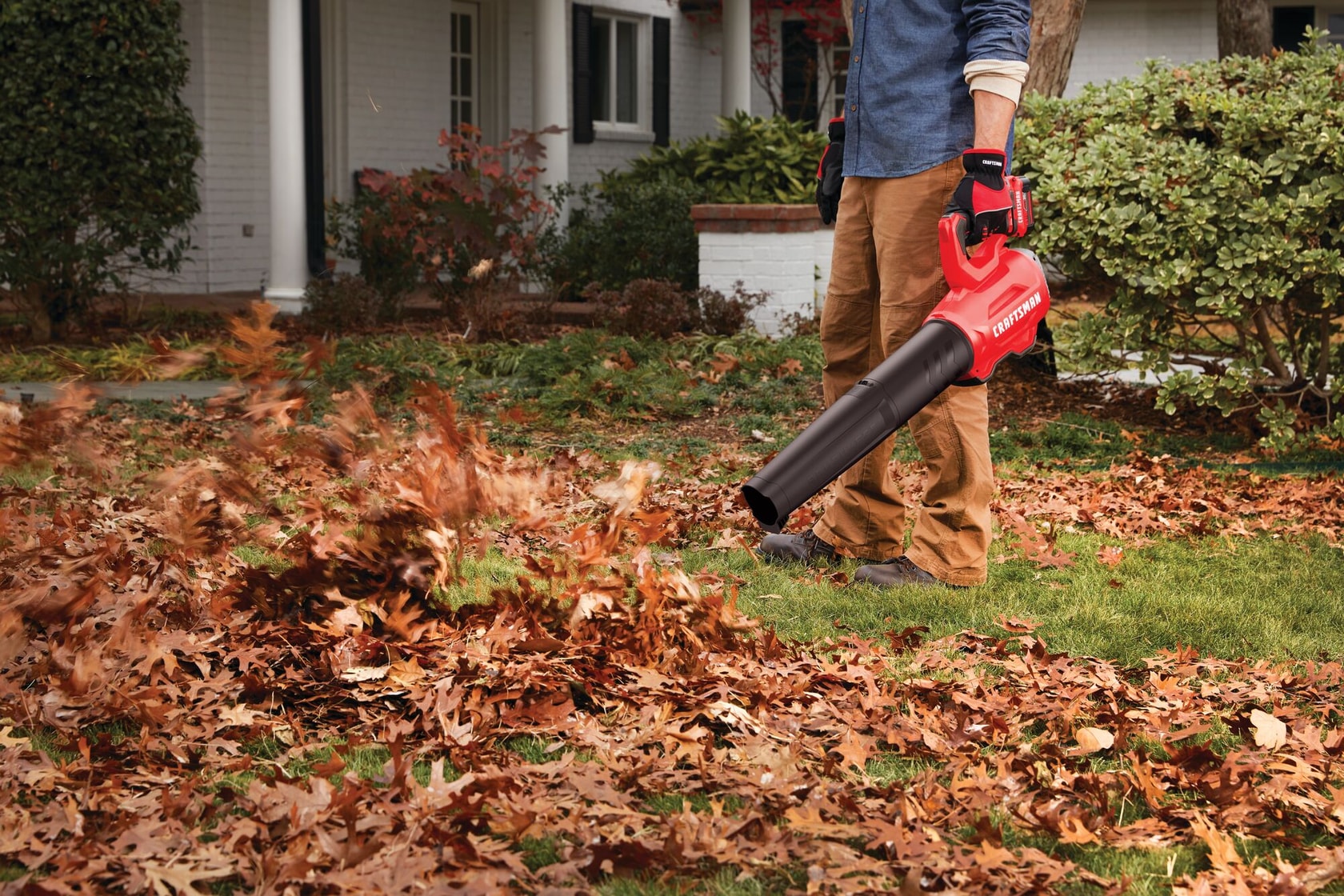
Handheld Models
Handheld leaf vacuums are small and light. They work well for small yards and tight spaces. You can carry them easily and reach under bushes or around flower beds.
- Lightweight and portable
- Battery or cord-powered
- Best for small piles of leaves
- Easy to store
Walk-behind Units
Walk-behind leaf vacuums look like lawn mowers. They are bigger and stronger than handheld models. These are good for medium to large yards. You push them and they suck up leaves as you go.
| Feature | Benefit |
| Wide cleaning path | Cover more ground quickly |
| Large collection bag | Less time emptying leaves |
| Gas or electric options | Choose based on power and noise |
Tow-behind Vacuums
Tow-behind leaf vacuums attach to a riding mower or tractor. They handle very large yards or commercial jobs. These units have large bags and strong suction to pick up heavy leaf loads.
They are less portable but save time on big properties. You can empty the bags less often thanks to their size.
Key Features To Consider
Choosing the right leaf vacuum can make yard work easier. Look for key features that fit your needs.
This guide helps you find the best leaf vacuum by focusing on important points.
Power Source Options
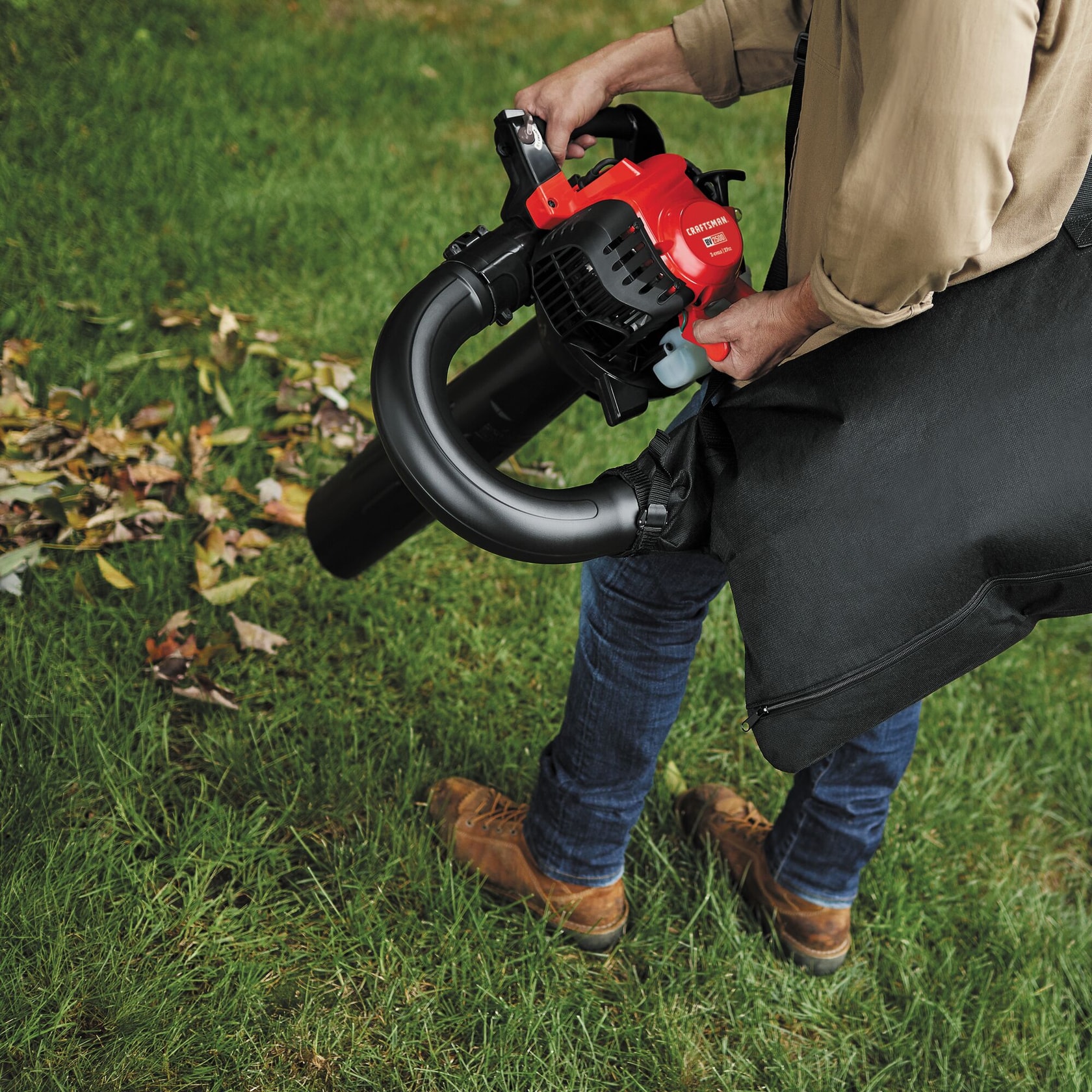
Leaf vacuums come with different power sources like gas, electric, or battery. Each type has benefits and limits.
Gas models are strong but noisy and need fuel. Electric ones are quieter but need a cord or charging.
- Gas: powerful, good for big yards, needs fuel
- Corded Electric: lighter, no fuel, limited by cord length
- Battery Powered: portable, quiet, limited run time
Bag Capacity And Collection
The bag size affects how often you empty it. Larger bags hold more leaves and save time.
Look for easy-to-remove bags with strong closures. Some models have clear windows to check the fill level.
- Large bags reduce emptying frequency
- Easy removal helps quick disposal
- Clear windows show when bag is full
Suction And Mulching Performance
Good suction picks up leaves and debris quickly. Mulching chops leaves into small pieces.
Mulching reduces leaf volume and helps with composting. Check the vacuum’s mulching ratio for efficiency.
- Strong suction cleans large areas fast
- Effective mulching lowers leaf volume
- Higher mulching ratio means finer pieces
Weight And Maneuverability
Lighter vacuums are easier to carry and move around. Heavy models can cause fatigue during long use.
Look for ergonomic handles and easy controls. Check if the vacuum can reach tight spots in your yard.
- Lightweight vacuums reduce user fatigue
- Good handles improve control and comfort
- Compact design helps reach narrow areas
Yard Size And Terrain
Choosing the right leaf vacuum depends a lot on your yard size and terrain. These factors affect how easy and efficient your leaf cleanup will be.
Different vacuums work better for small lawns, large yards, and rough or uneven ground. Consider these details before buying.
Small Lawns
For small lawns, a lightweight and compact leaf vacuum is best. These models are easy to carry and store.
Look for vacuums with a smaller collection bag. They are enough for small spaces and keep the machine light.
Medium To Large Yards
Large yards need leaf vacuums with bigger collection capacity. This reduces how often you stop to empty the bag.
- Choose models with strong suction power
- Look for wide intake openings to cover more ground quickly
- Consider vacuum mulchers to reduce waste volume
- Wheels help move the vacuum over large areas with less effort
Uneven Or Rocky Areas
Rough terrain needs vacuums built to handle bumps and rocks. A sturdy frame and good wheels are important.
| Feature | Why It Helps |
| Large, rugged wheels | Easier to push over rocks and uneven ground |
| Adjustable height | Prevents damage to the vacuum and helps clean uneven spots |
| Durable housing | Protects the machine from impacts and wear |
| Powerful motor | Maintains suction despite bumps and debris |

Credit: www.yourgreenpal.com
Maintenance And Durability
Choosing a leaf vacuum means thinking about how long it will last and how easy it is to keep it working well.
Good maintenance helps you use the vacuum for many seasons without problems.
Cleaning And Storage Tips
Clean the leaf vacuum after every use to stop dirt buildup. Empty the collection bag or container fully. Wipe down the outside with a damp cloth.
- Remove leaves and debris from the fan and intake areas.
- Check the air filter and clean or replace it if dirty.
- Store the vacuum in a dry place away from rain and sun.
- Keep it covered or in a protective case to avoid dust.
Common Wear Parts
Some parts wear out faster and need regular checking or replacement. These parts affect how well the vacuum works and lasts.
| Part | Maintenance Tip | Replacement Frequency |
| Fan Blades | Clean after use, check for damage | Every 1-2 years |
| Air Filter | Clean monthly or replace if torn | Every 6 months |
| Collection Bag | Empty regularly, inspect for holes | Replace when damaged |
| Drive Belt | Check tension and wear | Every year |
Warranty And Support
Look for leaf vacuums with a clear warranty. This covers repairs if parts break early. Good support means you can get help or parts easily.
- Check how long the warranty lasts and what parts are covered.
- See if the manufacturer offers customer support by phone or online.
- Find out where to buy replacement parts and how fast they arrive.
- Read reviews about the company’s service quality.
Budget And Value
Choosing a leaf vacuum involves thinking about your budget. It is important to find a model that gives good value for the money you spend.
Understanding price ranges and features helps you pick the right tool for your needs and budget.
Price Ranges
Leaf vacuums come in different price ranges. You can find basic models at low prices and advanced ones at higher costs.
Low-cost vacuums often work well for small yards. More expensive models offer stronger power and extra features.
- Budget models: under $100
- Mid-range models: $100 to $200
- High-end models: over $200
Balancing Cost And Features
Look for a leaf vacuum that balances price and features. More features can mean better performance but higher cost.
Think about which features you need most. Extra power, bag size, and ease of use are common factors to check.
- Power: helps clear leaves faster
- Bag capacity: fewer emptying stops
- Weight: lighter models are easier to handle
- Noise level: quieter models are more pleasant
Long-term Investment
Think about how long you will use the leaf vacuum. A higher price may be worth it if the tool lasts many years.
Durability and warranty are signs of a good long-term investment. Cheaper models might break faster and cost more in repairs.
Credit: www.craftsman.com
Safety And Noise Levels
Choosing a leaf vacuum requires attention to safety and noise. These factors protect you and your neighbors.
Understanding protective gear and noise features can help you pick the right tool.
Protective Gear Recommendations
Using the correct gear keeps you safe during leaf vacuum use. Always wear protection to avoid injuries.
- Safety glasses to protect your eyes from dust and debris
- Earplugs or earmuffs to reduce noise exposure
- Gloves for hand protection and better grip
- Long sleeves and pants to shield your skin
- Sturdy shoes to prevent slips and foot injuries
Noise Reduction Features
Leaf vacuums differ in noise levels. Choosing quieter models helps reduce disturbance.
| Feature | Description |
| Sound Insulation | Materials that reduce motor noise |
| Low RPM Motors | Slower motors produce less sound |
| Mufflers | Devices that dampen exhaust noise |
| Electric Power | Electric models are generally quieter than gas |
Frequently Asked Questions
What Factors Should I Consider When Choosing A Leaf Vacuum?
Consider power source, weight, capacity, and noise level. Check if it has mulching features and easy-to-empty bags. Choose based on your yard size and leaf volume for best results.
Are Electric Or Gas Leaf Vacuums Better?
Electric vacuums are quieter, lighter, and eco-friendly. Gas models are more powerful and better for large areas. Choose based on your yard size and preference for maintenance.
How Important Is The Mulching Feature In Leaf Vacuums?
Mulching reduces leaf volume by shredding leaves. It helps composting and reduces bag emptying frequency. This feature saves time and storage space, making yard cleanup efficient.
Can A Leaf Vacuum Handle Wet Leaves Effectively?
Most leaf vacuums work best with dry leaves. Wet leaves can clog the machine and reduce efficiency. Check product specs to ensure it can handle damp conditions if needed.
Conclusion
Choosing the right leaf vacuum makes yard work easier and faster. Think about your yard size and leaf amount. Battery or gas models each have their pros. Consider weight, noise, and how easy it is to use. Don’t forget to check the vacuum’s collection capacity.
A good leaf vacuum helps keep your garden clean and tidy. Take your time to pick one that fits your needs well. Simple steps lead to better results. Your yard will thank you for it.
