
Are you dreaming of a flourishing garden but unsure which tool will help you achieve those green dreams? You’re not alone.
Choosing between a front tine and a rear tine tiller can feel like a daunting task. Each has its own unique strengths, and picking the right one can significantly impact your gardening success. The good news? This decision doesn’t have to be overwhelming.
By the end of this article, you’ll have a clear understanding of which tiller suits your gardening needs best. Whether you’re preparing to plant a few vegetables or transforming your entire yard, knowing the difference can save you time, effort, and even money. Ready to dig deeper and find the perfect tiller for your garden? Let’s get started!
Front Tine Tiller Features
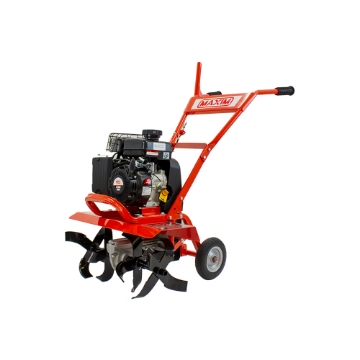
Front tine tillers are useful tools for preparing soil in gardens and small farms. They have tines in front of the machine that dig into the soil.
This design helps break up hard soil and mix in compost or fertilizer. Let’s look at some key features of front tine tillers.
Design And Build
Front tine tillers have a simple design with tines in front. The tines rotate to dig into the soil.
The engine is usually mounted behind the tines. This setup makes the tiller lighter and easier to handle.
Tilling Depth And Width
These tillers work well for shallow to medium depth soil preparation. They can till about 4 to 8 inches deep.
The width covered by the tines is usually between 8 and 16 inches. This size is good for small to medium garden beds.
- Tilling depth: 4 to 8 inches
- Tilling width: 8 to 16 inches
Maneuverability And Control
Front tine tillers are easy to steer because the weight is mostly behind the tines. This helps keep control while working.
They work best on flat or slightly uneven ground. The design allows the operator to move the tiller in tight spaces.
- Lightweight for easy handling
- Good for small or tight garden areas
- Best on flat or slightly uneven soil
Credit: www.vevor.ca
Rear Tine Tiller Features
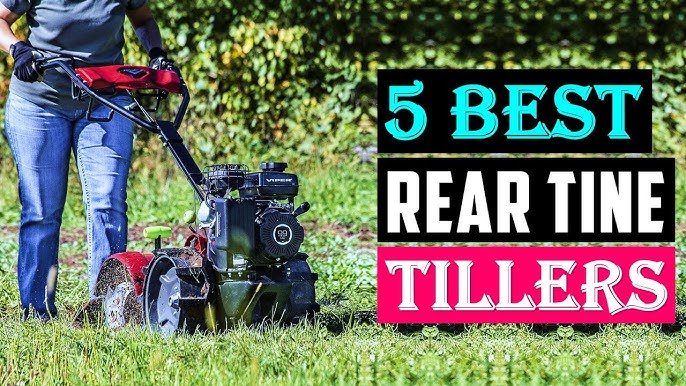
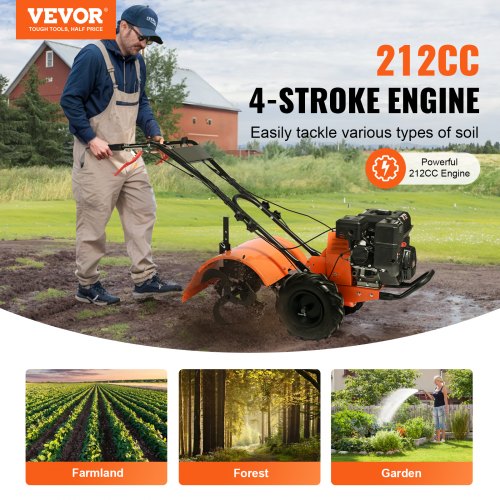
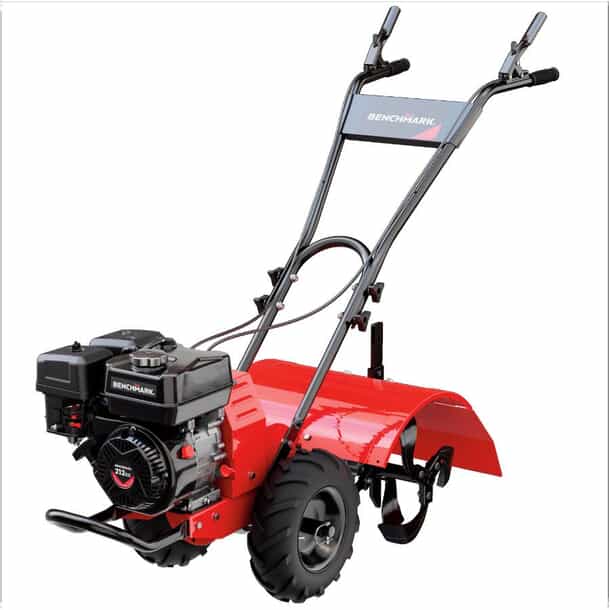
Rear tine tillers are a popular choice for gardeners and farmers. They are strong machines that break up soil for planting.
This type of tiller has tines located at the back. These tines help turn the soil deeply and evenly.
Design And Build
Rear tine tillers have a sturdy frame made of steel. This makes them durable and able to handle tough soil.
The tines are placed behind the wheels. This design helps the tiller move forward while digging deep into the soil.
- Strong steel frame
- Tines positioned behind wheels
- Heavyweight for stability
- Engine mounted above tines
Tilling Depth And Width
Rear tine tillers can till soil deeper than front tine models. They can reach depths of up to 12 inches.
The tilling width is usually wider too. This means they cover more ground in less time.
- Tilling depth up to 12 inches
- Tilling width ranges from 12 to 24 inches
- Adjustable depth settings
- Wide coverage for large areas
Maneuverability And Control
Rear tine tillers are easier to control on tough soil. The rear tines pull the machine forward steadily.
They often come with handlebars and multiple speed settings. This helps users adjust power and direction.
- Handlebars for easy steering
- Multiple speed options
- Rear tines improve traction
- Better control on hard soil
Performance Comparison
Front tine and rear tine tillers both help prepare soil for planting. They work differently and suit different tasks. Understanding their performance helps you pick the right tool.
This comparison covers soil types and conditions, power and efficiency, and ease of use for both tillers.
Soil Types And Conditions
Front tine tillers work best in soft to medium soil. They are good for light garden beds and small areas. Rear tine tillers handle hard, compact, or rocky soil well. They dig deeper and break tough ground faster.
- Front tine tillers are ideal for loose or sandy soil.
- Rear tine tillers work well in clay and heavy soil.
- Rear tine tillers manage large plots and rough terrain better.
- Front tine tillers are better for raised beds and delicate soil.
Power And Efficiency
Rear tine tillers usually have stronger engines. They cover more ground with less effort. Front tine tillers have smaller engines and are less powerful. This makes them suitable for lighter jobs.
| Feature | Front Tine Tiller | Rear Tine Tiller |
| Engine Power | Less powerful | More powerful |
| Soil Penetration | Shallow | Deep |
| Work Speed | Slower | Faster |
| Fuel Efficiency | Moderate | Lower due to power |
| Best for | Small gardens | Large gardens and farms |
Ease Of Use
Front tine tillers are lighter and easier to steer. They are a good choice for beginners. Rear tine tillers are heavier and require more strength to control. They often have reverse gears that help maneuver in tight spaces.
- Front tine tillers weigh less and are easy to handle.
- Rear tine tillers can be harder to control but offer better traction.
- Reverse gear on rear tine models helps with turning.
- Front tine models work well in small or raised garden beds.
Maintenance And Durability
Choosing between a front tine and rear tine tiller involves understanding their upkeep. Both types require regular care to last long and work well.
This section explains common wear and tear, maintenance needs, and how long each tiller type usually lasts.
Common Wear And Tear
Front tine tillers often face wear on their tines and belts. Rear tine tillers mainly wear down their tines and transmission parts. Dirt and rocks cause most damage.
- Front tine tines dull faster in rocky soil.
- Rear tine tillers have stronger transmissions but still need checks.
- Belts on front tine models may stretch or break over time.
- Both types need tine sharpening to keep working well.
Maintenance Requirements
Both tillers need oil changes and air filter cleaning. Front tine tillers require more frequent belt inspections. Rear tine models need regular transmission oil checks.
| Maintenance Task | Front Tine Tiller | Rear Tine Tiller |
| Tine sharpening | Every 10 hours | Every 15 hours |
| Belt inspection | Monthly | Not applicable |
| Oil change | Every 25 hours | Every 25 hours |
| Transmission oil check | Not applicable | Monthly |
| Air filter cleaning | Every 10 hours | Every 10 hours |
Longevity
Rear tine tillers usually last longer due to stronger parts. Front tine tillers suit smaller jobs but wear out faster with heavy use.
- Rear tine tillers can last 10 years or more with care.
- Front tine tillers often last 5 to 7 years.
- Proper storage extends the life of both tillers.
- Using the tiller as recommended prevents early breakdowns.
Best Uses For Front Tine Tillers
Front tine tillers have tines in front of the machine. They pull the soil toward them as they move. This design makes them lighter and easier to control.
They work well for small jobs and delicate soil. Below are some good uses for front tine tillers.
Small Gardens And Raised Beds
Front tine tillers are perfect for small gardens and raised beds. Their size fits well in tight spaces. They loosen soil without damaging nearby plants or structures.
Light Soil Preparation
These tillers work best in light or medium soil. They break up clumps and mix soil gently. This helps prepare the ground for planting seeds or seedlings.
- Loosen soil surface
- Mix in compost or fertilizer
- Prepare seedbeds
- Keep soil texture light
Weed Control
Front tine tillers help control weeds by disturbing their roots. They work best on small, shallow-rooted weeds. This keeps the soil healthy and ready for crops.
| Weed Type | Effectiveness | Notes |
| Annual Weeds | High | Easy to uproot |
| Perennial Weeds | Medium | May need repeat tilling |
| Deep-rooted Weeds | Low | Use other methods |
Credit: www.homehardware.ca
Best Uses For Rear Tine Tillers
Rear tine tillers are strong and built for tough jobs. They work well in big gardens and hard soil.
This guide explains where rear tine tillers work best. You will learn about their uses in different garden tasks.
Large Gardens And Heavy Soil
Rear tine tillers have powerful engines. They can handle large areas without tiring quickly.
They dig deep and turn heavy soil better than front tine tillers. This saves time and effort.
- Good for gardens larger than half an acre
- Works well in clay or compacted soil
- Handles thick roots and rocks with ease
Deep Tilling Tasks
Rear tine tillers dig deeper into the soil than front tine models. This helps prepare the land better.
Deep tilling mixes nutrients and loosens hard soil layers. This improves water flow and root growth.
- Breaks up compacted soil layers
- Mixes in compost or fertilizer thoroughly
- Prepares soil for planting deep-rooted plants
Breaking New Ground
Rear tine tillers are strong enough to break new ground. They clear grass, weeds, and tough roots fast.
This makes them ideal for starting new garden beds or turning unused land into farmland.
- Clears old grass and roots
- Prepares fresh soil for planting
- Helps turn fallow land into garden space
Cost And Value Comparison
Choosing between a front tine and rear tine tiller depends on many factors. Cost and value are important to think about. This guide looks at the main costs and returns for each type.
Understanding the initial price, running costs, and resale value helps you make a smart choice. Read on to see how these tillers compare in these areas.
Initial Investment
Front tine tillers usually cost less to buy. They are smaller and simpler in design. Rear tine tillers tend to be more expensive. They have bigger engines and more parts.
- Front tine tillers: $300 to $700
- Rear tine tillers: $700 to $1500
- Rear tine machines offer more power for tough jobs
- Front tine models suit small gardens and light work
Operational Costs
Running a tiller means spending on fuel, maintenance, and repairs. Rear tine tillers use more fuel because of their size and power. Front tine tillers cost less to run but may need more frequent repairs in tough soil.
| Cost Type | Front Tine Tiller | Rear Tine Tiller |
| Fuel Consumption | Lower | Higher |
| Maintenance Frequency | Medium | Lower |
| Repair Costs | Medium | Higher |
Resale Value
Rear tine tillers keep their value better. They are more durable and last longer. Front tine tillers lose value faster but cost less upfront.
- Rear tine tillers sell for about 60% of original price after 5 years
- Front tine tillers sell for about 40% of original price after 5 years
- Condition and brand also affect resale value
Choosing The Right Tiller
Picking the right tiller can make gardening easier and more fun. Front tine and rear tine tillers work differently. Knowing which one fits your garden helps you get better results.
Think about what your garden needs before choosing a tiller. Size, soil type, and how you plan to use it matter. This guide helps you decide between front tine and rear tine tillers.
Assessing Garden Needs
Look at the size of your garden and the soil type. Front tine tillers work well for small gardens and light soil. Rear tine tillers are better for larger gardens and tough soil.
Think about what tasks you want to do. If you want to break hard ground or mix compost deep, rear tine tillers are stronger. For light weeding and soil mixing, front tine works fine.
- Small gardens and soft soil: Front tine tiller
- Large gardens and hard soil: Rear tine tiller
- Light tasks: Front tine tiller
- Heavy tasks: Rear tine tiller
Budget Considerations
Front tine tillers usually cost less than rear tine models. They are lighter and simpler. Rear tine tillers cost more but last longer and handle tough jobs better.
Think about how often you will use the tiller. If you garden a little, a front tine tiller may be enough. If you garden often or have big areas, a rear tine tiller is a good investment.
- Lower cost: Front tine tiller
- Higher cost: Rear tine tiller
- Light use: Front tine tiller
- Heavy use: Rear tine tiller
Future Gardening Plans
Think about how your garden might grow. If you plan to expand or plant new types, you may need a stronger tiller. Rear tine tillers handle bigger gardens better.
If you want to keep your garden small or do light tasks, a front tine tiller fits well. Planning ahead helps you avoid buying a new tiller too soon.
- Garden expansion: Rear tine tiller
- Light maintenance: Front tine tiller
- More soil work: Rear tine tiller
- Simple tasks: Front tine tiller
Credit: www.gnedi.com
Frequently Asked Questions
What Is The Difference Between Front Tine And Rear Tine Tillers?
Front tine tillers have tines in front and are lighter, ideal for small gardens. Rear tine tillers have tines at the back, providing more power and deeper soil penetration for larger areas.
Which Tiller Is Better For Hard Soil Conditions?
Rear tine tillers are better for hard soils. Their design offers stronger torque and deeper tilling, making them suitable for tough, compacted ground.
Are Front Tine Tillers Easier To Maneuver?
Yes, front tine tillers are easier to maneuver. They are lighter and more compact, perfect for tight spaces and beginner gardeners.
Can Rear Tine Tillers Handle Large Garden Areas?
Absolutely. Rear tine tillers are designed for larger gardens and heavy-duty tasks. They cover more ground efficiently and break up tough soil easily.
Conclusion
Choosing between front tine and rear tine tillers depends on your soil and needs. Front tine tillers work well in soft, small gardens. Rear tine tillers handle tough, large areas with ease. Both types help prepare soil for planting. Think about your garden size and soil type before deciding.
This way, you pick the tool that fits best. Tilling your soil right makes gardening easier and more fun. So, choose wisely and enjoy a healthy garden.

