
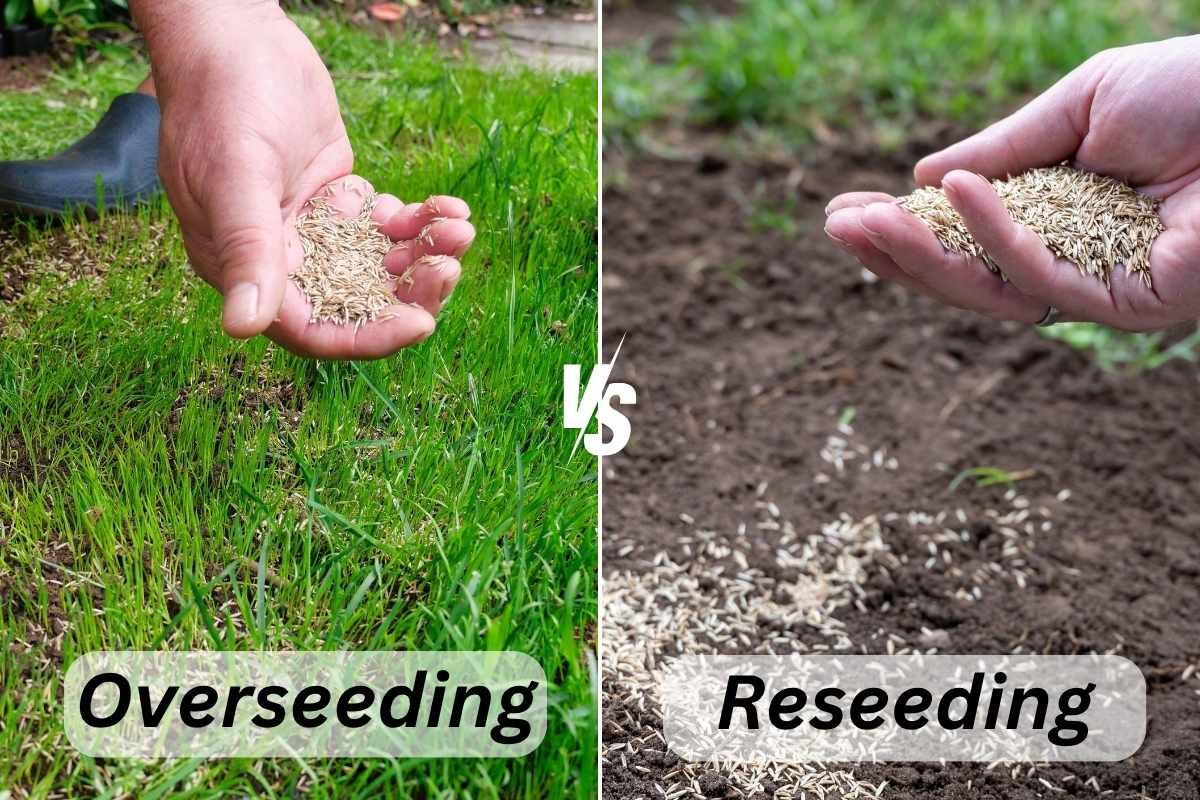
Are you puzzled about whether to seed your lawn before or after dethatching? You’re not alone.
Many homeowners find themselves scratching their heads over the best time to plant grass seeds in relation to dethatching. This decision can significantly impact the health and appearance of your lawn. By understanding the right timing, you can achieve a lush, green carpet that not only boosts your home’s curb appeal but also gives you a sense of pride every time you look out your window.
We’ll unravel the mystery and guide you through the process, so you can make an informed decision and transform your lawn into the envy of the neighborhood. Keep reading to uncover the secrets to a thriving lawn.

Credit: www.youtube.com
Dethatching Basics
Dethatching is an important lawn care task. It helps your grass stay healthy and grow well.
This process removes a layer of dead grass and roots from the soil surface. It lets water and nutrients reach the roots better.
What Is Dethatching
Dethatching means removing the thick layer of dead grass, stems, and roots. This layer is called thatch. It builds up between the soil and green grass.
- Thatch blocks water and air from reaching roots.
- Too much thatch makes grass weak and patchy.
- Dethatching clears this layer to help grass grow.
- You can dethatch using special rakes or machines.
Signs Your Lawn Needs Dethatching
Look for these signs to know if your lawn needs dethatching.
| Sign | Description |
| Spongy Lawn | The grass feels soft and springy underfoot. |
| Poor Water Drainage | Water sits on the lawn for a long time after rain. |
| Thin Grass | Grass looks weak and patchy in many areas. |
| Excessive Thatch Layer | The thatch layer is thicker than 1/2 inch. |

Credit: www.jclandscapingllc.com
Seeding Essentials
Seeding your lawn is important for healthy grass growth. Knowing when to seed around dethatching makes a big difference.
Dethatching removes dead grass and helps new seeds grow better. Let’s look at the basics of seeding before or after dethatching.
Types Of Grass Seeds
Picking the right grass seed depends on your climate and lawn needs. Some seeds grow fast, while others are tough and last long.
- Cool-season grasses: These grow best in cooler weather and include fescue, ryegrass, and bluegrass.
- Warm-season grasses: These like hot weather and include Bermuda, zoysia, and centipede grass.
- Mixes: Combining seeds helps your lawn stay green all year.
Best Time To Seed
The best time to seed depends on your grass type. Seeding at the right time helps seeds grow strong roots.
For cool-season grasses, seed in early fall or spring. For warm-season grasses, seed in late spring or early summer.
- Seed after dethatching to give seeds good soil contact.
- Prepare the soil by raking lightly after dethatching.
- Water seeds gently and keep soil moist for weeks.
Seeding Before Dethatching
Seeding before dethatching means spreading grass seeds before you remove the dead grass layer. This helps new seeds settle into the soil better.
This method can help your lawn grow thicker and healthier if done correctly.
Advantages
Seeding before dethatching allows seeds to get close to the soil. This increases the chance that seeds will sprout and grow well.
Dethatching after seeding helps remove dead grass that blocks sunlight and water. This helps the new grass get more nutrients.
- Seeds contact soil early for better germination
- Dethatching clears dead grass and debris
- Improves water and nutrient access for new grass
- Can lead to a denser and healthier lawn
Potential Drawbacks
Seeding before dethatching can damage new seeds if the dethatching tool is too harsh. This might reduce seed growth.
Also, dethatching after seeding can move seeds away from the soil or bury them too deep. This lowers seed contact with the soil.
- New seeds may be damaged by dethatching tools
- Seeds can be pushed too deep or blown away
- Uneven seed distribution after dethatching
- May slow down seed germination

Credit: www.reddit.com
Seeding After Dethatching
Dethatching removes dead grass and debris from your lawn. Seeding after dethatching helps new grass grow better. The soil is more open, so seeds can reach it easily.
Planting seeds after dethatching can improve the lawn’s health and fill in bare spots. It gives the grass a fresh start for the growing season.
Benefits
Seeding after dethatching offers many advantages. It helps seeds get good contact with soil. This improves germination rates and seedling growth.
- Better seed-to-soil contact increases sprouting chances.
- Removes debris blocking sunlight and water from seeds.
- Improves air circulation around new grass roots.
- Encourages deeper root growth for stronger grass.
- Allows quick repair of damaged or thin lawn areas.
Challenges To Consider
Seeding after dethatching also has some challenges. You must prepare the soil well and protect seeds from drying out or being eaten by birds.
| Challenge | How to Manage |
| Soil dries quickly | Keep soil moist with regular light watering |
| Birds eat seeds | Use bird netting or cover seeds lightly with soil |
| Seed washing away | Seed right after dethatching on calm days |
| Uneven seed distribution | Use a spreader for even seed spread |
Expert Lawn Care Tips
Deciding whether to seed before or after dethatching can affect your lawn’s health. Proper timing helps grass grow strong and thick.
This guide explains soil preparation, watering, and common mistakes to avoid for the best results.
Preparing Soil For Seeding
Dethatching removes dead grass and debris that block seeds from reaching soil. It is best to dethatch before seeding.
After dethatching, loosen the soil with a rake or aerator. This helps seeds settle in and grow roots.
- Remove thatch carefully to avoid soil damage
- Rake soil lightly to create a smooth seedbed
- Test soil pH and adjust if needed
- Use quality seed that matches your grass type
Watering And Maintenance
Keep the soil moist but not soaked after seeding. Water lightly several times a day at first.
Reduce watering as grass seeds sprout and grow stronger. Avoid overwatering that can wash seeds away.
| Time After Seeding | Watering Frequency | Water Amount |
| First 2 weeks | 3-4 times daily | Light, enough to keep soil damp |
| Weeks 3-4 | Once daily | Moderate, deeper watering |
| After 4 weeks | Every 2-3 days | Deep watering to encourage roots |
Avoiding Common Mistakes
Many people seed too soon or too late after dethatching. This lowers seed success rates.
- Seed after dethatching, not before
- Do not let soil dry out after seeding
- Avoid heavy foot traffic on new seed
- Do not apply fertilizer immediately after seeding
- Wait for grass to grow before mowing
Choosing The Best Approach
Deciding whether to seed before or after dethatching affects your lawn’s health. Each method has benefits depending on your lawn’s condition and type.
Understanding key factors helps you pick the right timing for seeding and dethatching. This guide explains what to consider and how to adapt to your lawn.
Factors To Evaluate
Look at soil condition, grass type, and weather before choosing seeding time. These factors affect seed growth and lawn recovery.
- Soil Moisture:Wet soil after dethatching can help seed germination.
- Thatch Thickness:Thick thatch may block seeds if you seed before dethatching.
- Grass Growth Cycle:Seeding during active growth improves success.
- Weather Forecast:Avoid seeding before heavy rain or drought.
Tailoring To Your Lawn Type
Different grasses need different care. Cool-season and warm-season grasses respond well to different seeding and dethatching schedules.
| Lawn Type | Best Time to Seed | Recommended Dethatching Time |
| Cool-Season Grass | After dethatching in early fall | Early fall or early spring |
| Warm-Season Grass | Before dethatching in late spring | Late spring or early summer |
| New Lawns | Seed after dethatching for better soil contact | Before seeding to remove debris |
Frequently Asked Questions
Should I Seed Before Or After Dethatching My Lawn?
It’s best to dethatch first, then seed. Dethatching removes dead grass and debris, allowing seeds better soil contact and growth.
How Long After Dethatching Can I Seed?
Wait about 1 to 2 days after dethatching before seeding. This gives the soil time to settle for optimal seed germination.
Can I Seed And Dethatch On The Same Day?
Seeding and dethatching on the same day is not ideal. Dethatching disturbs the soil, which can hinder seed germination if done immediately.
Why Is Dethatching Important Before Seeding?
Dethatching removes thick layers of dead grass and thatch. This improves air, water, and nutrient access, helping new seeds grow strong and healthy.
Conclusion
Seeding after dethatching helps new grass grow strong and healthy. Removing thatch clears space for seeds to reach soil easily. This method improves water and nutrient absorption too. Doing it the right way saves time and effort later. Your lawn will look greener and feel softer.
Remember, good timing makes a big difference in lawn care. Try dethatching first, then seed for best results. Watch your lawn thrive with simple steps and patience.

