
Navigating a wheelbarrow through tight spaces can feel like trying to solve a tricky puzzle. You’re not alone if you’ve found yourself wrestling with this common gardening and construction challenge.
Whether you’re transporting soil in your backyard or moving materials on a bustling worksite, mastering the art of wheelbarrow maneuvering can save you time and frustration. Imagine the ease and confidence you’ll feel when you can glide smoothly through narrow paths without a hitch.
Stick with us, and you’ll discover simple, practical tips that will transform your wheelbarrow experience from cumbersome to seamless. Ready to unlock the secrets to effortless maneuvering? Let’s dive in!
Credit: www.garant.com
Choosing The Right Wheelbarrow
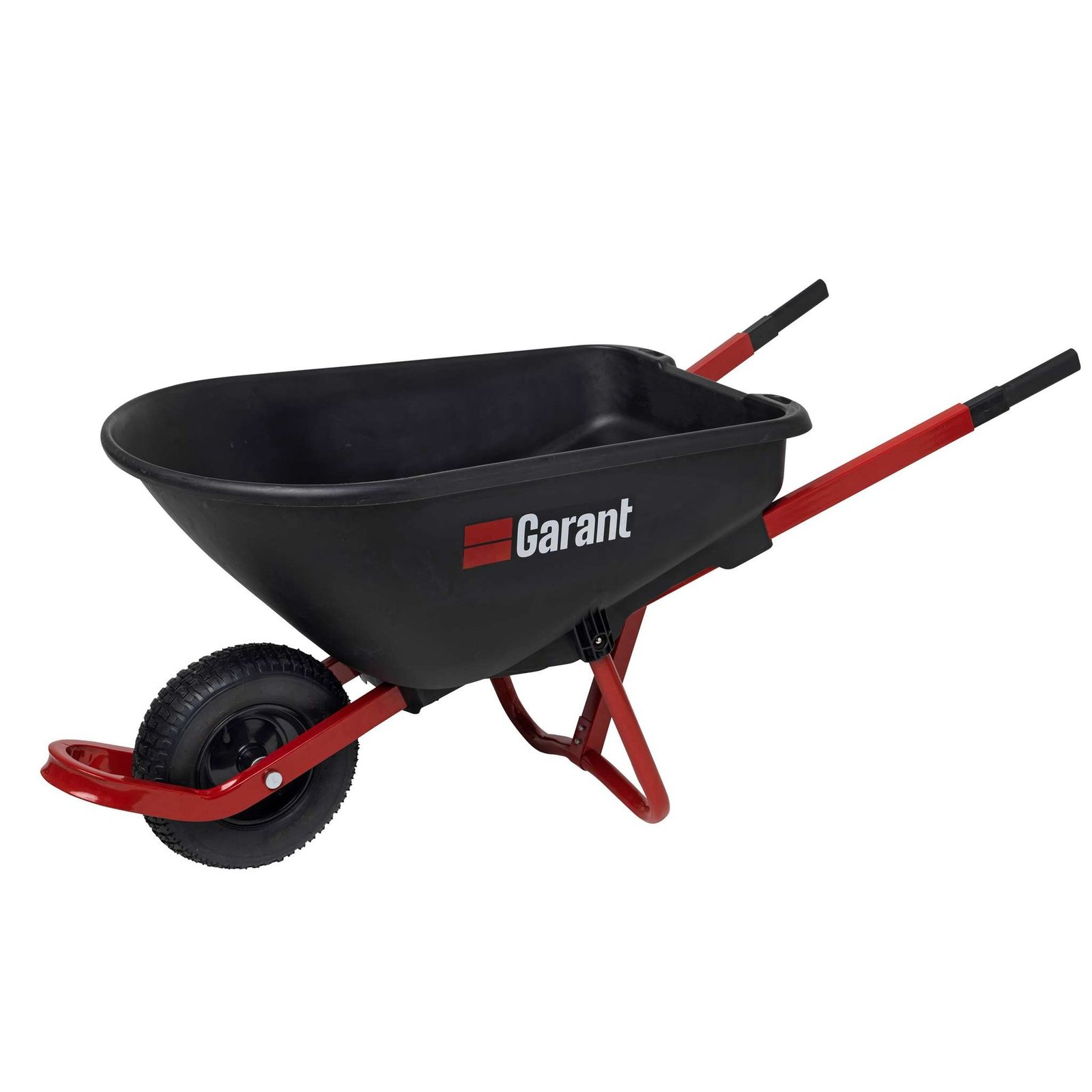
Moving a wheelbarrow in tight spaces can be tricky. Picking the right wheelbarrow helps you work easier and safer.
Think about size, weight, and wheel type before buying. These factors make a big difference in small areas.
Size And Design Considerations
Choose a wheelbarrow with a compact size to fit narrow paths. A slim design helps you move around corners easily.
Look for a wheelbarrow with a low profile. This design lowers the center of gravity and improves balance in tight spots.
- Smaller trays fit better in narrow spaces
- Handles with good grip give more control
- Single-wheel models turn easier in tight areas
Weight And Load Capacity
Pick a wheelbarrow that is light enough to push easily. Heavy wheelbarrows are harder to maneuver in small spaces.
Check the load capacity to match your needs. Overloading makes it tough to steer and control the wheelbarrow.
- Lightweight materials like aluminum help with easy handling
- Choose load capacity based on typical weight you carry
- Balance between weight and strength is key
Wheel Types And Their Benefits
Wheel type affects how well you can move the wheelbarrow in tight spots. Each wheel type offers unique benefits.
Single pneumatic wheels give good shock absorption. Solid wheels need less maintenance and work well on hard surfaces.
- Single pneumatic wheels: easy to turn, good on rough ground
- Solid rubber wheels: no flats, stable on smooth surfaces
- Two-wheel designs: more stable but harder to steer in tight spaces
Preparing For Tight Space Navigation
Maneuvering a wheelbarrow in tight spaces takes care and planning. You must get ready before moving through narrow areas.
Proper preparation helps avoid accidents and makes work easier. Focus on clearing the way, planning your route, and balancing the load.
Clearing The Pathway
Remove any obstacles in the wheelbarrow’s path. Check for rocks, branches, or tools that block the way. A clear path lets you move smoothly without stopping.
- Pick up loose items on the ground
- Trim low-hanging branches or plants
- Fix uneven surfaces if possible
- Mark narrow spots to watch closely
Planning Your Route
Think about the best way to move through the tight space. Choose the route with the least turns and obstacles. Plan how to turn the wheelbarrow safely.
| Route Option | Benefits | Challenges |
| Straight Path | Quick and easy | May have tight spots |
| Wider Path | More room to turn | Longer distance |
| Shorter Path | Less walking | Narrower spaces |
Balancing The Load Properly
Keep the wheelbarrow balanced to avoid tipping. Place heavier items near the wheel. Spread the weight evenly on both sides.
- Do not overload one side
- Secure loose items with straps if needed
- Check balance before moving
- Adjust the load if the wheelbarrow feels unstable
Techniques For Maneuvering
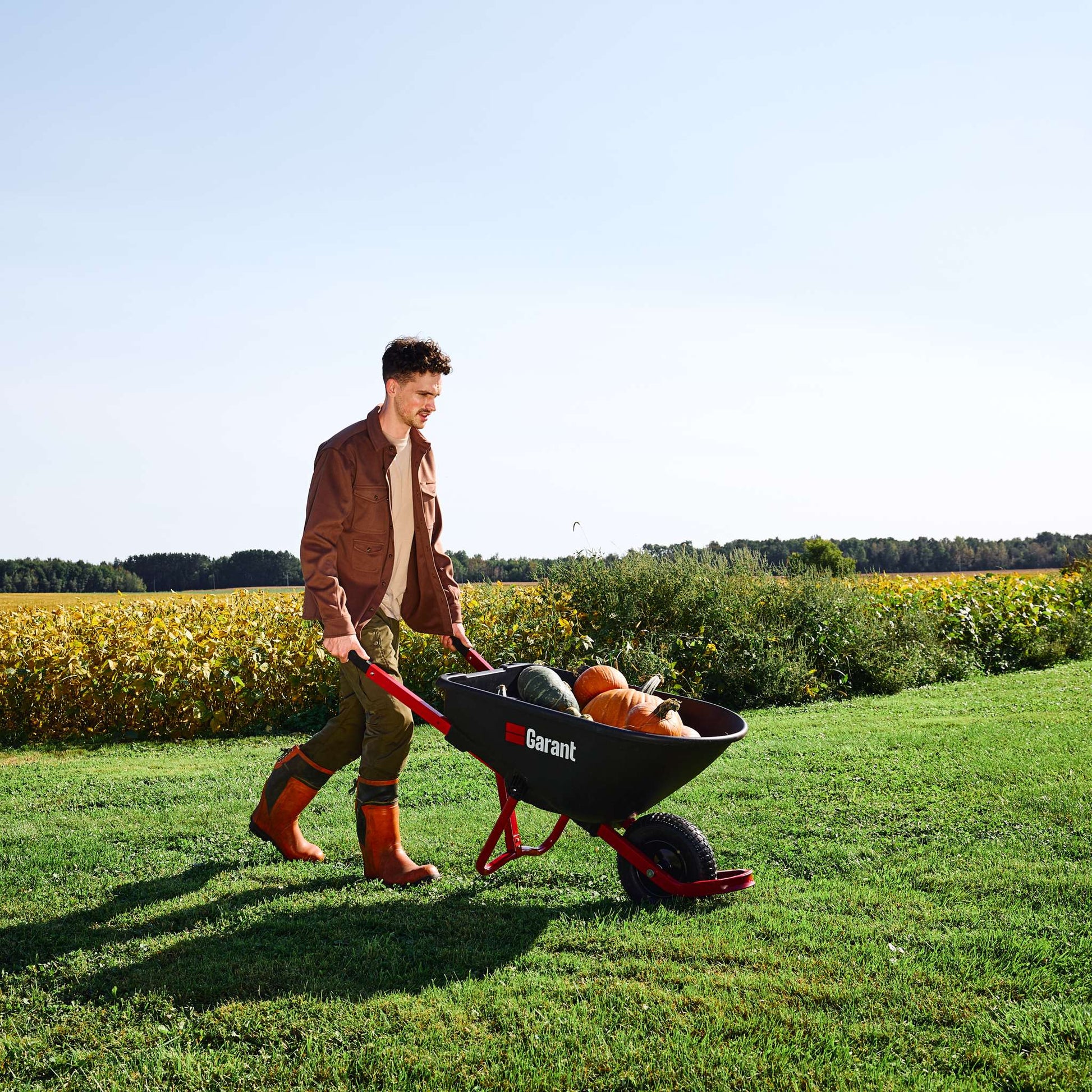
Maneuvering a wheelbarrow in tight spaces can be tricky. You need control and balance to avoid bumps and spills.
Using the right techniques helps you move smoothly and safely. It also saves time and effort.
Using Body Position To Steer
Your body position affects how well you steer the wheelbarrow. Keep your feet shoulder-width apart for balance.
Lean slightly toward the direction you want to go. Use your arms and shoulders to guide the handles gently.
- Bend your knees to lower your center of gravity
- Keep your back straight to avoid strain
- Use your whole body, not just your hands, to steer
Controlling Speed And Momentum
Control your speed to avoid losing control in small spaces. Move slowly and steadily for better handling.
Use momentum carefully. Too much speed can cause the wheelbarrow to tip or hit obstacles.
- Start and stop smoothly to prevent jerks
- Keep a steady pace when moving forward
- Slow down before turns or narrow spots
Turning And Backing Up Strategies
Turning in tight spaces requires small, controlled movements. Push one handle more than the other to pivot.
Backing up needs extra caution. Look behind you and move slowly to avoid hitting anything.
- Use short, gentle pushes to turn
- Keep your eyes on the path when reversing
- Take wide turns if space allows
Credit: www.garant.com
Handling Common Challenges
Maneuvering a wheelbarrow in tight spaces can be tricky. You must be careful to avoid tipping or getting stuck. Understanding how to handle common challenges helps you work safely and smoothly.
This guide covers key issues like uneven surfaces, obstacles, and limited visibility. Each section offers tips to help you move your wheelbarrow with ease.
Dealing With Uneven Surfaces
Uneven ground can make your wheelbarrow tip or get stuck. Take small, steady steps to keep balance. Keep the load centered to avoid spills. Use your strength to push forward without rushing.
- Check the path before you start pushing
- Lower the load for better balance
- Use both hands to hold the handles firmly
- Take wider turns to avoid bumps
- Slow down on slopes or rough patches
Navigating Around Obstacles
Obstacles like rocks, plants, or tools block your path. Plan your route to avoid these objects. When needed, lift the wheelbarrow slightly to go over small obstacles. Be patient and move carefully.
| Obstacle Type | Recommended Action |
| Small Rocks | Lift wheelbarrow over slowly |
| Garden Plants | Steer around carefully |
| Tools on Ground | Move tools or choose another path |
| Low Hedges | Turn wheelbarrow sideways |
Adjusting For Limited Visibility
Sometimes your view is blocked by the load or tight corners. Use these tips to stay safe and keep control:
- Keep the load low to see over it
- Walk slowly and listen for sounds
- Ask for help if you cannot see the path
- Use mirrors or cameras if available
- Clear the path before moving
Safety Tips For Tight Space Use
Maneuvering a wheelbarrow in tight spaces needs care and attention. Safety is important to avoid accidents and injuries.
This guide covers key safety tips to help you work safely in small areas with your wheelbarrow.
Wearing Proper Protective Gear
Always wear the right protective gear before using a wheelbarrow in tight spaces. This keeps you safe from bumps and spills.
- Wear sturdy gloves to protect your hands from blisters and cuts.
- Use closed-toe shoes with good grip to avoid slipping.
- Wear long pants and long sleeves to protect skin from scratches.
- Consider safety goggles if you are working with dusty or flying debris.
Maintaining Wheelbarrow Condition
Check your wheelbarrow often. Good condition makes it easier and safer to use in narrow areas.
| Part | What to Check | Why It Matters |
| Wheel | Air pressure and wear | Ensures smooth movement and balance |
| Handles | Secure grip and no cracks | Prevents slipping and loss of control |
| Tray | Clean and no rust | Holds loads safely without breaking |
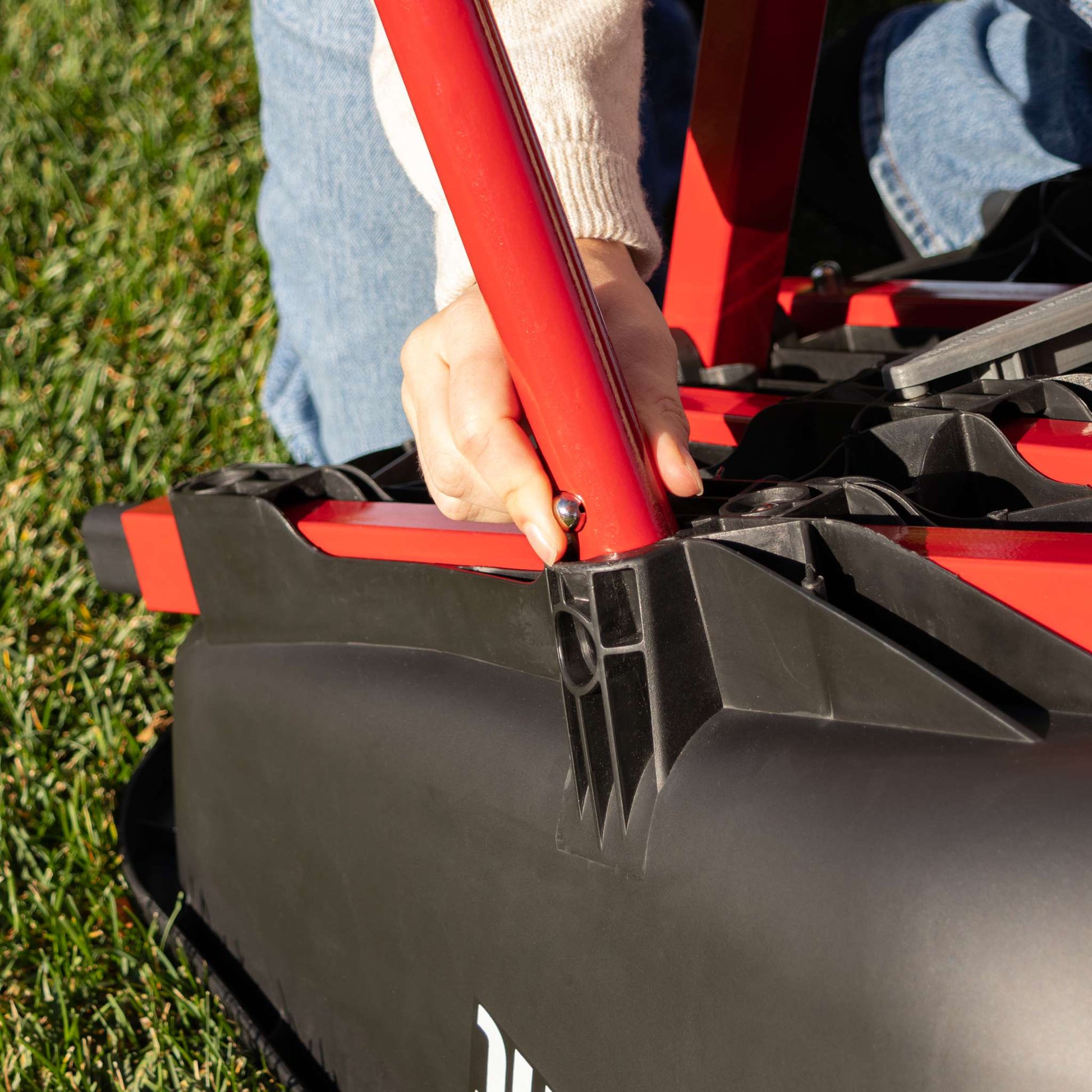
| Fasteners | Tight and not loose | Keeps parts together during use |
Avoiding Overloading
Do not put too much weight in the wheelbarrow. Overloading makes it hard to control in small spaces.
- Know the weight limit of your wheelbarrow.
- Load smaller amounts to keep balance.
- Distribute weight evenly inside the tray.
- Use a helper if the load is heavy or bulky.
Advanced Tips From Experts
Maneuvering a wheelbarrow in tight spaces can be tough. Experts share tips to help you handle it safely and easily.
These tips focus on teamwork, tools, and practice to improve your control and reduce strain.
Using Two-person Assistance
Having two people can make moving a wheelbarrow in narrow spots safer. One person steers while the other helps balance.
This teamwork reduces the risk of tipping and makes it easier to turn or back up in small areas.
- One person holds the handles firmly
- The second person steadies the wheelbarrow from the side
- Communicate clearly to coordinate movements
Employing Additional Tools
Using extra tools can help you maneuver better. Items like wheelbarrow ramps or rotating wheels improve control.
These tools reduce effort and avoid damage to floors or walls in tight spaces.
- Wheelbarrow ramps help with smooth transitions over thresholds
- Rotating wheels allow easier turning
- Protective mats prevent scratches and slips
Practicing Regular Maneuvering Drills
Practice moving your wheelbarrow in a safe area with obstacles. This builds your skill and confidence.
Frequent drills help you react quickly and keep balance in tight spots.
- Set up cones or markers to simulate narrow paths
- Practice slow turns and backing up
- Try different loads to feel weight changes
Credit: www.garant.com
Frequently Asked Questions
How Do I Steer A Wheelbarrow In Narrow Spaces?
To steer a wheelbarrow in narrow spaces, keep your movements slow and controlled. Use small, gentle turns and keep the load balanced to prevent tipping. Position the wheelbarrow’s handles close to your body for better control and leverage.
What Techniques Help Wheelbarrow Maneuverability In Tight Areas?
Use a pivoting technique by slightly lifting the front wheel and turning the handles. This allows sharper turns. Also, lighten the load to improve control. Plan your path ahead to avoid obstacles and reduce the need for sudden maneuvers.
How Can I Avoid Tipping When Turning A Wheelbarrow?
Distribute the load evenly and keep it low to maintain stability. Turn slowly and avoid sudden jerks. Use both hands firmly on the handles. If the wheelbarrow feels unstable, reduce the load and try again carefully.
What Wheelbarrow Types Are Best For Confined Spaces?
Choose wheelbarrows with a narrow frame and a single front wheel for better agility. Lightweight materials like aluminum improve handling. Some models have swivel wheels that enhance turning ability in tight areas.
Conclusion
Maneuvering a wheelbarrow in tight spaces takes practice and care. Keep your movements slow and steady for better control. Watch your path and clear obstacles before you start. Use your body to guide the wheelbarrow smoothly around corners. Small adjustments help avoid bumps and spills.
With patience, moving heavy loads in narrow spots becomes easier. Remember, safety always comes first. Try these tips during your next project. You will feel more confident and work faster in small areas. Simple steps make a big difference in handling your wheelbarrow well.

