
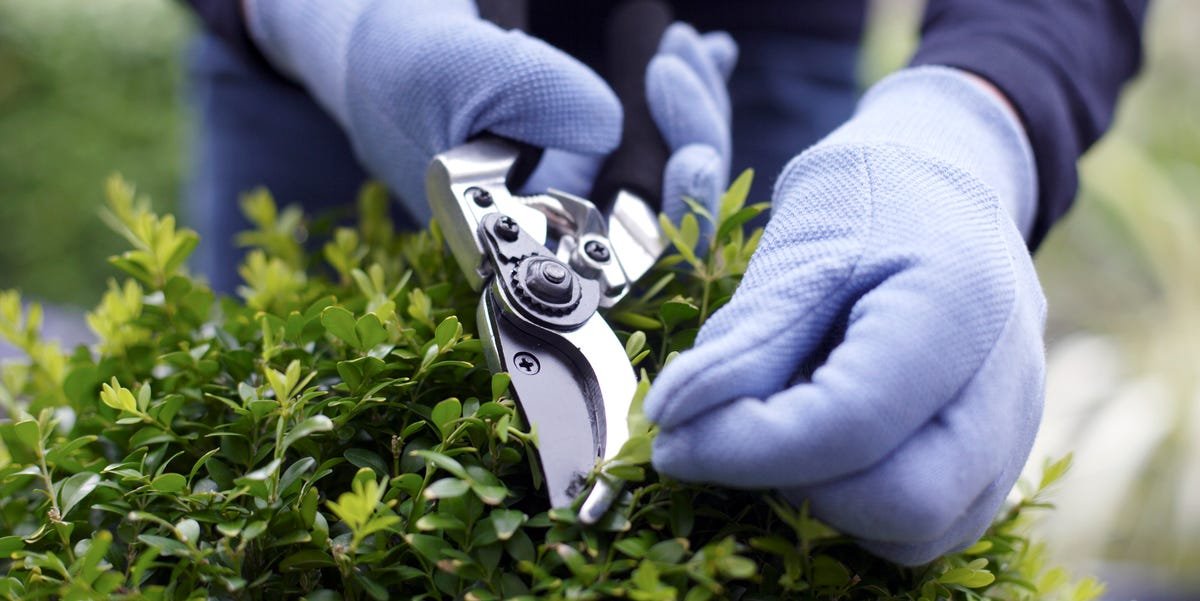
Are your bushes looking a little wild and unruly? Pruning them with shears might be just the solution you need.
It’s not only about keeping your garden tidy; it’s about giving your plants the best chance to thrive. Imagine walking through your garden and feeling proud of the neat, lush greenery surrounding you. This simple gardening task can transform your outdoor space into a place of beauty and relaxation.
Whether you’re a seasoned gardener or a beginner, you can easily master the art of pruning with the right techniques. Stick with us, and discover how you can turn your garden into a stunning landscape that will impress your friends and neighbors. Ready to dive in? Let’s get those shears in action!

Credit: www.housebeautiful.com
Choosing The Right Shears
Pruning bushes keeps them healthy and looking good. Choosing the right shears helps you prune safely and easily. The right tool makes your work faster and cleaner.
There are different types of shears for bushes. Each type fits certain jobs better. Knowing how to care for your shears also makes them last longer.
Types Of Shears For Bushes
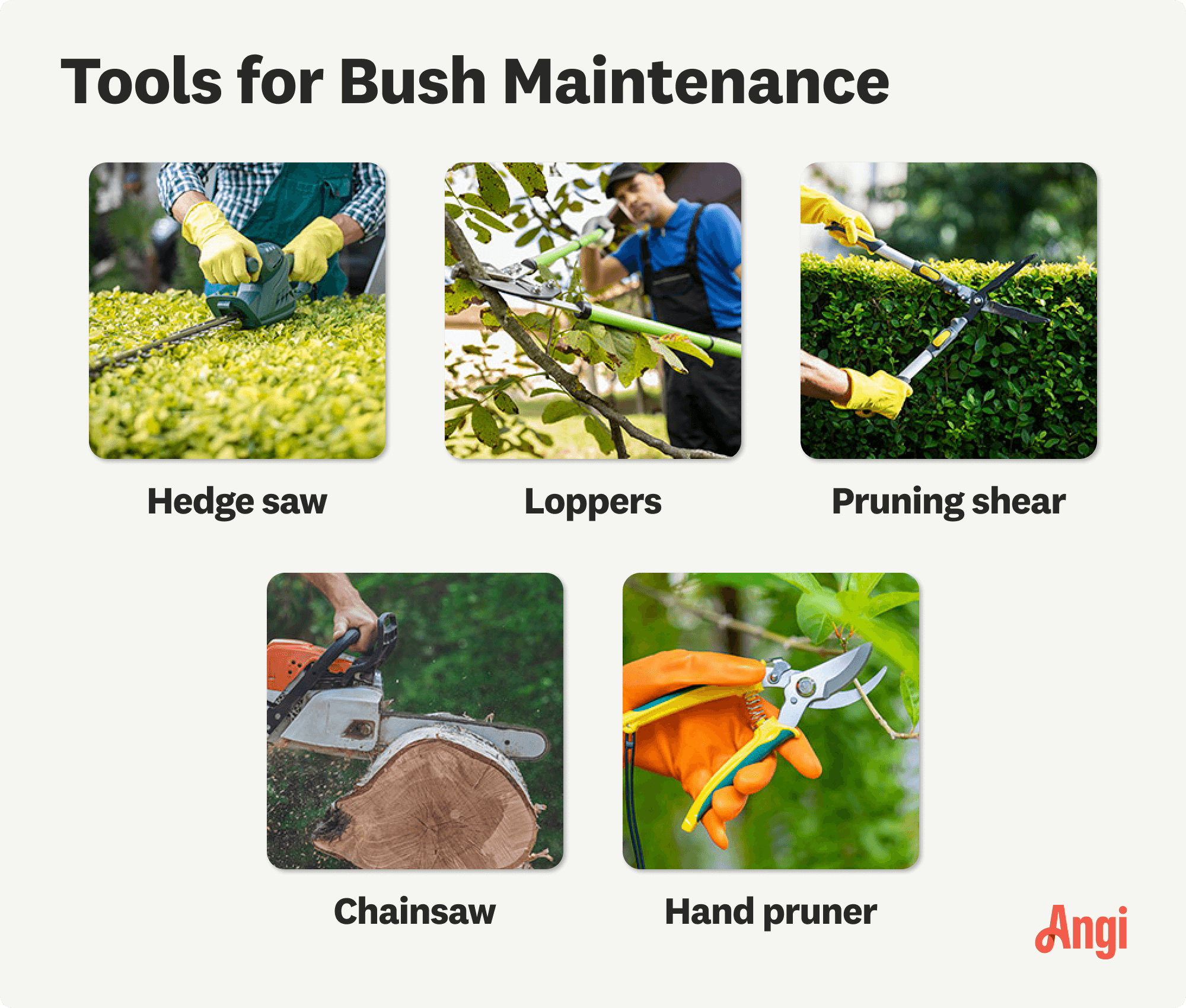
Shears come in many styles. Some are good for small branches. Others work better for thick or tough growth. Here are common types to consider:
- Hand Shears:Best for light trimming and shaping small bushes.
- Anvil Shears:Have a single blade that cuts against a flat surface; good for dry or dead wood.
- Bypass Shears:Use two sharp blades that slide past each other; ideal for live branches.
- Hedge Shears:Have long blades for trimming large areas evenly.
- Pruning Shears:Also called secateurs; great for cutting thin branches up to ¾ inch thick.
Shear Maintenance Tips
Good care keeps shears sharp and safe. Follow these tips to maintain your pruning tools:
| Maintenance Task | Why It Matters | How Often |
| Clean blades | Removes sap and dirt that dull blades | After each use |
| Sharpen blades | Keeps cuts clean and easy | Monthly or when blades feel dull |
| Oil joints | Prevents rust and keeps movement smooth | Weekly or after cleaning |
| Check screws | Keeps blades aligned and safe | Monthly |
When To Prune Bushes
Pruning bushes at the right time helps keep them healthy and looking good. Different bushes need pruning in different seasons. Knowing when to prune can improve growth and flowering.
We will look at the best times to prune your bushes and how to tell when they need trimming.
Seasonal Considerations
Each season affects bushes in different ways. Pruning at the right season helps plants recover and grow well.
- Spring:Prune early to remove dead branches and shape the bush before new growth starts.
- Summer:Light pruning can control size and remove any damaged growth.
- Fall:Avoid heavy pruning; remove only dead or diseased branches.
- Winter:Best time for pruning most bushes because they are dormant.
Signs Your Bush Needs Pruning
Look for these signs to decide if your bush needs pruning. Removing old or damaged parts helps the bush stay healthy.
| Sign | Reason to Prune |
| Dead or dry branches | Prevents disease and encourages new growth |
| Overgrown shape | Improves air flow and sunlight access |
| Crossing branches | Stops branches from rubbing and causing damage |
| Few flowers or leaves | Stimulates new buds and better blooms |
Preparing For Pruning
Pruning bushes helps keep them healthy and looking good. Before you start, it is important to prepare properly.
Good preparation makes pruning easier and safer. Follow these tips to get ready.
Safety Precautions
Always think about safety before using shears. Proper safety helps prevent injuries.
Wear gloves to protect your hands from cuts and scratches. Use eye protection to keep debris out of your eyes.
- Wear sturdy gloves
- Use safety glasses
- Wear long sleeves and pants
- Keep shears sharp and clean
- Work in daylight or good lighting
Setting Up Your Workspace
Clear the area around the bushes before you start. Remove any obstacles that could cause trips or falls.
Place a tarp or sheet on the ground to catch trimmed branches. Keep your tools nearby and easy to reach.
- Clear debris and clutter
- Lay down a tarp for easy cleanup
- Keep shears and tools within reach
- Make sure the ground is dry and stable
- Have a trash bag or bin ready
Credit: natureandsustainability.com
Basic Pruning Techniques
Pruning bushes helps keep them healthy and looking good. Using shears is an easy way to trim your bushes.
Learning basic pruning techniques can make your bushes grow better and stay neat.
How To Make Clean Cuts
Use sharp shears to cut branches smoothly. Clean cuts help the bush heal faster and avoid damage.
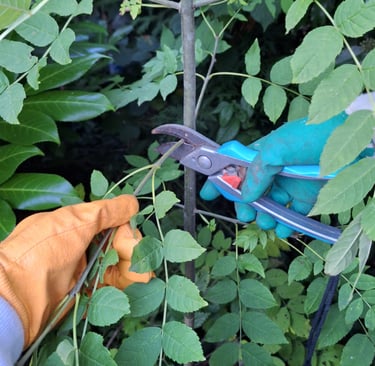
Cut at a slight angle just above a leaf or bud. This encourages new growth and stops water from collecting on the cut.
- Keep shears sharp and clean
- Make cuts about ¼ inch above a leaf or bud
- Cut at a 45-degree angle
- Remove dead or damaged branches first
Shaping Your Bush
Shape your bush by trimming outer branches evenly. This keeps the bush balanced and attractive.
Start by cutting back any branches that grow outside the desired shape. Keep the top narrower than the base for good sunlight.
- Decide the shape you want (round, flat, or natural)
- Trim branches that grow beyond this shape
- Cut slowly and step back often to check your work
- Leave some inner branches to keep the bush full
Advanced Pruning Tips
Pruning bushes with shears helps keep them healthy and looking good. Advanced pruning improves growth and prevents damage.
Using the right techniques makes pruning easier and more effective. Focus on removing bad branches and helping new growth.
Removing Dead Or Diseased Branches
Cut away dead or diseased branches to stop problems from spreading. These branches can harm the whole bush.
Look for branches that are dry, cracked, or have unusual spots. Remove them carefully with clean shears.
- Cut branches back to healthy wood
- Sterilize shears between cuts to avoid infection
- Dispose of diseased branches properly
Encouraging Healthy Growth
Trim bushes to open the center and let light reach all parts. This helps new leaves and branches grow strong.
Make cuts above a bud that faces outward. This guides the direction of new growth away from the center.
- Remove crowded branches to improve air flow
- Cut back long stems to encourage bushier growth
- Prune regularly to keep shape and size balanced
Credit: www.angi.com
Common Pruning Mistakes To Avoid
Pruning bushes with shears helps keep them healthy and attractive. Many gardeners make simple mistakes that harm plants. Avoid these errors for better growth.
This guide covers two common pruning mistakes: over-pruning risks and incorrect cutting angles. Learn what to watch out for.
Over-pruning Risks
Cutting too much from a bush can cause serious damage. Removing too many branches hurts the plant’s ability to make food.
- Weakens the bush and slows growth
- Exposes inner branches to sunburn
- Increases risk of disease and pests
- Reduces flowers and fruit production
- May cause the bush to die back
Prune only one-third of the bush at a time. This keeps it healthy and strong.
Incorrect Cutting Angles
Cutting branches at the wrong angle can harm the bush. Proper angles help water run off and heal cuts faster.
| Cut Angle | Effect |
| 45 degrees | Best for healthy healing |
| Flat (90 degrees) | Water collects, may cause rot |
| Too steep | Leaves a stub, slow healing |
Always cut just above a bud or branch. This helps the bush grow in the right direction.
Aftercare For Pruned Bushes
After pruning bushes with shears, proper care helps them grow strong. This care includes watering, feeding, and watching their recovery.
Good aftercare reduces stress on bushes and encourages healthy new growth.
Watering And Feeding
Water bushes deeply after pruning to help roots absorb moisture. Keep the soil moist but not soggy for the next few weeks.
- Water early in the morning or late in the evening
- Use mulch to keep soil moist and cool
- Apply a balanced fertilizer to support growth
- Avoid overfeeding, which can harm the plant
Monitoring Recovery
Check bushes regularly for signs of stress or disease. Look at leaves and new shoots to ensure healthy growth.
| Sign | What It Means | Action |
| Wilting leaves | Needs more water | Water deeply |
| Yellowing leaves | Possible nutrient deficiency | Apply fertilizer |
| Slow new growth | Plant under stress | Check watering and sunlight |
| Brown edges | Too much sun or wind damage | Provide shade or wind protection |
Frequently Asked Questions
How Often Should I Prune Bushes With Shears?
Prune bushes with shears once or twice a year. Early spring and late summer are ideal times. Regular trimming keeps bushes healthy and encourages growth. Avoid over-pruning, which can stress the plant.
What Tools Are Best For Pruning Bushes?
Sharp hand shears or bypass pruners work best for bushes. Choose tools that are clean and sharp for smooth cuts. This minimizes damage and promotes faster healing.
Can I Prune Bushes Any Time Of Year?
The best time to prune bushes is during dormant seasons. Early spring or late winter is ideal. Avoid heavy pruning in late fall to protect plants from winter damage.
How Do I Avoid Damaging Bushes When Pruning?
Make clean cuts at a 45-degree angle just above a bud. Avoid tearing or crushing branches. Use sharp shears and prune small sections at a time for precision.
Conclusion
Pruning bushes with shears keeps plants healthy and neat. Regular trimming helps bushes grow strong and full. Always use sharp shears for clean cuts. Cut at the right angle to avoid damage. Watch your plants carefully to know when to prune.
Taking time to prune improves your garden’s look. Small steps lead to big results over time. Enjoy the process and see your bushes thrive.
