
Have you ever stood in your garden, pruning shears in hand, wondering if you’re doing more harm than good? You love your plants, and you want them to thrive, but the question lingers: can over pruning kill plants?
You’re not alone in this dilemma. Many gardeners, both novice and experienced, face the same uncertainty. Understanding the delicate balance between helping your plants flourish and inadvertently causing them stress is crucial. This article will unravel the mysteries of pruning and help you discover the fine line between nurturing and harming your cherished greenery.
Ready to find out how to keep your garden lush and healthy without crossing that line? Keep reading, and let’s delve into the world of pruning together!
Effects Of Over Pruning
Over pruning can harm plants in many ways. It removes too many leaves and branches, which plants need to survive.
Cutting too much can cause serious problems for plant health and growth. It also makes plants weaker against pests and diseases.
Stress On Plant Health
Plants use leaves to make food through photosynthesis. Over pruning reduces the number of leaves available.
When plants lose too many leaves, they become stressed and struggle to get enough energy. This stress can slow down recovery.
Reduced Growth And Yield
Cutting off many branches lowers a plant’s ability to grow new shoots and flowers. This leads to less fruit or flowers.
Over time, plants may become smaller and produce fewer crops, which affects their overall health and usefulness.
Increased Vulnerability To Disease
Fresh cuts from heavy pruning are entry points for pests and diseases. The plant’s defenses are weaker when over pruned.
Open wounds take time to heal. During this period, harmful organisms can infect the plant and cause damage.
- More pruning wounds increase infection risk
- Weaker plants cannot fight off diseases well
- Infected plants grow slowly or die
Signs Over Pruning Has Harmed Your Plants
Over pruning can seriously damage your plants. Knowing the signs helps you save them early.
Watch for changes in leaves, growth rate, and branch health after pruning.
Wilting And Leaf Drop
Leaves may wilt or fall off soon after heavy pruning. This shows the plant is stressed.
- Leaves turn limp or curl
- Sudden leaf drop in large amounts
- Dry or brittle leaf edges
- Branches look bare quickly
Slow Or Stunted Growth
Your plant might grow slower or stop growing after too much pruning. New shoots may be weak.
| Growth Problem | Cause |
| Slow leaf development | Loss of too many leaves |
| Fewer new branches | Cutting main stems |
| Weak stems | Reduced energy from leaves |
Discolored Or Dead Branches
Branches that turn dark or dry up show damage from pruning cuts. These may die off.
Look for these signs on branches:
- Dark brown or black bark
- Brittle or cracked wood
- Branches that break easily
- Fungus or mold near cuts
Safe Pruning Practices
Pruning helps plants grow healthy and strong. Doing it safely keeps plants alive and thriving.
Over pruning can hurt or kill plants. Learn the best ways to prune without risk.
When To Prune For Best Results
Timing is important for pruning. Prune at the right time to avoid plant stress.
- Prune flowering plants after they bloom.
- Trim trees in late winter before new growth starts.
- Remove dead or damaged branches anytime.
- Avoid pruning during very hot or cold weather.
Proper Tools And Techniques
Use clean, sharp tools to make smooth cuts. This helps plants heal faster.
| Tool | Use | Care Tip |
| Pruning Shears | Small branches | Clean after each use |
| Loppers | Medium branches | Sharpen blades regularly |
| Pruning Saw | Large branches | Use slow, steady cuts |
How Much To Prune Without Risk
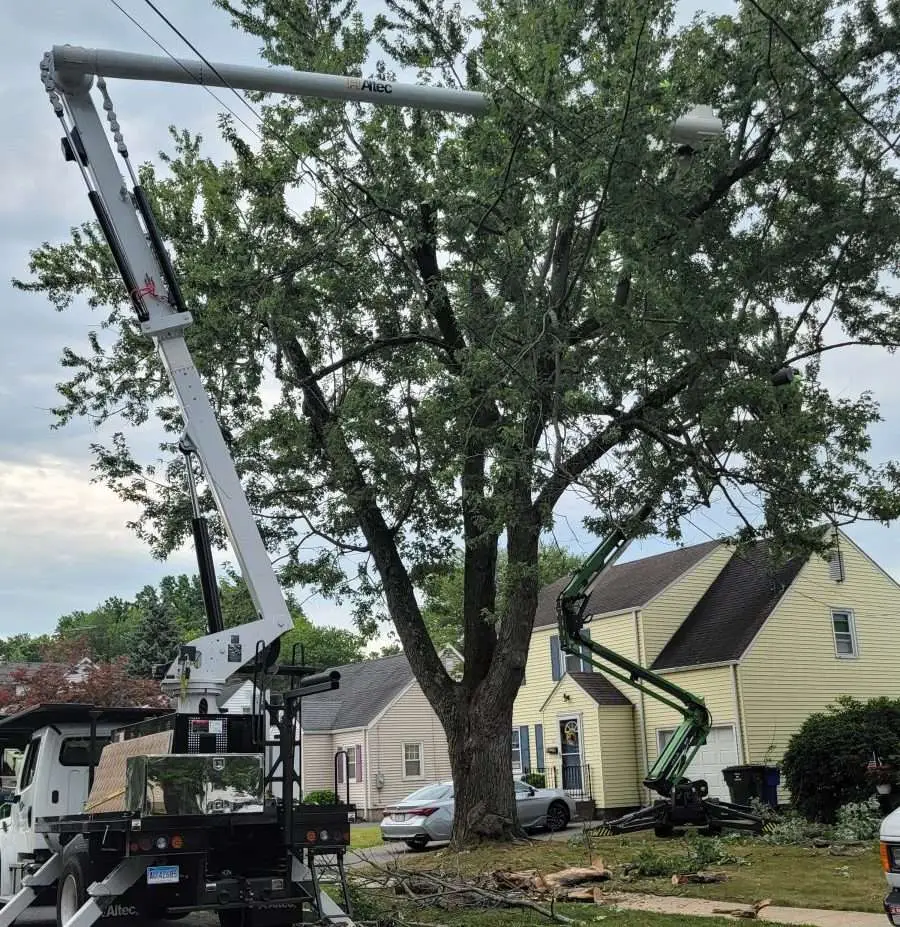
Cutting too much can weaken plants. Know the safe amount to prune for best growth.
- Remove no more than 25% of the plant at once.
- Focus on old, dead, or crowded branches first.
- Check the plant’s response before pruning more.
Credit: troutbrooktree.com
Reviving Over Pruned Plants
Over pruning can harm plants by removing too many leaves and branches. It weakens plants and slows their growth.
With care, over pruned plants can recover. You need to give them water, nutrients, and protection.
Watering And Fertilizing Tips
Water over pruned plants regularly to keep the soil moist. Avoid too much water to prevent root rot.
Use a balanced fertilizer to help plants get nutrients. Fertilize every few weeks during growing season.
- Water deeply but less often
- Use slow-release or liquid fertilizer
- Check soil moisture before watering
- Avoid fertilizing damaged leaves
Protecting From Pests And Diseases
Over pruned plants are weak and attract pests easily. Watch for bugs and signs of disease.
Use natural or mild treatments to control pests. Keep plants clean and remove dead parts quickly.
- Inspect plants daily for pests
- Use insecticidal soap or neem oil
- Remove fallen leaves and debris
- Keep good air circulation around plants
Encouraging New Growth
Help plants grow new branches by trimming only dead or weak parts. Avoid cutting healthy stems.
Give plants enough light and keep soil healthy. Patience is key; new growth takes time.
- Prune lightly to stimulate growth
- Place plants in bright, indirect light
- Use mulch to keep soil moist
- Be patient for new leaves and shoots
Preventing Over Pruning In The Future
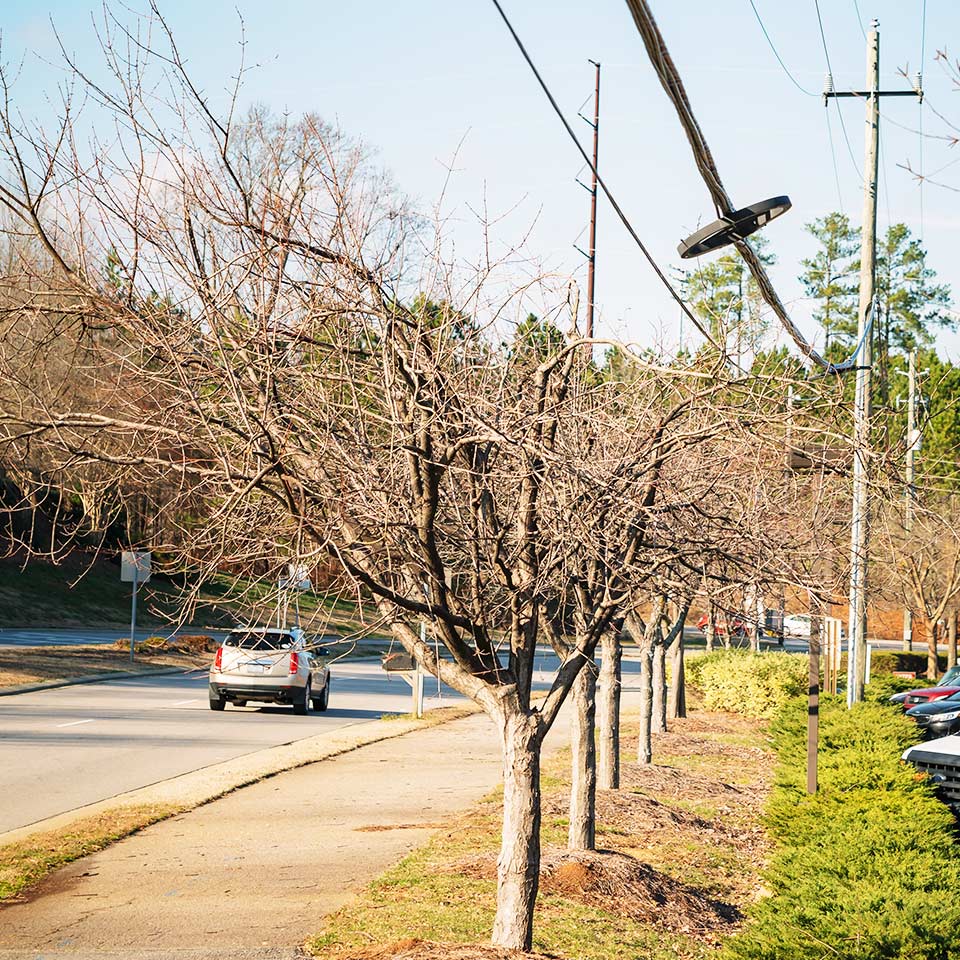
Over pruning can harm or even kill plants. Learning how to avoid it is key for healthy growth. Careful pruning helps plants stay strong and look good.
Following simple steps can keep your plants safe. Plan your garden and know each plant’s needs. Regular checks help catch problems early.
Planning Your Garden’s Growth
Think about how big your plants will get. Give them enough space to grow without needing heavy pruning. Choose plants that fit your garden size.
Plan the location of each plant carefully. Avoid crowding to reduce the need for cutting back too much later.
- Check plant height and width at maturity
- Space plants according to their growth habits
- Mix slow and fast growers for balance
Regular Maintenance Routines
Trim plants gently and often instead of heavy cuts. Remove dead or damaged parts first to keep plants healthy. Consistent care prevents big pruning jobs.
Set a schedule for checking your garden. This helps you catch issues early and prune only what is needed.
- Inspect plants every 2 to 4 weeks
- Cut small branches instead of large ones
- Use clean, sharp tools to avoid damage
Learning Plant-specific Needs
Each plant has unique pruning needs. Some grow back fast, others take longer. Know your plants’ habits to prune correctly.
Read about your plants or ask experts. Understanding their growth cycles helps you avoid over pruning.
- Learn the best time to prune each plant
- Know how much to cut without harming the plant
- Recognize signs of stress from pruning
Credit: www.leaflimb.com

Credit: www.gardeningknowhow.com
Frequently Asked Questions
Can Over Pruning Harm Plant Health?
Yes, over pruning can harm plant health by removing too many leaves. This reduces photosynthesis and weakens the plant, making it vulnerable to diseases.
How Does Over Pruning Affect Plant Growth?
Over pruning slows plant growth by cutting back essential branches. It disrupts nutrient flow and delays recovery, reducing overall vigor and flowering potential.
Is It Possible For Over Pruning To Kill Plants?
Yes, excessive pruning can kill plants. Removing too much foliage stresses the plant, leading to dehydration, nutrient loss, and sometimes death.
When Is The Best Time To Prune Plants Safely?
The best time to prune is during the plant’s dormant season or early spring. This minimizes stress and encourages healthy new growth.
Conclusion
Over pruning can harm and even kill plants if done carelessly. Plants need enough leaves to make food and grow strong. Cutting too much weakens them and can cause stress. Prune carefully and only when needed to keep plants healthy.
Watch your plants often to see how they respond. Healthy pruning helps plants grow fuller and live longer. Remember, less is often more when trimming plants. Take your time, and your plants will thank you with vibrant growth.

