

Are you wondering when the best time to test the soil in your yard is? Knowing the right moment can make a huge difference in how healthy and vibrant your plants grow.
Testing your soil at the perfect time helps you understand what nutrients it needs and how to prepare it for planting. If you want your garden to thrive without wasting time or money, this guide will show you exactly when and why you should check your soil.
Keep reading to discover the simple timing tips that can transform your yard into a lush, green paradise.
Credit: extension.msstate.edu
Why Test Soil
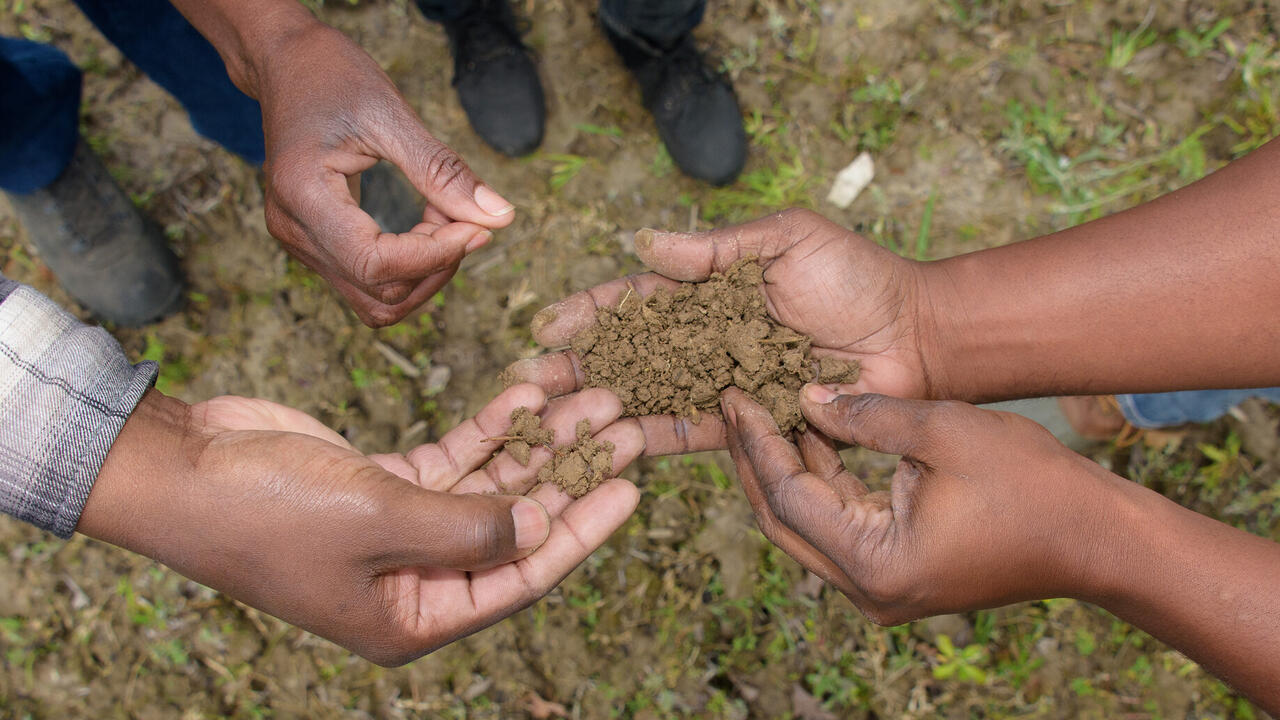
Testing soil helps you understand what your yard needs. It shows the nutrients and pH level of the soil.
Knowing your soil’s condition helps plants grow strong and healthy. It guides you to add the right fertilizers.
Benefits For Plant Health
Healthy plants need good soil. Testing soil shows if plants get enough nutrients.
Balanced soil helps plants resist pests and diseases. It also improves growth and flower production.
Improving Soil Quality
Soil tests tell you what to add to improve soil. You can fix problems like low nutrients or bad pH.
Adding the right materials makes soil better for plants. It keeps soil healthy for many seasons.
Avoiding Common Problems
Testing soil helps avoid problems like poor growth or yellow leaves. It shows if soil is too acidic or alkaline.
You can prevent waste by adding only what your soil needs. This stops damage to plants and saves money.
Best Seasons For Soil Testing
Testing your yard’s soil helps plants grow healthy and strong. Knowing when to test is very important.
Different seasons affect soil conditions. Choosing the right time gives the best results.
Spring Testing Advantages
Spring is a great time to test soil before planting. The soil starts to warm up and dries out a bit.
Testing in spring helps you fix soil problems early. This gives plants a good start for the growing season.
- Soil is easier to sample after winter thaw
- You can add needed nutrients before planting
- Helps plan fertilizer use efficiently
Fall Testing Benefits
Fall is another good time to test soil. The ground is still warm from summer, so tests are accurate.
Testing in fall lets you add lime or other amendments. These changes improve soil health by spring.
- Soil nutrients are stable after the growing season
- Time to prepare soil for next year’s plants
- Better absorption of lime and fertilizers in cooler months
Avoiding Extreme Weather
Extreme weather can change soil test results. Avoid very wet or frozen soil for testing.
Testing during mild weather gives the most reliable soil data. This helps you make better yard care choices.
- Don’t test when soil is frozen or very wet
- Wait for dry, calm days to take samples
- Soil should be easy to dig and handle
Signs You Should Test Now
Testing your yard soil helps keep plants healthy. It shows what the soil needs to grow well.
Look for signs in your yard that tell you it is time to test the soil.
Poor Plant Growth
If plants are not growing well, the soil might lack nutrients. Yellow leaves, small flowers, or weak stems can mean a problem.
- Plants look pale or yellow
- Growth is slow or stunted
- Leaves fall off early
- Plants die before full growth
Soil Texture Changes
Soil feels different than before. It may be hard like clay or very sandy. This change affects water and air in the soil.
| Soil Texture | Effect on Plants |
| Clay (hard, sticky) | Water drains slowly, roots may rot |
| Sandy (loose, dry) | Water drains too fast, plants dry out |
| Loam (balanced) | Good water and air for roots |
Previous Crop Failures
If your past plants or crops did not grow well or died, the soil could have a problem. Testing helps find the cause.
Reasons to test after crop failures:
- Check nutrient shortages
- Detect soil diseases
- Find pH imbalance
- See if soil needs organic matter
How To Collect Soil Samples
Testing your yard’s soil helps you understand its condition. You can check nutrients and pH levels.
Collecting soil samples properly ensures accurate test results. Follow these steps to get the best samples.
Tools Needed
Gathering the right tools makes soil sampling easier and cleaner. Use simple items you can find at home or garden stores.
- Clean trowel or soil probe
- Plastic bucket or clean container
- Plastic bags or paper envelopes
- Permanent marker for labeling
- Gloves to keep hands clean
Sampling Techniques
Take soil samples from different spots in your yard. This gives a good overall picture of soil health.
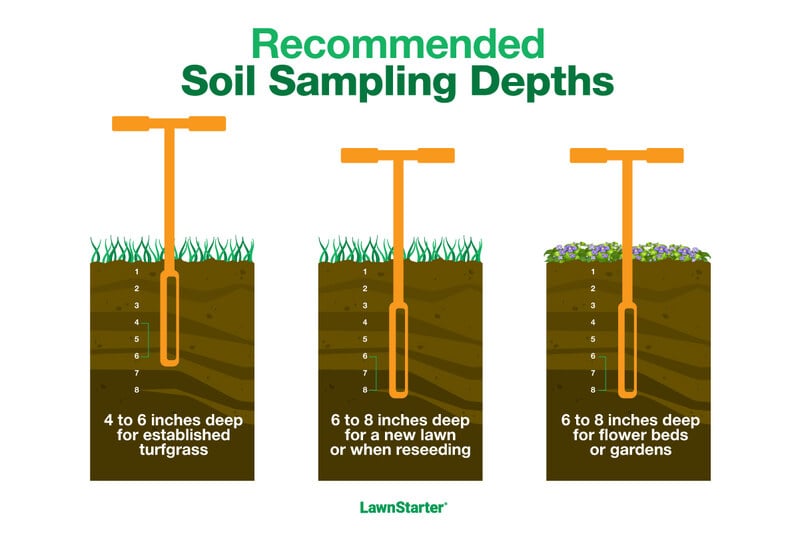
Dig 6 to 8 inches deep to collect soil. Avoid old roots or mulch in the sample.
- Remove surface debris like grass or leaves
- Dig a small hole about 6–8 inches deep
- Scoop soil from the sides of the hole
- Collect 10 to 15 samples from different areas
- Mix samples well in your container
- Take about 1 to 2 cups of mixed soil for testing
Sample Storage Tips
Store soil samples correctly before sending them to a lab. Proper storage keeps the sample fresh and accurate.
Label your sample with date and location. Avoid storing samples in direct sun or heat.
- Use clean plastic bags or paper envelopes
- Label sample with yard area and date collected
- Keep sample in a cool, dry place
- Send samples to lab soon after collection
Interpreting Test Results
Understanding soil test results is key to improving your yard’s health. The results show what your soil needs to grow plants well.
Each part of the test tells a different story about the soil. Learn to read these results carefully for better decisions.
Key Nutrient Levels
Soil tests measure nutrients like nitrogen, phosphorus, and potassium. These help plants grow strong and healthy.
| Nutrient | Role in Plant Growth | Signs of Deficiency |
| Nitrogen (N) | Leaf growth and green color | Yellowing leaves |
| Phosphorus (P) | Root and flower development | Poor root growth |
| Potassium (K) | Overall plant health | Weak stems and leaves |
Ph Balance Insights
Soil pH shows how acidic or alkaline your soil is. This affects how plants absorb nutrients.
- pH below 6.0 means acidic soil
- pH between 6.0 and 7.5 is ideal for most plants
- pH above 7.5 means alkaline soil
Recommended Adjustments
Adjust your soil based on test results for best plant growth. Use natural or chemical options carefully.
- Add lime to raise pH if soil is too acidic
- Use sulfur to lower pH if soil is too alkaline
- Apply fertilizers to add missing nutrients
- Retest soil after adjustments to track progress
Frequency Of Soil Testing
Testing soil in your yard helps maintain healthy plants and lawns. Knowing when to test ensures that you make informed decisions for your garden.
Regular soil testing can prevent issues and improve plant growth. Testing times may vary based on your garden’s needs.
Testing For New Gardens
When starting a new garden, testing the soil is crucial. This helps understand the soil’s current condition before planting.
- Test soil before planting any new garden.
- Analyze nutrient levels to determine necessary amendments.
- Repeat testing every three years for ongoing monitoring.
Maintaining Established Yards
For established yards, regular soil testing helps maintain soil health. This ensures that plants continue to thrive over time.
Consider testing your yard’s soil:
- Every 2 to 3 years for general health.
- Annually, if experiencing plant health issues.
After Fertilizer Or Amendments
Testing soil after adding fertilizer or amendments ensures balance. It helps check if the soil’s nutrient levels are optimal.
| Amendment Type | Testing Interval |
| Organic Compost | Every 1 to 2 years |
| Chemical Fertilizers | Every year |
| pH Balancers | Every 6 months |
Common Mistakes To Avoid
Testing soil in your yard is important for healthy plants. Mistakes can lead to poor results. Learn how to avoid common errors when testing soil.
Knowing what to avoid helps you get accurate soil information. This ensures your plants grow well.
Improper Sampling
Taking soil samples the wrong way can affect results. Use clean tools for sampling to avoid contamination.
Mix samples from different spots in your yard. This gives a better average of your soil’s condition.
- Use clean tools for sampling
- Mix samples from different spots
- Avoid sampling wet soil
Ignoring Seasonal Timing
Testing soil at the wrong time of year can mislead you. The best time is usually in early spring or fall.
These seasons give more accurate results. Soil conditions are more stable then.
- Test in early spring
- Test in fall
- Avoid testing in extreme weather
Misreading Results
Understanding soil test results can be confusing. Read carefully to know what your soil needs.
Consult a guide or expert if results are unclear. Correct interpretation is key for soil health.
- Consult a soil guide
- Ask an expert for help
- Check nutrient levels carefully
Credit: www.lawnstarter.com

Credit: yardmastery.com
Frequently Asked Questions
When Is The Best Season To Test Yard Soil?
The best time to test soil is early spring or fall. These seasons provide stable moisture and temperature. Testing then helps plan fertilization and planting effectively.
How Often Should I Test My Yard Soil?
Testing yard soil every 2 to 3 years is ideal. Frequent testing ensures balanced nutrients and healthy plants. It helps detect changes in soil pH and nutrient levels.
Why Test Soil Before Planting A Garden?
Testing soil before planting reveals nutrient deficiencies and pH levels. This helps choose the right plants and fertilizers. It ensures better growth and higher crop yield.
Can I Test Soil After Heavy Rain?
Avoid testing soil immediately after heavy rain. Wet soil can give inaccurate nutrient and pH readings. Wait a few days for soil to dry to get precise results.
Conclusion
Testing your soil at the right time helps plants grow strong. Early spring or late fall works best for most yards. This timing gives you clear results before planting season. Knowing your soil’s health guides you to add needed nutrients.
Healthy soil means healthier grass, flowers, and vegetables. Regular testing prevents problems and saves money on fertilizers. Take a simple soil test to give your yard a good start. It’s a small step with big benefits for your garden. Soil testing keeps your yard green and thriving year after year.

