
Are you tired of your lawn looking messy around the edges? A clean, sharp lawn edge can make your entire yard look neat and well cared for.
But if you’re not sure where to start, don’t worry. This step-by-step lawn edging guide will walk you through the easiest and most effective ways to get those perfect edges. By the end, you’ll have the skills to transform your lawn from ordinary to outstanding.
Ready to give your yard that crisp, professional look? Let’s dive in!

Credit: m.youtube.com
Choosing Edging Materials
Lawn edging helps keep your garden tidy and neat. Picking the right material makes a big difference.
This guide covers four popular edging materials. Each has its own look and benefits.
Plastic Edging
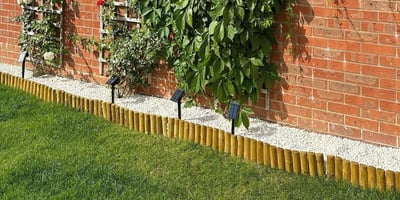
Plastic edging is light and easy to install. It bends well around curves and costs less than other options.
This material is weather-resistant but may fade or crack over time. It suits simple, low-maintenance gardens.
Metal Edging
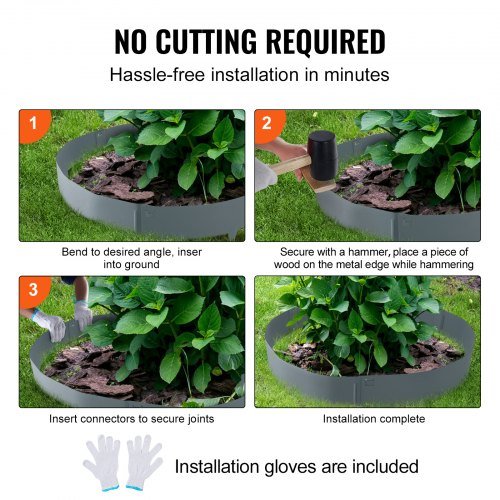
Metal edging offers a clean, modern look. It stays strong and lasts for many years.
- Steel and aluminum are common metals used.
- Steel is very durable but may rust if not treated.
- Aluminum resists rust and is lighter to handle.
- Metal edges can be sharp, so install carefully.
Brick And Stone Options
Brick and stone give a classic and natural feel to your lawn. They are heavy and need more effort to install.
| Material | Durability | Maintenance | Cost |
| Brick | High | Low | Medium |
| Flagstone | Very High | Low | High |
| River Rock | High | Low | Medium |
Natural Edging Choices
Natural edging uses plants or organic materials. It blends well with the garden environment.
- Boxwood shrubs create a green, living border.
- Mulch or bark keeps soil in place and looks neat.
- Gravel or small stones add texture and color.
- Natural edging needs regular care to stay tidy.
Tools You’ll Need
Having the right tools makes lawn edging easier and more precise.
Gather all tools before starting to save time and effort.
Basic Gardening Tools
These tools are common in most gardens and help with trimming and digging.
- Hand trowel for digging small edges
- Garden gloves to protect your hands
- Rake to clear debris from the lawn
- Spade or shovel for digging deeper edges
- Pruning shears for cutting roots or plants near edges
Specialized Edging Tools
These tools are designed specifically to shape and maintain lawn edges.
| Tool | Use |
| Edging spade | Cut clean lines along edges |
| Lawn edger | Create uniform edges by cutting turf |
| Half-moon edger | Shape curved or straight edges |
| String line | Mark straight edges for accuracy |
| Garden knife | Trim grass and roots near borders |
Safety Gear
Safety gear keeps you protected during edging tasks.
- Sturdy gloves to avoid cuts and blisters
- Safety glasses to protect eyes from dirt
- Closed-toe shoes for foot protection
- Knee pads if you work on your knees often
Preparing Your Lawn
Preparing your lawn properly makes edging easier and looks better. Start by clearing the area of debris and unwanted plants.
Planning your edging line carefully helps keep your lawn neat and tidy.
Clearing The Area
Remove rocks, sticks, and leaves from the lawn edge. Cut back any overgrown grass or plants near the edge. This gives you a clean surface to work on.
- Rake away debris
- Trim tall grass
- Pull out weeds near the edge
- Dispose of any lawn waste
Marking The Edging Line
Use a garden hose or string to mark your edging line. This helps you see the shape and guide your work. You can make straight or curved lines.
Follow these tips for marking your line:
- Lay a garden hose along the desired edge shape
- Adjust the hose until you like the shape
- Use spray paint or chalk to mark the line on the grass
- Remove the hose before starting the edging
Measuring And Planning
Measure the length of the edging line. This helps you buy the right amount of edging material. Plan where corners or curves will go.
| Task | Tip |
| Measure length | Use a tape measure for accuracy |
| Plan corners | Mark tight curves clearly |
| Calculate material | Buy extra for mistakes |
Credit: www.wickes.co.uk
Installing The Edging
Installing lawn edging gives your yard a clean and neat look. It helps keep grass and soil in place. You can use different materials like plastic, metal, or stone.
This guide will show you how to install the edging in three main steps. Each step is easy to follow and will help you get good results.
Digging The Trench
Start by marking where you want the edging. Use a garden hose or string to create a smooth line. Then dig a trench along the line. The trench should be about 4 to 6 inches deep and wide enough to fit the edging material.
Placing The Edging Material
Put the edging pieces into the trench. Make sure they stand straight and follow the line you marked. If you use plastic or metal edging, connect the pieces as needed. For stone or brick, fit them tightly together.
- Check the height so it is even all along the trench.
- Leave a small gap between pieces for expansion if the material needs it.
- Adjust the position before securing to avoid mistakes.
Securing The Edging
Secure the edging so it stays in place. Use stakes or spikes for plastic and metal edging. Drive them into the ground every few feet. For stone or brick, fill gaps with soil or sand to hold them tight.
| Material | Securing Method |
| Plastic | Use metal spikes every 2 feet |
| Metal | Use steel stakes every 1.5 feet |
| Stone | Fill gaps with soil or sand |
| Brick | Fill gaps with sand and compact |
Finishing Touches
After installing your lawn edging, completing the finishing touches helps make it look neat. These final steps protect your work and keep the lawn healthy.
Taking time with these details ensures your lawn stays clean and the edging lasts longer.
Backfilling And Compacting Soil
Fill the gap between the edging and soil with dirt or topsoil. This supports the edging and prevents gaps where weeds can grow.
Press the soil firmly to keep the edging stable. Use your hands or a tamper to compact the soil evenly.
- Fill the space on both sides of the edging
- Compact soil firmly but avoid damaging edging
- Add more soil if gaps appear after compacting
Trimming Grass And Cleanup
Trim any grass or roots that overlap the edging for a clean look. Use garden scissors or an edging tool for precision.
Remove leftover soil, rocks, or debris to keep the area tidy. This also helps prevent weeds from growing near the edging.
- Cut grass along the edge carefully
- Clear all debris from the edging line
- Check for uneven spots and fix them
Watering And Maintenance Tips
Water the soil around the edging after installation. This helps the soil settle and supports new grass growth near the edge.
Regularly check the edging for damage or shifting. Keep grass trimmed and soil compacted to maintain a neat border.
- Water deeply after backfilling
- Inspect edging monthly for movement
- Trim grass regularly to avoid overgrowth
- Re-compact soil if gaps appear
Maintaining Your Edged Lawn
Keeping your lawn edges neat helps your yard look tidy. Regular care prevents overgrowth and damage.
This guide covers simple tasks to keep your lawn edges sharp and healthy throughout the year.
Regular Trimming
Trim the edges once a week during the growing season. Use a string trimmer or edging tool for clean lines.
- Cut grass blades that grow over the edge
- Remove any weeds near the border
- Keep tools sharp for better results
- Wear protective gear while trimming
Repairing Damaged Edging
Fix damaged edges quickly to stop grass from spreading into unwanted areas. Replace broken edging material if needed.
| Damage Type | Repair Method |
| Bent metal edging | Carefully bend back or replace section |
| Cracked plastic edging | Remove and install new edging piece |
| Grass growing over edge | Trim and add fresh soil or mulch |
Seasonal Care
Seasonal maintenance keeps your edging strong through winter and summer changes.
- Spring: Clear debris and check for damage
- Summer: Trim edges regularly and water nearby soil
- Fall: Remove leaves and prepare edges for frost
- Winter: Protect edging from heavy snow or ice
Common Mistakes To Avoid
Lawn edging makes your yard look neat and tidy. Many people make simple mistakes that hurt the final look.
Avoid these common errors to get a clean and long-lasting edge around your lawn.
Improper Depth
Digging too shallow or too deep can cause problems. Shallow edges may not hold the material well.
Too deep cuts waste effort and can damage nearby roots. Find the right depth for your edging type.
- Check the recommended depth for your edging material
- Make clean cuts to avoid breaking the soil
- Keep edges firm to stop grass from growing over
Ignoring Soil Conditions
Soil type affects how well your edging stays in place. Clay soil holds materials tightly but drains poorly.
Sandy soil drains well but may shift easily. Prepare soil by removing rocks and loosening hard spots.
- Test soil moisture before starting
- Remove roots and debris from the edge area
- Use a tamper to firm the soil after placing edging
Using Wrong Materials
Choosing the wrong edging materials causes quick wear or poor appearance. Some materials suit certain lawns better.
Plastic edging may bend easily, while stone is heavy and costly. Match material to your yard style and budget.
- Use metal or stone for permanent edges
- Plastic works for temporary or flexible borders
- Wood edges need treatment to resist rot
Credit: www.helpwithdiy.com
Frequently Asked Questions
What Tools Do I Need For Lawn Edging?
You need an edging tool, gloves, a spade, and a garden hose. These help create clean, precise lawn edges quickly and safely.
How Often Should I Edge My Lawn?
Edge your lawn every 4 to 6 weeks during the growing season. This keeps borders neat and prevents grass from spreading into flower beds.
Can Lawn Edging Prevent Weed Growth?
Yes, proper edging creates a barrier that stops grass and weeds from invading garden beds. It reduces maintenance and improves lawn health.
What Is The Best Time For Lawn Edging?
Early spring or late fall is ideal for edging. Grass is less active, making it easier to shape edges without damaging plants.
Conclusion
Creating a neat lawn edge boosts your yard’s appeal. You now know each step to achieve this. From planning to cutting, every detail matters. Start with the right tools for best results. Regular maintenance keeps edges tidy and sharp. A well-edged lawn enhances your garden’s look significantly.
Take pride in your work and enjoy the beauty. Your lawn will surely be the talk of the neighborhood. Remember, practice makes perfect. So, keep refining your skills. Happy gardening!
