
Imagine stepping into your backyard garden, feeling the soft earth beneath your feet, and seeing vibrant plants bursting with life. The secret to this lush paradise might just lie in something you can’t see: your soil’s pH level.
If you’ve ever wondered why some plants thrive while others struggle, the answer could be hidden in those two little letters, “pH. ” You might be surprised to learn how important this balance is. The right soil pH can unlock the full potential of your garden, allowing your plants to absorb nutrients effectively and grow strong.
But what is the ideal soil pH for your backyard garden? And how can you achieve it? Stick around, because we’re about to reveal the magic number that could transform your gardening game and help your plants flourish like never before.
Credit: littlesproutslearning.co
Soil Ph And Plant Health
Soil pH measures how acidic or alkaline the soil is. It plays a big role in plant health.
The right pH helps plants absorb nutrients better. This keeps them strong and growing well.
How Ph Affects Nutrient Uptake
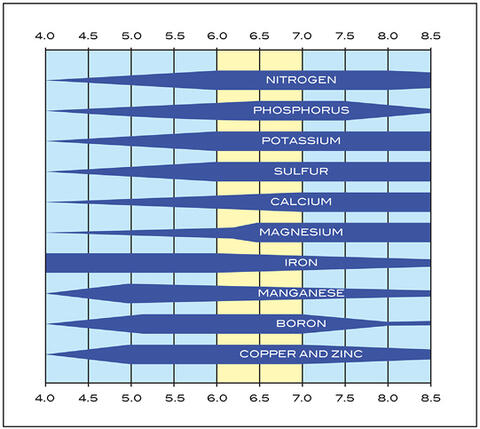
Soil pH changes how nutrients dissolve in the soil. If pH is too low or high, plants cannot get enough nutrients.
- Acidic soil (low pH) can limit calcium and magnesium.
- Alkaline soil (high pH) can block iron and phosphorus.
- Neutral pH helps most nutrients stay available.
- Wrong pH can cause nutrient buildup and toxicity.
Common Ph Ranges For Garden Plants
Different plants like different pH levels. Knowing these ranges helps you grow healthy gardens.
| Plant Type | Ideal pH Range |
| Vegetables | 6.0 – 7.0 |
| Flowers | 6.0 – 7.0 |
| Fruit Trees | 6.0 – 7.5 |
| Acid-Loving Plants (e.g. Blueberries) | 4.5 – 5.5 |
| Lawn Grass | 6.0 – 7.0 |

Credit: extension.colostate.edu
Testing Backyard Soil Ph
Knowing the soil pH helps your garden plants grow well. It tells if the soil is acidic, neutral, or alkaline. Testing soil pH is easy and can guide your gardening choices.
There are simple ways to test soil at home and tools for more exact results. Both methods give useful information for your backyard garden.
Diy Soil Testing Methods
You can test soil pH using household items. These methods give a quick idea of your soil’s acidity or alkalinity.
- Collect soil from different spots in your garden.
- Mix soil with water in a clean container.
- Add vinegar to the mix. If it fizzes, soil is alkaline.
- Or add baking soda to the soil and water. If it bubbles, soil is acidic.
- No fizz means soil is near neutral pH.
Using Professional Soil Test Kits
Professional kits give more accurate and detailed pH readings. They often include tools and color charts.
| Kit Type | What It Includes | How to Use |
| Test Strips | Color strips | Dip in soil water and compare colors |
| Liquid Test Kits | Test tube, solution, color chart | Add soil and solution, shake, then match color |
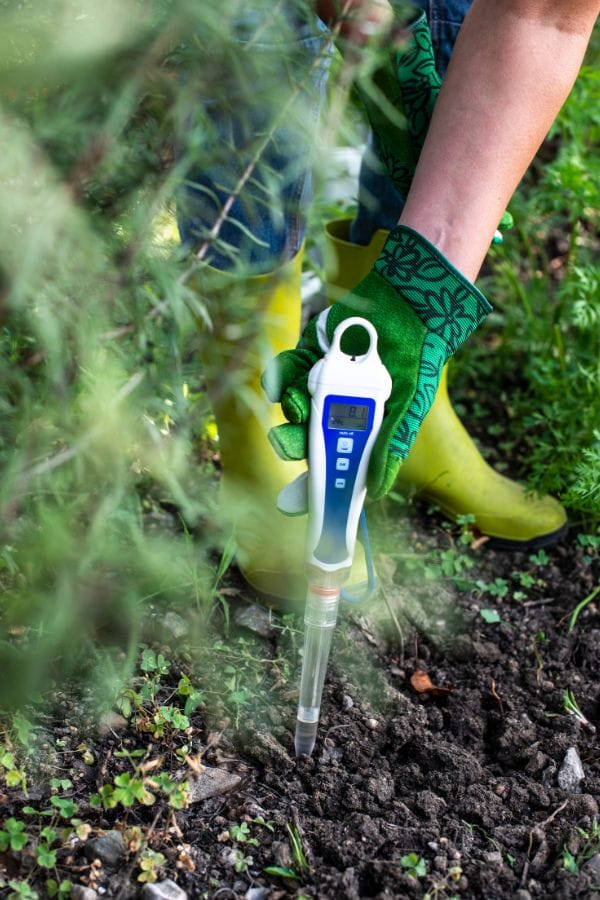
| Electronic Meters | Digital pH meter | Insert probe into moist soil for direct reading |
Adjusting Soil Ph
Soil pH affects plant growth and nutrient availability in backyard gardens.
Adjusting soil pH helps create the best environment for your plants to thrive.
Raising Soil Ph With Lime
Lime is a common way to raise soil pH and reduce acidity. It adds calcium and magnesium to the soil.
- Apply lime evenly over the soil surface.
- Mix lime into the top 6 inches of soil.
- Test soil pH after a few weeks to check changes.
- Use dolomitic lime if magnesium is low in soil.
- Avoid applying lime in fall for plants that prefer acidic soil.
Lowering Soil Ph With Sulfur
Sulfur helps lower soil pH and makes soil more acidic. It works slowly and safely.
| Type of Sulfur | Use Rate per 100 sq. ft. | Effect Time |
| Elemental Sulfur | 1 to 3 pounds | 4 to 6 months |
| Aluminum Sulfate | 5 to 10 pounds | Immediate to 1 month |
| Iron Sulfate | 5 to 10 pounds | Immediate to 1 month |
Organic Amendments For Ph Balance
Organic materials help balance soil pH naturally and improve soil health.
- Compost adds nutrients and buffers soil pH changes.
- Peat moss lowers soil pH slightly and improves moisture.
- Wood ash raises pH but use it carefully to avoid over-liming.
- Manure improves soil structure and can gently raise pH.
- Mulches protect soil and help maintain stable pH levels.
Ideal Ph Levels For Popular Garden Crops
Soil pH affects how plants absorb nutrients. It is important to keep the right pH for your garden crops.
Different plants grow best in different pH levels. Knowing the ideal pH helps your garden thrive.
Vegetables
Most vegetables prefer slightly acidic to neutral soil. This range helps roots take up nutrients easily.
- Tomatoes: 6.0 to 6.8
- Carrots: 6.0 to 6.8
- Peppers: 6.0 to 7.0
- Leafy greens: 6.0 to 7.0
- Potatoes: 5.0 to 6.0
Fruits
Fruit plants often need slightly acidic soil. The right pH supports fruit development and sweetness.
| Fruit | Ideal pH Range |
| Strawberries | 5.5 to 6.5 |
| Blueberries | 4.5 to 5.5 |
| Apples | 6.0 to 7.0 |
| Peaches | 6.0 to 7.0 |
| Grapes | 5.5 to 6.5 |
Herbs
Herbs usually grow well in neutral to slightly alkaline soil. This helps preserve their flavor.
- Basil: 6.0 to 7.5
- Mint: 6.0 to 7.0
- Rosemary: 6.0 to 7.0
- Thyme: 6.0 to 8.0
- Oregano: 6.0 to 8.0
Monitoring And Maintaining Soil Ph
Soil pH affects how well plants grow in your backyard garden. It measures how acidic or alkaline the soil is. Most garden plants prefer a pH between 6.0 and 7.0.
Checking and adjusting soil pH helps plants absorb nutrients better. This keeps your garden healthy and productive.
Seasonal Ph Checks
Testing soil pH every season helps you catch changes early. Soil can become more acidic or alkaline due to rain, fertilizers, or plant growth.
- Test soil pH in early spring before planting.
- Check again in mid-summer to monitor changes.
- Test in fall after harvest to plan amendments.
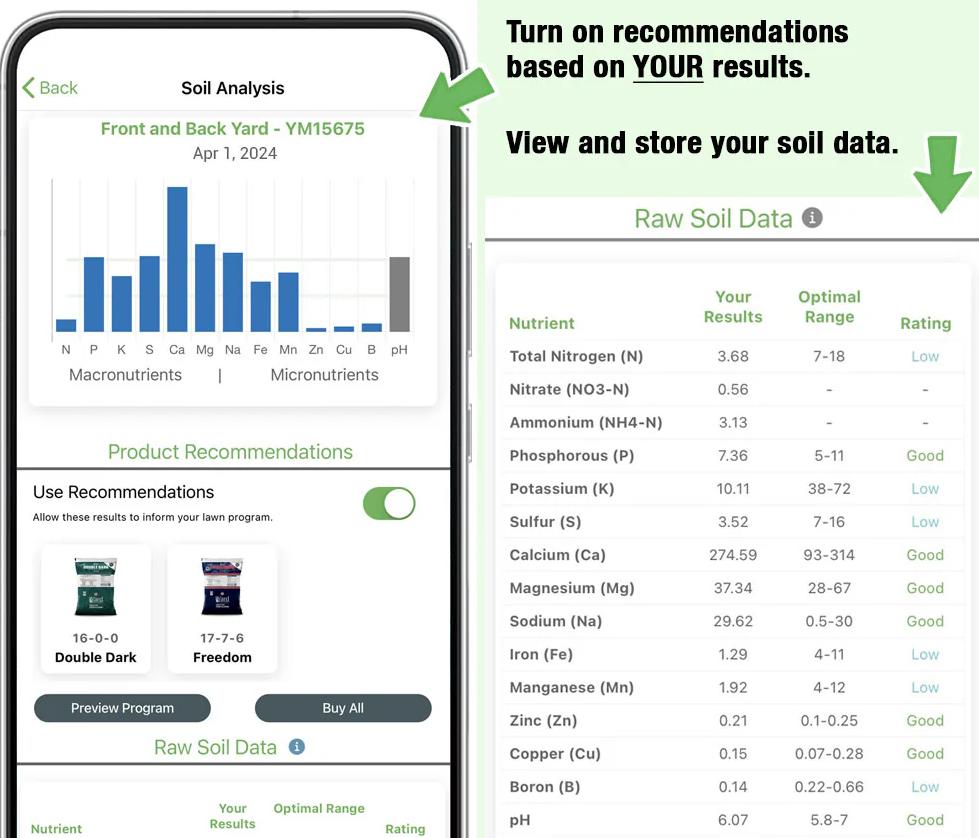
Use a soil test kit or send samples to a lab. Follow instructions carefully for accurate results.
Long-term Soil Health Strategies
Maintaining good soil pH over time supports strong plant growth. Use natural methods to keep soil balanced and healthy.
| Strategy | Effect on pH |
| Adding lime | Raises pH (reduces acidity) |
| Adding sulfur | Lowers pH (increases acidity) |
| Using organic matter | Improves soil structure and buffer |
| Rotating crops | Prevents pH imbalance |
Check soil pH regularly and adjust with amendments as needed. Keep records to track changes and plan future care.
Credit: extension.msstate.edu
Frequently Asked Questions
What Is The Ideal Soil Ph For Backyard Gardens?
The ideal soil pH for most backyard gardens is between 6. 0 and 7. 0. This range supports nutrient availability and healthy plant growth. Slightly acidic to neutral soil helps plants absorb essential minerals efficiently.
How Does Soil Ph Affect Plant Growth?
Soil pH affects nutrient solubility and microbial activity. If pH is too low or high, plants may struggle to absorb nutrients. Balanced pH ensures optimal root development and robust plant health.
How Can I Test My Garden’s Soil Ph?
You can test soil pH using home test kits or electronic meters. Collect soil samples from different areas for accuracy. Testing helps determine if soil amendments are needed to adjust pH.
What Are Common Ways To Adjust Soil Ph?
To raise pH, add lime or wood ash to the soil. To lower pH, use sulfur or peat moss. Always follow product instructions and retest soil after treatment.
Conclusion
Soil pH plays a key role in garden health and plant growth. Keeping your soil in the right pH range helps plants absorb nutrients well. Test your soil often to know its pH level. Adjusting pH can improve your garden’s success.
Healthy soil means stronger plants and better harvests. Start with simple tests and learn what your garden needs. A good pH balance makes gardening easier and more fun. Take care of your soil, and your plants will thrive.

