
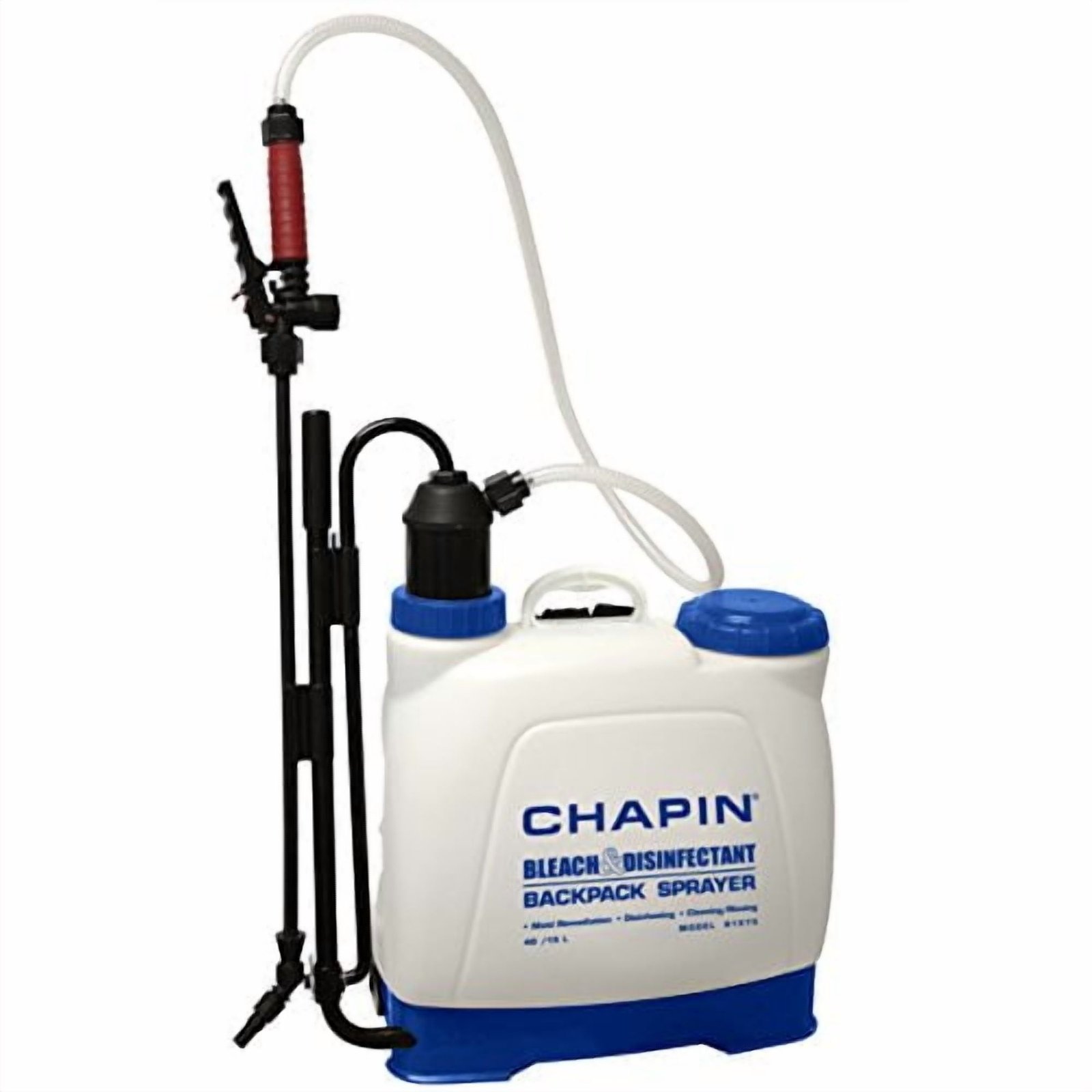
Have you ever wondered if you can safely use bleach in a backpack sprayer? Whether you’re a homeowner looking to disinfect your outdoor spaces or a gardener aiming to tackle stubborn mold and mildew, knowing how to effectively and safely use bleach is crucial.
Imagine the peace of mind you’ll feel when your outdoor areas are sparkling clean and germ-free. But before you reach for the bleach bottle, it’s important to understand how to use it correctly in a backpack sprayer. In this guide, we’ll dive into the dos and don’ts of using bleach in your sprayer, ensuring your safety and the longevity of your equipment.
Ready to discover how to make the most of bleach for your cleaning needs? Let’s get started!
Bleach And Backpack Sprayers
Bleach is a common disinfectant used for cleaning and sanitizing. Many people wonder if they can use bleach in backpack sprayers. This tool helps spread liquids over large areas quickly.
Using bleach in a backpack sprayer needs care. Some sprayers may not work well with bleach. Understanding the sprayer type and bleach compatibility is important to avoid damage.
Compatibility Concerns
Bleach is corrosive and can harm some parts of backpack sprayers. It may cause metal parts to rust or plastic parts to weaken. It is important to check if your sprayer materials can handle bleach.
- Use sprayers with corrosion-resistant parts like stainless steel or certain plastics.
- Do not use bleach in sprayers with aluminum parts.
- Rinse the sprayer well after using bleach to prevent damage.
- Wear protective gear to avoid contact with bleach.
Types Of Backpack Sprayers
Backpack sprayers come in different types. Each type handles chemicals differently. Knowing the type helps you decide if bleach is safe to use.
| Type | Material | Bleach Compatibility |
| Manual Pump | Plastic or Nylon | Usually safe if rinsed after use |
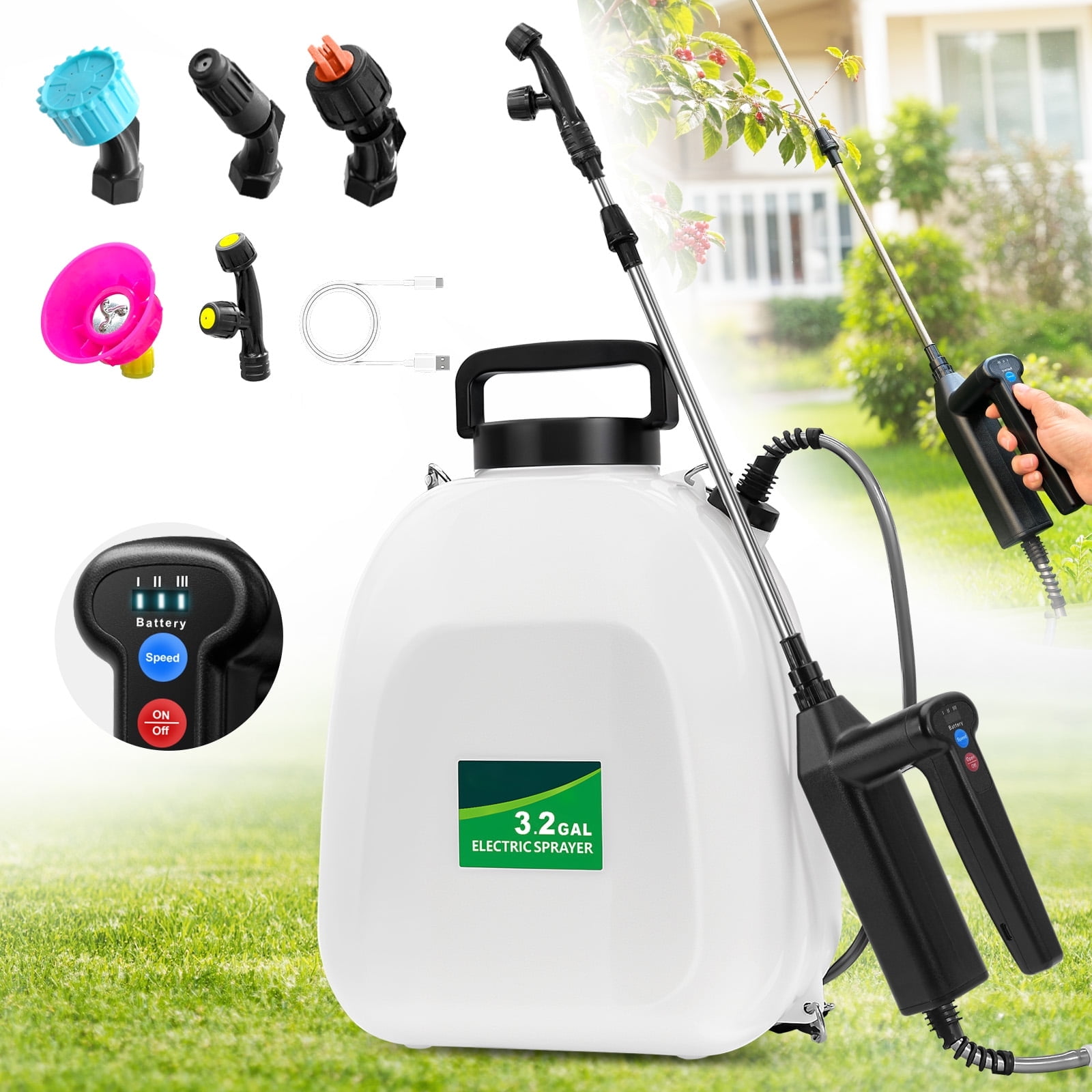
| Battery Powered | Plastic and Metal parts | Check metal parts; some may corrode |
| Compression Sprayer | Plastic or Stainless Steel | Stainless steel safe; avoid aluminum |
Credit: www.walmart.com
Safety Risks Of Using Bleach
Bleach is a strong chemical used to clean and disinfect. It can be dangerous if not handled carefully.
Using bleach in a backpack sprayer has safety risks you must know before starting.
Chemical Reactions
Bleach can react with other chemicals in the sprayer. These reactions may release harmful gases.
Mixing bleach with ammonia or acids can create toxic fumes that hurt your lungs.
- Never mix bleach with ammonia
- Avoid mixing bleach with vinegar or acids
- Rinse the sprayer well before using bleach
- Use bleach only as directed on the label
Health Hazards
Bleach can irritate your skin, eyes, and throat. Breathing bleach mist is harmful.
Spraying bleach in a backpack sprayer may expose you to these risks if you do not use safety gear.
- Wear gloves and eye protection
- Use a mask to avoid breathing fumes
- Work in a well-ventilated area
- Keep bleach away from children and pets
Preparing Bleach Solutions
Using bleach in a backpack sprayer requires careful preparation. Proper mixing ensures safety and effectiveness.
Bleach solutions must be diluted correctly to avoid damage to plants and equipment.
Proper Dilution Ratios
Bleach is strong and must be diluted with water before use. Different tasks need different strengths.
Too strong bleach can harm plants and your sprayer. Too weak may not clean well.
- Disinfecting surfaces: mix 1 part bleach to 10 parts water
- Mildew removal: mix 1 part bleach to 3 parts water
- General cleaning: mix 1 part bleach to 15 parts water
Mixing Techniques
Always add bleach to water, never water to bleach. This prevents splashes and reactions.
Mix the solution gently to avoid creating fumes. Wear gloves and work in a ventilated area.
- Fill the sprayer tank with water first
- Add the measured bleach slowly into the water
- Stir or shake the tank gently to mix
- Use the solution soon after mixing for best results
Credit: www.homehardware.ca
Using Backpack Sprayers With Bleach
Backpack sprayers are useful for applying bleach to large areas. They help spread bleach evenly and save time.
Using bleach in a backpack sprayer needs care. This keeps you safe and protects the equipment.
Equipment Precautions
Bleach can damage some sprayer parts. Use a sprayer made of materials that resist bleach.
Always rinse the sprayer well after using bleach. This stops corrosion and keeps it working longer.
- Use sprayers with plastic or stainless steel parts
- Check seals and hoses for bleach resistance
- Wear gloves to protect your hands
- Do not mix bleach with other chemicals in the sprayer
- Clean sprayer thoroughly after use
Application Tips
Use the right bleach concentration for your job. Too strong bleach can harm plants or surfaces.
Spray evenly and avoid over-saturating areas. This helps bleach work well without waste.
- Mix bleach with water according to instructions
- Spray in calm weather to avoid drift
- Wear protective gear like masks and goggles
- Test on a small area before full application
- Store leftover bleach safely and away from children
Cleaning And Maintenance
Using bleach in a backpack sprayer needs careful cleaning after use. Proper maintenance keeps the sprayer working well and safe.
Cleaning removes bleach residue and stops damage to the sprayer parts. This guide covers flushing the sprayer and preventing corrosion.
Flushing The Sprayer
After spraying bleach, rinse the tank and hose with clean water. This flushes out harmful chemicals that can damage the sprayer.
Flush the sprayer several times until no bleach smell remains. Use fresh water each time to ensure all bleach is removed.
- Empty any leftover bleach safely
- Fill the tank with clean water
- Spray water through the hose and nozzle
- Repeat rinsing until water runs clear
- Clean the filters and nozzle parts if possible
Preventing Corrosion
Bleach can cause rust and corrosion inside the sprayer. Protect metal parts by cleaning and drying the sprayer well.
Store the sprayer in a dry place with the tank open. This stops moisture buildup that can lead to corrosion.
- Rinse all bleach from metal parts
- Dry the tank, hose, and nozzle completely
- Check for rust spots and clean them
- Apply a light oil to metal parts if needed
- Keep the sprayer stored away from damp areas
Protective Gear Recommendations
Using bleach in a backpack sprayer requires safety first. Proper protective gear helps prevent injuries and exposure.
Always wear the right equipment to keep your skin, eyes, and lungs safe while handling bleach solutions.
Essential Ppe
Personal Protective Equipment (PPE) is important when spraying bleach. It protects you from harmful chemicals.
- Wear chemical-resistant gloves to protect your hands.
- Use safety goggles to shield your eyes from splashes.
- Put on a long-sleeved shirt and long pants to cover your skin.
- Wear a respirator or mask to avoid breathing in fumes.
- Use waterproof boots to keep your feet dry and safe.
Handling Spills Safely
Spills can happen. Knowing how to handle them reduces risk and keeps the area safe.
| Spill Type | Recommended Action |
| Small spill on ground | Absorb with sand or kitty litter, then sweep up |
| Spill on clothing | Remove clothing immediately and rinse skin with water |
| Spill in water source | Notify authorities and avoid contact with the water |
| Large spill | Evacuate area and call emergency services |
Environmental Considerations
Using bleach in a backpack sprayer can affect the environment if not handled correctly. It is important to think about how bleach can harm plants, animals, and water sources.
Proper care in disposal and minimizing its impact helps protect nature and keeps the surroundings safe.
Safe Disposal Methods
Bleach should never be poured directly into the ground, drains, or water bodies. It can pollute water and harm aquatic life. Always follow local rules for disposing of chemicals.
- Use up the bleach solution completely before disposal.
- Do not mix bleach with other chemicals when disposing.
- Take leftover bleach to a hazardous waste collection site.
- Clean sprayers with water away from natural water sources.
Minimizing Impact
Reduce environmental harm by using bleach carefully and choosing safe application areas. Avoid spraying near plants that are not targeted and near water bodies.
| Practice | Benefit |
| Apply bleach only on intended surfaces | Prevents damage to other plants and animals |
| Use protective gear to avoid spills | Reduces chemical exposure to soil and water |
| Rinse sprayer in a safe, contained area | Limits bleach entering natural water systems |
| Store bleach securely away from children and pets | Prevents accidental contamination |

Credit: www.walmart.com
Frequently Asked Questions
Can You Safely Use Bleach In A Backpack Sprayer?
Yes, you can use bleach safely if the sprayer is bleach-resistant. Always check the manufacturer’s guidelines before use. Clean the sprayer thoroughly after to avoid corrosion or damage.
What Precautions Should I Take Using Bleach In Sprayers?
Wear protective gloves and goggles to avoid skin and eye contact. Use bleach in a well-ventilated area. Avoid mixing bleach with other chemicals to prevent harmful fumes.
How Do I Clean A Backpack Sprayer After Using Bleach?
Rinse the sprayer with water immediately after use. Follow with a mild detergent wash inside the tank. Rinse thoroughly again to remove all bleach residues before storing.
Will Bleach Damage My Backpack Sprayer?
Bleach can corrode metal parts and degrade seals if the sprayer isn’t designed for it. Use only sprayers labeled as bleach-compatible to prevent damage and leaks.
Conclusion
Bleach can be used in a backpack sprayer with care. Always rinse the sprayer well after use to avoid damage. Use the right bleach mixture to protect plants and surfaces. Wear gloves and work in a ventilated area for safety.
Regular cleaning keeps your sprayer working longer. Follow these tips to use bleach safely and effectively. Keep your garden and tools in good shape. Simple steps make a big difference.

