
Are your pruning shears losing their edge too soon? It might not be their fault, but how you’re storing them!
Proper storage is the secret to keeping your gardening tools sharp, rust-free, and ready for action whenever you need them. Imagine effortlessly snipping away at your garden with shears that glide like new each time. You’ll discover simple yet effective strategies to store your pruning shears properly, ensuring they remain your trusty garden companions for years to come.
Stick around, and you’ll learn tips that could save you money and time in the garden. Ready to unlock the secrets of tool storage? Let’s dive in!
Credit: www.youtube.com
Choosing The Right Storage Spot
Storing pruning shears properly helps keep them sharp and working well. Picking the right spot stops damage and makes them last longer.
Good storage also keeps your tools safe and easy to find. Think about moisture, temperature, and safety when choosing a place.
Avoiding Moisture And Rust
Moisture causes rust on pruning shears. Rust can dull blades and make them hard to use. Keep shears dry to avoid this.
Store pruning shears in a dry place. Avoid spots like basements or sheds that get wet or damp often.
- Use a toolbox with a dry lining
- Keep shears off the ground
- Dry shears before storing after use
Temperature Considerations
Extreme heat or cold can damage pruning shears. Metal parts may expand or contract, causing wear or cracks.
Choose a storage spot with a stable, moderate temperature. Avoid areas near heaters or outdoors in winter.
- Keep shears in a garage or shed with temperature control
- Do not leave tools in direct sunlight
- Avoid freezing spots to prevent metal damage
Safe And Accessible Locations
Store pruning shears where you can reach them easily but keep them safe from children and pets. Safety prevents accidents.
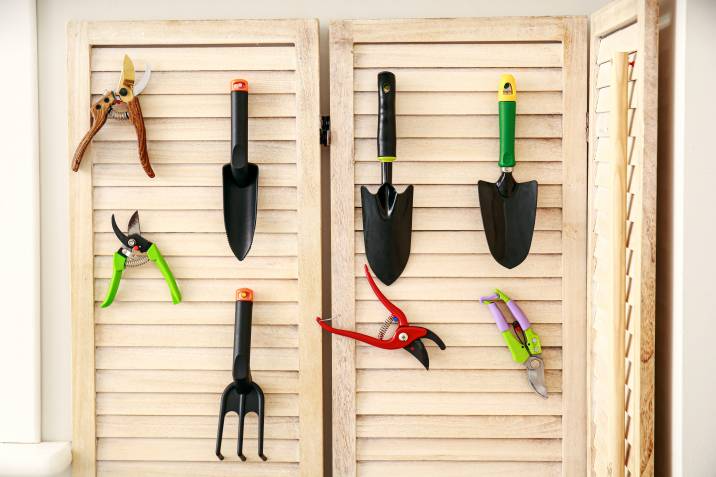
Use wall hooks, tool racks, or locked boxes to keep shears organized and secure.
- Mount shears on a wall rack
- Store in a locked cabinet if children are nearby
- Keep tools at a height easy for you to reach
Cleaning Shears Before Storage
Proper cleaning of pruning shears helps keep them sharp and rust-free. Clean shears last longer and work better.
Before storing, remove dirt, sap, and moisture from your shears. This prevents damage and ensures safety.
Removing Sap And Dirt
Sap and dirt can stick to the blades after pruning. Use a cloth or brush to wipe off the residue.
For sticky sap, rub the blades with a little cooking oil or rubbing alcohol. This softens the sap for easy removal.
- Use a soft cloth or brush
- Apply cooking oil or rubbing alcohol
- Wipe blades until clean
Using Proper Cleaning Solutions
Choose cleaning solutions that kill germs and remove sap. Mild soap and water work well for general cleaning.
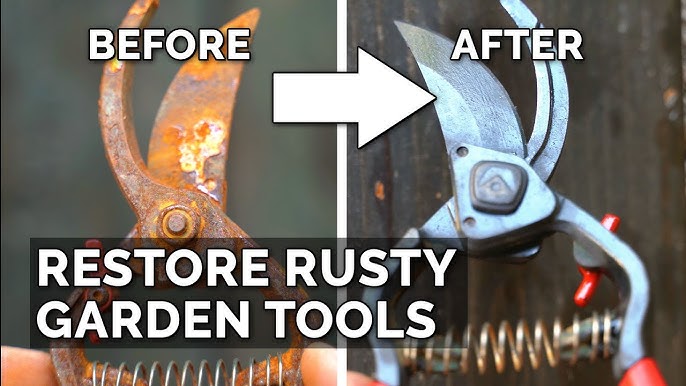
For tougher stains or rust, use a mixture of vinegar and water. Avoid harsh chemicals that can damage the metal.
- Mild soap and water for daily cleaning
- Vinegar and water for rust and stains
- Avoid bleach or strong acids
Drying Techniques
Dry your shears completely after cleaning. Moisture can cause rust and dull blades quickly.
Use a clean, dry cloth to wipe the blades and handles. Let the shears air dry in a warm place if needed.
- Wipe with a dry cloth
- Air dry in a warm, dry spot
- Store shears only when fully dry
Sharpening And Maintenance
Proper care of pruning shears keeps them working well and lasting longer.
Sharpening and maintenance help you cut cleanly and avoid damage to plants.
When To Sharpen Blades
Sharpen pruning shears when cutting feels hard or blades tear the branches.
Dull blades cause uneven cuts and may hurt your plants.
Using The Right Tools
Use a sharpening stone or a fine file for the best results on pruning shears.
- Clean blades before sharpening to remove sap and dirt.
- Hold the sharpening tool at the blade’s original angle.
- Sharpen with smooth, even strokes along the blade edge.
- Wipe blades clean after sharpening to remove metal filings.
Lubricating Moving Parts
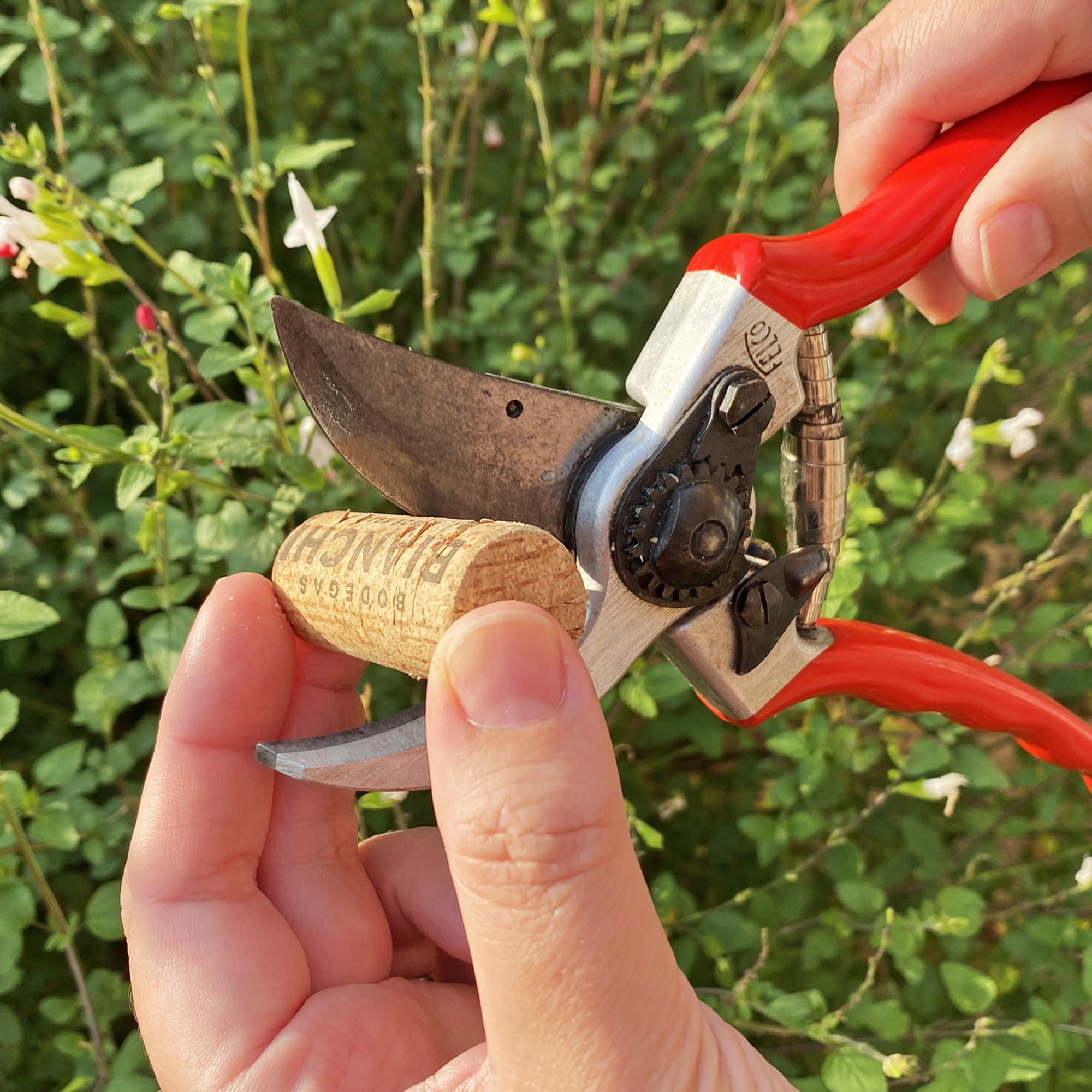
Lubricate shears to keep parts moving smoothly and stop rust from forming.
| Lubrication Step | Purpose |
| Apply oil to pivot joint | Reduces friction and wear |
| Wipe excess oil | Prevents dirt buildup |
| Use rust-preventive spray | Protects metal from moisture |
Credit: www.gardeningknowhow.com
Protecting Shears From Damage
Pruning shears need careful handling to stay sharp and last long. Proper storage stops damage and rust.
Using simple tools and habits can protect your shears from harm. This guide shows key ways to keep them safe.
Using Blade Covers
Blade covers keep the sharp edges safe from hits and moisture. They also protect your hands during storage.
- Choose covers made of hard plastic or leather
- Clean and dry shears before covering
- Check covers regularly for damage
Avoiding Dropping Or Impact
Dropping shears can bend or dull blades and ruin the tool. Handle shears with care and avoid rough surfaces.
- Hold shears firmly while working
- Keep shears away from edges
- Place shears gently on stable surfaces
- Do not toss shears into storage boxes
Organizing Storage Spaces
Organized spaces prevent scratches and lost tools. Use racks, hooks, or boxes to keep shears in one place.
| Storage Method | Benefits |
| Wall Hooks | Easy access and space saving |
| Tool Racks | Prevents tool contact and damage |
| Storage Boxes | Keeps tools dust-free and secure |
Long-term Storage Tips
Proper storage of pruning shears keeps them sharp and ready. It also stops rust and damage over time.
Follow these tips to store your pruning shears safely for long periods. This helps you save money and effort.
Periodic Inspections
Check your pruning shears often during storage. Look for rust, dirt, or loose parts. Early fixes stop bigger problems.
- Wipe blades clean to remove sap and dirt.
- Test the spring and locking mechanism.
- Look for signs of rust or corrosion.
- Apply a light coat of oil to metal parts.
- Tighten screws and bolts if needed.
Storing In Dry Bags Or Cases
Keep pruning shears in dry bags or cases to protect them from moisture. This prevents rust and keeps blades sharp.
| Storage Option | Benefits |
| Dry Bag | Lightweight, protects from dust and moisture |
| Hard Case | Offers strong protection from impacts |
| Wall Hook with Cover | Keeps shears accessible and dry |
Seasonal Maintenance Routines
Perform a maintenance routine before and after each season. This keeps your pruning shears in top shape.
- Clean blades with warm, soapy water and dry well.
- Sharpen blades using a sharpening stone or file.
- Lubricate moving parts with light oil.
- Replace worn or damaged parts as needed.
- Store shears in a dry, cool place.

Credit: ikeahackers.net
Frequently Asked Questions
How Should Pruning Shears Be Cleaned Before Storage?
Clean pruning shears by wiping blades with a damp cloth. Remove sap and dirt using soapy water. Dry thoroughly to prevent rust before storing.
What Is The Best Environment To Store Pruning Shears?
Store pruning shears in a dry, cool place. Avoid humid or damp areas to prevent rust and blade damage.
Should Pruning Shears Be Lubricated Before Storage?
Yes, lightly oil the blades and pivot points. Lubrication prevents rust and keeps the shears working smoothly.
How To Protect Pruning Shears From Rust During Storage?
Keep blades dry and apply a thin coat of oil. Store shears in a sheath or protective case to reduce moisture exposure.
Conclusion
Storing pruning shears properly keeps them sharp and safe. Clean the blades before storing to stop rust. Use a dry place to avoid moisture damage. Keep shears away from children and pets. Regular care helps tools last longer and work better.
Small steps make a big difference in tool life. Your garden tools will thank you for good storage. Simple habits protect your pruning shears every time.
