

Imagine stepping onto a lush, green carpet every time you walk out into your yard. Achieving this dream lawn might seem elusive, but there’s a key secret that many homeowners overlook: aeration.
You might be wondering, “When should I aerate my lawn to get it looking its best? ” Great question! Aeration can make all the difference, breathing life into compacted soil and helping grass roots grow deeper and stronger. But timing is everything.
Aerate too early or too late, and you might not see the results you’re hoping for. Dive in with us to discover the perfect timing for aerating your lawn, and unlock the secret to transforming your outdoor space into a breathtaking oasis. Ready to learn more? Let’s get started!
Signs Your Lawn Needs Aeration
Aeration helps lawns stay healthy by letting air, water, and nutrients reach the roots. It is important to know when your lawn needs this care.
Some signs show that your soil is compacted or the grass is not growing well. Watch for these signs to decide if aeration is necessary.
Compacted Soil Symptoms
Compacted soil feels hard and dry. It stops roots from growing deep and blocks water from soaking in. You may see these signs:
- The soil is tough to dig with a shovel or fork
- Water runs off instead of soaking in
- Grass roots are short and thin
- Footprints or tire marks stay visible for a long time
Poor Grass Growth
Grass that grows unevenly or looks thin may need aeration. Poor growth can also mean the lawn is stressed or unhealthy.
| Symptom | Possible Cause |
| Patchy or bare spots | Compacted soil or lack of nutrients |
| Yellowing grass | Poor root development |
| Slow growth | Restricted air and water flow |
| Thin grass coverage | Soil compaction or pests |
Water Pooling Issues
Water that pools on your lawn or takes a long time to drain shows poor soil drainage. This can harm grass roots and stop growth.
Look for these water pooling signs:
- Water stays on the surface after rain or watering
- Soft, muddy areas appear on the lawn
- Grass dies or turns brown in wet spots
Best Time To Aerate
Aerating your lawn helps grass grow healthy and strong. It makes it easier for air, water, and nutrients to reach the roots.
Knowing the best time to aerate keeps your lawn in top shape. Timing depends on the type of grass and the season.
Seasonal Considerations
Aerate your lawn during its growing season for best results. This helps the grass recover quickly after aeration.
Spring and fall are good times for many lawns. Avoid aerating during very hot or dry periods to prevent stress on grass.
Cool-season Vs Warm-season Grasses
Cool-season grasses grow best in spring and fall. Aerate these lawns in early spring or early fall.
Warm-season grasses grow in late spring and summer. Aerate these lawns in late spring or early summer.
- Cool-season grasses: Kentucky bluegrass, fescue, ryegrass
- Warm-season grasses: Bermuda, zoysia, St. Augustine
After Heavy Lawn Traffic
Heavy foot or vehicle traffic compacts soil and harms grass roots. Aerate the lawn soon after heavy use.
This helps reduce soil compaction and improves root growth. Aerating after traffic keeps the lawn healthy and green.
Choosing The Right Aeration Method
Aerating your lawn helps grass grow healthier and stronger. Picking the right method depends on your lawn’s needs and condition.
This guide explains different aeration types and when to use manual or machine tools for best results.
Core Aeration Benefits
Core aeration removes small plugs of soil to improve air, water, and nutrient flow to grass roots. This helps grass grow deeper roots and resist drought.
- Reduces soil compaction
- Improves water absorption
- Enhances fertilizer uptake
- Promotes stronger root growth
- Helps control thatch buildup
Spike Aeration Pros And Cons
Spike aeration pushes holes into the soil without removing plugs. It is easier but has some drawbacks compared to core aeration.
| Pros | Cons |
| Less effort needed | Can increase soil compaction |
| Works well for light compaction | Does not remove thatch |
| Good for small lawns | Less effective for heavy clay soils |
When To Use Manual Vs Machine Aerators
Manual aerators work best for small lawns or tight spaces. They need more effort and time but cost less.
Machine aerators cover large areas quickly. They are ideal for big lawns and heavy soil but require rental or purchase.
- Use manual aerators for small or uneven lawns
- Choose machine aerators for large or compacted lawns
- Pick core aeration if soil is heavily compacted
- Use spike aeration for minor compaction and light thatch

Credit: www.greenthumb.co.uk
Preparing Your Lawn For Aeration
Aeration helps your lawn grow strong and healthy. It lets air, water, and nutrients reach the roots.
Before aerating, you need to prepare your lawn well. This makes the process easier and more effective.
Mowing And Watering Tips
Mow your lawn a day or two before aeration. Cut the grass shorter than usual but not too short.
Water your lawn a day before aeration. Moist soil is easier to aerate than dry or very wet soil.
- Mow to about 2 to 2.5 inches tall
- Water enough to make soil moist but not soggy
- Avoid watering right before aeration
Clearing Debris
Remove leaves, sticks, and other debris from your lawn. They can block the aerator and cause damage.
Clear debris helps the aerator work smoothly. It also prevents uneven holes in your lawn.
- Rake or blow away leaves and twigs
- Pick up toys, rocks, and other objects
- Check for pet waste and remove it
Marking Lawn Obstacles
Mark sprinkler heads, shallow irrigation lines, and shallow cables before aerating. This avoids damage.
Use flags, stakes, or bright markers to show where obstacles are. This keeps your equipment safe.
- Mark all sprinkler heads and valves
- Highlight shallow water or electric lines
- Check for underground cables or pipes
Post-aeration Lawn Care
Aerating your lawn helps soil breathe and grow strong roots. After aeration, you must care for your lawn properly.
Good post-aeration care helps your grass use water and nutrients better. It also helps seeds grow well if you overseed.
Watering Schedule
Water your lawn right after aeration to help soil settle. Keep the soil moist but not soaked.
Watering deeply encourages roots to grow stronger. Water early in the morning to reduce evaporation.
- Water immediately after aeration
- Keep soil moist for 1 to 2 weeks
- Water early in the morning
- Use deep watering, not light sprinkling
Fertilizing And Overseeding
Apply fertilizer after aeration to feed your grass roots. Use a fertilizer suitable for your grass type.
Overseeding helps fill bare spots and thickens your lawn. Spread seed evenly for best results.
- Fertilize within a few days after aeration
- Choose fertilizer with balanced nutrients
- Spread seed evenly over aerated areas
- Keep seed moist until it sprouts
Avoiding Heavy Traffic
Keep people and pets off your lawn after aeration. This prevents soil compaction and protects new roots.
Avoid mowing for a few days to let the soil heal. Use signs or barriers if needed to keep traffic away.
- Limit foot and pet traffic for 1 to 2 weeks
- Delay mowing until grass recovers
- Use signs to keep people off lawn
- Protect fragile areas with barriers
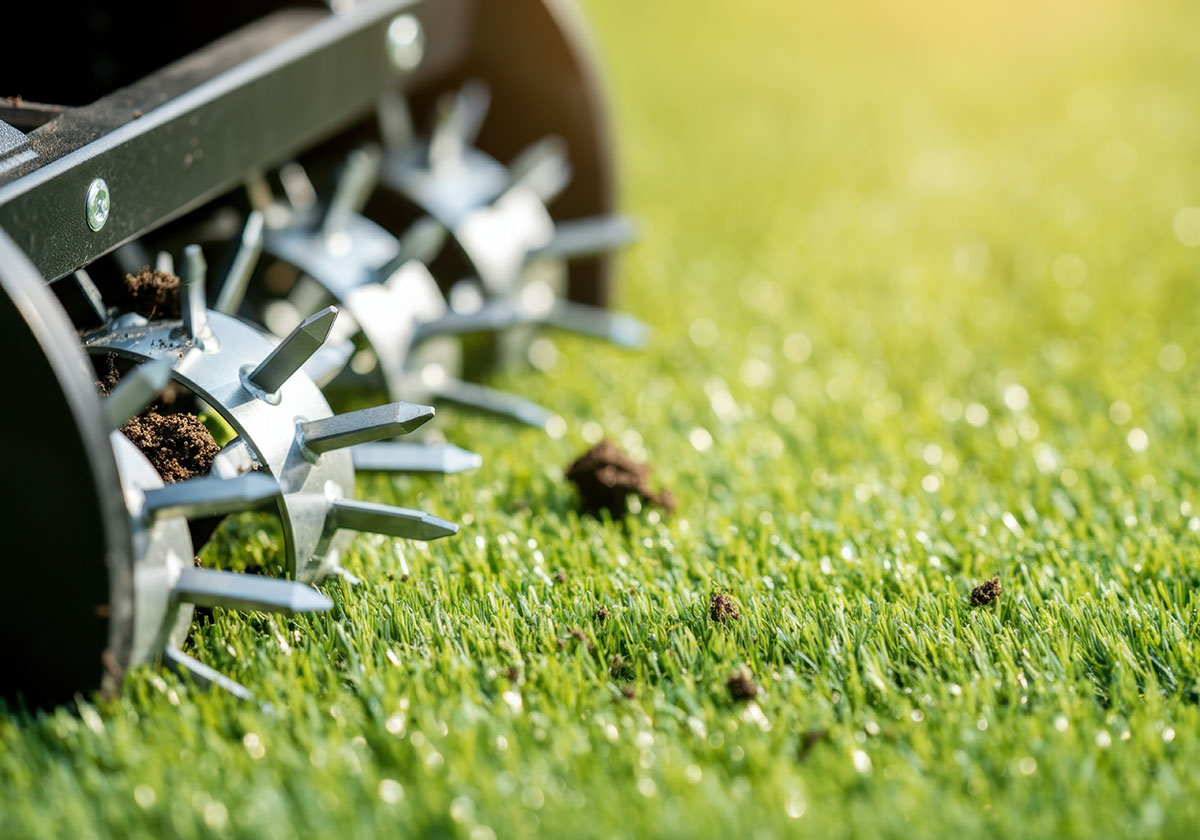
Credit: www.lawnstarter.com
Common Mistakes To Avoid
Aerating your lawn helps it grow strong and healthy. Doing it at the right time is very important.
Some people make mistakes that can harm their lawn instead of helping it. Avoid these common errors for best results.
Aerating Too Often
Aerating your lawn too often can damage grass roots. It can stress the lawn and slow growth.
Most lawns only need aeration once or twice a year. Doing it more can harm the soil and plants.
Ignoring Soil Tests
Soil tests show what your lawn really needs. Ignoring them can lead to wrong care choices.
Without a soil test, you might aerate when it is not needed. This wastes time and effort.
Aerating During Stress Periods
Aerating when the lawn is stressed can cause damage. Stress times include hot summers and dry spells.
Choose cooler, wetter times for aerating. This helps the lawn recover faster and grow better.
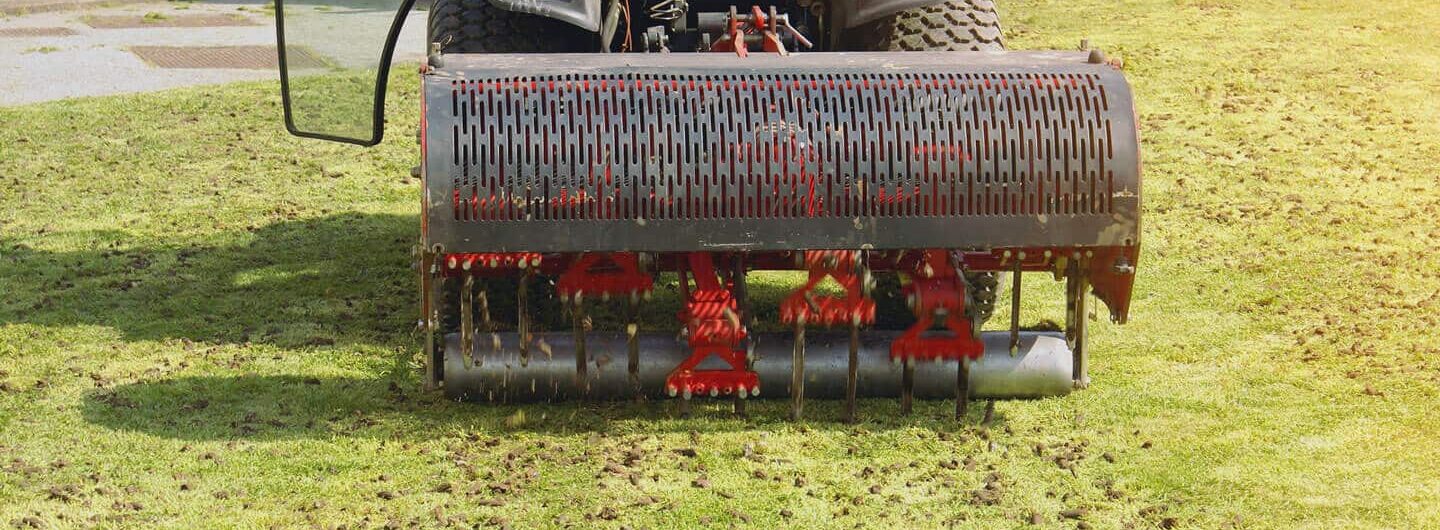
Credit: naturesseed.com
Frequently Asked Questions
When Is The Best Time To Aerate My Lawn?
The best time to aerate your lawn is during its active growth. For cool-season grasses, aerate in early spring or fall. Warm-season grasses benefit from late spring to early summer aeration. This timing ensures quick recovery and maximum nutrient absorption.
How Often Should I Aerate My Lawn Annually?
Aerate your lawn once a year for general maintenance. Lawns with heavy foot traffic or clay soil may need aeration twice yearly. Regular aeration improves soil health, reduces compaction, and promotes stronger grass roots.
Can I Aerate My Lawn In Winter?
Aerating in winter is generally not recommended. Cold temperatures and dormant grass slow recovery and growth. Aeration during active growth seasons yields better results and helps your lawn heal faster.
What Are The Signs My Lawn Needs Aeration?
Signs include compacted soil, poor drainage, thinning grass, and excessive thatch. If your lawn feels hard or water pools after rain, it likely needs aeration. These symptoms indicate restricted root growth and soil compaction.
Conclusion
Aerating your lawn helps grass grow strong and healthy. The best time depends on your grass type and climate. Doing it too early or late can harm your lawn. Choose a cool, moist day for best results. Regular aeration improves water and nutrient flow to roots.
Your lawn will look greener and feel softer. Keep a simple schedule for aeration each year. Healthy soil means a happy lawn. Easy care makes a big difference.

