
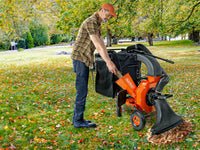
Are you tired of struggling with piles of wet leaves in your yard? You might be wondering, “Should I use a leaf vacuum on wet leaves?”
It’s a common question that can save you time and effort—or cause frustration if done wrong. You’ll discover the best way to handle wet leaves with your leaf vacuum. By the end, you’ll know exactly when and how to use it, so your yard stays clean without the hassle.
Keep reading to find out the simple tips that will make your leaf cleanup easier than ever.
Leaf Vacuum Basics
Leaf vacuums help clean yards by collecting leaves fast. They save time and effort compared to raking.
Using a leaf vacuum correctly depends on understanding how it works and the types available.
How Leaf Vacuums Work
Leaf vacuums use a motor to create suction. This pulls leaves into a collection bag or container.
The vacuum also has a shredder or mulcher. It cuts leaves into small pieces to save space.
- Suction pulls leaves off the ground
- Leaves enter the vacuum tube
- Shredder reduces leaf size
- Mulched leaves collect in a bag or bin
Types Of Leaf Vacuums
Leaf vacuums come in several types. Each fits different yard sizes and user needs.
| Type | Power Source | Best For |
| Electric | Plug-in or battery | Small to medium yards |
| Gas-powered | Gas engine | Large yards, heavy leaves |
| Backpack | Gas or battery | Easy movement, large areas |
| Push | Manual or motorized | Flat, open spaces |

Credit: www.everydaycheapskate.com
Challenges With Wet Leaves
Using a leaf vacuum on wet leaves can be tricky. Wet leaves stick together and weigh more.
This makes vacuuming less effective and can cause problems with your equipment.
Why Wet Leaves Are Different
Wet leaves have moisture that changes how they behave. They become heavy and sticky.
These leaves clump together, making it hard for the vacuum to pick them up properly.
Common Issues When Vacuuming Wet Leaves
Vacuuming wet leaves can cause blockages in the machine. The wet mass can clog the suction tube.
Wet leaves also increase the chance of the vacuum motor overheating or getting damaged.
- Leaves stick and clog the vacuum hose
- Wet clumps reduce suction power
- Motor may overheat due to extra effort
- Wet leaves are harder to shred inside the vacuum
Using Leaf Vacuums On Wet Leaves
Leaf vacuums help clean yards by sucking up leaves. Wet leaves are heavier and stick together.
Using a leaf vacuum on wet leaves can be different than using it on dry leaves. It is important to know the effects.
Pros And Cons
Wet leaves have some benefits and drawbacks when using a leaf vacuum. Knowing these helps you decide.
- Pros:Wet leaves are heavier and less likely to blow away during vacuuming.
- They often clump together, making it easier to collect many leaves at once.
- Wet leaves create less dust, which is better for people with allergies.
- Cons:Wet leaves can clog the vacuum tubes and bag quickly.
- They are harder to shred, which can reduce the vacuum’s efficiency.
- Wet leaves may cause the motor to work harder and overheat.
Safety Precautions
Using a leaf vacuum on wet leaves needs extra safety care. Wet leaves can cause some problems.
Check your leaf vacuum’s instructions before using it on wet leaves. Follow these safety tips.
- Wear gloves to avoid slipping and protect your hands.
- Use eye protection to guard against flying debris.
- Clear the area of large sticks and stones before vacuuming.
- Do not force the vacuum if it clogs; turn it off and clean the tubes.
- Keep the vacuum dry to avoid electric shock.
- Do not use the vacuum in heavy rain or standing water.

Credit: shopsavvy.com
Expert Tips For Wet Leaf Cleanup
Cleaning up wet leaves can be tricky. Wet leaves stick together and can clog your tools.
Using a leaf vacuum on wet leaves needs care to avoid damage. Here are tips for better results.
Preparing Wet Leaves For Vacuuming
Before vacuuming, spread the wet leaves out. This helps them dry faster and makes vacuuming easier.
- Use a rake to loosen the leaves from the ground.
- Turn the leaves over to let the wet parts dry.
- Remove large sticks or debris that can block the vacuum.
- Wait for a few hours if possible to reduce moisture.
Best Practices For Efficient Cleaning
| Tip | Reason |
| Use a leaf vacuum with a strong motor | It handles wet leaves without clogging easily. |
| Empty the vacuum bag often | Prevents buildup that reduces suction power. |
| Work in small sections | Helps manage wet leaf piles better. |
| Wear waterproof gloves and boots | Keeps you dry and comfortable during cleanup. |
Alternatives To Leaf Vacuums
Leaf vacuums can struggle with wet leaves. Wet leaves stick and clog the machine. Many people look for other tools to clean their yards.
Here are some easy alternatives that work well on wet leaves. They help keep your yard clean without damage or hassle.
Rakes And Brooms
Rakes are simple tools that work well on wet leaves. They gather leaves into piles for easy removal. Brooms help sweep wet leaves off hard surfaces.
Using a rake or broom takes more time than a vacuum. But they do not clog or break on wet leaves. They also do not need power or fuel.
- Use a wide leaf rake for lawns and gardens.
- Use a stiff broom to sweep leaves off patios and driveways.
- Collect leaves into piles and bag them for disposal.
Leaf Blowers And Mulchers
Leaf blowers move wet leaves quickly without getting stuck. They push leaves into piles or off paths. Mulchers chop leaves into small pieces that decompose faster.
Leaf blowers and mulchers work well with wet leaves if used correctly. Mulching reduces leaf volume and helps with garden composting.
- Use a leaf blower to clear wet leaves from lawns and sidewalks.
- Mulchers grind leaves into mulch to spread in gardens.
- Always wear safety gear when using power tools.
Maintenance After Vacuuming Wet Leaves
Vacuuming wet leaves can make your leaf vacuum dirty faster. Proper maintenance keeps it working well. Taking care of your machine after use helps it last longer.
Wet leaves can stick inside the vacuum and cause problems. Cleaning and checking your vacuum after use is important to avoid damage.
Cleaning Your Leaf Vacuum
Remove all wet leaves from the vacuum bag or container right after use. Wet leaves can rot and cause bad smells.
Check the vacuum’s filter and clean or replace it if needed. A dirty filter reduces suction power and can damage the motor.
- Empty the leaf container immediately after vacuuming
- Clean the filter by tapping or washing it if washable
- Wipe down the vacuum’s exterior with a dry cloth
- Remove any stuck leaves or debris from the nozzle and tubes
Preventing Damage And Wear
Do not leave wet leaves inside the vacuum for a long time. Moisture can cause rust and damage parts.
Store your leaf vacuum in a dry place. Avoid damp areas that can cause mold or electrical problems.
- Always dry the vacuum parts if they get wet
- Check for cracks or damage after each use
- Lubricate moving parts if the manufacturer recommends it
- Use the vacuum according to the instructions to avoid strain

Credit: www.lawnstarter.com
Frequently Asked Questions
Can I Use A Leaf Vacuum On Wet Leaves?
Using a leaf vacuum on wet leaves is generally not recommended. Wet leaves can clog the vacuum and reduce its efficiency. It may also damage the machine. It’s best to wait for leaves to dry for optimal performance and easier cleanup.
Why Are Wet Leaves Harder To Vacuum?
Wet leaves stick together and become heavy. This makes it difficult for the vacuum to suck them up. They can clog the vacuum’s intake and shredder. Wet leaves also increase the risk of motor strain or damage in the machine.
How To Clean Wet Leaves Without A Vacuum?
For wet leaves, use a rake or leaf blower instead. These tools handle moisture better and prevent clogging. You can also wait for leaves to dry before vacuuming. Manual cleanup is often quicker and safer for wet leaf removal.
Can Wet Leaves Damage My Leaf Vacuum?
Yes, wet leaves can damage your leaf vacuum. They cause clogging, motor strain, and blade jamming. Moisture can also lead to rust and electrical issues. Always follow the manufacturer’s guidelines to protect your equipment.
Conclusion
Using a leaf vacuum on wet leaves can be tricky. Wet leaves are heavier and stickier. This can clog your vacuum quickly. Dry leaves are easier to handle. They move smoothly through the vacuum. Wet leaves might also damage your equipment over time.
So, it’s better to wait. Let the leaves dry before vacuuming. Protect your tools and make the task easier. Wet leaves pose unnecessary challenges. Consider the weather and ground conditions. Make your leaf cleanup efficient and stress-free. Proper care extends your equipment’s life.

