
Have you ever wondered why your lawn doesn’t look as lush and green as you’d like? Or why certain spots seem stubbornly bald, no matter how much you water or fertilize?
The secret might lie beneath the surface. Aeration could be the missing piece in your yard care routine. But does every yard really need it? We’ll dive into the benefits of aeration and help you determine if it’s the right step for your outdoor space.
Get ready to unlock the potential of your lawn and transform your yard into the envy of the neighborhood. Curious? Keep reading to discover how aeration could be the game-changer for your grass.
Benefits Of Lawn Aeration
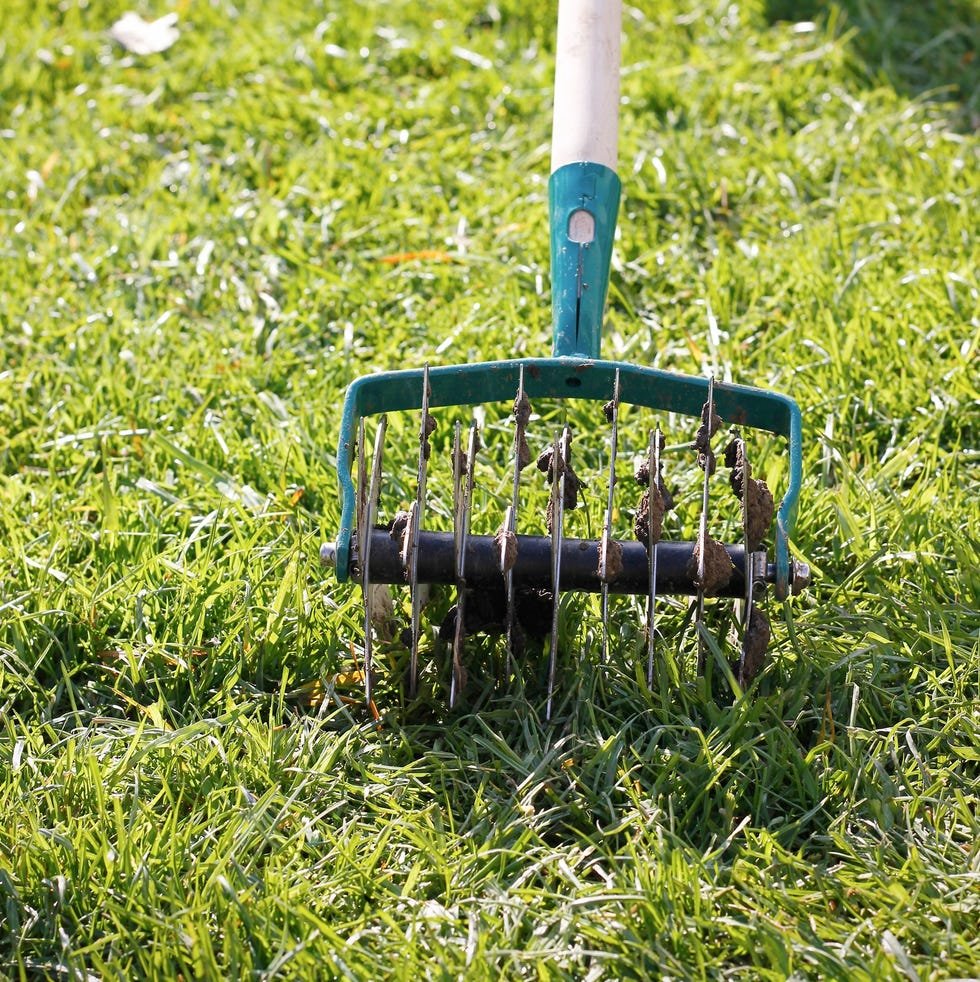
Lawn aeration helps keep your yard healthy and green. It involves making small holes in the soil.
This process helps the grass get air, water, and nutrients easier. Aeration is good for many types of lawns.
Improved Soil Health
Aeration breaks up compacted soil. This allows roots to grow deeper and stronger.
Better soil health supports beneficial microbes. These microbes help plants get nutrients from the soil.
- Reduces soil compaction
- Increases oxygen flow to roots
- Supports healthy soil organisms
Enhanced Grass Growth
Aeration helps grass grow thick and green. It makes it easier for roots to spread out underground.
Strong roots mean grass can survive heat, drought, and foot traffic better.
- Promotes strong root development
- Increases grass thickness
- Improves lawn durability
Better Water Absorption
Aeration helps water soak into the soil instead of running off. This keeps the lawn hydrated longer.
It also reduces puddles and helps prevent water waste.
- Allows water to reach roots faster
- Reduces surface water runoff
- Improves drought resistance

Credit: www.youtube.com
Signs Your Yard Needs Aeration
Aeration helps keep your yard healthy by allowing air, water, and nutrients to reach the roots. It is important to know when your yard needs this care.
Watch for signs that show your soil or grass may need aeration to stay strong and green.
Compacted Soil Symptoms
Soil that is hard and dense stops roots from growing well. Compacted soil often feels tough to dig into. Grass may look stressed or yellowish.
- Soil is hard and crusted on top
- Water sits on the surface without soaking in
- Grass roots are short or shallow
- Footprints stay visible long after walking
Thinning Grass Issues
Grass that becomes thin or patchy can mean poor soil health. The lawn may have bare spots or uneven growth. Aeration helps by improving root growth and nutrient flow.
| Symptom | Possible Cause |
| Patchy grass | Soil compaction or lack of nutrients |
| Yellow or brown spots | Root stress or poor water absorption |
| Slow grass growth | Limited air and nutrient supply |
Pooling Water Spots
Water that stays on the surface or creates puddles shows poor drainage. This can harm grass roots and invite pests. Aeration helps water soak into the soil better.
Signs of poor drainage include:
- Water puddles after rain or watering
- Wet, muddy areas in the yard
- Grass dying in certain spots
Types Of Aeration Methods
Aeration helps lawns grow better by letting air, water, and nutrients reach grass roots. There are different ways to aerate your yard.
Choosing the right method depends on your soil type and lawn needs. Here are the main types of aeration.
Core Aeration
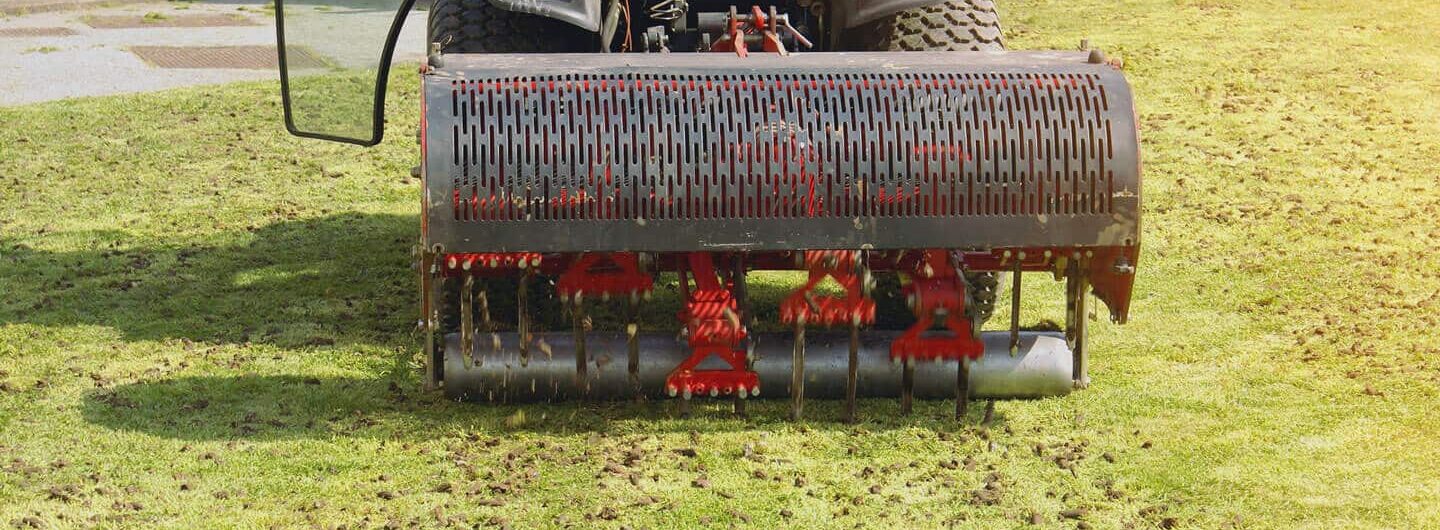
Core aeration removes small plugs of soil from your lawn. This creates space for air and water.
This method helps reduce soil compaction and improves root growth. It is good for thick, heavy soils.
- Uses a machine with hollow tines
- Removes soil plugs about 2-3 inches deep
- Leaves holes that fill with air and water
- Best done in growing season for grass
Spike Aeration
Spike aeration pokes holes into the soil with solid spikes. It does not remove soil plugs.
This method is easier but less effective for very compacted soil. It helps water and nutrients soak in.
- Uses solid spikes or nails
- Creates holes by pushing into soil
- Does not remove soil cores
- Good for mild soil compaction
Liquid Aeration
Liquid aeration uses a special solution to break up compacted soil. It improves soil texture without holes.
This method is quick and easy. It works well for lawns with mild compaction or those that cannot be physically aerated.
- Applies liquid solution to soil
- Softens soil and opens pore spaces
- No plugs or holes are made
- Can be done anytime during the growing season
Credit: naturesseed.com
When To Aerate Your Lawn
Aerating your lawn helps grass roots get air, water, and nutrients. It reduces soil compaction and improves growth.
Knowing the right time to aerate is important. It depends on the season, grass type, and weather conditions.
Seasonal Timing
Spring and fall are the best seasons to aerate most lawns. Grass grows actively during these times and recovers quickly.
Avoid aerating in summer or winter. Grass is often stressed or dormant then, so aeration may harm it.
- Spring: Ideal for cool-season grasses
- Fall: Good for warm-season and cool-season grasses
- Summer and winter: Not recommended
Grass Type Considerations
Different grass types have different aeration needs. Cool-season grasses and warm-season grasses grow in different periods.
Cool-season grasses like fescue or bluegrass grow best in spring or fall. Warm-season grasses like Bermuda or zoysia do well in late spring or early summer.
- Cool-season grasses: Aerate in early spring or early fall
- Warm-season grasses: Aerate in late spring or early summer
- Know your grass type to pick the best time
Weather Factors
Soil moisture affects aeration results. Aerate when the soil is moist but not wet or dry.
Aerating dry soil is hard and less effective. Aerating wet soil can damage the turf and soil structure.
- Check soil moisture before aerating
- Aerate after light rain or watering
- Avoid aeration during drought or flooding
Diy Vs Professional Aeration
Aeration helps your yard breathe and grow strong. It reduces soil compaction and improves water flow.
Some people do aeration themselves. Others hire professionals to do the job.
Equipment Options
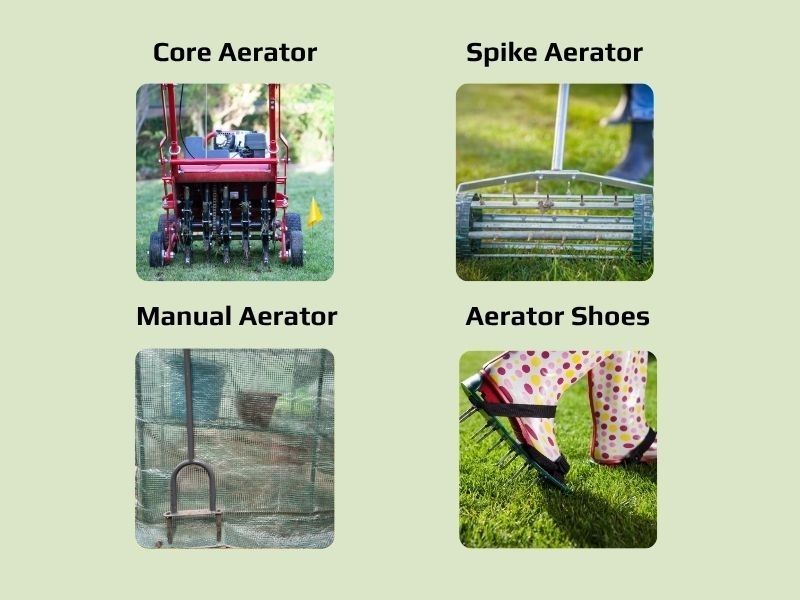
DIY aeration uses simple tools like hand aerators or small spike tools. These tools are easy to buy or rent.
Professionals use large machines called core aerators. These machines remove plugs of soil quickly and deeply.
- DIY: Hand aerators, spike shoes, manual tools
- Professional: Gas or electric core aerators, tractor-pulled machines
Cost Comparison
DIY aeration costs less upfront. You pay for tools or rentals only. This suits small yards and budgets.
Hiring professionals costs more. Prices vary by yard size and service quality. Professionals save time and effort.
- DIY: $20 to $50 for rental or purchase
- Professional: $75 to $200 per visit
Effectiveness And Results
DIY aeration works well for light soil compaction. It helps small areas and spot treatment.
Professional aeration reaches deeper and covers large yards faster. It improves soil health better in tough cases.
- DIY: Good for small, lightly compacted yards
- Professional: Best for large or heavily compacted lawns
Additional Lawn Care Tips
Aeration helps improve lawn health, but other care steps keep your yard green. Proper mowing, fertilizing, and watering support a strong lawn.
These tips help you maintain a healthy yard all year long. Follow simple habits for better grass growth.
Proper Mowing Techniques
Cut grass at the right height to avoid stress. Keep mower blades sharp for clean cuts. Avoid cutting more than one-third of the grass blade at once.
- Set mower height between 2.5 to 3 inches
- Mow when grass is dry to prevent clumping
- Change mowing pattern each time
- Remove mower clippings if very long
Fertilization Best Practices
Use fertilizer to give your lawn nutrients. Apply at the right time and in correct amounts. Over-fertilizing can harm grass and the environment.
| Fertilizer Type | Best Season | Frequency |
| Slow-release nitrogen | Spring and Fall | 2-3 times a year |
| Phosphorus | When soil test shows need | As needed |
| Potassium | Fall | Once a year |
Watering Strategies
Water deeply and less often to encourage strong roots. Early morning is the best time to water. Avoid light, frequent watering.
- Water 1 to 1.5 inches per week
- Use a rain gauge to measure water
- Adjust watering in rainy periods
- Do not water in the heat of the day
Credit: www.lawnstarter.com
Frequently Asked Questions
What Is Yard Aeration And Why Is It Important?
Yard aeration involves perforating the soil to improve air, water, and nutrient flow. It promotes healthier grass growth and reduces soil compaction, enhancing lawn vitality and resilience.
How Do I Know If My Yard Needs Aeration?
Look for signs like compacted soil, poor grass growth, water pooling, or heavy foot traffic. These indicate that aeration can help improve lawn health and drainage.
When Is The Best Time To Aerate My Yard?
The best time depends on your grass type. Aerate cool-season grasses in early spring or fall, and warm-season grasses in late spring or summer for optimal results.
Can I Aerate My Yard Myself Or Hire A Professional?
You can aerate your yard yourself using a manual or mechanical aerator. However, professionals offer expertise and equipment for large or severely compacted lawns.
Conclusion
Not every yard needs aeration all the time. Lawns with heavy soil or lots of traffic benefit most. Aeration helps roots breathe and grow stronger. It also reduces water runoff and soil compaction. Watch your grass for signs like thin patches or water pooling.
These clues show when aeration can help. Remember, healthy soil means a healthier lawn. Choose aeration based on your yard’s needs, not a fixed schedule. This way, your grass stays green and vibrant all year. Simple care goes a long way in lawn health.

