
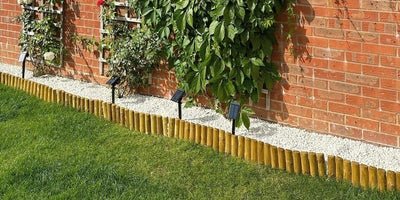
Edging your lawn can be a real challenge, especially when there are obstacles like trees, garden beds, or even pesky rocks in the way. You want that crisp, clean look for your yard, but how do you achieve it without damaging your tools or plants?
Imagine walking out into your garden and seeing perfectly defined edges that highlight the beauty of your lawn. This guide will show you exactly how to master the art of edging, even with those tricky obstacles. Dive into these simple tips and tricks, and you’ll soon discover how easy it is to transform your outdoor space into a stunning, well-manicured oasis.
Keep reading, and you’ll learn how to tackle those barriers with confidence and precision. Your lawn will thank you!
Choosing The Right Tools
Edging your lawn around obstacles can be tricky. The right tools make the job easier and cleaner.
Different tools fit different needs. Picking the best one helps you work safely and quickly.
Manual Vs. Powered Edgers
Manual edgers are simple and quiet. They work well for small areas and light jobs.
Powered edgers use gas or electricity. They cut faster and handle tough edges better.
- Manual edgers need no fuel or batteries
- Powered edgers save time on large lawns
- Manual tools require more effort
- Powered tools can reach tight spots quickly
Specialized Tools For Obstacles
Obstacles like trees, flower beds, and rocks need special tools. These tools help you edge neatly without damage.
Handheld trimmers and small blades work well near tight spaces. They let you cut close without hurting plants.
- Handheld string trimmers for curves and corners
- Small blade edgers for narrow spaces
- Garden knives for precise trimming near plants
- Flexible edging tools for uneven ground
Safety Gear Essentials
Safety gear protects you while edging near obstacles. It reduces risks of injury from tools and debris.
Wear gear that covers your eyes, hands, and ears. Choose sturdy shoes to protect your feet.
- Safety glasses to shield your eyes
- Gloves to protect your hands
- Ear protection for loud powered tools
- Closed-toe shoes or boots for foot safety
Credit: www.stewartmilnehomes.com
Preparing The Lawn
Preparing your lawn before edging makes the job easier. It helps you get clean, sharp edges around obstacles.
Start by clearing the area and marking where the edge will go. Moist soil also makes cutting easier.
Clearing Debris Around Obstacles
Remove leaves, sticks, and rocks near obstacles like trees or flower beds. This prevents damage to your tools and ensures a smooth edge.
- Pick up large debris by hand
- Rake smaller debris into piles
- Use a blower for light leaves and grass clippings
- Check carefully around fence posts and garden borders
Marking Edge Lines
Mark the edge line clearly before you start cutting. This helps keep your edging straight and neat.
| Tool | Use |
|---|---|
| Garden hose | Lay out smooth, curved edges |
| String line | Mark straight edges |
| Spray paint | Highlight the edge line on grass |
| Wooden stakes | Hold string lines in place |
Moistening The Soil
Water the soil lightly before edging. Moist soil is softer and easier to cut.
- Water the lawn a few hours before edging
- Avoid soaking the soil too much
- Check soil with your finger to feel moisture level
- Edge while soil is still damp for best results
Techniques For Edging Around Obstacles
Edging a lawn with obstacles needs care and attention. You must protect plants and hard surfaces while creating clean edges. Using the right tools helps make the job easier and safer.
This guide covers how to edge near trees, garden beds, and hardscapes. Follow simple steps to keep your lawn neat without damaging anything.
Edging Near Trees And Shrubs
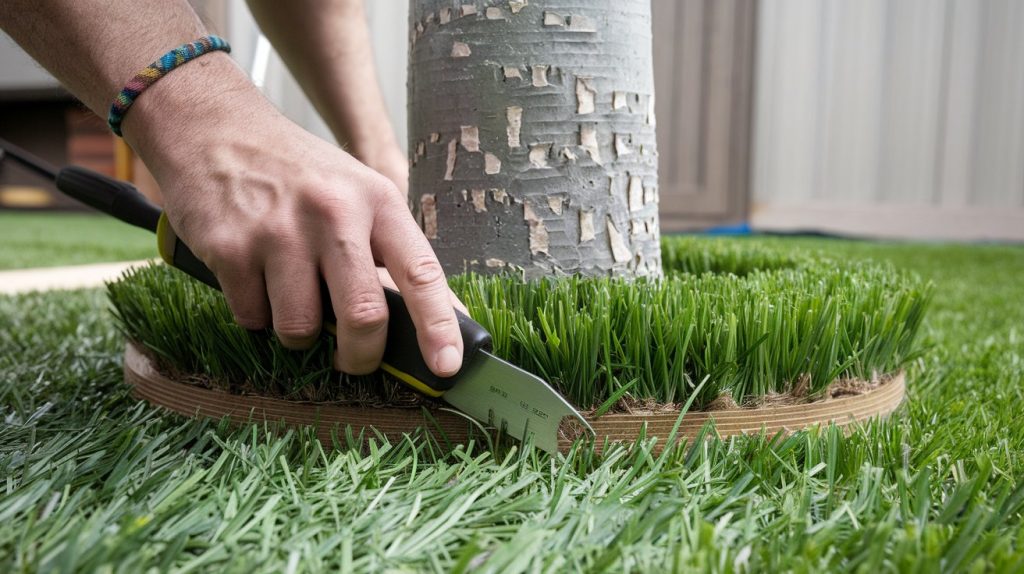
When edging near trees and shrubs, avoid cutting too close to roots. Use hand tools to work gently around the base. This prevents damage and helps plants stay healthy.
- Use a hand edger or spade near roots
- Leave a small gap around the trunk
- Cut grass edges carefully to avoid bark injury
- Remove grass clippings from around plants
Handling Garden Beds And Flower Pots
Garden beds and flower pots need clear edges without disturbing plants. Use a string line or garden hose to mark curves before edging. Move pots if possible to edge underneath.
- Mark the edge line with a string or hose
- Use a sharp spade or edging tool along the line
- Lift pots gently to trim underneath
- Replace mulch to keep garden beds neat
Working Around Hardscapes
Hardscapes like patios and walkways need clean edges to look tidy. Use a flat spade or edging knife to cut grass next to hard surfaces. Avoid cutting into the hardscape materials.
| Tool | Use | Tip |
|---|---|---|
| Flat spade | Cut grass next to hardscape edges | Keep blade vertical for a clean cut |
| Edging knife | Trim grass in tight spots | Use with steady, short strokes |
| String line | Mark straight edges | Helps keep edges even and neat |
Credit: www.yarbo.com
Maintaining Clean And Sharp Edges
Edging your lawn with obstacles can be tricky but keeps your yard neat. Clean and sharp edges improve your lawn’s appearance.
Using the right tools and techniques helps maintain perfect edges around trees, flower beds, and walkways.
Regular Trimming Tips
Trim your lawn edges often to avoid overgrowth. Use a string trimmer or an edging tool for best results.
Move slowly and follow the shape of obstacles to keep edges straight and clean.
- Cut grass blades just above soil level
- Hold the trimmer at a consistent angle
- Wear safety gear when trimming
- Clear cut grass from obstacles carefully
Dealing With Overgrowth
Overgrowth near obstacles can hide edges and make trimming hard. Use hand tools for tight spots.
Prune plants and remove weeds to keep the edges visible and tidy.
- Use pruning shears for thick plants
- Pull out weeds by the roots
- Clear debris around obstacles
- Check edges weekly during growth season
Seasonal Edge Maintenance
Season changes affect grass growth and edge shape. Adjust your edging routine for each season.
In spring and summer, trim more often. In fall, clear leaves and prepare edges for winter.
- Spring: Increase trimming frequency
- Summer: Water edges to stay healthy
- Fall: Remove leaves and dead grass
- Winter: Avoid heavy foot traffic on edges
Troubleshooting Common Challenges
Edging a lawn near obstacles can be tricky. Roots, uneven ground, and tool damage often cause problems.
Knowing how to handle these issues helps keep your lawn healthy and your tools working well.
Avoiding Damage To Roots
Roots near the lawn edge are fragile. Cutting too close can harm plants and trees.
- Use a hand edger near trees and shrubs.
- Mark root zones with flags before you start.
- Cut at a slight angle to protect roots.
- Work slowly and avoid deep cuts.
Managing Uneven Terrain
Uneven ground makes edging uneven and hard. It can also damage your tools.
| Problem | Solution |
| Hills or slopes | Use a lightweight edger and steady your stance |
| Small dips or holes | Fill with soil before edging |
| Rocky patches | Remove rocks or edge carefully around them |
Preventing Tool Damage
Tools can break if you hit hard surfaces or use them wrong.
Follow these tips to keep your tools safe:
- Check the edge of the blade for cracks or dullness.
- Avoid hitting large rocks or concrete.
- Clean tools after use to prevent rust.
- Store tools in a dry place.
- Use the right tool for each part of your lawn.
Credit: fairwaylawns.com
Frequently Asked Questions
How Do I Edge Lawn Around Garden Obstacles?
Use a hand edger or string trimmer carefully near obstacles. Mark edges first to avoid damage. Trim slowly around plants and structures for clean lines.
What Tools Work Best For Edging Near Obstacles?
A hand edger, string trimmer, or edging shears work well. Choose tools based on obstacle size and lawn type for precision and safety.
How Can I Protect Plants When Edging Lawn?
Place protective barriers like cardboard or plastic near plants. Edge gently and keep tools away from roots to avoid damage.
How Often Should I Edge Lawn With Obstacles?
Edge every 2 to 4 weeks during growing season. Regular edging maintains neat lines and prevents grass overgrowth near obstacles.
Conclusion
Edging your lawn around obstacles takes patience and care. Use the right tools to avoid damage. Work slowly and follow the shape of each obstacle. Keep the edges neat for a clean look. Regular trimming helps maintain a tidy lawn.
Practice makes this task easier over time. Enjoy the neat, well-defined lawn you create. Your garden will look cared for and inviting. Small efforts lead to big improvements. Stay consistent, and your lawn will always shine.

