
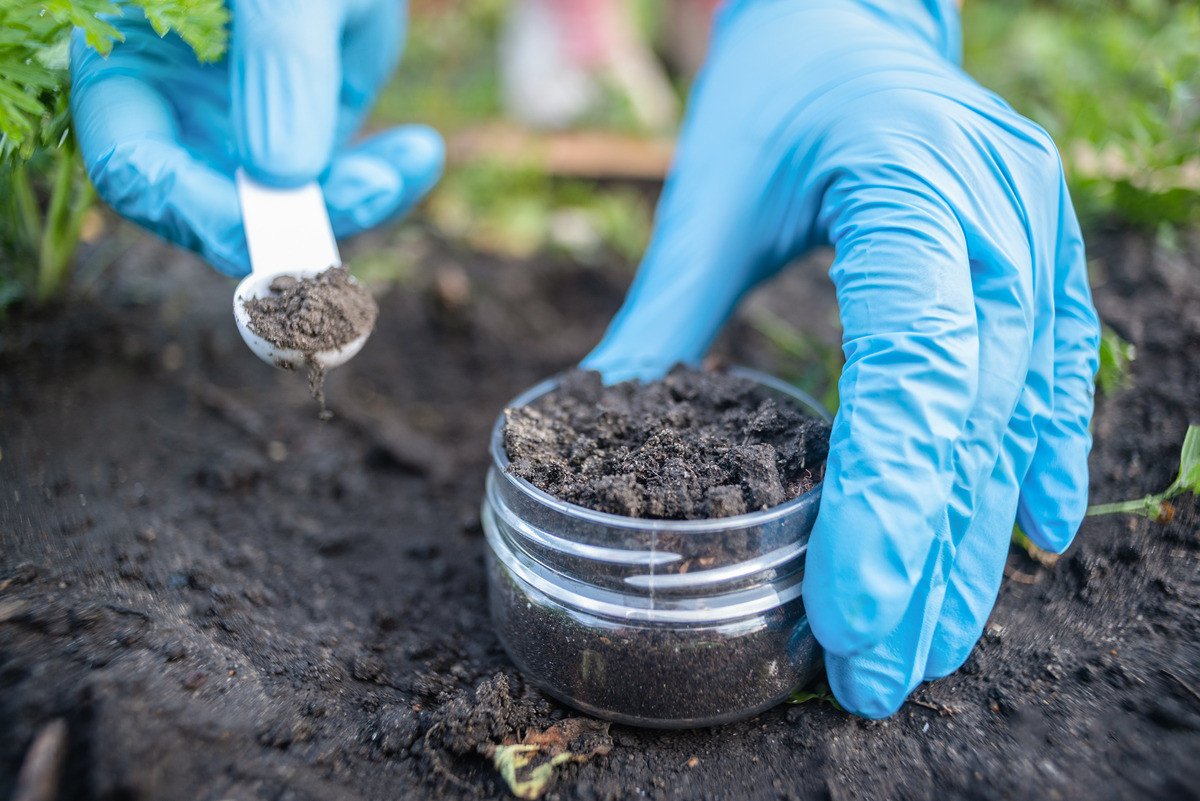
Have you ever wondered if you’re giving your garden or crops too much fertilizer? It’s a common concern for many gardeners and farmers.
Over-fertilization can harm plants, damage the soil, and even affect the environment. But how can you be sure you’re using the right amount? The answer lies in soil testing. Imagine having the power to unlock the secrets hidden beneath your feet, ensuring your plants get exactly what they need to thrive.
You’ll discover how soil testing can be your ultimate tool to prevent over-fertilization, save money, and protect the environment. Ready to dig deeper and uncover the truth about your soil? Keep reading to find out more!
Importance Of Soil Testing
Soil testing helps farmers understand their soil’s health. It shows which nutrients the soil needs or has too much of.
Knowing the soil condition stops farmers from using too much fertilizer. This saves money and protects the land.
Role In Crop Health
Soil testing gives clear information about soil nutrients. Farmers can apply the right amount of fertilizer to help crops grow strong.
- Prevents nutrient imbalances
- Improves plant growth and yield
- Reduces risk of fertilizer burn
- Ensures healthy root development
Environmental Benefits
Too much fertilizer can harm the environment. Soil testing helps avoid over-fertilization and pollution.
| Benefit | Details |
| Water Quality | Less fertilizer runoff protects lakes and rivers |
| Soil Health | Maintains natural soil balance and prevents damage |
| Air Quality | Reduces harmful gas emissions from excess fertilizers |

Credit: plantrevolution.com
Causes Of Over-fertilization
Over-fertilization happens when plants get too many nutrients. This can harm the soil and plants. Knowing why it happens helps prevent waste and damage.
Farmers often add more fertilizer than needed. This is because they want to make sure plants grow well. But too much fertilizer can cause problems.
Common Farming Practices
Many farmers use standard fertilizer amounts on all fields. They do not test the soil first. This leads to adding more nutrients than the soil needs.
Some farmers apply fertilizers too often or in large amounts. They believe more fertilizer means better crops. This practice causes over-fertilization and harms the environment.
- Using fixed fertilizer rates on all fields
- Applying fertilizer without checking crop needs
- Fertilizing too frequently or in excess
- Ignoring crop rotation and soil rest periods
Misinterpretation Of Soil Needs
Farmers may misread soil conditions without testing. They might think the soil lacks nutrients when it does not. This causes extra fertilizer use.
Without soil tests, farmers guess what fertilizer to use. They may add too much nitrogen or phosphorus. This wrong guess leads to over-fertilization and pollution.
- Assuming soil is poor without testing
- Guessing fertilizer type and amount
- Ignoring soil nutrient levels and pH
- Not updating fertilizer plans based on soil data
How Soil Testing Works
Soil testing helps farmers and gardeners understand their soil better. It shows what nutrients the soil has and what it needs.
This testing guides the right amount of fertilizer to use. It stops too much fertilizer from harming the plants or environment.
Sampling Techniques
Soil samples must come from different spots in a field. This way, the test results represent the whole area well.
- Use a clean tool to take soil from the top 6 inches.
- Take samples from 10 to 15 random places in the area.
- Mix all samples in a clean container to make one combined sample.
- Label the sample with the date and location before sending it for testing.
Analyzing Nutrient Levels
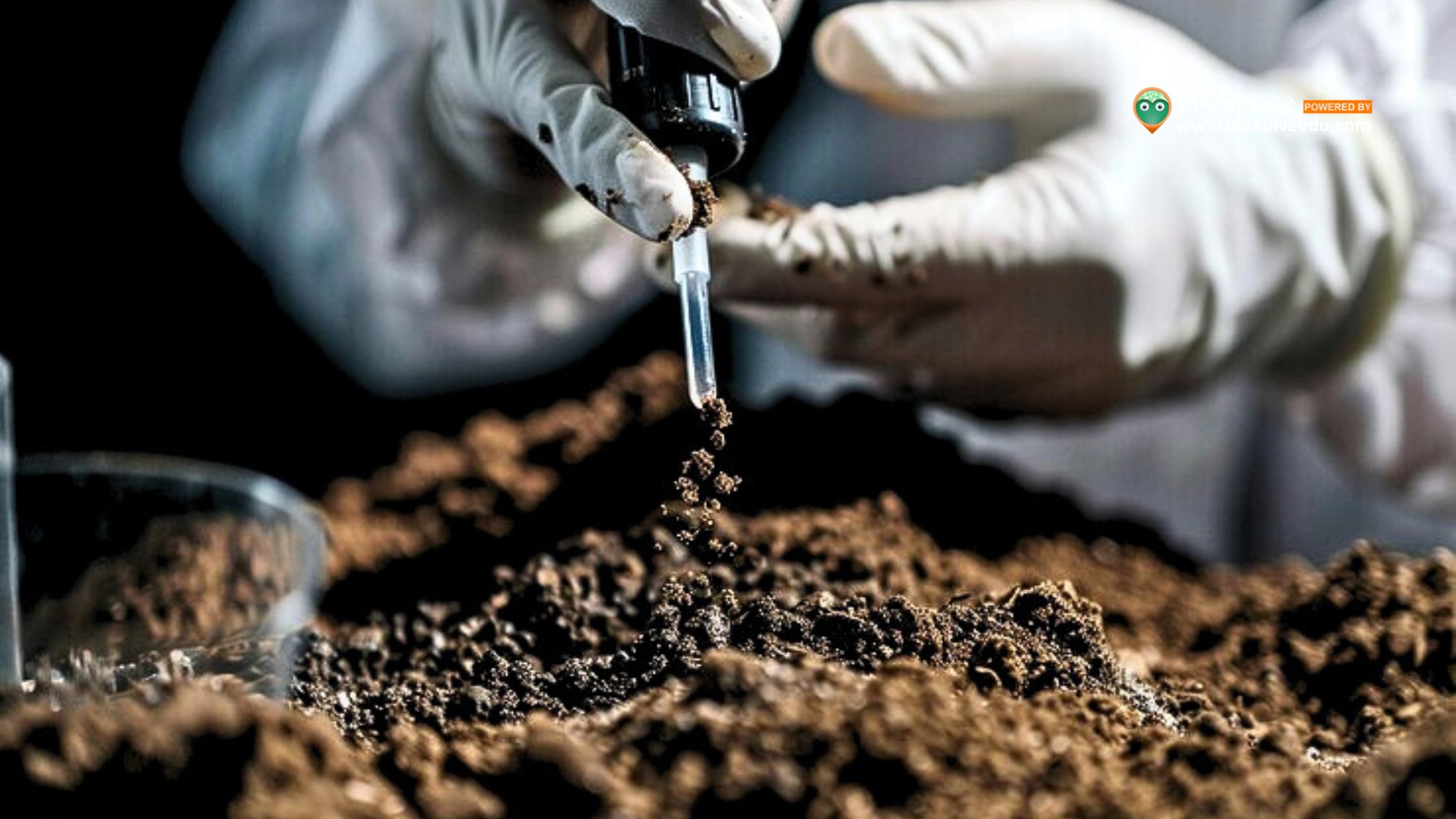
Lab tests check for key nutrients like nitrogen, phosphorus, and potassium. They also measure soil pH and organic matter.
| Test | Purpose | Normal Range |
| Nitrogen (N) | Helps plants grow leaves | 10-50 ppm |
| Phosphorus (P) | Supports root development | 15-40 ppm |
| Potassium (K) | Strengthens plant health | 100-250 ppm |
| pH Level | Measures soil acidity | 6.0-7.5 |
Credit: blog.maadiveedu.com
Link Between Soil Testing And Fertilizer Use
Soil testing helps farmers know what nutrients the soil already has. This information guides how much fertilizer to apply.
Using the right amount of fertilizer saves money and protects the environment. Soil tests reduce the risk of using too much fertilizer.
Tailoring Fertilizer Application
Soil testing shows the exact nutrient levels in the soil. Farmers can apply fertilizer that matches the soil’s needs.
This helps avoid wasting fertilizer on nutrients the soil already has. It also helps plants grow better with the right nutrients.
- Test soil before planting crops
- Apply only needed nutrients
- Adjust fertilizer types based on soil results
Preventing Excess Nutrients
Too much fertilizer can harm plants and pollute water. Soil testing prevents adding extra nutrients that the soil does not need.
It helps keep nutrients balanced and prevents runoff. This protects the environment and saves farmers money on fertilizer.
- Limits fertilizer use to needed amounts
- Reduces nutrient runoff into water bodies
- Protects soil health over time
Benefits Of Avoiding Over-fertilization
Soil testing helps farmers know exactly what nutrients their soil needs. This stops them from using too much fertilizer. Avoiding over-fertilization saves money and protects the environment.
Using the right amount of fertilizer keeps soil healthy. It also prevents harmful chemicals from reaching water sources.
Cost Savings
Over-fertilizing wastes money on extra fertilizer that plants do not need. Soil testing shows the exact nutrients missing in the soil. This allows buying only what is necessary.
- Reduce fertilizer expenses by applying the right amount
- Lower labor costs by avoiding extra fertilizer spreading
- Prevent crop damage caused by too much fertilizer
- Improve crop yield by balancing nutrient use
Soil And Water Protection
Too much fertilizer harms the soil and nearby water bodies. It can cause nutrient runoff that pollutes rivers and lakes. Soil testing helps prevent these problems by guiding proper fertilizer use.
| Problem | Effect | How Soil Testing Helps |
| Nutrient Runoff | Water pollution and algae growth | Limits excess fertilizer application |
| Soil Acidification | Reduces soil fertility over time | Balances soil nutrient levels |
| Harm to Wildlife | Disrupts aquatic life and ecosystems | Prevents chemical buildup in water |
Common Myths About Soil Testing
Many people believe soil testing is too costly or hard to do. These myths stop them from checking their soil health.
Soil testing helps prevent over-fertilization by showing exactly what nutrients the soil needs. Let’s explore common myths about soil testing.
Cost Concerns
Some think soil testing is too expensive for regular use. They worry the price will not fit their budget.
- Soil tests often cost less than buying extra fertilizer.
- Testing helps avoid spending money on unneeded nutrients.
- Many local services offer affordable soil testing options.
Perceived Complexity
People may believe soil testing is too hard or takes too long. They feel it needs special skills or tools.
Here is a simple overview of the soil testing process:
| Step | Action |
|---|---|
| 1 | Collect soil sample from your garden |
| 2 | Send sample to a lab or use a test kit |
| 3 | Receive a report with nutrient levels |
| 4 | Apply fertilizer based on the report |
Tips For Effective Soil Testing
Soil testing helps farmers and gardeners know what nutrients the soil needs. It stops adding too much fertilizer.
Good soil testing saves money and keeps plants healthy. Follow these tips to get the best results.
When To Test
Test soil before planting new crops or gardens. This gives time to fix nutrient problems.
Testing once every 2-3 years keeps soil balanced. Check more often if you add fertilizer often.
- Test early spring or fall for best results
- Test after heavy rain or flooding
- Test if plants look weak or yellow
Choosing A Laboratory
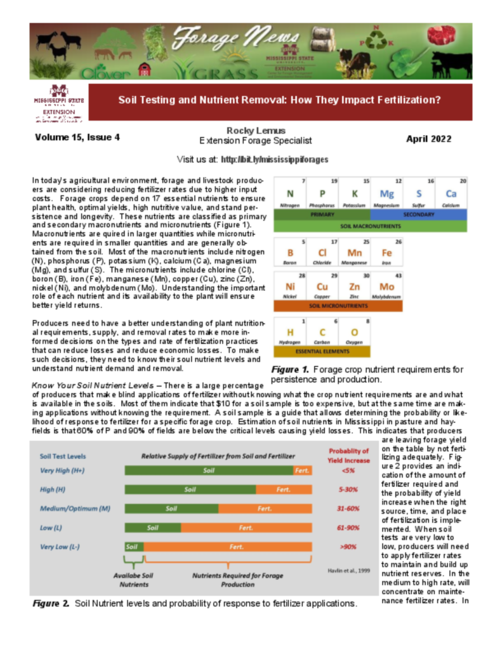
Pick a lab with good experience in soil testing. They should give clear and easy to read reports.
Look for labs that follow standard testing methods. Fast results help you plan fertilizer use on time.
- Check lab certifications and reviews
- Ask if they test for nutrients you need
- Compare prices and turnaround times
Credit: extension.msstate.edu
Frequently Asked Questions
What Is Soil Testing And Why Is It Important?
Soil testing analyzes nutrient levels and pH in soil. It helps farmers apply the right fertilizer amount. This prevents over-fertilization, saves money, and protects the environment.
How Does Soil Testing Prevent Over-fertilization?
Soil testing reveals exactly which nutrients are needed. Farmers avoid adding excess fertilizers that harm crops and soil. This reduces nutrient runoff and pollution, promoting sustainable farming.
How Often Should Soil Testing Be Done?
Soil testing is recommended every 2-3 years or before planting new crops. Regular testing ensures nutrient balance and prevents overuse of fertilizers over time.
Can Soil Testing Improve Crop Yield?
Yes, soil testing provides data to optimize fertilizer use. Balanced nutrients support healthy plant growth and increase crop yield while minimizing fertilizer waste.
Conclusion
Soil testing helps you know exactly what nutrients your soil needs. It stops you from adding too much fertilizer by mistake. This protects plants and saves money on extra products. Testing also keeps the soil healthy for a long time.
It supports better plant growth without harming the environment. Regular checks make farming and gardening smarter and safer. Simple steps like soil testing lead to better results. Try it and see the difference in your plants and soil.
