
Are you tired of your lawn looking a bit wild around the edges? Dreaming of that crisp, clean line between your grass and driveway or flower beds?
You’re not alone. Achieving a picture-perfect lawn isn’t just about mowing. It’s about the details, and that’s where a lawn edger steps in. This tool can transform your yard from untamed to pristine. But how exactly do you use a lawn edger to get those professional-looking results?
Don’t worry, you’re about to discover the secrets to mastering this essential gardening tool. Stick around, and by the end of this article, you’ll know exactly how to give your lawn that finishing touch it deserves.
Choosing The Right Lawn Edger
Keeping your lawn edges neat makes your yard look tidy. Using the right lawn edger helps you do this easily.
Different lawn edgers fit different needs. Choose one that matches your lawn size and your comfort.
Types Of Lawn Edgers
Lawn edgers come in several types. Each type works differently to trim the edges of your lawn.
- Manual Edgers:Use your own power to cut edges. Good for small lawns.
- Gas-Powered Edgers:Use gasoline engines. Best for large lawns and tough edges.
- Electric Edgers:Run on electricity. They are lighter and quieter than gas ones.
- Battery-Powered Edgers:Cordless and easy to use. Ideal for medium lawns.
Manual Vs. Powered Edgers
Manual edgers need your physical effort. They are simple and need no fuel or charging.
Powered edgers use gas or electricity. They cut faster and require less effort.
- Manual Edgers:Quiet, light, low cost, good for small jobs.
- Powered Edgers:Faster, can cut thick grass, heavier, need fuel or charge.
Features To Consider
Some features make a lawn edger easier to use. Look for these when choosing one.
- Adjustable Cutting Depth:Lets you cut edges at different heights.
- Comfortable Handle:Helps you hold and guide the edger easily.
- Weight:Lighter models are easier to use for longer times.
- Cord Length or Battery Life:Check if it fits your yard size without stopping.
- Blade Type:Sharp blades cut better and last longer.

Credit: www.youtube.com
Preparing Your Yard
Preparing your yard is important before using a lawn edger. It helps make the edging process smooth and effective.
Clear the area and plan the edges carefully. This saves time and prevents damage to your yard.
Clearing Debris
Remove sticks, rocks, and leaves from the lawn edge. These can block the edger or cause accidents.
- Pick up large branches and stones
- Rake leaves and small debris
- Check for hidden objects in the soil
Marking Edging Lines
Mark clear lines where you want to edge. This guides your work and keeps edges straight.
| Tool | Use |
| Garden hose | Lay it on ground to shape curves |
| String and stakes | Create straight lines and corners |
| Chalk or spray paint | Mark visible lines on grass |
Safety Precautions
Wear safety gear before starting. This protects you from flying debris and sharp parts.
- Wear safety glasses to protect your eyes
- Use gloves to keep your hands safe
- Wear closed-toe shoes for foot protection
- Keep children and pets away from the work area
Step-by-step Edging Process
Using a lawn edger creates neat, clean borders around your lawn. It helps separate grass from sidewalks and flower beds. Follow these steps to edge your lawn properly.
Take your time and keep steady hands for the best results. This guide breaks down the process into easy parts.
Setting The Depth And Angle
Set the edger blade to the right depth before you start. The blade should cut about 2 to 3 inches into the ground. This depth trims roots and stops grass from growing over the edge.
- Turn off the edger and unplug it if electric.
- Locate the depth adjustment lever or knob.
- Lower the blade to about 2-3 inches deep.
- Adjust the angle so the blade leans slightly toward the edge.
- Check that the blade moves freely without hitting hard soil or rocks.
Starting The Edge
Start edging at a corner or visible landmark. Keep the edger steady and move slowly. Let the blade do the cutting without forcing it.
- Stand with your feet shoulder-width apart for balance.
- Hold the edger handles firmly but relaxed.
- Position the blade at the edge of the lawn.
- Turn on the edger and wait for the blade to reach full speed.
- Push the edger forward along the edge in a straight line.
- Stop and lift the blade at the end of each pass.
Maintaining Consistent Lines
Keep your edge lines straight and even. Use landmarks or a string line as a guide. Check your progress regularly.
| Tip | Reason |
| Use a string line | Helps keep edges straight |
| Move at steady speed | Prevents uneven cuts |
| Keep blade sharp | Ensures clean cuts |
| Clear debris often | Avoids blade clogging |
| Check depth regularly | Keeps edge uniform |
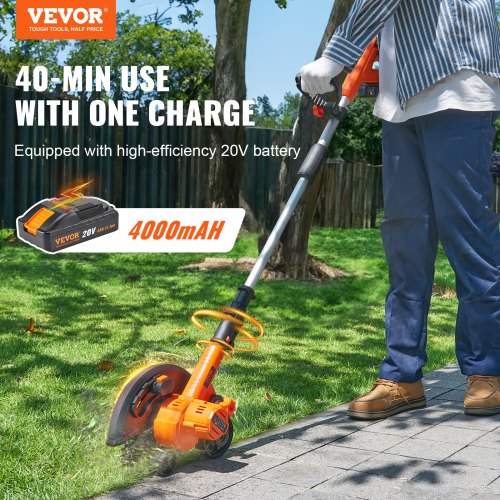
Credit: www.vevor.ca
Common Edging Mistakes To Avoid
Using a lawn edger can make your yard look neat and tidy. But some common mistakes can damage your lawn or tools. Avoid these errors to get the best results.
Pay attention to how you edge to keep your grass healthy and your edges clean. Learn what to watch out for before you start.
Cutting Too Deep
Cutting too deep can hurt your grass roots and soil structure. It may cause brown spots and uneven edges in your lawn.
Keep the blade shallow and only trim the grass blades and a small part of the soil. This keeps your lawn healthy and looking good.
Ignoring Safety Gear
Not wearing safety gear can lead to injuries from flying debris or the edger blade. Always protect yourself before starting.
- Wear safety goggles to protect your eyes
- Use gloves to protect your hands
- Wear sturdy shoes to protect your feet
- Consider ear protection if the edger is loud
Rushing The Process
Moving too fast can cause uneven cuts and damage your lawn edges. Take your time to make straight, clean lines.
Slow and steady edging gives the best look. It also helps prevent accidents and keeps your tools in good shape.
Maintaining Your Lawn Edger
Keeping your lawn edger in good shape helps it work well for a long time. Regular care prevents damage and saves money on repairs.
Follow simple steps to clean, sharpen, and store your edger properly after each use.
Cleaning After Use
Clean your lawn edger right after you finish using it. Dirt and grass can build up and cause problems.
Use a brush or cloth to remove all debris from the blade and body. Avoid using water on electric parts.
- Remove grass clippings stuck on the blade
- Wipe off dirt from the handle and motor
- Check for any stuck stones or debris
Blade Sharpening Tips
A sharp blade cuts cleanly and makes your work easier. Dull blades tear the grass and damage your lawn.
Sharpen the blade regularly using a file or sharpening stone. Be careful and wear gloves to protect your hands.
- Disconnect the power or remove the spark plug first
- Clamp the blade in a secure position
- Sharpen each edge evenly with smooth strokes
- Check the blade balance after sharpening
Storage Recommendations
Store your lawn edger in a dry and safe place. Proper storage prevents rust and damage.
Keep it away from moisture and extreme temperatures. Cover the blade to protect it from dust and accidents.
- Use a blade guard or wrap the blade in cloth
- Hang the edger or place it on a shelf
- Keep it out of reach of children
- Check the storage area for pests regularly
Enhancing Yard Appearance
Using a lawn edger helps create clear lines between your lawn and other areas. This makes your yard look neat and well cared for.
Edges give your yard a polished look and define spaces for plants and walkways. It improves the overall style of your outdoor space.
Combining Edging With Mulching
Edging your lawn before adding mulch helps keep mulch in place. It also stops grass from growing into flower beds.
This combination creates a clean border and improves soil health. Mulch keeps moisture in and protects plant roots.
- Edge lawn carefully along garden beds
- Apply mulch evenly inside the edged area
- Use mulch to highlight plants and paths
Regular Maintenance Schedule
Keep edges sharp by trimming every two weeks during growing season. This stops grass from spreading into unwanted areas.
Check edges after mowing to fix any uneven spots. Regular care keeps your yard looking fresh and tidy.
- Trim edges every 14 days in spring and summer
- Clean debris from edges after mowing
- Inspect edges for damage and fix as needed
Seasonal Edging Tips
In spring, use edging to prepare garden beds for planting. Remove old mulch and shape edges clearly.
Fall is good for deep edging to remove grass roots. This helps prevent grass growth in beds during winter.
- Spring: Clean old mulch and sharpen edges
- Summer: Maintain edges regularly to control growth
- Fall: Deep edge to prevent root spread
- Winter: Check edges and remove debris

Credit: www.youtube.com
Frequently Asked Questions
What Is The Best Time To Use A Lawn Edger?
The best time to use a lawn edger is during dry weather. Morning or late afternoon is ideal to avoid heat stress. Edging when grass is dry ensures clean cuts and prevents clumping. Regular edging enhances lawn appearance and health.
How Do I Choose The Right Lawn Edger?
Choose a lawn edger based on lawn size and power needs. Gas edgers suit large areas; electric or battery models fit smaller lawns. Consider blade type, ease of use, and maintenance. Proper selection ensures efficient and comfortable edging.
Can I Use A Lawn Edger On Wet Grass?
It’s best to avoid using a lawn edger on wet grass. Wet grass can clog the blade and cause uneven edges. It also increases the risk of slipping. Wait until the lawn is dry for optimal edging results.
How Deep Should A Lawn Edger Cut?
A lawn edger should cut about 1 to 2 inches deep. This depth trims grass roots and soil edges cleanly without harming the lawn. Proper depth prevents overcutting and promotes healthy lawn borders.
Conclusion
Using a lawn edger keeps your yard neat and tidy. It helps create clear, sharp lines along sidewalks and flower beds. Regular edging improves your lawn’s appearance and health. Always follow safety tips and use the right tool for your needs.
With practice, edging becomes easier and faster. Enjoy a clean, well-maintained lawn that stands out in your neighborhood. Simple steps make a big difference in lawn care. Give your yard the finishing touch it deserves.

