
Are you standing in your garden, pondering over the best way to trim those overgrown branches? You’re not alone.
The choice between manual pruning tools and their power counterparts can be baffling. Do you rely on the tried-and-true method of hand shears, or do you embrace the convenience of power tools? This decision impacts not only your garden’s health but also your own satisfaction.
Before you make a choice, consider what truly matters to you—precision, ease, or perhaps even cost. We’ll dive into the strengths and weaknesses of each option, so you can confidently equip yourself with the best tool for the job. Stay with us, as we unveil the secrets to achieving a lush and well-maintained garden.
Credit: gardeningproductsreview.com
Manual Pruning Tools
Manual pruning tools are hand-operated devices used to trim plants and trees. They do not require electricity or batteries.
These tools help gardeners maintain plant health and shape by cutting unwanted branches and stems.
Types Of Manual Tools
There are different manual tools for pruning, each suited for specific tasks. Choosing the right tool depends on the plant size and type.
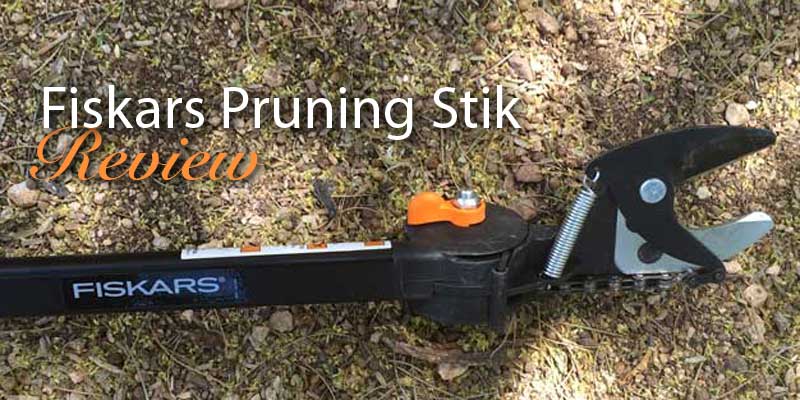
- Pruning Shears: Small scissors for thin branches and stems
- Loppers: Long-handled cutters for medium branches
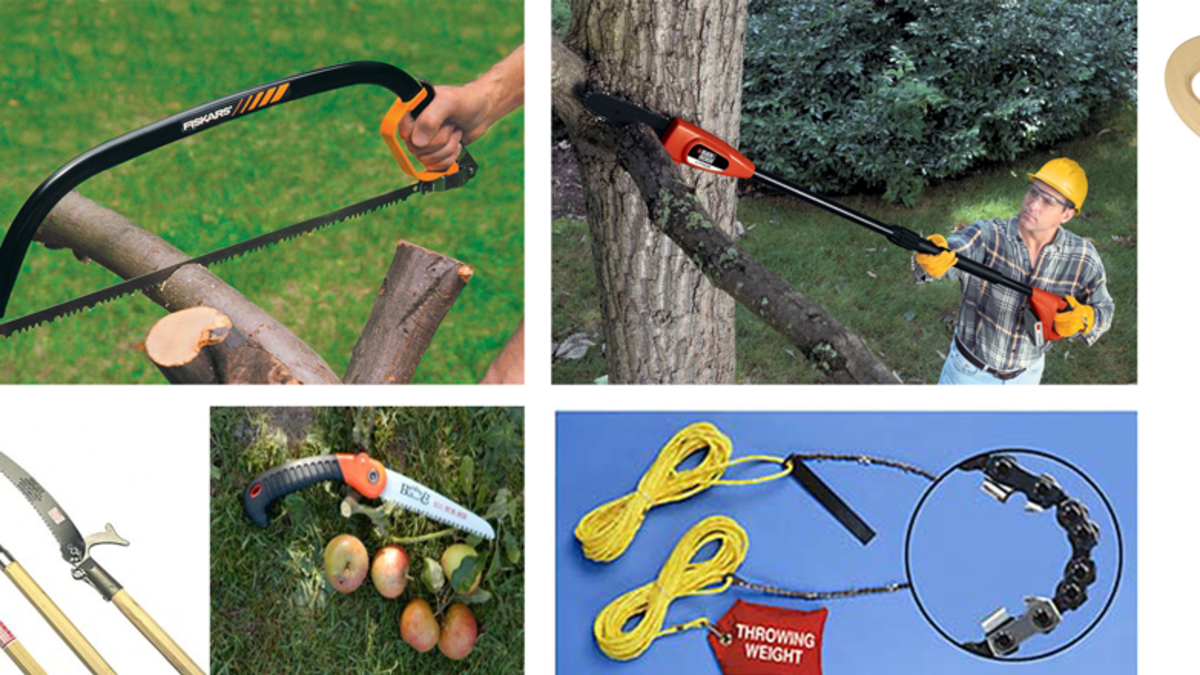
- Hand Saws: Small saws for thicker branches
- Hedge Shears: Scissors with long blades for trimming hedges
Advantages Of Manual Tools
Manual pruning tools offer control and precision. They allow careful cuts without damaging plants.
These tools are light, easy to carry, and do not need power sources. They are quiet and safe to use.
- Precise cutting for healthy plant growth
- No need for electricity or fuel
- Lightweight and easy to handle
- Quiet operation without noise pollution
- Lower cost and simple maintenance
Limitations Of Manual Tools
Manual pruning tools can be tiring for large jobs. They require physical effort and time to finish work.
These tools may not cut very thick or hard branches easily. Some tasks need more powerful equipment.
- Can cause hand fatigue during long use
- Less effective on very thick branches
- Slower than power tools for large areas
- Requires regular sharpening and care
Credit: dengarden.com
Power Pruning Tools
Power pruning tools make cutting branches faster and easier. They use electricity or batteries to work.
These tools help gardeners and workers save time and effort in pruning tasks.
Types Of Power Tools
There are several types of power pruning tools for different jobs. Each tool suits certain plants and branch sizes.
- Electric pruning shears – good for small branches and light work.
- Battery-powered chainsaws – useful for medium to large branches and quick cuts.
- Gas-powered hedge trimmers – ideal for shaping bushes and large hedges.
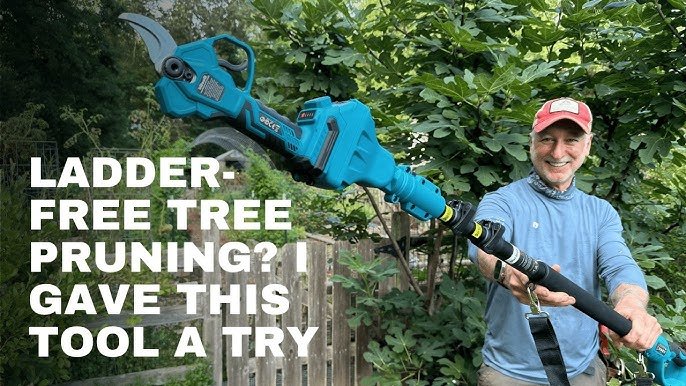
- Pole pruners – help reach high branches without a ladder.
Advantages Of Power Tools
Power pruning tools offer several benefits over manual tools. They reduce physical strain and increase speed.
| Advantage | Details |
|---|---|
| Speed | Cut branches much faster than manual tools. |
| Less Effort | Require less physical strength to operate. |
| Precision | Allow cleaner and more precise cuts. |
| Reach | Tools like pole pruners reach high branches safely. |
Limitations Of Power Tools
Power tools also have some limits. They need power sources and can be heavier than manual tools.
- Require charging or fuel to work.
- Can be noisy during use.
- May need regular maintenance to keep running well.
- Heavier tools can be hard to handle for long periods.
Comparing Manual And Power Tools
Manual pruning tools and power tools serve the same purpose. They help cut and shape plants and trees.
Each type has its own strengths and weaknesses. Choosing the right tool depends on the job and user needs.
Efficiency And Speed
Power tools work faster than manual tools. They can cut thick branches with less effort.
Manual tools take more time but are good for small tasks. They do not need batteries or fuel.
- Power tools save time on large jobs
- Manual tools are slower but simple to use
- Power tools require power sources
- Manual tools work anywhere anytime
Precision And Control
Manual tools offer better control for detailed work. Users can make precise cuts easily.
Power tools may be less precise because of their speed. They are best for rough or big cuts.
- Manual tools allow careful shaping
- Power tools speed up heavy cutting
- Manual tools reduce damage to plants
- Power tools need steady handling
Safety Considerations
Manual tools are safer for most users. They move slowly and are easier to control.
Power tools can cause serious injury if used wrong. Protective gear and caution are important.
- Manual tools have less risk of accidents
- Power tools require safety equipment
- Manual tools are lighter and easier to handle
- Power tools can kick back or slip
Cost And Maintenance
Manual tools are usually cheaper to buy and maintain. They need simple cleaning and sharpening.
Power tools cost more and need regular maintenance. Batteries, fuel, or parts may need replacing.
- Manual tools cost less upfront
- Power tools have higher repair costs
- Manual tools last longer with care
- Power tools need power or fuel

Credit: www.seesiius.com
Choosing The Right Tool
Picking the right pruning tool is important for good results. You can choose manual or power tools.
Each tool type works better in different situations. Think about your needs before deciding.
Based On Task Size
Small pruning jobs work well with manual tools. They are easy to handle and precise.
Large jobs need power tools. They save time and cut thicker branches faster.
- Manual tools: best for light trimming and small plants
- Power tools: good for big branches and many cuts
Skill Level And Experience
Manual pruning tools are simple to use for beginners. They need less training and care.
Power tools require more skill and safety knowledge. Use them only if you feel confident.
- Manual tools: easy for new gardeners
- Power tools: need experience and caution
Environmental Impact
Manual tools do not use electricity or fuel. They are quiet and eco-friendly.
Power tools run on batteries or gas. They make noise and produce emissions.
- Manual tools: zero emissions, low noise
- Power tools: may cause pollution and noise
Budget Constraints
Manual pruning tools usually cost less at first. They need little maintenance.
Power tools cost more to buy and run. You must pay for fuel or batteries.
- Manual tools: lower upfront and running costs
- Power tools: higher purchase and maintenance costs
Frequently Asked Questions
What Are The Benefits Of Manual Pruning Tools?
Manual pruning tools offer precise cuts, better control, and are quieter. They are ideal for delicate plants and small tasks. These tools require no power source, making them eco-friendly and cost-effective for gardeners.
How Do Power Pruning Tools Improve Efficiency?
Power pruning tools speed up cutting, especially for thick branches. They reduce physical strain and save time on large jobs. These tools are perfect for professional landscapers and extensive garden maintenance.
Are Manual Tools Safer Than Power Tools?
Manual tools are generally safer due to slower operation and easier handling. They reduce the risk of accidental injuries but require proper technique. Power tools need caution and protective gear to avoid accidents.
Which Pruning Tool Is Best For Beginners?
Manual pruning tools are best for beginners due to simplicity and control. They help develop pruning skills without overwhelming power or speed. Beginners should start with manual tools before progressing to powered options.
Conclusion
Choosing between manual and power pruning tools depends on your needs. Manual tools offer more control and precision. They suit small gardens and delicate plants well. Power tools save time and effort for big jobs. They work best on thick branches and large areas.
Both types have benefits and limits to consider. Think about your garden size and comfort level. Use the right tool for each task to get the best results. Keep your plants healthy and your work easy. The best choice fits your garden and your style.

