
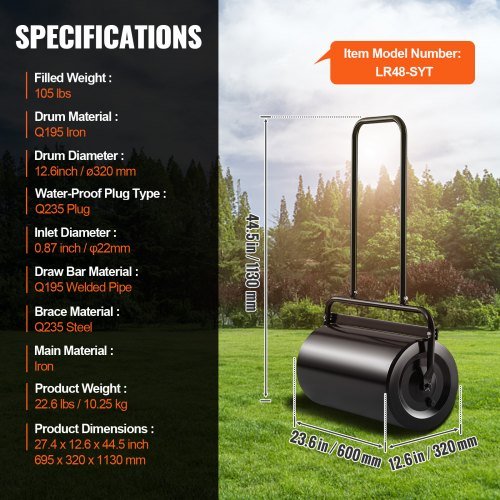
Have you ever wondered how to achieve that perfectly smooth lawn you see in the magazines? The secret might just be in a tool you haven’t considered yet: the water-filled lawn roller.
Imagine the satisfaction of walking across your yard, feeling the even surface beneath your feet, and knowing your lawn is the envy of the neighborhood. If you’re looking to transform your outdoor space into a lush, level paradise, understanding how water-filled lawn rollers work could be your game-changer.
You’ll discover exactly what these rollers are, how they function, and why they might be the missing piece in your lawn care routine. Get ready to unlock the potential of your lawn and see results that will make you proud every time you look out your window.
Credit: www.vevor.ca
Water-filled Lawn Rollers Explained
Water-filled lawn rollers are tools used to flatten and smooth lawns. They help create an even surface for grass and soil.
These rollers are light when empty and heavy when filled with water. This makes them easy to move and effective for lawn care.
Design And Materials
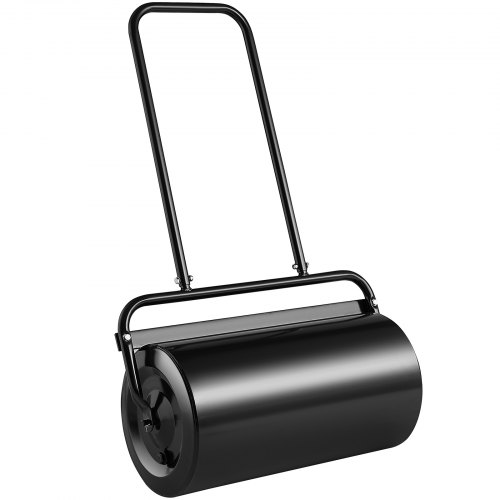
Water-filled lawn rollers are usually made from strong plastic or metal. The shell is hollow to hold water inside.
They have a wide cylinder shape that rolls smoothly over the lawn. Some rollers include handles for easy pushing or pulling.
- Durable plastic or steel outer shell
- Hollow inside for water filling
- Wide cylinder shape for even pressure
- Handles attached for better control
How They Work
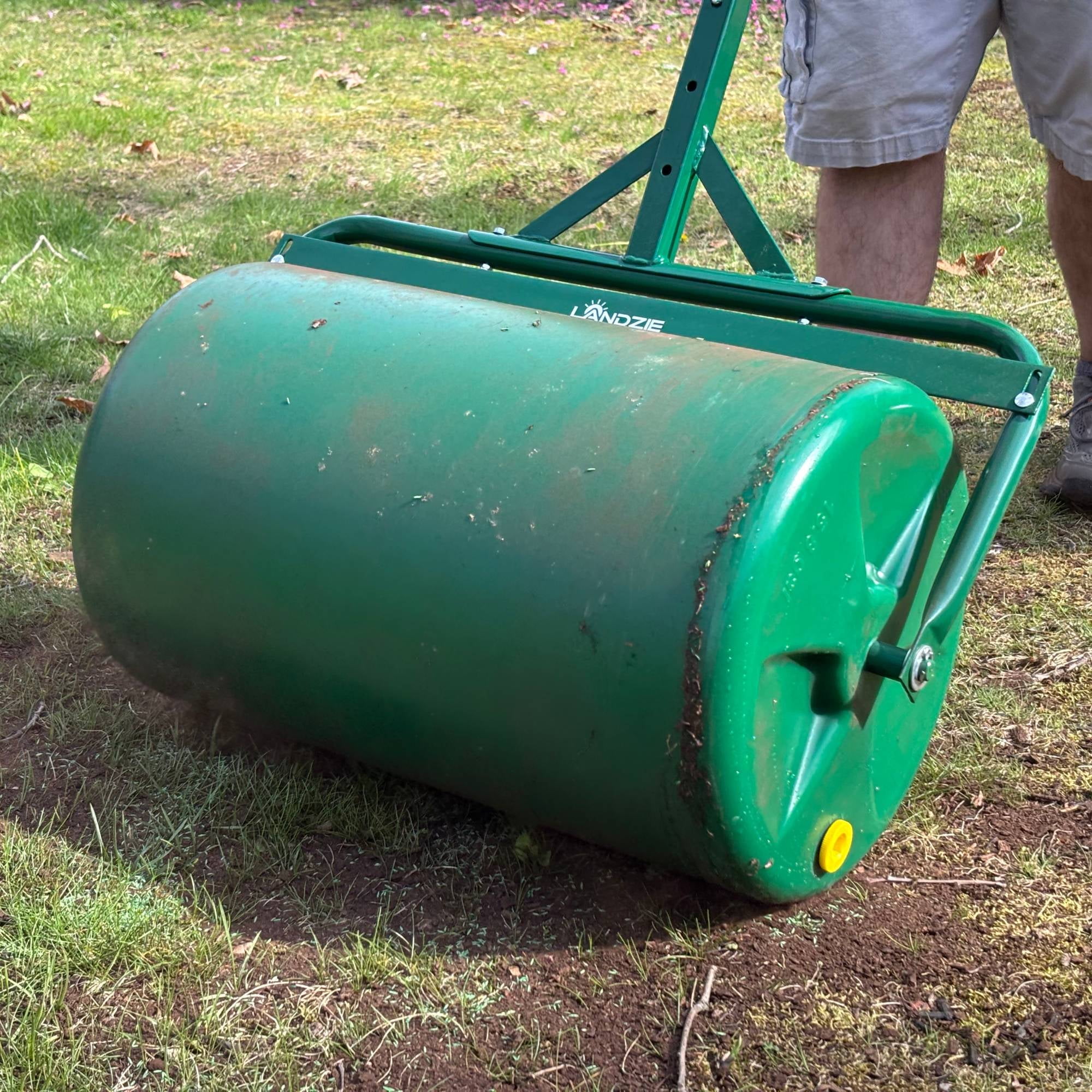
Fill the roller with water to add weight. The heavier roller presses down on the soil and grass.
When pushed or pulled, the roller smooths bumps and levels the ground. Empty it to move or store easily.
- Fill roller with water to increase weight
- Roll over lawn to flatten soil and grass
- Water weight helps press down uneven spots
- Empty roller to carry or store it easily
Benefits For Lawn Care
Water-filled lawn rollers help improve the health of your lawn. They work by pressing the soil evenly.
Using these rollers can make your grass grow better and look neater over time.
Improving Soil Contact
Water-filled lawn rollers press the soil firmly around grass roots. This helps roots get better contact with the soil.
- Reduces air pockets in the soil
- Improves water absorption
- Supports stronger root growth
- Prevents soil erosion
Leveling Uneven Ground
These rollers help flatten bumps and small holes in your lawn. A smooth lawn looks nicer and is easier to mow.
| Problem | Benefit of Lawn Roller |
| Small bumps | Pressed down for even surface |
| Holes or dips | Filled in and leveled out |
| Uneven seedbeds | Smoothed for better growth |
Enhancing Seed Germination
Rolling helps press grass seeds into the soil. This keeps seeds in place and helps them grow faster.
Benefits for seed germination include:
- Better seed-to-soil contact
- Less seed displacement from wind or birds
- Improved moisture retention around seeds
- Even seed depth for uniform growth
Choosing The Right Roller
Water-filled lawn rollers help flatten and smooth your lawn. Picking the right roller makes your work easier and more effective. Consider size, weight, material, and handle features before buying.
Each factor affects how well the roller works and how comfortable it is to use. Read on to learn what to look for in a water-filled lawn roller.
Size And Weight Considerations
Choose a roller size that fits your lawn area. Larger rollers cover more ground but can be harder to handle. Weight depends on how much water you fill inside. Heavier rollers press the soil better but need more strength to move.
- Small rollers suit small yards and tight spaces.
- Medium rollers balance size and ease of use.
- Large rollers are good for big lawns but heavy to carry.
- Adjust water level to change weight as needed.
Material Durability
| Material | Durability | Maintenance |
| Plastic | Good for light use | Easy to clean |
| Steel | Strong and long-lasting | Needs rust protection |
| Aluminum | Lightweight and rustproof | Low maintenance |
Pick a material that fits your budget and lawn conditions. Steel rollers handle tough jobs but need care. Plastic rollers are light but less durable.
Handle Features
A comfortable handle makes rolling easier. Look for handles that adjust to your height. Some handles fold for storage. Grip texture also matters for control and comfort.
- Adjustable height handles reduce back strain.
- Foldable handles save space.
- Non-slip grips improve safety.
- Sturdy handles last longer under pressure.
Using Water-filled Rollers Effectively
Water-filled lawn rollers help smooth soil and grass. They are lighter when empty and heavier when filled with water.
Using them right makes your lawn even and healthy. Learn how to fill, time your rolling, and stay safe.
Filling And Emptying Tips
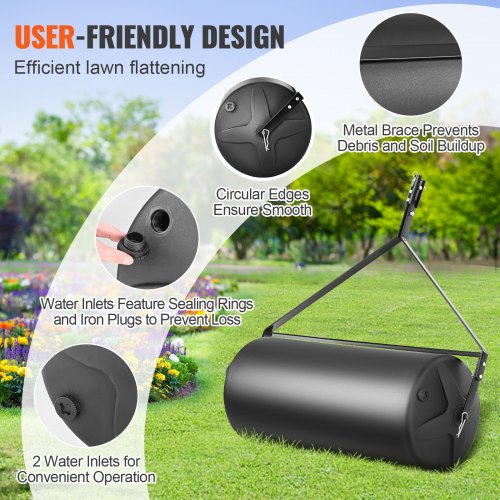
Fill the roller slowly with water to avoid spills. Use a hose or bucket for filling. Make sure the cap is tight after filling.
Empty the roller before storing it. Open the drain plug and let all water flow out. This prevents damage during cold weather.
- Fill roller on flat ground
- Check for leaks after filling
- Use clean water to avoid clogs
- Empty roller before long storage
- Store roller in a dry place
Best Timing For Rolling
Roll your lawn when the soil is moist but not wet. Too much water makes the soil heavy and can cause damage.
Early morning or late afternoon is good for rolling. Avoid rolling during very hot or dry times to protect grass roots.
- Roll after light rain or watering
- Avoid rolling on dry, hard soil
- Do not roll on soggy soil
- Use gentle pressure for new grass
- Repeat rolling every few weeks if needed
Safety Precautions
Always handle the roller carefully, especially when filled. It can be heavy and hard to move on slopes.
Wear gloves to protect your hands. Keep children and pets away while rolling to avoid accidents.
- Use two people to move large rollers
- Do not roll on steep slopes
- Wear gloves and sturdy shoes
- Keep area clear of pets and children
- Store roller safely after use
Maintenance And Storage
Water-filled lawn rollers help smooth your lawn surface. Proper care keeps them working well for years.
Cleaning, avoiding damage, and correct storage are key steps. Follow these tips to maintain your roller.
Cleaning After Use
After using the roller, remove dirt and grass from its surface. This stops rust and keeps it in good shape.
- Drain all water from the roller to prevent freezing.
- Use a hose to wash off mud and debris.
- Wipe dry with a cloth to avoid water spots.
- Check for any stuck grass or stones and remove them.
Preventing Damage
Handle the roller carefully to avoid dents or leaks. Avoid rolling over sharp objects.
| Damage Cause | How to Prevent |
| Sharp objects | Clear lawn before rolling |
| Freezing water inside | Drain water in cold weather |
| Sun exposure | Store in shade or indoors |
| Corrosion | Clean and dry after use |
Storing Properly
Store the roller in a dry place to prevent rust and damage. Keep it off rough ground.
- Empty all water before storing.
- Place on a flat surface indoors or in a shed.
- Cover with a tarp or cloth to keep dust off.
- Check the roller regularly for leaks or wear.
Credit: www.walmart.com
Common Mistakes To Avoid
Water-filled lawn rollers help smooth and compact your lawn. Using them the wrong way can damage your grass and soil.
Learn about common mistakes to avoid for a healthier, even lawn.
Over-rolling The Lawn
Rolling your lawn too many times can crush grass roots. This makes it hard for grass to grow and absorb nutrients.
Limit rolling to once or twice after seeding or laying sod. This helps press the soil without hurting the plants.
Rolling Wet Soil
Rolling when the soil is wet can cause soil compaction. Compacted soil blocks water and air from reaching grass roots.
Wait until the lawn is dry before using the roller. This keeps the soil loose and healthy for growth.
Ignoring Roller Weight
Using a roller that is too heavy can damage your lawn. Too much weight crushes the grass and soil structure.
Adjust the water inside the roller to match your lawn’s needs. Use a lighter roller on new or delicate grass.
- Heavy roller: good for large, established lawns
- Lighter roller: better for young grass or soft soil
- Empty roller: best for gentle pressing without damage
Alternatives To Water-filled Rollers
Water-filled lawn rollers are popular for flattening and smoothing lawns. Some alternatives offer different benefits and suit various lawn care needs. These options include solid, manual, and powered lawn rollers.
Each type has its own features and works best in specific situations. Understanding these alternatives can help you choose the right tool for your lawn.
Solid Lawn Rollers
Solid lawn rollers are made from heavy materials like steel or iron. They do not need filling and provide consistent weight across the lawn.
- Heavier than water-filled rollers
- Durable and long-lasting
- Require storage space due to weight
- Good for large areas and tough soil
Manual Lawn Rollers
Manual lawn rollers are operated by pushing or pulling by hand. They are lighter and easier to move but need more effort to use.
| Feature | Benefit | Limitation |
|---|---|---|
| Weight | Light to medium | Less pressure on soil |
| Operation | Hand-pushed or pulled | Requires physical effort |
| Best Use | Small to medium lawns | Not ideal for hard soil |
Powered Lawn Rollers
Powered lawn rollers use engines or motors to move and apply pressure. They save time and reduce physical work.
Key advantages of powered rollers:
- Cover large areas quickly
- Adjustable speed and pressure
- Good for professional lawn care
- Require fuel or electricity
Credit: www.vevor.ca
Frequently Asked Questions
What Are Water-filled Lawn Rollers Used For?
Water-filled lawn rollers are used to flatten uneven lawns. They help press grass seeds and soil, promoting a smooth, even surface. These rollers are ideal for lawn maintenance, improving grass growth, and preparing the ground for landscaping or seeding.
How Do Water-filled Lawn Rollers Work?
Water-filled lawn rollers work by adding weight when filled with water. This weight presses down the grass and soil, smoothing out bumps and compacting the surface. When empty, they are lightweight and easy to move. The water weight can be adjusted for different lawn needs.
Are Water-filled Lawn Rollers Safe For All Lawns?
Yes, water-filled lawn rollers are generally safe for most lawns. They apply gentle, even pressure that avoids damaging grass roots. However, overuse or excessive weight can compact soil too much, so use them carefully and avoid rolling wet or soggy lawns.
Can Water-filled Lawn Rollers Improve Grass Seed Germination?
Yes, these rollers improve grass seed germination by pressing seeds firmly into the soil. This ensures good soil contact, which helps seeds absorb moisture and nutrients. It also reduces seed displacement by wind or birds, leading to more uniform grass growth.
Conclusion
Water-filled lawn rollers help keep your grass smooth and even. They are easy to fill and use. You can adjust the weight by adding or removing water. These rollers work well after seeding or lawn repair. They press the soil gently without damaging plants.
Many gardeners find them useful for a neat lawn. Simple tools with clear benefits. A smart choice for lawn care.

