
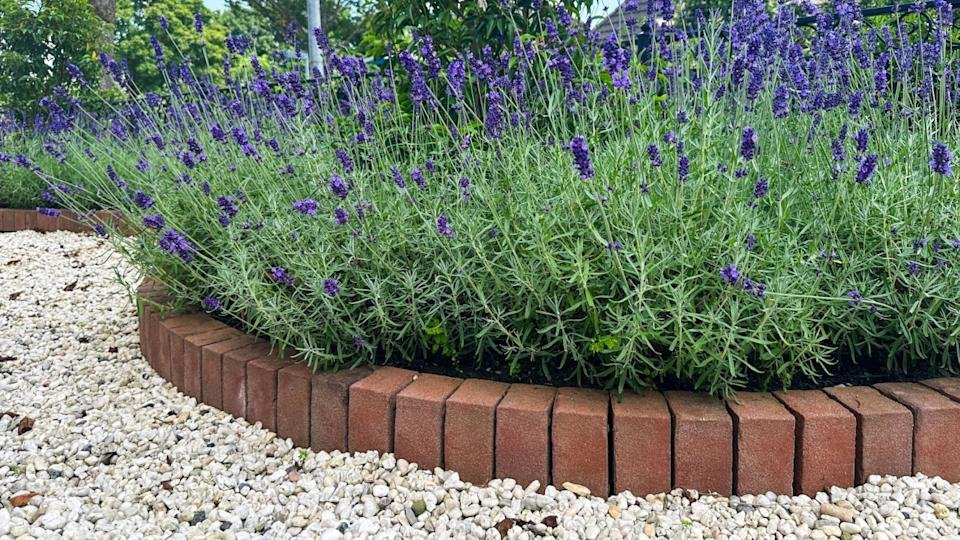
Are you tired of seeing your beautiful flower beds overrun by unruly grass? You’re not alone.
Many gardeners face the relentless invasion of grass creeping into their carefully curated blooms. This not only disrupts the aesthetic appeal of your garden but also competes for essential nutrients and water, potentially stunting the growth of your beloved flowers.
Imagine looking out your window to see a garden that remains pristine, with each flower standing out in its full glory, untouched by encroaching grass. The good news is, achieving this is easier than you might think. By understanding a few simple techniques, you can effectively prevent grass from spreading into your flower beds, ensuring your garden remains a vibrant oasis. Dive into this guide to discover practical, easy-to-implement strategies that will empower you to take control of your garden. Let’s transform your outdoor space into the sanctuary you’ve always dreamed of, free from the tyranny of invasive grass.
Why Grass Invades Flower Beds
Grass can easily spread into flower beds and take over space meant for flowers. This happens because grass grows fast and sends out runners or seeds. It looks for open soil and sunlight to grow.
Understanding why grass spreads helps you stop it from invading your flower beds. Knowing its growth habits and causes of spread is important for control.
Grass Growth Patterns
Grass grows in different ways depending on the type. Some grasses spread through underground stems called rhizomes. Others spread over the soil surface with runners called stolons.
Both rhizomes and stolons allow grass to reach new areas quickly. Grass can also grow from seeds, which spread by wind, water, or animals.
- Rhizomes grow underground and send up new shoots.
- Stolons run above ground and root at nodes.
- Seeds spread to new places and sprout.
Common Causes Of Spread
Grass spreads into flower beds because of several common reasons. Loose soil and gaps in mulch make it easy for grass to grow. Watering flower beds can also help grass seeds sprout.
Tools and foot traffic can carry grass seeds into flower beds. Sometimes grass roots grow under edging and pop up inside beds. Lack of barriers lets grass move freely into flowers.
- Loose or bare soil in flower beds
- Watering that helps grass seeds sprout
- Grass seeds carried by tools or shoes
- Grass roots growing under bed edges
- No physical barriers between lawn and beds

Credit: shopping.yahoo.com
Preparing Flower Beds To Resist Grass
Grass can quickly spread into flower beds and take over. It is important to prepare your flower beds well. Proper preparation stops grass from growing where it should not.
This guide explains how to prepare your flower beds. You will learn about choosing the right border and soil preparation tips. These steps help keep your flower beds neat and healthy.
Choosing The Right Border
Use a strong border to stop grass from spreading into flower beds. Borders act as a barrier that blocks grass roots. They help keep the edges clean and easy to manage.
Good borders include materials that grass roots cannot easily cross. Some borders go deep into the ground for better protection. Choose a border that fits your garden style and budget.
- Plastic or metal edging that sinks into the soil
- Concrete or stone borders that last a long time
- Wood borders treated to resist rot
- Raised bed edges to separate soil from grass
Soil Preparation Tips
Prepare the soil before planting flowers to stop grass growth. Remove all grass roots and weeds from the area. This prevents grass from growing back quickly.
Use mulch or landscape fabric to cover the soil surface. These layers block sunlight and stop grass seeds from sprouting. Healthy soil also helps flowers grow stronger.
- Clear the flower bed area of grass and roots
- Loosen the soil to improve flower root growth
- Apply landscape fabric to block grass growth
- Cover fabric with mulch to keep soil moist
- Water the soil after preparation
Effective Physical Barriers
Grass can quickly spread into flower beds and take over your garden space. Using physical barriers helps keep grass roots and runners out of flower beds.
These barriers create a clear line between grass and flowers. This stops grass from invading and makes garden care easier.
Installing Edging Materials
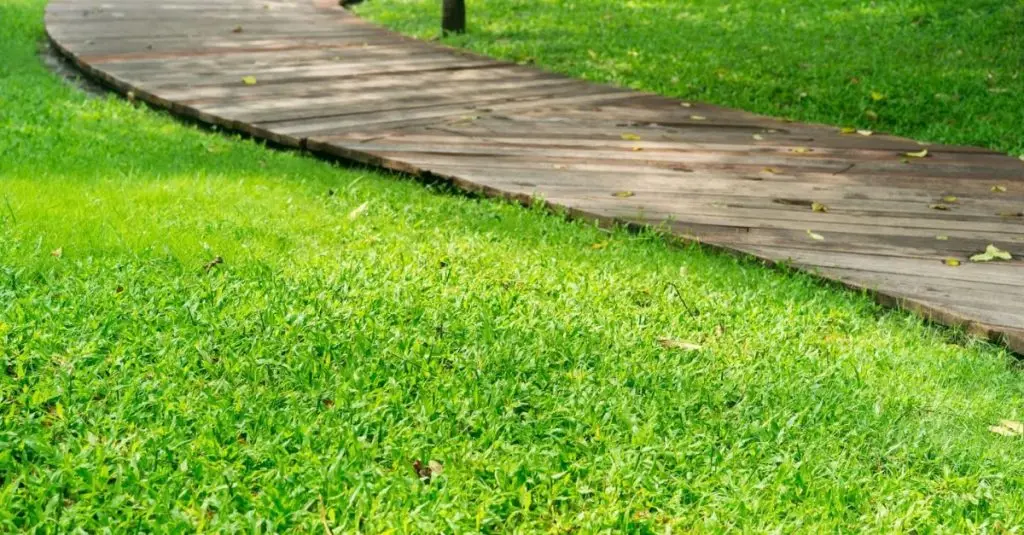
Edging materials form a solid border between grass and flower beds. They stop grass roots from growing into flower areas.
Common edging materials include metal, plastic, stone, and wood. Choose one that fits your garden style and budget.
- Metal edging is durable and easy to install.
- Plastic edging is flexible and affordable.
- Stone edging looks natural and lasts long.
- Wood edging adds a rustic touch but may need replacement.
To install, dig a shallow trench along the flower bed edge. Place the edging material in the trench. Make sure the barrier sticks out above soil to block grass runners.
Using Landscape Fabric
Landscape fabric is a cloth that blocks grass while letting water and air through. It stops grass roots from growing into flower beds.
Lay the fabric over the soil in the flower bed. Cut holes where you want to plant flowers. Cover the fabric with mulch to keep it in place.
- Prepare the soil by removing existing grass and weeds.
- Roll out landscape fabric over the bed area.
- Cut slits or holes for flower planting.
- Secure edges with garden staples or pins.
- Cover fabric with mulch for protection and appearance.
Credit: www.vevor.com
Natural Control Methods
Grass can spread quickly into flower beds and cause problems for your plants. Using natural control methods helps keep grass away without chemicals. These methods protect your garden and the environment.
Two effective natural ways to stop grass from spreading are mulching and planting dense ground covers. Both methods create barriers that slow grass growth and protect your flowers.
Mulching Techniques
Mulching blocks sunlight from reaching grass seeds and stops them from growing in flower beds. It also keeps soil moist and adds nutrients as it breaks down.
- Use organic mulches like wood chips, straw, or shredded leaves.
- Apply a 2 to 3 inch thick layer around your plants.
- Keep mulch a few inches away from plant stems to avoid rot.
- Refresh mulch each season to maintain its barrier effect.
Planting Dense Ground Covers
Dense ground covers grow close together and form a natural barrier against grass. They crowd out grass and reduce open soil where grass seeds can settle.
| Ground Cover | Growth Type | Sunlight Needs |
| Creeping Thyme | Low, spreading | Full sun |
| Ajuga | Dense mat | Partial shade |
| Sweet Woodruff | Clumping | Shade |
Chemical Options For Grass Control
Controlling grass from spreading into flower beds can be done with chemicals. These products help kill grass while protecting your flowers.
Using the right chemicals and applying them carefully keeps your garden healthy and neat.
Selective Herbicides
Selective herbicides kill grass but do not harm many types of flowers. They target specific plants, making them useful for flower beds.
Choose herbicides that are safe for the flowers you have. Read labels to find the right one for your plants.
- Use herbicides made for grassy weeds
- Check if the product is safe for your flowers
- Apply only on the grass to avoid harming other plants
Safe Application Practices
Apply herbicides carefully to prevent damage to flowers. Use tools like a shield or spray wand to control where the chemical goes.
Follow all instructions on the herbicide label. Wear protective gear like gloves and avoid spraying on windy days.
- Wear gloves and protective clothing
- Spray early in the morning or late in the evening
- Do not apply on windy days
- Keep children and pets away during application

Credit: www.reddit.com
Maintenance To Keep Grass At Bay
Grass can quickly spread into flower beds and take over space meant for flowers. Keeping grass under control needs regular care and attention. Simple maintenance helps keep your flower beds neat and healthy.
Two key practices can stop grass from invading flower beds: regular weeding and watching for new growth. These steps help prevent grass from spreading and damaging your plants.
Regular Weeding
Weeding removes grass and other plants that grow where they are not wanted. Pulling grass out by the roots stops it from growing back quickly. Doing this often keeps the flower bed clear and healthy.
- Check flower beds weekly for grass shoots.
- Use a hand tool to loosen soil around grass roots.
- Pull grass out gently to remove the entire root.
- Dispose of pulled grass away from the flower beds.
- Apply mulch after weeding to block grass seeds from sprouting.
Monitoring And Early Intervention
Watching your flower beds closely helps catch grass before it spreads. Early action stops small patches of grass from becoming large problems. This saves time and effort in the long run.
| What to Watch For | Action to Take |
|---|---|
| New grass shoots near bed edges | Remove immediately by hand |
| Grass runners creeping under mulch | Cut and remove runners |
| Grass growing between plants | Weed carefully around flowers |
| Signs of grass seed spreading | Add fresh mulch layer |
Frequently Asked Questions
How Can I Stop Grass From Invading Flower Beds?
Install physical barriers like plastic or metal edging around flower beds. Regularly trim grass edges and apply mulch to suppress grass growth.
What Mulch Works Best To Prevent Grass Spread?
Organic mulches like wood chips or bark are effective. They block sunlight, reducing grass seed germination and making beds look neat.
Is Landscape Fabric Useful Against Grass Invasion?
Yes, landscape fabric blocks grass roots and seeds. Cover it with mulch for improved protection and a natural appearance.
How Often Should I Maintain Flower Bed Edges?
Inspect and trim edges weekly during growing season. Prompt maintenance prevents grass from establishing and spreading into flower beds.
Conclusion
Stopping grass from spreading into flower beds takes some care and effort. Use barriers like edging or mulch to block grass roots. Regularly pull out grass that sneaks in early. Keep your flower bed soil healthy to help flowers grow strong.
Small steps every week make a big difference over time. Your flowers will have more space to bloom beautifully. Enjoy a neat garden with clear, tidy flower beds. Simple actions bring better results in garden care.

