
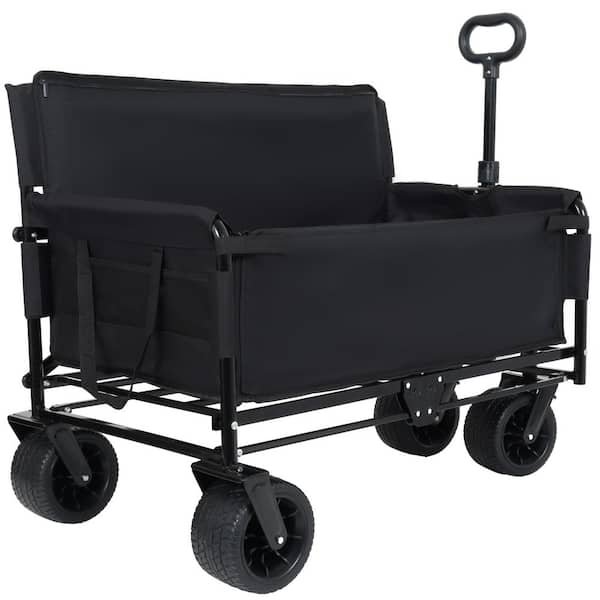
Choosing the right garden cart can feel like a puzzle, especially when there are so many options out there. You might wonder, “What size garden cart do I need?”
Don’t worry; you’re not alone! The right garden cart can save you time, effort, and even a sore back. Imagine moving those heavy bags of soil or your growing collection of potted plants with ease. Sounds great, right? This guide will help you pinpoint the perfect size for your needs, ensuring that your garden tasks become a breeze.
Keep reading to discover how the right garden cart can transform your gardening experience, making your outdoor projects more enjoyable and less of a chore.
Types Of Garden Carts
Garden carts help carry tools, plants, and soil easily. Choosing the right size depends on the type of cart you use.
Different carts serve different purposes in the garden. Knowing each type helps you pick what fits your needs.
Utility Carts
Utility carts are versatile and sturdy. They have flat beds or sides to hold many items. These carts often have four wheels for stability.
They work well for carrying heavy tools, bags of soil, or large plants. You can find them in various sizes, so pick one that fits your garden size and load needs.
Dump Carts
Dump carts have a bed that tips to unload materials quickly. They are great for moving dirt, mulch, or rocks. These carts save time when emptying loads.
- Strong frame and wheels for heavy loads
- Easy-to-use dumping mechanism
- Often attach to lawn tractors or ATVs
Wheelbarrows
Wheelbarrows have one or two wheels and a deep bucket. They balance loads well and work in tight spaces. They are useful for moving soil, plants, and small tools.
| Feature | Benefit |
| Single wheel | Good for rough terrain |
| Two wheels | More stability |
| Deep bucket | Holds loose materials well |
Folding Carts
Folding carts fold flat for easy storage. They have a lighter frame and are good for small loads. These carts are ideal for small gardens or patios.
Key points for folding carts:
- Compact and portable
- Good for light gardening tasks
- Easy to carry and store

Credit: www.amazon.com
Factors Affecting Cart Size
Choosing the right size garden cart depends on several important factors. Understanding these helps you pick a cart that fits your needs.
This guide explains key points to think about before buying a garden cart.
Load Capacity
Load capacity means how much weight the cart can carry safely. A bigger cart usually holds more weight.
Think about what you will move most often. Heavy tools or soil need carts with high load limits.
Terrain And Mobility
Where you use the cart affects the size you need. Rough or uneven ground may need a smaller, easier-to-move cart.
Large carts can be hard to push on soft soil or grass. Wheels and handles also affect mobility.
Storage Space
Consider how much room you have to store your cart. Large carts need bigger storage areas.
Small carts fit better in sheds or garages but may carry less. Balance size and storage space carefully.
Frequency Of Use
How often you use the cart affects the size you want. Frequent use may need a durable, well-sized cart.
If you use the cart rarely, a smaller or lighter cart might be enough. Think about your gardening habits.
Matching Cart Size To Tasks
Choosing the right garden cart size helps you work better in your garden. A cart that fits your tasks can save time and effort.
Garden carts come in many sizes. Picking the right one depends on your garden size and the tasks you do.
Small Gardens
Small gardens need smaller carts. These carts are easy to move in tight spaces. They hold enough soil, plants, and tools for small jobs.
A cart that is too big can be hard to push and turn in a small garden. Look for carts with a capacity of 6 to 10 cubic feet.
- Easy to maneuver
- Lightweight for small loads
- Fits narrow paths and corners
Medium Gardens
Medium gardens need carts with more space. These carts carry larger amounts of soil, mulch, and plants. They work well for many gardening tasks.
Choose carts with a capacity between 10 and 15 cubic feet. They balance size and weight, making them good for medium gardens.
- Good for moving heavy loads
- Offers more space for tools
- Still easy to push and steer
Large Gardens
Large gardens need big carts. These carts can carry large loads of soil, plants, and tools. They save many trips and reduce effort.
Look for carts with a capacity over 15 cubic feet. They are heavier but handle big jobs well.
- Holds large amounts of materials
- Strong and durable frame
- May need wheels suited for rough ground
Specialized Tasks
Some garden tasks need special carts. These include carts for carrying plants, tools, or heavy stones. Size depends on the task’s needs.
For example, flatbed carts work for large pots and stones. Small tool carts keep your tools organized. Choose carts designed for your specific work.
- Flatbed carts for bulky items
- Tool carts with compartments
- Heavy-duty carts for stones and bricks
Material And Durability
Choosing the right garden cart size depends on the material it is made from. The material affects how strong and long-lasting the cart will be. You want a cart that can handle your garden tasks well.
Each material has its own benefits and limits. Knowing these helps you pick a cart that lasts and fits your needs.
Plastic
Plastic garden carts are lightweight and easy to move. They do not rust and are good for light tasks. But plastic can crack if you carry very heavy loads.
Plastic carts work well for small gardens or carrying light soil and plants. They need less care but are not the best for rough use.
Metal
Metal garden carts are strong and can carry heavy loads. They are very durable and good for tough garden jobs. Steel carts last long but can rust without care.
Aluminum carts resist rust and are lighter than steel. Metal carts need occasional cleaning and protection from rain to stay in good shape.
- Steel: very strong, can rust
- Aluminum: lighter, rust-resistant
- Needs occasional maintenance
Wood
Wood garden carts have a classic look and good strength. They can carry medium loads but need regular care to avoid rot and damage. Wood can crack or warp if left outside too long.
Wood carts work best in dry areas or under cover. Treating the wood with sealant can improve durability and protect it from weather.
Wheels And Maneuverability
Choosing the right garden cart size depends a lot on the wheels and how easy it is to move. Wheels help you push or pull your cart smoothly. Good maneuverability means less effort while working in your garden.
Understanding wheel types, the number of wheels, and where you will use your cart can help you pick the best size and style. This guide will explain these important points.
Wheel Types
Garden carts come with different wheel types. Each type works best on certain surfaces and loads. Picking the right wheels makes moving your cart easier.
Here are common wheel types:
- Pneumatic wheels:Filled with air, good for rough or soft ground.
- Plastic wheels:Lightweight but best for smooth surfaces.
- Rubber wheels:Durable and provide good grip on many surfaces.
- Metal wheels:Strong but can be noisy and damage soft ground.
Number Of Wheels
The number of wheels affects how stable and easy to control the cart is. Most garden carts have two or four wheels.
Two-wheel carts are easier to steer and turn in tight spaces. Four-wheel carts offer more stability and can carry heavier loads.
- Two wheels:Better for narrow paths and quick turns.
- Four wheels:More stable for heavy or uneven loads.
Terrain Compatibility
Think about where you will use your garden cart most. Different terrains need different wheel features.
Soft soil, grass, or gravel require wider wheels with good grip. Hard surfaces like concrete or wood decks work well with smaller, harder wheels.
- Soft ground: Use wide, air-filled pneumatic wheels.
- Hard surfaces: Use small, hard rubber or plastic wheels.
- Rough or rocky areas: Use tough rubber wheels with deep treads.
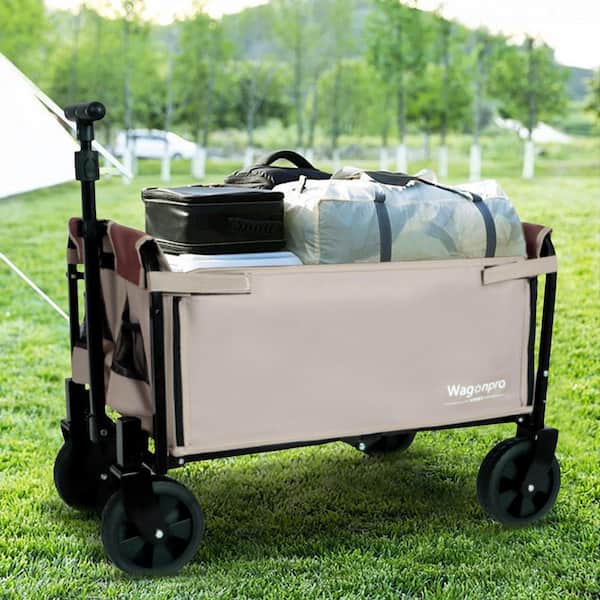
Credit: www.homedepot.com
Additional Features To Consider
Choosing the right garden cart size is important. You also need to think about extra features. These features make your work easier and safer.
Look at how the cart folds, the handles it has, and any useful accessories. These details can help you pick the best cart for your garden tasks.
Foldability
A foldable garden cart saves space when you store it. It also makes the cart easier to carry in your vehicle.
- Check if the cart folds flat for storage.
- Look for simple folding mechanisms.
- Make sure the folded size fits your storage space.
Handles And Grip
Handles affect how comfortable and safe the cart feels. Good grips reduce hand strain and help control the cart better.
| Handle Type | Benefit | Consideration |
| Rubber Grip | Comfortable and soft | May wear out over time |
| Metal Handle | Strong and durable | Can be hard on hands without padding |
| Ergonomic Handle | Reduces wrist strain | Usually more expensive |
Accessories
Accessories add value and help with specific tasks. Some carts come with extras that improve use.
- Removable sides for carrying larger items
- Tool holders to keep gardening tools handy
- Brake systems for safety on slopes
- Weather-resistant covers to protect the cart
Budget And Price Ranges
Choosing the right garden cart size depends on your budget. Different price ranges offer various features and durability. Understanding these ranges helps you pick a cart that fits your needs and wallet.
Below are common price categories with details on what to expect from each. This guide helps you find the best size and type without overspending.
Entry-level Options
Entry-level garden carts are best for light use and small yards. They usually have smaller capacities and simpler designs. These carts are affordable and easy to handle.
- Price range: $40 to $80
- Capacity: 100 to 150 pounds
- Material: Mostly plastic or lightweight metal
- Size: Small to medium, easy to store
- Best for: Light gardening tasks and small loads
Mid-range Choices
Mid-range garden carts offer better build quality and larger sizes. They hold more weight and last longer. These carts suit regular gardening and medium-sized yards.
| Feature | Details |
|---|---|
| Price Range | $90 to $150 |
| Capacity | 150 to 300 pounds |
| Material | Steel or heavy-duty plastic |
| Size | Medium to large, more storage space |
| Best For | Frequent use and moderate loads |
Premium Models
Premium garden carts provide the largest capacity and strongest materials. They include extra features like reinforced frames and all-terrain wheels. These carts suit heavy-duty work and large gardens.
Key benefits of premium models include:
- Capacity over 300 pounds
- Durable steel frames with rust resistance
- Large wheels for rough ground
- Additional storage or tool holders
- Price range: $160 and above
Maintenance Tips
Keeping your garden cart in good shape helps it last longer. Regular care makes your work easier and safer.
Learn simple ways to clean, store, and repair your garden cart. These tips save you money and time.
Cleaning
Clean your garden cart after each use to avoid rust and dirt buildup. Use water and a mild detergent for best results.
- Remove dirt with a brush or cloth
- Wash with soap and water
- Dry completely to stop rust
- Check for stuck debris in wheels
Storage
Store your garden cart in a dry, covered place. Proper storage protects it from weather damage and keeps it ready to use.
| Storage Location | Benefits |
| Garage or Shed | Protects from rain and sun |
| Covered Patio | Easy access and shade |
| Raised Shelf | Keeps cart off wet ground |
Repairs
Fix small problems quickly to avoid bigger damage. Check wheels, handles, and the cart bed regularly.
- Tighten loose bolts and screws
- Replace worn or flat tires
- Lubricate wheel axles for smooth movement
- Patch holes or cracks in the cart bed
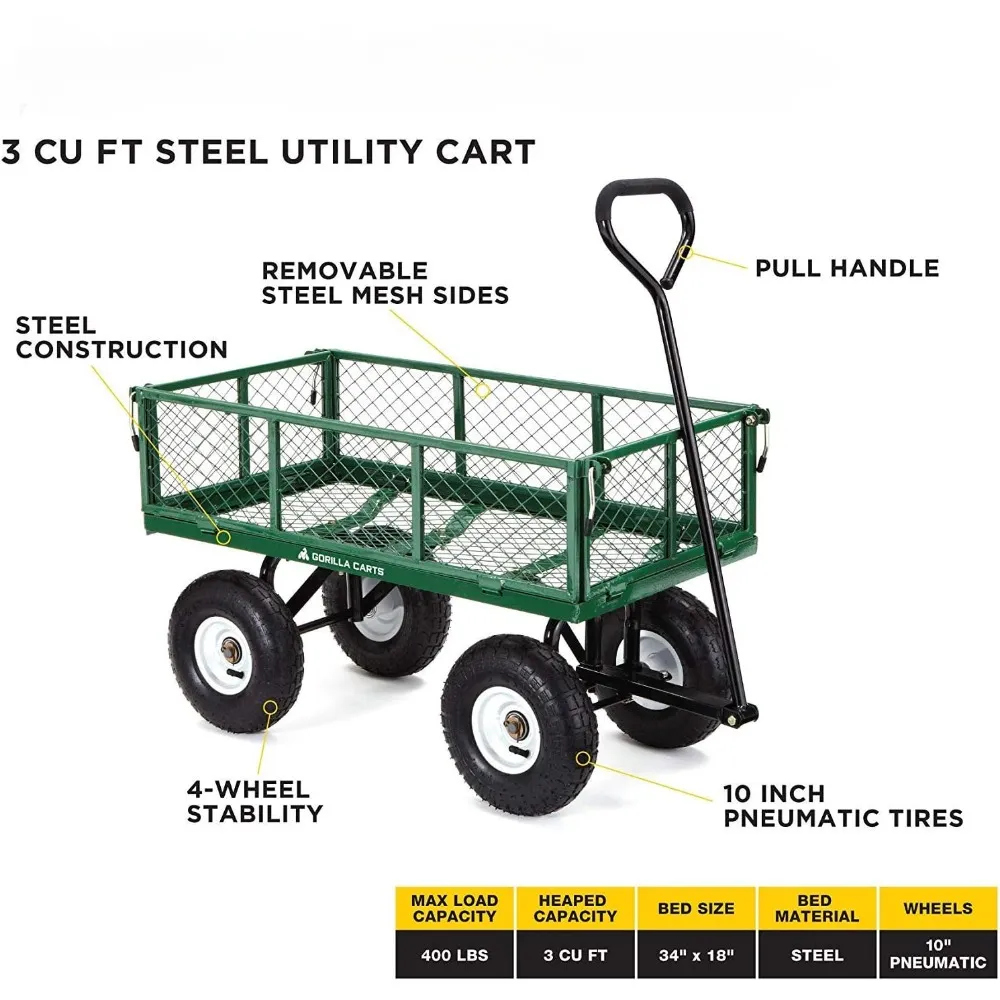
Credit: www.dhgate.com
Frequently Asked Questions
What Size Garden Cart Fits Small Yards Best?
A garden cart with a 6 to 8 cubic feet capacity suits small yards. It’s easy to maneuver and stores well in limited space. Choose lightweight materials for better handling in tight areas.
How To Choose Garden Cart Size For Heavy Loads?
Select a garden cart with a load capacity of at least 300 pounds. Larger wheels and a sturdy frame ensure stability. This size handles soil, mulch, and tools without strain.
What Garden Cart Size Is Ideal For Landscaping?
A garden cart with 10 to 12 cubic feet capacity works best for landscaping. It carries large volumes of soil and plants efficiently. This size balances capacity and ease of movement.
Does Garden Cart Size Affect Storage Convenience?
Yes, smaller garden carts are easier to store in sheds or garages. Larger carts need more space but offer higher capacity. Consider your storage area when choosing cart size.
Conclusion
Choosing the right garden cart size makes your work easier and faster. Think about what you carry most often and how much space you need. A cart that is too big can be hard to move. One that is too small means more trips.
Balance size with comfort and storage needs. A good cart helps keep your garden neat and tidy. Take time to decide, and your gardening will feel less like work. Simple steps lead to better results in your garden tasks.
