
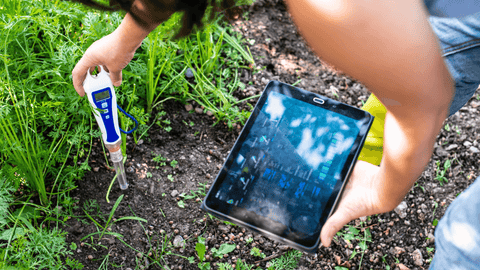
Are you wondering if your soil has the right nutrients to help your plants grow strong and healthy? Testing your soil at home is easier than you think—and it gives you the power to make smart choices for your garden.
Imagine knowing exactly what your soil needs without guessing or spending a fortune on lab tests. In this guide, you’ll discover simple, effective ways to check your soil’s health using tools you can find at home. Keep reading, and you’ll learn how to unlock the full potential of your garden with just a few easy steps.

Credit: www.amazon.com
Why Test Soil Nutrients
Testing soil nutrients helps gardeners and farmers know what their soil needs. It shows which nutrients are low or high. This information guides proper fertilizing and care.
Without testing, plants may not get the right food. This can cause weak growth and poor harvests. Testing soil is a simple way to improve plant health.
Benefits For Plant Health
Knowing soil nutrient levels helps plants grow strong and healthy. It prevents problems caused by too little or too much nutrients.
- Improves root development and plant growth
- Increases resistance to diseases and pests
- Boosts flowering and fruit production
- Prevents nutrient imbalances and toxicities
- Saves money by using only needed fertilizers
Common Soil Nutrient Deficiencies
Plants need many nutrients to grow well. Some nutrients are often missing or low in soil. Testing helps find these deficiencies early.
| Nutrient | Signs of Deficiency | Plant Role |
| Nitrogen (N) | Yellow leaves, slow growth | Helps leaf and stem growth |
| Phosphorus (P) | Poor root growth, dark leaves | Supports root and flower development |
| Potassium (K) | Leaf edges turn brown, weak stems | Increases disease resistance |
| Calcium (Ca) | New leaves distorted, blossom end rot | Builds strong cell walls |
| Magnesium (Mg) | Yellowing between leaf veins | Important for photosynthesis |

Credit: www.familyhandyman.com
Gathering Materials
Testing soil nutrients at home helps you know what your soil needs. You can prepare your soil for better plant growth by gathering the right materials first.
Collecting the right tools and soil samples is the first step. This guide explains what you need and how to choose soil samples properly.
Essential Tools
You need simple tools to test soil nutrients at home. These tools help you collect soil and test its quality easily.
- Soil test kit with nutrient testing strips or capsules
- Clean plastic or metal trowel for digging soil
- Small clean container or bag for soil samples
- Distilled water to mix with soil for testing
- Notebook and pen to write down results
- Gloves to protect your hands while collecting soil
Choosing Soil Samples
Good soil samples give accurate nutrient results. Take samples from different spots in your garden or yard.
Dig 4 to 6 inches deep to get soil from the root zone. Avoid soil near fertilizers or compost piles for true results.
- Pick 5 to 7 spots in the area you want to test
- Remove surface debris like leaves or grass
- Use a clean trowel to dig soil from each spot
- Mix soil from all spots in a clean container
- Take about one cup of mixed soil for testing
Collecting Soil Samples
Testing soil nutrients at home starts with collecting soil samples. It’s important to follow the right steps to get accurate results.
Proper sampling ensures you understand your soil’s health. This helps in making better decisions for gardening and farming.
Best Sampling Techniques
Good sampling techniques are key to getting reliable soil data. Follow these methods to ensure your samples are representative of your garden or field.
- Use a clean trowel or spade to collect soil.
- Take samples from different spots in your area.
- Mix the soil from all spots together for a composite sample.
Avoiding Contamination
Avoiding contamination is crucial for accurate soil testing. Contaminants can lead to incorrect nutrient levels.
- Clean your tools before collecting soil samples.
- Do not use metal containers to store samples.
- Label samples clearly to avoid mixing them up.

Credit: littlesproutslearning.co
Using Home Testing Kits
Testing soil nutrients at home helps you know what your soil needs. Home testing kits are easy to use and give quick results.
You can check important elements like nitrogen, phosphorus, and potassium. This helps you grow healthy plants.
Types Of Kits Available
There are many kits you can buy to test soil nutrients at home. Each kit measures different nutrients and uses different methods.
- Color Test Kits:Use color changes to show nutrient levels.
- Digital Meter Kits:Use electronic sensors for quick readings.
- Test Strips:Dip strips in soil solution to check nutrients.
- Lab-Style Kits:Use chemicals to test nutrient content more precisely.
Step-by-step Testing Process
Follow simple steps to test your soil nutrients accurately using home kits. Prepare your sample and read the results carefully.
- Collect soil from different spots in your garden for a good sample.
- Remove stones and debris, then mix the soil well.
- Follow the kit instructions to prepare soil solution or sample.
- Use test strips, color kits, or digital meters as the kit directs.
- Compare the test results with the provided charts or digital readings.
- Record your findings to plan your soil care and fertilizing.
| Step | Action | Tip |
| 1 | Sample collection | Use a clean tool and avoid wet soil |
| 2 | Soil preparation | Mix soil evenly for accurate results |
| 3 | Testing | Follow timing instructions exactly |
| 4 | Reading results | Compare colors or meter readings carefully |
Interpreting Test Results
Testing your soil nutrients at home gives you useful information. You need to understand the results to improve your soil properly.
Reading the test results carefully helps you see what your soil needs. This guide explains how to read nutrient levels and find imbalances.
Reading Nutrient Levels
Soil tests show the amount of nutrients like nitrogen, phosphorus, and potassium. Each nutrient has a number or color that tells its level.
Compare these numbers to the recommended range for healthy soil. Levels below the range mean your soil lacks that nutrient. Levels above the range may harm plants.
| Nutrient | Low Level | Optimal Level | High Level |
|---|---|---|---|
| Nitrogen (N) | Less than 10 ppm | 10 – 30 ppm | More than 30 ppm |
| Phosphorus (P) | Less than 15 ppm | 15 – 40 ppm | More than 40 ppm |
| Potassium (K) | Less than 50 ppm | 50 – 150 ppm | More than 150 ppm |
Identifying Imbalances
Sometimes, one nutrient is too high while another is too low. This imbalance can stop plants from growing well.
Look for nutrients that have very different levels from each other. Fixing imbalances helps plants absorb nutrients better.
- High nitrogen and low phosphorus may cause weak roots
- Low potassium can make plants less healthy
- Too much phosphorus can block other nutrients
- Balance nutrients for the best soil health
Adjusting Soil Nutrients
Testing soil nutrients helps in understanding what your plants need. Adjusting these nutrients is essential for healthy plant growth.
There are natural ways and fertilizers to adjust soil nutrients. Each method has its own benefits for your garden.
Natural Amendments
Natural amendments improve soil health over time. They are eco-friendly and sustainable for garden care.
- Compost adds organic matter and nutrients.
- Bone meal provides phosphorus for root growth.
- Wood ash can raise soil pH and add potassium.
Using Fertilizers Wisely
Fertilizers provide immediate nutrients to plants. Using them wisely avoids nutrient runoff and pollution.
| Type | Nutrient | Benefit |
| Nitrogen-rich | Nitrogen | Leafy growth |
| Phosphorus-rich | Phosphorus | Root development |
| Potassium-rich | Potassium | Flower and fruit production |
Monitoring Soil Health
Testing soil nutrients at home helps keep plants healthy. It shows what nutrients your soil has.
Good soil health supports strong plant growth and better harvests. Regular checks help catch problems early.
Regular Testing Schedule
Test your soil at least twice a year. Early spring and late fall are good times to check nutrients.
- Collect soil samples from different spots in your garden.
- Use a soil test kit to check pH and nutrient levels.
- Record your results to track changes over time.
- Adjust fertilizers based on test outcomes.
Tracking Plant Responses
Observe how plants grow after soil tests and treatments. This shows if nutrients are balanced.
| Plant Sign | Possible Nutrient Issue |
| Yellow leaves | Nitrogen deficiency |
| Poor growth | Low phosphorus |
| Leaf edges burn | Potassium lack |
| Spots on leaves | Magnesium deficiency |
Frequently Asked Questions
How Can I Test Soil Nutrients At Home Easily?
You can test soil nutrients at home using DIY test kits. These kits measure pH, nitrogen, phosphorus, and potassium. Follow the instructions carefully for accurate results. Testing helps optimize plant growth and soil health effectively.
What Are The Best Soil Nutrient Test Kits?
Top soil test kits include brands like Luster Leaf, Rapitest, and Soil Savvy. They offer easy-to-use kits that test essential nutrients quickly. Choose a kit based on your specific soil needs and budget for precise nutrient analysis.
How Often Should I Test My Soil Nutrients?
Test your soil nutrients twice a year—before planting and after harvest. Regular testing helps track nutrient levels and prevent deficiencies. This practice ensures healthy plants and improved crop yields.
Can I Test Soil Ph At Home Accurately?
Yes, home soil pH test kits provide reliable results. They use color changes to indicate acidity or alkalinity. Accurate pH testing helps you adjust soil conditions for optimal plant growth.
Conclusion
Testing your soil nutrients at home is simple and useful. It helps you know what your plants need. Healthy soil means strong plants and better growth. Regular testing saves money on fertilizers. You can do it with easy kits or simple methods.
Keep track of your soil’s health over time. This small step makes a big difference in gardening success. Start testing today to care for your garden better. Your plants will thank you with lush leaves and bright flowers.
