
Do you want your garden or yard to thrive with healthy plants and vibrant flowers? The secret starts right beneath your feet—with your soil’s pH level.
Knowing how to test soil pH in your yard can make all the difference in growing strong, beautiful plants. If your soil is too acidic or too alkaline, your plants might struggle to absorb the nutrients they need. But don’t worry—testing your soil pH is easier than you think, and once you know the number, you can take simple steps to fix it.
Keep reading, and you’ll discover how to check your soil’s pH quickly and accurately, giving your yard the best chance to flourish.

Credit: gardentutor.com
Why Soil Ph Matters
Soil pH shows how acidic or alkaline your yard soil is. It affects how plants get nutrients.
If soil pH is wrong, plants may not grow well. Testing soil pH helps keep plants healthy.
Impact On Plant Growth
Soil pH changes how plants absorb water and nutrients. Some nutrients become less available if pH is too high or low.
Plants in the wrong pH soil can have weak roots and yellow leaves. They may grow slower or die.
- Acidic soil (low pH) can cause nutrient shortages.
- Alkaline soil (high pH) can block nutrient uptake.
- Balanced pH helps strong plant growth.
Optimal Ph Levels For Common Plants
Different plants like different pH levels. Knowing the right pH helps you grow healthy plants in your yard.
| Plant | Optimal Soil pH |
|---|---|
| Vegetables | 6.0 to 7.0 |
| Roses | 6.0 to 6.5 |
| Lawn Grass | 6.0 to 7.0 |
| Blueberries | 4.5 to 5.5 |
| Azaleas | 4.5 to 6.0 |

Credit: www.amazon.com
Tools For Testing Soil Ph
Testing soil pH helps you understand the acidity or alkalinity of your yard soil. This information guides you to grow healthy plants.
Different tools let you check soil pH at home or with expert help. Each method has its own benefits and ease of use.
Ph Test Kits
Ph test kits are simple tools you can buy from garden stores. They usually include test strips or a liquid solution that changes color.
- Collect a small soil sample from your yard.
- Mix the soil with water in a container.
- Use the test strip or add the solution to the mixture.
- Compare the color change to a chart to find the pH level.
Digital Soil Meters
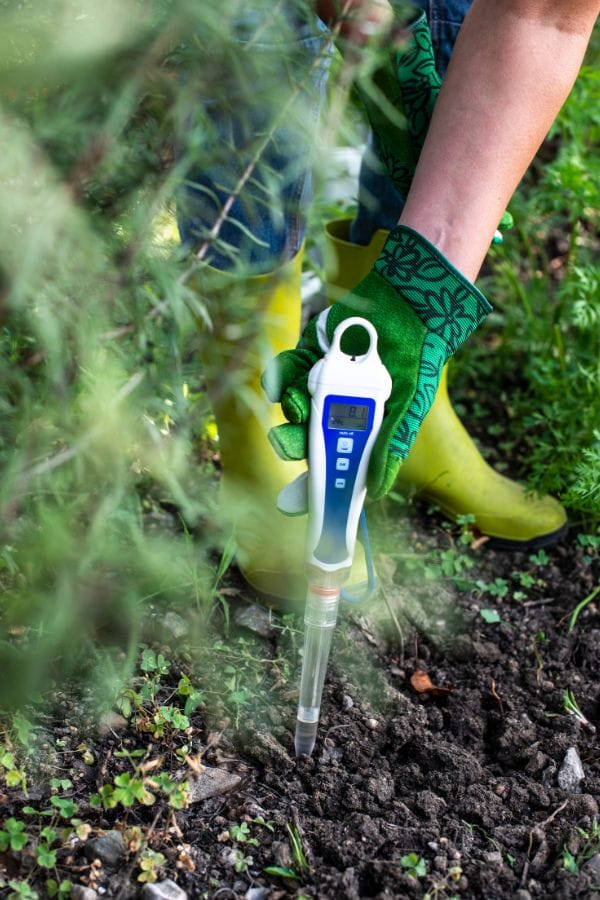
Digital soil meters give quick and easy pH readings. They have a probe that you insert into the soil for immediate results.
| Feature | Details |
| Accuracy | Good for general use, may need calibration |
| Ease of Use | Simple, just insert probe and read display |
| Cost | Moderate, reusable device |
| Speed | Instant results |
Professional Lab Testing
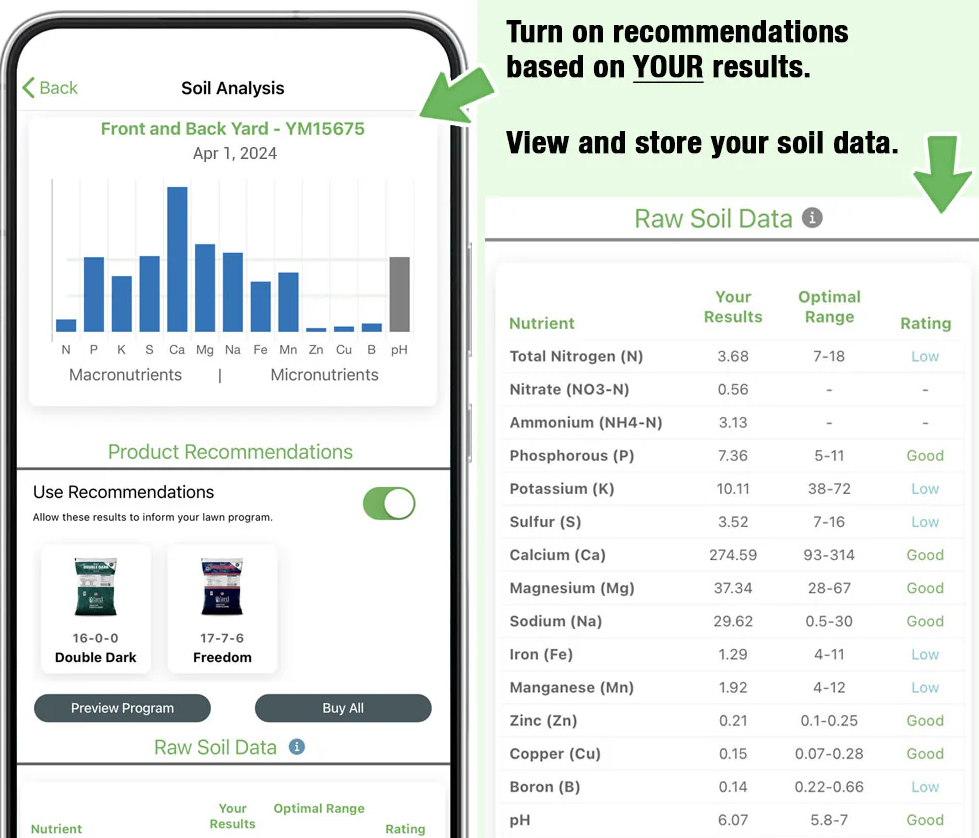
For the most accurate results, send a soil sample to a lab. Experts analyze the soil and provide detailed pH reports.
- Collect soil from different parts of your yard.
- Follow the lab’s instructions for packaging and shipping.
- Receive a detailed report with pH and other soil nutrients.
- Use the information to improve your soil health.
Preparing Soil Samples
Testing soil pH helps you understand how acidic or alkaline your yard soil is. Getting good soil samples is the first step for accurate results.
Proper sample preparation ensures the test reflects your yard’s soil conditions. Follow simple steps to collect and mix soil correctly.
Choosing Sampling Spots
Pick spots that represent your yard well. Avoid unusual areas like near compost or old tree roots.
Sample different parts of your yard to get a good overall picture of soil pH.
- Choose 5 to 10 spots across the yard
- Skip areas with visible damage or chemicals
- Include both sunny and shaded areas
- Avoid spots near fences or driveways
Collecting And Mixing Soil
Use a clean tool to dig 4 to 6 inches deep. Take small amounts of soil from each spot.
Mix all samples in a clean container. Remove roots, stones, and debris for a smooth sample.
- Dig a small hole at each spot
- Collect about one cup of soil per spot
- Combine soil in a clean bucket or bowl
- Mix soil well to form a uniform sample
- Let soil dry if it’s wet before testing
Step-by-step Soil Ph Testing
Testing soil pH helps you understand your yard’s soil health. It shows if the soil is acidic, neutral, or alkaline.
Knowing soil pH guides you on what plants will grow well. It also helps you decide if you need to change the soil.
Using Test Strips Or Kits
Test strips and kits are easy to use and affordable. They give quick results right in your yard or home.
First, collect soil samples from different spots in your yard. Mix them in a clean container for a good sample.
- Take about 1 cup of soil from 2 to 4 inches deep
- Remove rocks, leaves, and debris from samples
- Mix soil well and moisten it with distilled water
- Place a small amount of soil on the test strip or in the kit container
- Wait the time the instructions say, usually a few minutes
- Compare the strip color to the chart included in the kit
Using Digital Meters
Digital pH meters give fast and accurate readings. They have a probe you put into the soil to measure pH.
Prepare soil samples like with test strips. Keep soil moist but not too wet for a good reading.
- Turn on the meter and calibrate it if needed
- Insert the probe into the moist soil sample
- Hold the meter steady and wait for the number to stabilize
- Record the pH value shown on the display
- Clean the probe after each use to keep it accurate
Sending Samples To Labs
Lab testing is the most precise way to check soil pH. Labs also test other soil properties.
Collect soil from your yard using clean tools. Follow lab instructions on how much soil to send.
- Take soil from several spots to get a good mix
- Remove debris and dry the soil if the lab asks
- Place soil in the container the lab provides
- Fill out the form with your yard details and test requests
- Mail the sample to the lab using their address
- Wait for results, which can take a few days to weeks
Interpreting Ph Test Results
Testing the pH level of your yard soil helps you understand how acidic or alkaline it is. This information guides you to choose the right plants and soil treatments.
Knowing what the pH numbers mean makes it easier to care for your yard. Soil pH affects nutrient availability and plant health.
What Different Ph Levels Mean
Soil pH is measured on a scale from 0 to 14. A pH below 7 means the soil is acidic. A pH above 7 means it is alkaline. A pH of 7 is neutral.
- Acidic soil (pH 0 to 6.9): May cause nutrient shortages for some plants.
- Neutral soil (pH 7): Ideal for most plants to grow well.
- Alkaline soil (pH 7.1 to 14): Can limit nutrient absorption in plants.
Adjusting Soil Based On Results
Change your soil pH to help plants grow better. You can add materials to make soil more acidic or alkaline.
- To lower pH (make soil more acidic), add sulfur or peat moss.
- To raise pH (make soil more alkaline), add lime or wood ash.
- Test soil again after a few weeks to see if changes worked.
Adjusting Soil Ph For Gardens
Soil pH affects plant growth, nutrient availability, and overall garden health. A balanced soil pH is essential for optimal plant growth.
Raising Soil Acidity
Raising soil acidity involves adding acidic substances to lower the pH. This method is useful for gardens with high-pH soil.
- Add elemental sulfur to lower the pH
- Use peat moss or composted pine bark to acidify soil
- Apply aluminum sulfate to lower the pH
Lowering Soil Acidity
Lowering soil acidity involves adding alkaline substances to raise the pH. This method is useful for gardens with low-pH soil.
- Add lime to raise the pH
- Use dolomitic limestone to neutralize acidic soil
- Apply wood ash to raise the pH
Maintaining Balanced Ph
Maintaining a balanced soil pH is crucial for optimal plant growth. Regular soil testing and adjustments are necessary to maintain a healthy pH.
Test your soil pH every 6-12 months and make adjustments as needed. This will ensure your garden remains healthy and productive.
Tips For Long-term Soil Health
Soil health is crucial for a thriving garden. Regular testing and maintenance can help you achieve long-term soil health.
Regular Testing Schedule
Test your soil pH every 6-12 months to track changes. Consider testing after fertilizing, pruning, or using mulch.
- Spring: Test after last winter’s snow melts
- Summer: Check after fertilizing and mulching
- Fall: Test before first frost
- Winter: Test after snow clears
Organic Matter And Mulching
Add organic matter like compost or leaf mold to improve soil structure and fertility. Mulch helps retain moisture and suppress weeds.
Use 2-3 inches of organic matter and 2-4 inches of mulch. Mix organic matter into the top 6-8 inches of soil.
Avoiding Overuse Of Chemicals
Limit chemical fertilizers and pesticides to prevent harming beneficial soil life. Instead, use natural alternatives like neem oil or diatomaceous earth.
- Use neem oil to control pests
- Apply diatomaceous earth to repel slugs and snails
- Avoid over-fertilizing, as it can harm beneficial microbes
Credit: littlesproutslearning.co
Frequently Asked Questions
What Is Soil Ph And Why Is It Important?
Soil pH measures soil acidity or alkalinity on a scale of 0 to 14. It affects nutrient availability and plant growth. Testing soil pH helps choose suitable plants and fertilizers, ensuring a healthy yard and optimal plant health.
How Do I Test Soil Ph At Home?
You can test soil pH using a DIY kit, digital pH meter, or vinegar and baking soda test. Collect soil samples, follow the test instructions, and compare results to pH charts for accurate yard soil analysis.
How Often Should I Test Soil Ph In My Yard?
Testing soil pH once or twice a year is recommended. Test in early spring and fall to monitor changes. Regular tests help maintain balanced pH, improving soil health and supporting plant growth effectively.
What Soil Ph Range Is Ideal For Most Plants?
Most plants thrive in soil with a pH between 6. 0 and 7. 5. This range allows optimal nutrient absorption. Knowing your soil’s pH helps you amend it to suit specific plant needs and improve yard productivity.
Conclusion
Testing soil pH helps your plants grow healthy and strong. Knowing your soil’s pH guides you on what to add or avoid. Simple test kits or digital meters give quick and clear results. Regular testing keeps your yard in good shape all year.
Try testing different spots for the best view of your soil. Happy gardening starts with understanding your soil’s pH!

