
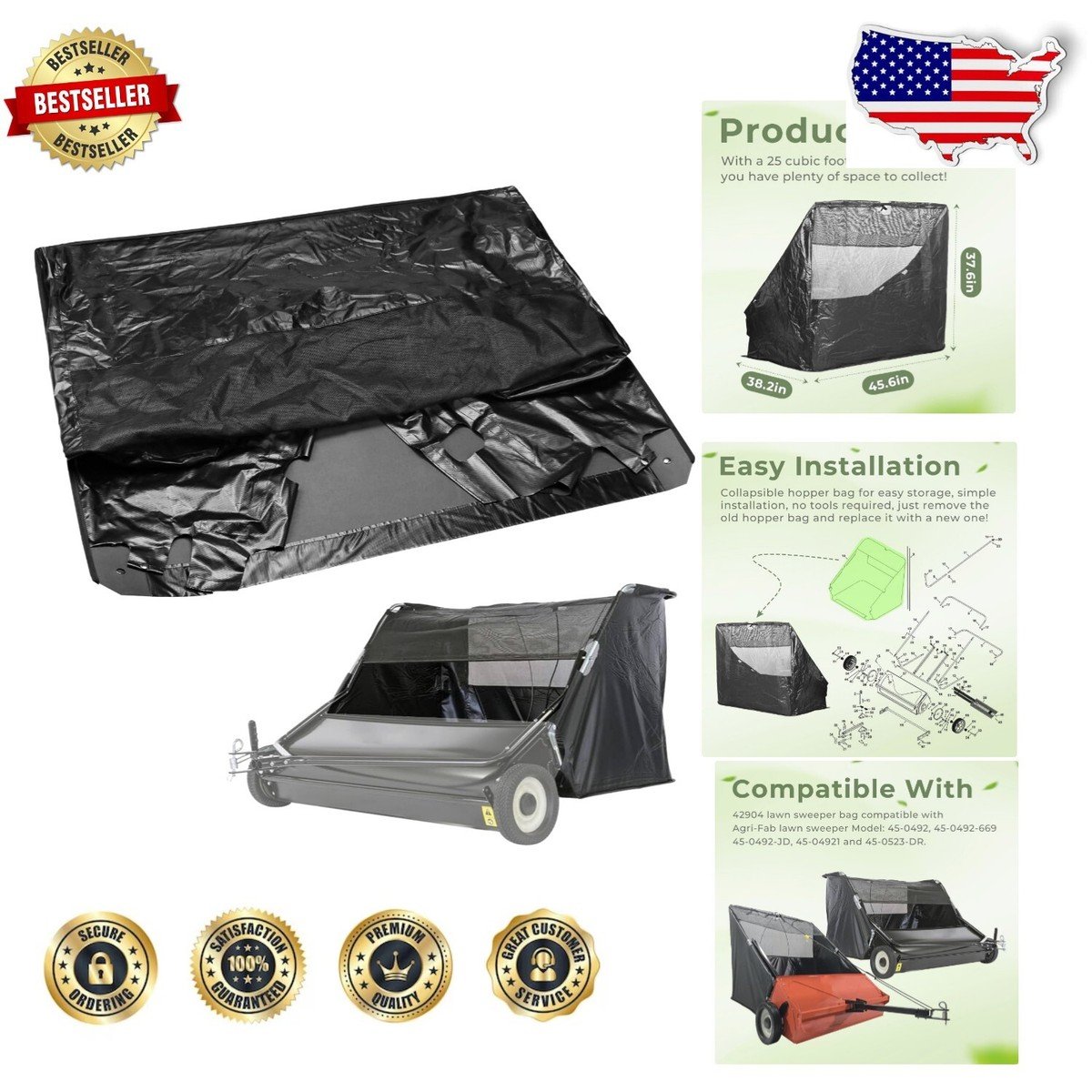
If you want your lawn sweeper to last for years and work like new every time, knowing how to store it properly is key. You might not realize it, but where and how you keep your sweeper can make a big difference in its performance and lifespan.
In this guide, you’ll discover simple steps to protect your investment, save money on repairs, and keep your lawn looking spotless season after season. Keep reading, and you’ll learn exactly what you need to do to store your lawn sweeper the right way.
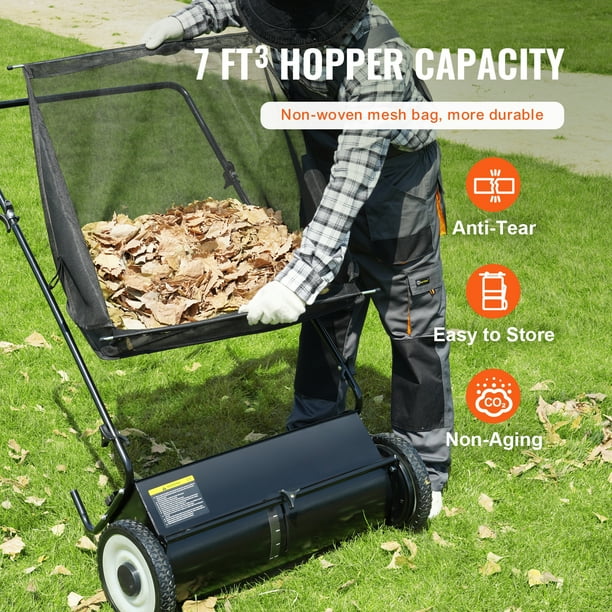
Credit: business.walmart.com
Preparing Your Lawn Sweeper
Storing your lawn sweeper properly helps it last longer. Getting it ready saves time next season.
Follow simple steps to clean and protect your lawn sweeper before storage.
Cleaning Debris And Dirt
Remove all grass, leaves, and dirt from the sweeper. This prevents rust and damage.
Use a brush or air compressor to clean hard-to-reach spots.
- Empty the collection bag or hopper
- Brush off brushes and wheels
- Clear debris from under the frame
Inspecting For Damage
Check your lawn sweeper for broken or worn parts. Fix or replace anything damaged.
Look closely at brushes, wheels, and the frame for cracks or wear.
- Check brushes for wear or missing bristles
- Inspect wheels for cracks or flat spots
- Look over the frame for rust or bends
- Tighten loose bolts and screws
Lubricating Moving Parts
Apply lubricant to all moving parts to keep them working well. This stops rust and wear.
Use grease or oil on bearings, wheels, and brush shafts.
- Lubricate wheel axles and bearings
- Oil brush shafts and pivot points
- Wipe off extra lubricant to avoid dirt buildup
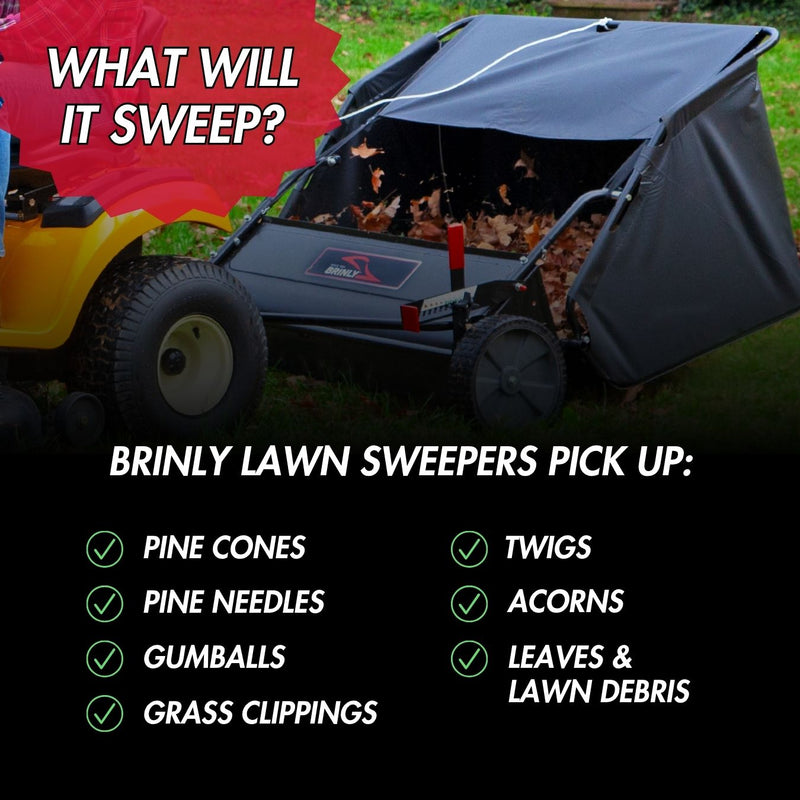
Credit: brinly.com
Choosing The Right Storage Location
Storing your lawn sweeper properly keeps it in good shape. The right location protects it from damage and makes it easy to use.
Think about where you place it. The location affects how long your sweeper lasts and how ready it is for work.
Indoor Vs Outdoor Storage
Indoor storage is usually better for your lawn sweeper. It keeps the sweeper safe from weather and dirt. Outdoor storage may expose it to rain and dust.
If you store outside, use a cover. Covers help, but they do not protect as well as indoor spaces.
- Indoor storage protects from rain and wind
- Outdoor storage can cause rust and wear
- Use a weatherproof cover if outside
Avoiding Moisture And Sunlight
Moisture can cause rust on metal parts. Sunlight can fade plastic and weaken parts. Avoid storing your sweeper in wet or sunny spots.
Choose a dry, shaded area. This keeps your sweeper in better condition and ready for use.
- Keep away from damp floors and walls
- Do not store under direct sunlight
- Good air flow helps reduce moisture
Space And Accessibility
Pick a spot with enough room to move the sweeper in and out. Tight spaces make it hard to use and can cause damage.
Store the sweeper near your lawn tools. This saves time and effort when you need it.
- Leave space to easily pull out the sweeper
- Keep near other lawn equipment
- Ensure a flat surface for stable storage
Proper Storage Techniques
Storing your lawn sweeper properly keeps it in good shape. It prevents damage and extends its life.
Follow simple steps to store your sweeper safely after use. This guide covers the best ways to do it.
Positioning The Sweeper
Place the lawn sweeper on a flat, dry surface. Avoid areas with moisture to stop rust and wear.
Keep the sweeper away from direct sunlight. This helps protect plastic and rubber parts from cracking.
Using Protective Covers
Cover your lawn sweeper with a waterproof tarp or a custom cover. This shields it from dust and rain.
- Choose a cover that fits tightly
- Check the cover for holes or tears regularly
- Remove the cover when the sweeper is in use
- Store the cover in a dry place when not needed
Securing Loose Parts
Tie or lock loose parts to prevent loss or damage. This includes brushes, bags, and wheels.
| Part | Storage Tip |
| Brushes | Remove and clean before storing |
| Collection Bags | Empty and hang to dry |
| Wheels | Secure with straps or clips |
Seasonal Maintenance Tips
Keeping your lawn sweeper in good shape needs regular care. Proper storage protects it from damage.
Seasonal maintenance helps your sweeper last longer. It also makes it ready for the next use.
Preparing For Winter Storage
Clean your lawn sweeper before storing it for winter. Remove all leaves, grass, and debris.
Check the brushes and wheels for wear. Fix or replace damaged parts to avoid rust and damage.
- Empty the hopper completely
- Wash the brushes and let them dry
- Lubricate moving parts with oil
- Store in a dry, covered place
- Keep it off the ground if possible
Spring Startup Checks
Before using your lawn sweeper in spring, inspect it carefully. Look for any damage from storage.
Test the wheels and brushes. Clean off dust and dirt that gathered during winter.
- Tighten all nuts and bolts
- Check brush alignment and adjust if needed
- Lubricate moving parts again
- Make sure the hopper is secure
- Test the sweeper on a small area first
Troubleshooting Common Issues
Storing a lawn sweeper properly helps keep it in good shape. Sometimes, problems like rust or broken parts can happen. Fixing these issues early saves money and time.
This guide explains how to handle rust and corrosion. It also shows how to fix bent or broken components on your lawn sweeper.
Dealing With Rust And Corrosion
Rust can damage metal parts and stop your lawn sweeper from working well. To prevent rust, keep the sweeper dry and clean before storing it. If rust appears, you can remove it with some simple steps.
- Use a wire brush to scrub off loose rust.
- Apply rust remover or a vinegar soak to affected areas.
- Rinse and dry the parts completely after treatment.
- Paint or spray the metal with rust-resistant coating.
- Store the sweeper in a dry place, off the ground.
Fixing Bent Or Broken Components
Bent or broken parts reduce the lawn sweeper’s effectiveness. You can often repair small damage yourself or know when to replace parts. Use the table below to check common issues and fixes.
| Problem | Cause | Fix |
| Bent brush or tine | Hitting hard objects | Gently bend back with pliers or replace |
| Broken axle | Heavy load or impact | Replace axle with new part |
| Damaged wheels | Wear or sharp debris | Clean debris; replace if cracked |
| Loose bolts | Vibration during use | Tighten all bolts and nuts |
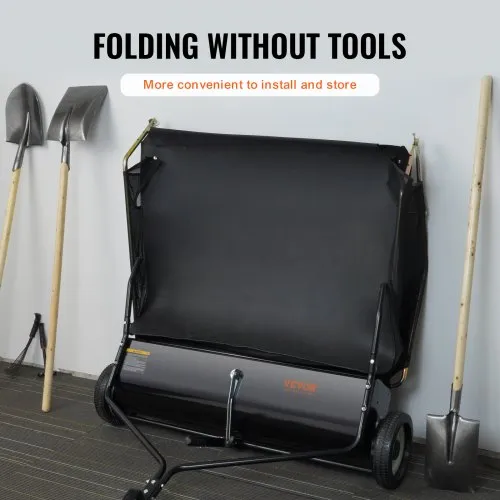
Credit: www.vevor.com
Frequently Asked Questions
How Should I Clean A Lawn Sweeper Before Storage?
Remove debris and grass clippings from brushes and hopper. Wipe down all surfaces with a damp cloth. Ensure it is dry to prevent rust and mold growth.
What Is The Best Place To Store A Lawn Sweeper?
Store your lawn sweeper in a dry, sheltered spot like a garage or shed. Avoid damp or humid areas to prevent rust and damage.
Should I Lubricate My Lawn Sweeper Before Storing?
Yes, apply lubricant to moving parts and wheel bearings. This prevents rust and ensures smooth operation during the next use.
How Do I Protect The Brushes During Storage?
Raise the brushes off the ground or remove them if possible. This keeps bristles from deforming and extends their lifespan.
Conclusion
Storing your lawn sweeper properly saves space and keeps it safe. Clean the sweeper before storing to avoid rust and damage. Choose a dry, covered area to protect it from weather. Keep small parts together to avoid losing them. Regular care helps your lawn sweeper last longer.
Simple steps make storage easy and efficient. Take time now; your sweeper will be ready next season.
