
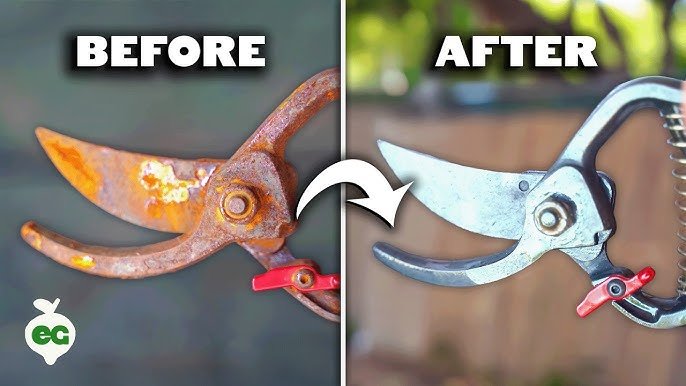
If you want your pruning shears to work smoothly and last longer, learning how to oil them is a simple but powerful step. Imagine cutting through branches with ease, without any annoying sticking or rust slowing you down.
By taking just a few minutes to oil your tools, you can keep them sharp and ready for every gardening task. In this guide, you’ll discover exactly how to oil your pruning shears the right way, so you can save time, avoid frustration, and enjoy a healthier garden.
Keep reading to unlock the secrets to maintaining your shears like a pro.

Credit: www.shokuninstore.com
Why Oil Pruning Shears
Oiling pruning shears keeps them working well. It stops rust and helps blades move smoothly.
Regular oiling extends the life of your tools. It makes cutting easier and safer.
Benefits Of Oiling
Oiling stops blades from sticking during use. It reduces friction so you cut cleanly.
Oil also protects metal parts from rust and dirt. This keeps the shears sharp longer.
- Prevents rust and corrosion
- Makes blades slide smoothly
- Extends tool lifespan
- Keeps cuts clean and precise
- Reduces wear on moving parts
Risks Of Neglecting Maintenance
Not oiling shears causes rust to form on blades. Rust makes cutting harder and damages metal.
Blades may stick or jam without oil. This can lead to uneven cuts and broken parts.
- Rust weakens blades and joints
- Blades become dull faster
- Increased chance of tool breakage
- Harder to use and less safe
- More expensive to repair or replace
Choosing The Right Oil
Oiling your pruning shears is crucial for their maintenance. It keeps them sharp and rust-free. Selecting the right oil is essential for the best results.
Different types of oils can be used for pruning shears. Knowing which one to choose can make your gardening tools last longer.
Types Of Oils For Shears
There are several oils you can use to oil your shears. Each type has its own benefits and uses.
- Machine Oil: Common and easy to find. It provides good lubrication.
- Vegetable Oil: A natural option, safer for the environment.
- WD-40: Multi-purpose and effective against rust.
- 3-in-1 Oil: Good for light lubrication and cleaning.
Natural Vs Synthetic Options
Choosing between natural and synthetic oils depends on your preference. Each has its unique properties.
| Natural Oils | Synthetic Oils |
| Eco-friendly | Long-lasting |
| Less harmful | More resistant to heat |
| Biodegradable | Effective in harsh conditions |
Preparing Shears For Oiling
Oiling pruning shears keeps them sharp and working smoothly. Before oiling, you must prepare the shears properly.
Cleaning the blades and removing rust helps the oil stick and protect better. This preparation extends the life of your tools.
Cleaning Blades
Start by wiping the blades with a dry cloth to remove dirt and sap. Use warm soapy water if the blades are very dirty.
Dry the blades completely to stop water from causing rust. Clean blades let oil spread evenly and protect the metal.
- Use a soft cloth or sponge
- Apply mild soap and warm water
- Rinse and dry the blades well
Removing Rust And Debris
Rust weakens the blades and stops oil from working. Use fine steel wool or a wire brush to remove rust gently.
Clear all debris from the blade edges and joints. This cleaning helps the shears open and close smoothly after oiling.
- Rub rust spots with steel wool or brush
- Remove dirt from blade joints and screws
- Wipe clean with a dry cloth after rust removal

Credit: cowenlandscapes.co.uk
Step-by-step Oiling Process
Keeping your pruning shears oiled helps them work smoothly. This guide shows you how to oil them properly. Follow these simple steps to protect your tool and extend its life.
Oiling your pruning shears is a quick job. It prevents rust and keeps the blades sharp. Use the right oil and tools to get the best results.
Applying Oil Properly
Start by cleaning your pruning shears with a dry cloth. Remove any dirt or sap from the blades. Then, apply a few drops of light machine oil on the blade surface.
- Hold the shears open to expose the blade.
- Put 2 to 3 drops of oil on the sharp edges.
- Spread the oil evenly using a soft cloth or your finger.
- Close and open the shears a few times to spread the oil.
Lubricating Moving Parts
Focus on the pivot point and springs. These parts move a lot and need oil to avoid friction and rust.
| Part | How to Oil | Why |
| Pivot Bolt | Apply 1-2 drops of oil | Ensures smooth opening and closing |
| Spring | Lightly coat with oil | Prevents rust and keeps tension |
| Handle Joints | Use a cotton swab to reach inside | Reduces wear and noise |
Wiping Excess Oil
After oiling, wipe off any extra oil. Too much oil can attract dirt and cause build-up.
- Use a clean cloth to remove excess oil from blades and parts.
- Check for drips around the pivot and handles.
- Store shears in a dry place after wiping.
Frequency Of Oiling
Pruning shears need regular oiling to work well. Oil prevents rust and keeps blades sharp.
How often you oil depends on how often you use the shears. Let’s explore two schedules.
Seasonal Maintenance
Oil shears at the start and end of each gardening season. This protects them during winter and prepares them for spring.
After a long break, check for rust before use. Oil helps remove any rust and keeps the blades moving smoothly.
- Oil in early spring
- Oil before winter storage
Usage-based Schedule
If you use shears often, oil them every few weeks. This maintains their performance and extends their life.
Inspect the shears for sap and dirt. Clean and oil them after heavy use to ensure smooth operation.
| Frequency | Action |
| Weekly | Inspect and clean |
| Bi-weekly | Oil blades |
Additional Maintenance Tips
Oiling pruning shears is important for keeping them working well. There are other ways to maintain your shears too.
These extra tips help your pruning shears last longer and stay sharp.
Sharpening Blades
Keep your pruning shears sharp to cut plants cleanly. Use a sharpening stone or a metal file for best results.
Sharpen the blade at the same angle it was made. Wipe the blade clean after sharpening to remove metal dust.
- Hold the blade steady while sharpening
- Use smooth, even strokes
- Check sharpness by cutting a small branch
- Sharpen regularly for easier cutting
Storing Shears Correctly
Store pruning shears in a dry place to stop rust from forming. Avoid leaving them outside or in damp areas.
Use a protective cover or case to keep blades safe. Keep shears closed and locked if they have a lock.
- Clean shears before storing
- Oil blades lightly to prevent rust
- Store in a dry, cool place
- Use blade guards or cases
Troubleshooting Common Issues
Pruning shears need regular oiling to work well. Sometimes, they can stick or become stiff. Other times, blades may start to rust. Fixing these problems keeps your shears sharp and easy to use.
Below are common issues with pruning shears and how oiling can help solve them. Follow these tips to keep your tools in good shape.
Sticky Or Stiff Shears
Sticky or stiff pruning shears often happen from old sap or dirt build-up. This makes it hard to open and close the blades smoothly.
Oiling the pivot point and blades helps loosen the parts. Use a few drops of light machine oil and open and close the shears several times. Wipe off extra oil and debris for better movement.
- Clean blades with a dry cloth before oiling.
- Apply oil to the pivot bolt and blade edges.
- Work the handles to spread oil inside.
- Remove excess oil to avoid dirt sticking.
Blade Corrosion Problems
Blade corrosion happens when moisture stays on the metal. Rust weakens the blades and makes cutting harder.
Oiling the blades protects them from rust. After cleaning, apply a thin layer of oil to stop moisture from causing damage.
- Wipe blades dry after each use.
- Use rust-preventive oil on blades regularly.
- Store shears in a dry place.
- Check for rust spots and clean them quickly.

Credit: www.youtube.com
Frequently Asked Questions
How Often Should I Oil Pruning Shears?
You should oil pruning shears after every use. This prevents rust and keeps the blades sharp. Regular oiling extends tool life and ensures smooth cutting. It is a simple step that protects your investment.
What Type Of Oil Is Best For Pruning Shears?
Use light machine oil or specialized garden tool oil. These oils lubricate without gumming up. Avoid heavy oils that attract dirt. Proper oil keeps blades moving smoothly and prevents corrosion.
Can I Use Household Oils On Pruning Shears?
Yes, light oils like mineral or sewing machine oil work well. Avoid cooking or heavy oils, as they attract dirt. Household oils can maintain blades if garden-specific oil isn’t available.
Should I Clean Pruning Shears Before Oiling Them?
Always clean shears before oiling. Remove sap, dirt, and debris using a cloth or brush. Clean blades ensure oil penetrates properly and prevents rust. This keeps your shears in optimal condition.
Conclusion
Oiling pruning shears keeps them sharp and working well. It stops rust and makes cutting smooth. Clean your shears before oiling for best results. Use light oil and a soft cloth to apply. Regular care saves money and helps your garden grow.
Keep your tools ready for every pruning task. Simple steps make a big difference. Try oiling your shears today and see the change.

