
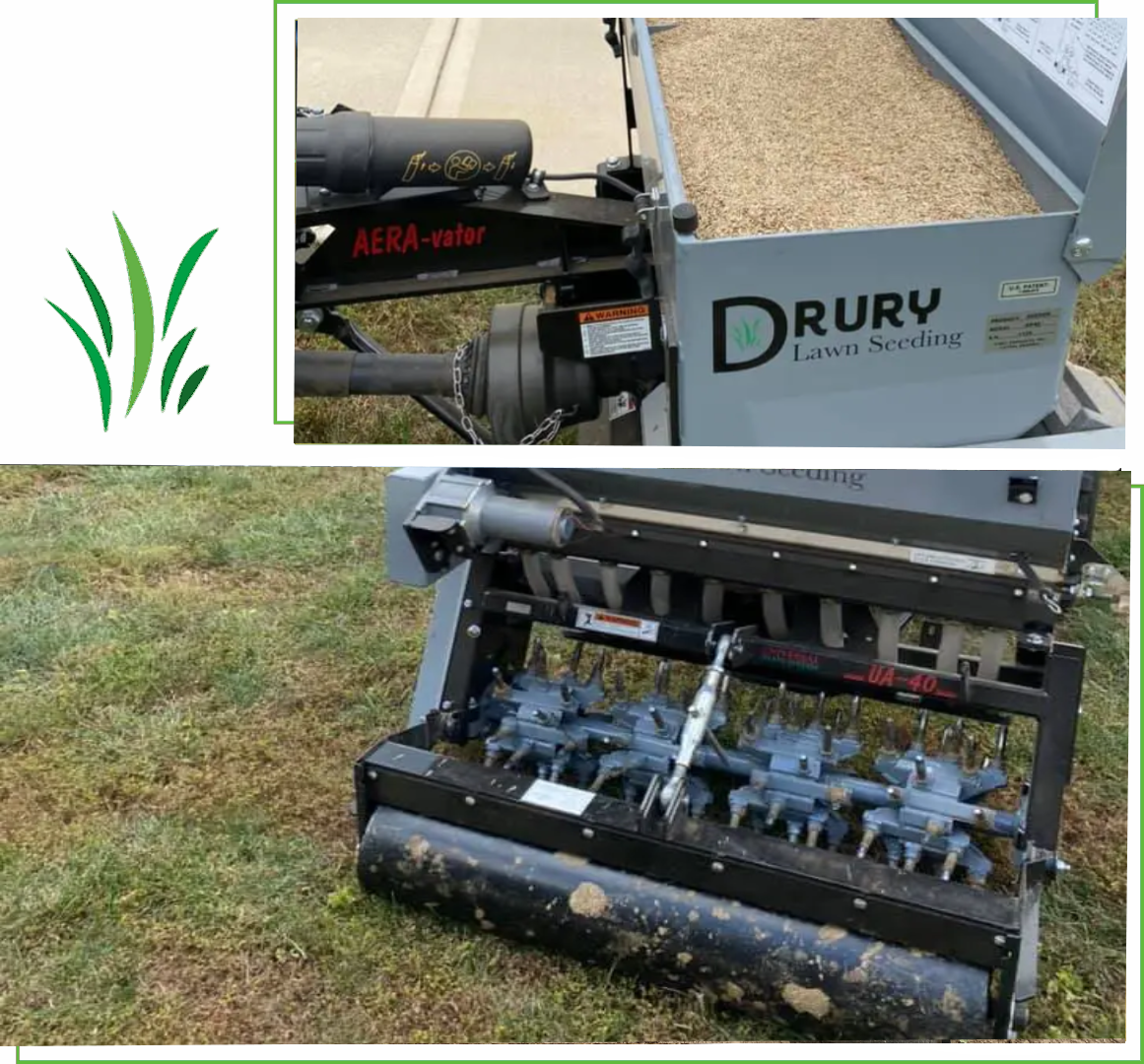
If you want your yard to look lush, green, and healthy, using a seeder can make all the difference. You might think spreading grass seed by hand is enough, but a seeder helps you cover your lawn quickly and evenly.
Imagine saving time, reducing effort, and getting better results every season. You’ll discover why a seeder is the secret tool that can transform your yard into the beautiful space you’ve always wanted. Keep reading to find out how it works and why it’s worth adding to your lawn care routine.
Credit: www.vevor.ca
Benefits Of Using A Yard Seeder
A yard seeder helps plant grass seeds evenly and quickly. It makes lawn care easier and more effective. Using a seeder can save time and effort while improving lawn health.
This tool is useful for anyone who wants a lush, green yard. It works well on small and large lawns. Here are some key benefits of using a yard seeder.
Faster Lawn Growth
A yard seeder places seeds directly into the soil. This helps seeds get better contact with the ground. Good contact means seeds absorb water and nutrients faster. Lawns grow quicker and stronger as a result.
Even Seed Distribution
- Spreads seeds evenly over the area
- Prevents clumps of seeds in one spot
- Reduces bare patches in your lawn
- Ensures uniform grass growth
Even seed distribution helps create a smooth and attractive lawn. It also reduces seed waste and the need for reseeding.
Reduced Labor Effort
| Task | Manual Seeding | Using a Yard Seeder |
| Seed Spreading Time | Long | Short |
| Effort Level | High | Low |
| Seed Accuracy | Low | High |
| Number of People Needed | More | One |
Using a yard seeder reduces the time and energy spent on lawn care. It lets one person do the job faster and with better results.
Types Of Seeders For Lawns
Using a seeder helps spread grass seed evenly across your yard. This tool saves time and effort while improving lawn growth.
There are different seeders for lawns. Each type fits certain yard sizes and user needs.
Manual Seeders
Manual seeders are simple tools you carry and operate by hand. You walk and sprinkle seeds by turning a handle or shaking the tool.
These seeders work well for small yards or tight spaces. They give you control over where you spread seeds.
Push Seeders
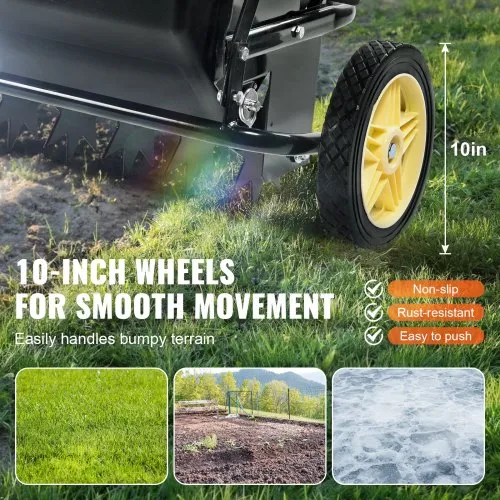
Push seeders have wheels and a hopper for seeds. You push them across the lawn, and they drop seeds evenly as you move.
These seeders suit medium-sized lawns. They cover more ground than manual seeders and reduce effort.
- Wheels control seed spread rate
- Easy to push on flat surfaces
- Good for homeowners with average yards
Tow-behind Seeders
Tow-behind seeders attach to a lawn tractor or ATV. They cover large areas quickly by dropping seeds as the vehicle moves.
These seeders fit large yards or commercial use. They save time and work for big lawn projects.
- Hold large seed amounts
- Adjustable seed drop settings
- Best for farms or big lawns
Choosing The Right Seeder For Your Yard
Using a seeder helps you plant grass evenly and saves time. Picking the right seeder depends on your yard and grass type.
Understanding your needs can make seeding easier and more effective. Consider your yard size, seed type, and budget before buying.
Considering Yard Size
Large yards need seeders that cover more ground quickly. Smaller yards can use compact or handheld seeders.
Choose a seeder that matches your yard size to save effort and time. A wrong size can make seeding harder.
- Small yard: handheld or push seeders work well
- Medium yard: broadcast or drop seeders are good choices
- Large yard: motorized or tow-behind seeders are best
Seed Type Compatibility
Different grass seeds need different seeders. Some seeders spread small seeds well, while others work better with larger seeds.
Check if the seeder works with your seed type. This helps get even coverage and better growth.
- Fine seeds: use seeders with fine seed settings
- Coarse seeds: choose seeders that handle bigger seeds
- Mixed seeds: look for adjustable seeders
Budget And Durability
Seeders come in many prices. Pick one that fits your budget but lasts long.
Durable seeders save money over time. Cheaper models may break or not work well.
- Low budget: simple push seeders
- Mid budget: durable broadcast seeders
- High budget: motorized or tow-behind seeders
Credit: www.lawnsite.com
How To Use A Seeder Effectively
Using a seeder helps you plant seeds evenly and save time. It also improves the chances of your grass or plants growing well.
To get the best results, you need to prepare the soil, set the seeder correctly, and keep the seed at the right depth.
Preparing The Soil
Start by clearing the yard of rocks, weeds, and debris. Then, loosen the soil using a rake or tiller. This helps seeds settle and grow better.
- Remove stones and sticks from the soil
- Pull out any weeds or old grass
- Use a rake to break clumps and smooth the surface
- Water the soil lightly if it is very dry
Setting The Seeder
Adjust the seeder settings based on the type of seed and the size of your yard. This controls how much seed the machine drops.
| Seed Type | Seeder Setting |
| Grass Seed | Low to Medium |
| Flower Seed | Medium |
| Vegetable Seed | Medium to High |
Test the seeder on a small patch to see how many seeds it spreads. Adjust the setting if you see too many or too few seeds.
Maintaining Seed Depth
Planting seeds at the right depth helps them get enough water and air. Too deep or too shallow planting can stop seeds from growing well.
- Check the seeder’s depth control before starting
- Set the seeder to plant seeds about 1/4 to 1/2 inch deep
- Use a rake to cover seeds lightly with soil after seeding
- Water the area gently to keep soil moist
Common Mistakes To Avoid
Using a seeder for your yard can help grow healthy grass. But mistakes can stop good results.
Learn which errors to avoid for better lawn care and seeder use.
Overseeding
Putting too many seeds on the lawn clogs the soil. Grass may not grow well with too many seeds.
- Do not spread seeds too thick.
- Use the right seed amount for your yard size.
- Follow the seeder’s instructions for seed rate.
Ignoring Soil Conditions
Healthy soil helps seeds grow strong roots. Dry or compact soil stops seed growth.
| Soil Condition | Effect on Seeding |
| Dry Soil | Seeds may not sprout well |
| Compacted Soil | Roots find it hard to grow |
| Loose Soil | Best for seed growth |
Neglecting Seeder Maintenance
Not cleaning or fixing the seeder can cause poor seed spread. Seeder parts must work well.
Check these seeder care tips:
- Clean after every use to stop seed blockages.
- Check wheels and blades for damage.
- Oil moving parts to keep the seeder smooth.

Credit: www.rurallifestyledealer.com
Additional Tips For A Healthy Lawn
A lush, green lawn is a joy to behold. Using a seeder can help in achieving a healthy yard. Let’s explore some tips to maintain your lawn’s health.
Watering Schedule
Watering is crucial for new seeds to grow. Consistent moisture is key for seed germination.
- Water early in the morning.
- Ensure soil stays moist but not soggy.
- Adjust frequency based on weather.
Fertilizing After Seeding
Fertilizing provides essential nutrients that help grass grow strong. Use a balanced fertilizer after seeding.
| Fertilizer Type | Application Time |
| Starter Fertilizer | Immediately after seeding |
| Slow-Release Fertilizer | 6-8 weeks after seeding |
Regular Lawn Care Practices
Regular care ensures your lawn remains healthy. Mowing, aeration, and pest control are important practices.
Frequently Asked Questions
What Are The Benefits Of Using A Seeder For Yard?
Using a seeder ensures even seed distribution and improves germination rates. It saves time and reduces manual labor. Seeders also help maintain soil health by minimizing disturbance, leading to a healthier, greener yard.
How Does A Seeder Improve Lawn Growth?
A seeder plants seeds at the right depth and spacing, promoting uniform growth. It enhances seed-to-soil contact, increasing germination success. This results in a thicker, more resilient lawn with fewer bare patches.
Can A Seeder Save Time Compared To Hand Seeding?
Yes, seeders cover large areas quickly and accurately. They reduce physical effort and speed up the seeding process. This makes yard maintenance more efficient, especially for bigger lawns.
Is Using A Seeder Cost-effective For Yard Care?
Using a seeder minimizes seed waste and lowers labor costs. It leads to healthier grass that requires less repair. Over time, this saves money on lawn maintenance and seed replacement.
Conclusion
Using a seeder helps your yard grow healthy grass faster. It spreads seeds evenly, saving time and effort. Your lawn gets a fresh, green look with less work. Seeders improve soil contact for better seed growth. They also reduce seed waste and make planting easier.
Choose a seeder to keep your yard neat and green. Simple tools can make yard care much better. Give your lawn the care it needs with a seeder.

