
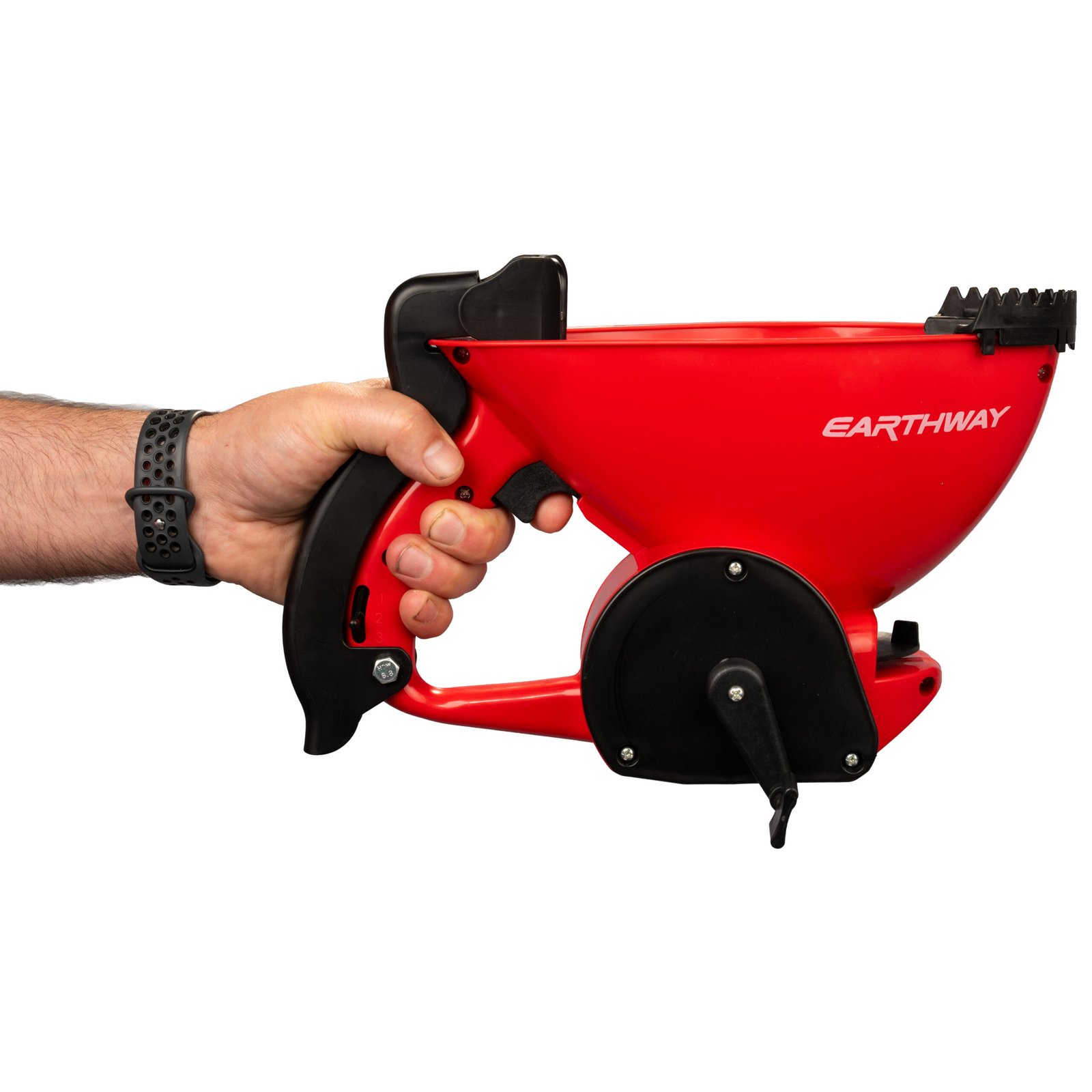
Are you tired of uneven lawns and patchy gardens? Using a handheld spreader can make a huge difference in how you apply seeds, fertilizer, or weed control products.
But if you’re unsure how to use it correctly, you might end up wasting materials or missing spots. You’ll discover simple, step-by-step tips to get the best results every time you spread. Keep reading, and you’ll have a lush, healthy yard that stands out without any guesswork or frustration.

Credit: brinly.com
Choosing The Right Handheld Spreader
A handheld spreader helps you spread seeds, fertilizer, or salt evenly. Picking the right one makes your work easier and faster.
There are different types of handheld spreaders. You should know what to look for before buying one.
Types Of Handheld Spreaders
Handheld spreaders come in several types. Each type fits different jobs and materials.
- Rotary Spreaders: Use a spinning plate to spread material evenly.
- Drop Spreaders: Drop material straight down for precise spreading.
- Handheld Broadcast Spreaders: Throw material wide in a fan shape.
Rotary spreaders cover large areas fast. Drop spreaders work well for narrow spaces. Broadcast spreaders are good for general use.
Factors To Consider
Think about your yard size and what you will spread. This helps choose the right spreader size and type.
- Material Type: Some spreaders work better with seeds, others with fertilizer or salt.
- Spreading Width: Wider spreaders cover more ground but may be less precise.
- Capacity: Larger hoppers hold more material but can be heavier to carry.
- Adjustable Settings: Control the flow rate for different materials and amounts.
- Ease of Use: Choose a spreader that feels comfortable and easy to operate.
Check if the spreader is easy to clean and durable. These features save time and money in the long run.
Recommended Models
Some handheld spreaders are popular for their quality and performance. Here are a few to consider.
- Scotts Hand-Held Spreader: Lightweight and easy to use with adjustable settings.
- Chapman Handheld Seed Spreader: Good for small to medium lawns and gardens.
- Spyker Handheld Rotary Spreader: Durable with a wide spreading range.
Choose a model that fits your budget and meets your yard needs. Reading user reviews can help too.
Preparing Your Lawn
Using a handheld spreader is easier when your lawn is ready. Proper preparation helps spread products evenly. This keeps your grass healthy and looking good.
Start by getting your lawn clean and measuring it. Then pick the right product for your needs. These steps make spreading quick and effective.
Clearing Debris
Remove leaves, sticks, and rocks from your lawn. Debris can block the spreader and cause uneven coverage. Use a rake or leaf blower to clear the area well.
Measuring Lawn Size
Measure your lawn to know how much product you need. Use a tape measure or a measuring wheel. Calculate the total area by multiplying length by width for rectangular spaces.
- Measure the length of your lawn in feet.
- Measure the width in feet.
- Multiply length by width to get square feet.
- For irregular shapes, divide the lawn into sections and add the areas.
Selecting The Right Product
| Product Type | Use | Spreader Setting |
|---|---|---|
| Fertilizer | Feed grass | 3-5 |
| Grass Seed | Fill bare spots | 1-3 |
| Weed Control | Remove weeds | 2-4 |
| Insect Control | Protect grass from bugs | 4-6 |
Choose the product that fits your lawn’s needs. Check the spreader setting on the package. Adjust your spreader to match for best results.
Filling The Spreader
Filling your handheld spreader correctly helps you apply materials evenly. It saves time and avoids waste.
Follow safe and clean methods to load your spreader before use.
Proper Loading Techniques
Always place the spreader on a flat surface before filling. This keeps it steady and prevents tipping.
Use a scoop or funnel to add material carefully. Fill the hopper only to the recommended level to avoid overloading.
- Place spreader on a stable surface
- Use a scoop or funnel for filling
- Fill to the fill line or recommended level
- Check for clumps and break them up before loading
- Close the hopper securely after filling
Avoiding Spills
Spills waste material and create messes that can harm the environment. Handle the spreader with care.
- Keep the spreader close to the container while filling
- Fill slowly and steadily
- Do not overfill the hopper
- Use a tarp or newspaper under the spreader
- Clean up any spills immediately
Safety Tips
Wear gloves and a mask to protect your skin and lungs from dust and chemicals. Keep children and pets away while filling.
| Safety Tip | Reason |
| Wear gloves | Protect skin from irritants |
| Use a mask | Prevent inhaling dust |
| Fill outdoors or in ventilated area | Reduce exposure to fumes |
| Keep pets and children away | Avoid accidental contact |

Credit: brinly.com
Spreading Techniques
Using a handheld spreader correctly helps you cover your lawn or garden evenly. Good techniques save product and improve results. Let’s look at key ways to spread materials well.
This guide focuses on adjusting the flow rate, walking patterns, and ensuring even coverage. Each step is simple and important for best use.
Adjusting The Flow Rate
Check the flow rate before you start spreading. It controls how much material comes out of the spreader. Adjust the dial or lever to set the right amount.
Too much flow wastes product and may harm plants. Too little flow means uneven coverage. Test the flow rate on a small area first to find the best setting.
Walking Patterns
Use a steady walking pattern to spread evenly. Walk at a normal pace and keep the spreader at a consistent height. Overlap each pass slightly to avoid gaps.
- Walk in straight lines across the area
- Make each pass overlap the last by about 2 to 3 inches
- Keep a steady speed to avoid clumps or thin spots
- Turn around carefully to keep material spread evenly
Ensuring Even Coverage
Check your work as you go to ensure even coverage. Use a simple table to compare the spread distances and coverage for different settings.
| Flow Rate Setting | Spread Width | Coverage Notes |
| Low | 3 feet | Good for small areas, less waste |
| Medium | 5 feet | Best for regular lawn size |
| High | 7 feet | Use for large open spaces only |
Post-application Care
After spreading fertilizer or seed, care for your spreader and lawn to get the best results. Proper maintenance helps your tools last longer and keeps your lawn healthy.
Follow simple steps for cleaning, storing, and watching your lawn after you use the spreader.
Cleaning The Spreader
Cleaning your handheld spreader stops buildup and prevents rust. Always clean it soon after use to remove leftover material.
- Empty all remaining fertilizer or seed from the spreader.
- Rinse the hopper and spreading mechanism with water.
- Use a brush to scrub off stuck particles.
- Dry the spreader completely to avoid rust.
- Check for any damage and fix if needed.
Storage Tips
Store your spreader in a dry, cool place. Proper storage keeps it ready for the next use.
| Storage Condition | Reason |
|---|---|
| Dry Location | Prevents rust and corrosion on metal parts |
| Cool Temperature | Keeps plastic and rubber parts from warping |
| Off the Ground | Avoids moisture and pests |
| Covered Area | Protects from dust and sunlight damage |
Monitoring Lawn Health
Watch your lawn after spreading fertilizer or seed. This helps you see if the lawn improves or needs more care.
- Check for new grass growth or color changes.
- Water the lawn regularly to help seeds or fertilizer work.
- Look for weeds or pests and remove them quickly.
- Note any bare spots and plan to reseed if needed.
- Adjust your spreader use based on lawn response.
Common Mistakes To Avoid
Using a handheld spreader can help spread seeds or fertilizer evenly. Many people make mistakes that lead to poor results. Learn how to avoid these common errors for better outcomes.
Proper use ensures your lawn or garden looks its best. Avoid these pitfalls for more effective spreading.
Over-application Risks
Using too much product can harm your plants. Over-application can cause nutrient burn or damage the soil. It is important to measure the correct amount before spreading.
Always follow the instructions on the product label. Avoid using more than recommended to keep your garden healthy.
- Measure product carefully
- Follow label instructions
- Check for signs of over-application
Ignoring Weather Conditions
Weather affects how the product spreads. Wind can cause uneven distribution. Rain can wash the product away. Always check the weather before you start spreading.
Choose a calm, dry day for best results. This prevents waste and ensures even coverage.
- Avoid spreading on windy days
- Do not spread before rain
- Check the forecast in advance
Incorrect Calibration
Calibration ensures the spreader releases the right amount of product. Incorrect settings can lead to over or under-application. Always adjust the spreader according to the product’s instructions.
Test your spreader on a small area first. Make adjustments until you achieve even coverage.
- Calibrate before each use
- Test on a small area
- Adjust settings as needed
Enhancing Lawn Care Results
Using a handheld spreader can make lawn care easier and more effective. It helps distribute seeds and fertilizers evenly. This ensures that your lawn grows healthy and lush.
With the right techniques and tools, you can greatly improve your lawn care results. Learn how to use a handheld spreader efficiently by combining it with other tools, scheduling applications, and using quality lawn products.
Combining With Other Tools
Combining a handheld spreader with other lawn tools enhances its effectiveness. This method ensures complete coverage and better lawn health.
- Use a rake to prepare the soil before spreading seeds.
- Pair the spreader with a lawn mower for uniform grass height.
- Use a garden hose to water after spreading fertilizers.
Scheduling Applications
Regular scheduling of lawn care tasks is crucial. It ensures that your lawn receives consistent care and nutrients throughout the year.
Consider creating a simple lawn care calendar. This can be a physical calendar or a digital one on your phone. Here is a basic schedule you can follow:
- Spring: Seed and fertilize.
- Summer: Water and mow regularly.
- Fall: Aerate and seed again.
- Winter: Remove debris and prepare for spring.
Using Quality Lawn Products
Quality products can greatly impact the health of your lawn. They ensure better growth and more vibrant grass.
| Product Type | Recommended Use |
| Fertilizer | Twice a year |
| Grass Seed | Spring and Fall |
| Pesticides | As needed |

Credit: brinly.com
Frequently Asked Questions
What Is The Best Way To Fill A Handheld Spreader?
Fill the spreader using a funnel to avoid spills. Use appropriate materials like fertilizer or seeds. Do not overfill to maintain easy handling and even spreading.
How Do You Adjust The Spread Rate On A Handheld Spreader?
Adjust the spread rate by turning the dial or lever on the spreader. Refer to the product manual for specific settings. Test spread on a small area before full use.
Can I Use A Handheld Spreader For All Lawn Types?
Handheld spreaders work well for most lawn types. Adjust settings based on material and lawn size. Avoid using on very rocky or uneven terrain for best results.
How To Clean A Handheld Spreader After Use?
Empty remaining material and rinse the spreader with water. Use a brush to remove stuck debris. Dry thoroughly to prevent rust and ensure longevity.
Conclusion
Using a handheld spreader makes lawn care easier and more precise. It helps spread seeds, fertilizer, or salt evenly. This tool saves time and effort during outdoor work. Remember to follow the instructions for best results. Clean and store the spreader after use to keep it working well.
With practice, spreading becomes quicker and more effective. Try using a handheld spreader to keep your yard healthy and neat. Simple steps lead to great results.

