
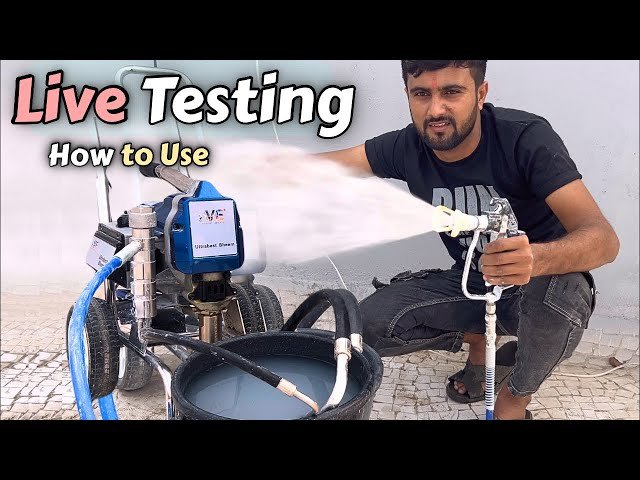
Are you ready to make your gardening or cleaning tasks easier and more efficient? Using a handheld sprayer might seem simple, but getting it right can save you time and effort while giving you better results.
Whether you’re watering delicate plants, applying fertilizers, or tackling household chores, knowing the exact steps to use your sprayer can make all the difference. In this guide, you’ll discover clear, easy-to-follow instructions that will help you use your handheld sprayer like a pro.
Keep reading, and you’ll soon be handling your sprayer with confidence and precision.
Choosing The Right Sprayer
Choosing the right handheld sprayer can make your work easier. It helps you spray plants or clean surfaces well.
There are many types of sprayers. Knowing the features and your needs will guide your choice.
Types Of Handheld Sprayers
Handheld sprayers come in different types. Each type fits different tasks and uses.
- Pump Sprayers:You pump to build pressure. Good for small jobs.
- Trigger Sprayers:Squeeze the trigger to spray. Best for light use.
- Battery-Powered Sprayers:Use batteries to spray. Easy for large areas.
- Compressed Air Sprayers:Use air pressure for even spray. Ideal for precise work.
Key Features To Look For
Look for features that match your tasks. Features affect how well and easy you can spray.
- Tank Size:Bigger tanks hold more liquid but are heavier.
- Spray Nozzle:Adjustable nozzles allow different spray patterns.
- Material:Durable material resists chemicals and lasts longer.
- Comfort:Comfortable handles and straps reduce hand strain.
- Pressure Control:Helps control spray strength for different needs.
Selecting Based On Your Needs
Think about what you will use the sprayer for. Choose one that fits your usual tasks.
- For small plants, use a light trigger sprayer.
- For gardens or lawns, a pump sprayer works well.
- For large areas, a battery-powered sprayer saves effort.
- If you need precise spraying, pick a sprayer with adjustable nozzles.
- Consider the type of liquid you will spray to pick the right material.
Preparing Your Sprayer
Using a handheld sprayer is easy if you prepare it correctly. Proper setup helps the sprayer work well and last longer.
This guide shows how to get your sprayer ready before you start spraying.
Cleaning Before First Use
New sprayers may have dust or factory oils inside. Clean the sprayer to avoid clogging and bad smells.
Rinse all parts with clean water before using the sprayer for the first time.
- Fill the tank with clean water
- Pump and spray water through the nozzle
- Empty the tank and rinse again
Assembling The Parts
Put all the sprayer parts together carefully. Follow the instructions in the manual if you have one.
Make sure each part fits tightly to stop leaks and keep the sprayer working smoothly.
- Attach the handle or pump to the tank
- Connect the hose to the tank and the spray wand
- Secure the nozzle to the spray wand
- Check that all parts are tight and firm
Checking For Leaks And Damage
Look over the sprayer for cracks, holes, or broken parts. Fix or replace damaged parts before use.
Test the sprayer with water to find leaks. Tighten connections if you see water dripping.
- Fill the tank with water
- Pressurize the sprayer by pumping
- Spray water and watch for leaks
- Check hose, nozzle, and tank for damage
Mixing And Filling Solutions
Using a handheld sprayer requires careful preparation of the solution. Mixing and filling the sprayer correctly ensures safe and effective application.
Follow the right steps to avoid damage to the sprayer and to get the best results from the product you use.
Choosing The Right Solution
Select a solution that matches the sprayer and your needs. Use only products labeled for handheld sprayer use.
- Check the product label for sprayer compatibility
- Pick solutions meant for your target surface or plants
- Avoid thick or chunky mixtures that clog the sprayer
- Use fresh solutions to ensure effectiveness
Proper Dilution Techniques
Mix the solution in the correct ratio. Too strong can harm plants or surfaces. Too weak may not work well.
| Solution Type | Mixing Ratio | Notes |
| Herbicide | 1 part concentrate to 20 parts water | Follow label instructions exactly |
| Fertilizer | 1 part concentrate to 10 parts water | Mix well before use |
| Insecticide | 1 part concentrate to 15 parts water | Use protective gear during mixing |
Safe Filling Practices
Fill the sprayer carefully to avoid spills and accidents. Use clean water and tools for mixing.
- Wear gloves and eye protection before handling chemicals
- Pour water into the sprayer first, then add the concentrate
- Mix the solution gently by swirling or stirring
- Do not overfill; leave space for pressure buildup
- Check for leaks before using the sprayer

Credit: www.amazon.com
Effective Spraying Techniques
Using a handheld sprayer correctly helps you cover surfaces evenly. Good spraying saves time and product.
Learn these easy steps to spray like a pro. It makes your work neat and efficient.
Adjusting The Nozzle
Start by setting the nozzle for the spray you need. A wide spray covers more area quickly.
For detailed work, use a narrow spray. Turn the nozzle to change spray size and shape.
- Twist nozzle clockwise for a fine mist
- Twist nozzle counterclockwise for a strong stream
- Test spray on a small area before starting
Maintaining Consistent Pressure
Keep steady pressure on the sprayer trigger. This helps spray come out evenly.
Do not squeeze too hard or too soft. Practice squeezing to get a smooth flow.
- Hold the sprayer firmly with one hand
- Use your other hand to pump if needed
- Check the tank pressure before starting
Spraying Patterns For Coverage
Move the sprayer in steady, overlapping strokes. This avoids missed spots.
Keep the nozzle at a consistent distance from the surface. This gives even coverage.
- Use side-to-side motion for walls or fences
- Try circular motions for plants or small areas
- Overlap each pass by about 50 percent
- Keep about 12 to 18 inches from the surface
Safety Tips While Spraying
Using a handheld sprayer can be effective for many tasks. It is important to stay safe while spraying. This guide covers key safety tips to protect you and others.
Follow these tips closely to avoid accidents and harm. Proper care makes spraying safer and more efficient.
Wearing Protective Gear
Protective gear reduces the risk of skin and eye contact with chemicals. Always wear the right equipment before you start spraying.
- Wear long sleeves and long pants to cover your skin.
- Use gloves made of chemical-resistant material.
- Wear safety goggles or a face shield to protect your eyes.
- Use a mask or respirator to avoid breathing in fumes.
- Wear closed-toe shoes or boots for foot protection.
Avoiding Drift And Over-spray
Spray drift can harm nearby plants, animals, or people. Avoid over-spraying to save chemicals and prevent damage.
| Tip | Explanation |
| Spray on calm days | Wind can carry spray to unwanted areas. |
| Use low pressure | High pressure causes mist and drift. |
| Keep nozzle close | Spray directly on target to reduce waste. |
| Check wind direction | Spray upwind to avoid drift on yourself. |
| Limit spray volume | Use only the needed amount to avoid runoff. |
Handling Chemicals Safely
Proper chemical handling prevents spills and health risks. Always read labels and follow instructions carefully.
- Store chemicals in original containers with labels.
- Keep chemicals out of reach of children and pets.
- Measure chemicals accurately using proper tools.
- Mix chemicals in well-ventilated areas.
- Clean sprayer parts after use to avoid contamination.
- Dispose of leftover chemicals safely according to local rules.
Cleaning And Storing Your Sprayer
Keeping your handheld sprayer clean ensures it works well. Proper storage keeps it ready for the next use.
This guide will help you flush out residue, store your sprayer properly, and maintain it routinely.
Flushing Out Residue
After using your sprayer, you need to clean out the residue. This prevents clogs and damage.
- Empty the sprayer completely.
- Fill with clean water and spray until empty.
- Repeat until the water runs clear.
Proper Storage Conditions
Storing your sprayer correctly keeps it in good condition. Choose a dry, cool place to avoid damage.
Keep your sprayer away from direct sunlight and extreme temperatures. This will prolong its life.
Routine Maintenance Tips
Regular maintenance is key for your sprayer’s performance. Simple checks and care can prevent issues.
- Check for leaks and fix them immediately.
- Inspect nozzles and clean them regularly.
- Lubricate moving parts to ensure smooth operation.
Troubleshooting Common Issues
Handheld sprayers are useful for many tasks. They can sometimes have issues. This guide will help you troubleshoot common problems.
Learn how to fix clogs, pressure loss, and leaks. Follow these steps to keep your sprayer working well.
Clogged Nozzle Solutions
Nozzles can get clogged with debris or residue. This affects spraying efficiency. Regular cleaning helps prevent clogs.
- Remove the nozzle and soak it in warm soapy water.
- Use a small brush to gently clean inside the nozzle.
- Rinse thoroughly with clean water before reattaching.
Pressure Loss Fixes
Pressure loss can occur due to leaks or a faulty pump. Ensure all connections are tight and secure.
| Issue | Solution |
| Loose connection | Tighten all fittings and screws |
| Worn-out seal | Replace the seal with a new one |
| Damaged pump | Inspect and repair or replace the pump |
Handling Leaks And Malfunctions
Leaks can waste liquid and decrease efficiency. Check for cracks or loose parts regularly. Quick fixes can save time and resources.

Credit: www.brondell.com

Credit: realbidets.com
Frequently Asked Questions
How Do I Prepare A Handheld Sprayer For Use?
First, check the sprayer for damage or leaks. Next, fill the tank with the correct solution. Secure the lid tightly. Finally, pump the handle to build pressure before spraying.
What Safety Tips Should I Follow Using A Handheld Sprayer?
Wear protective gloves and goggles to avoid chemical contact. Use the sprayer outdoors or in well-ventilated areas. Always read product labels for safe handling and disposal instructions.
How Do I Clean A Handheld Sprayer After Use?
Empty leftover solution and rinse the tank thoroughly. Pump clean water through the nozzle to clear residues. Disassemble parts if possible and allow them to air dry before storage.
Can I Use A Handheld Sprayer For Different Liquids?
Yes, but always clean the sprayer between uses. Avoid mixing incompatible chemicals. Use the sprayer only for recommended liquids to prevent damage and ensure effectiveness.
Conclusion
Using a handheld sprayer can make many tasks easier. Follow each step carefully for best results. Always check the sprayer before use to avoid leaks. Wear gloves and protect your eyes for safety. Clean the sprayer after each use to keep it working well.
Practice a little to get comfortable handling the sprayer. You will see how it saves time and effort. Keep these tips in mind for smooth spraying every time. Simple steps lead to great results. Give it a try today!

