
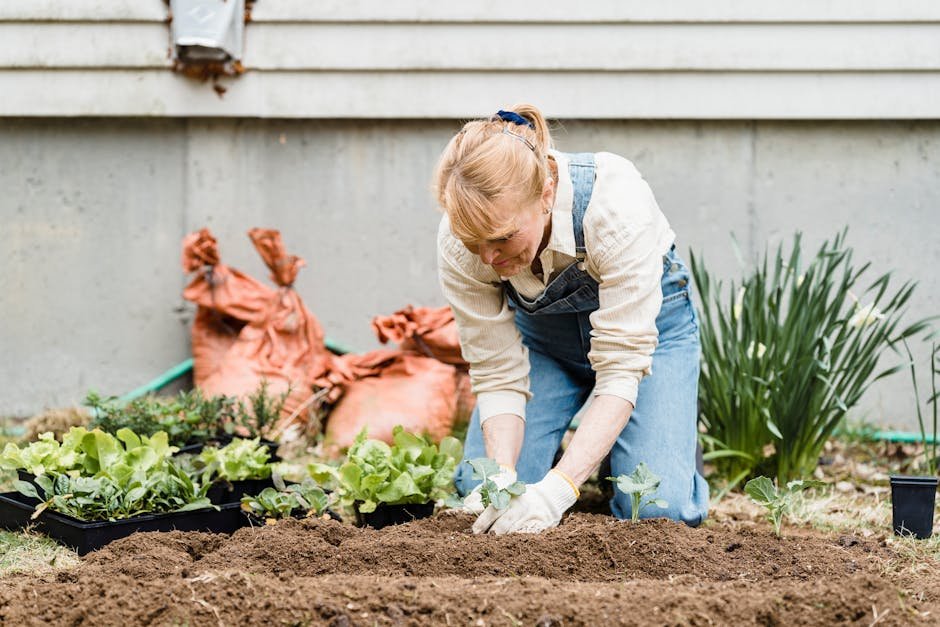
Have you ever wondered how a garden tiller can make your gardening tasks so much easier? Whether you’re preparing soil for planting or breaking up tough ground, understanding how a garden tiller works can save you time and effort.
You’ll discover the simple mechanics behind these powerful tools and learn how to use them to get the best results for your garden. Keep reading, and you’ll soon feel confident turning your hard soil into a perfect bed for your plants.
Garden Tiller Basics
A garden tiller is a tool that breaks up soil for planting. It helps mix nutrients and loosen ground. This makes it easier for plants to grow strong roots.
Using a tiller saves time and effort compared to digging by hand. There are different types and parts to understand before using one.
Types Of Garden Tillers
Garden tillers come in several types. Each type fits different garden sizes and soil conditions. Choosing the right one depends on your needs.
- Front-tine tillers:These have blades in front. They are good for light to medium soil.
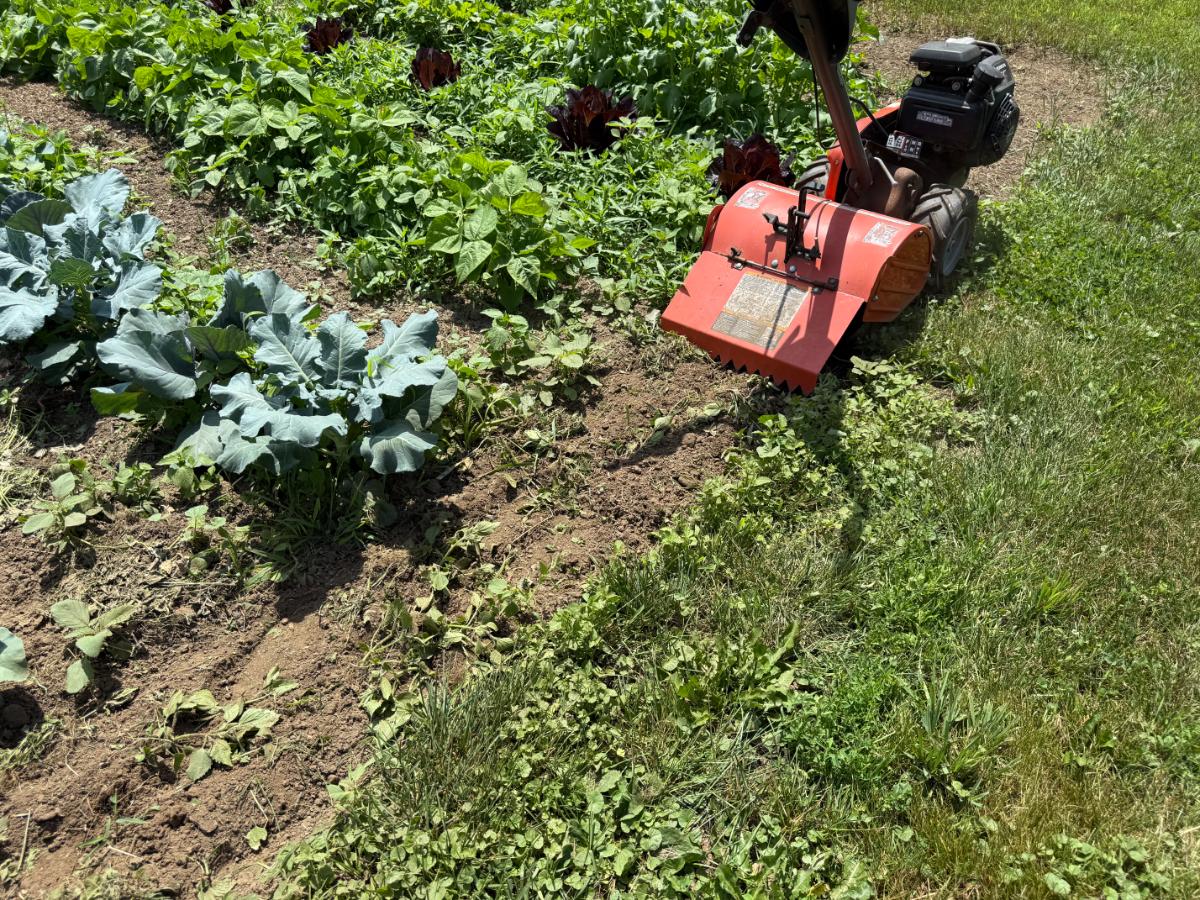
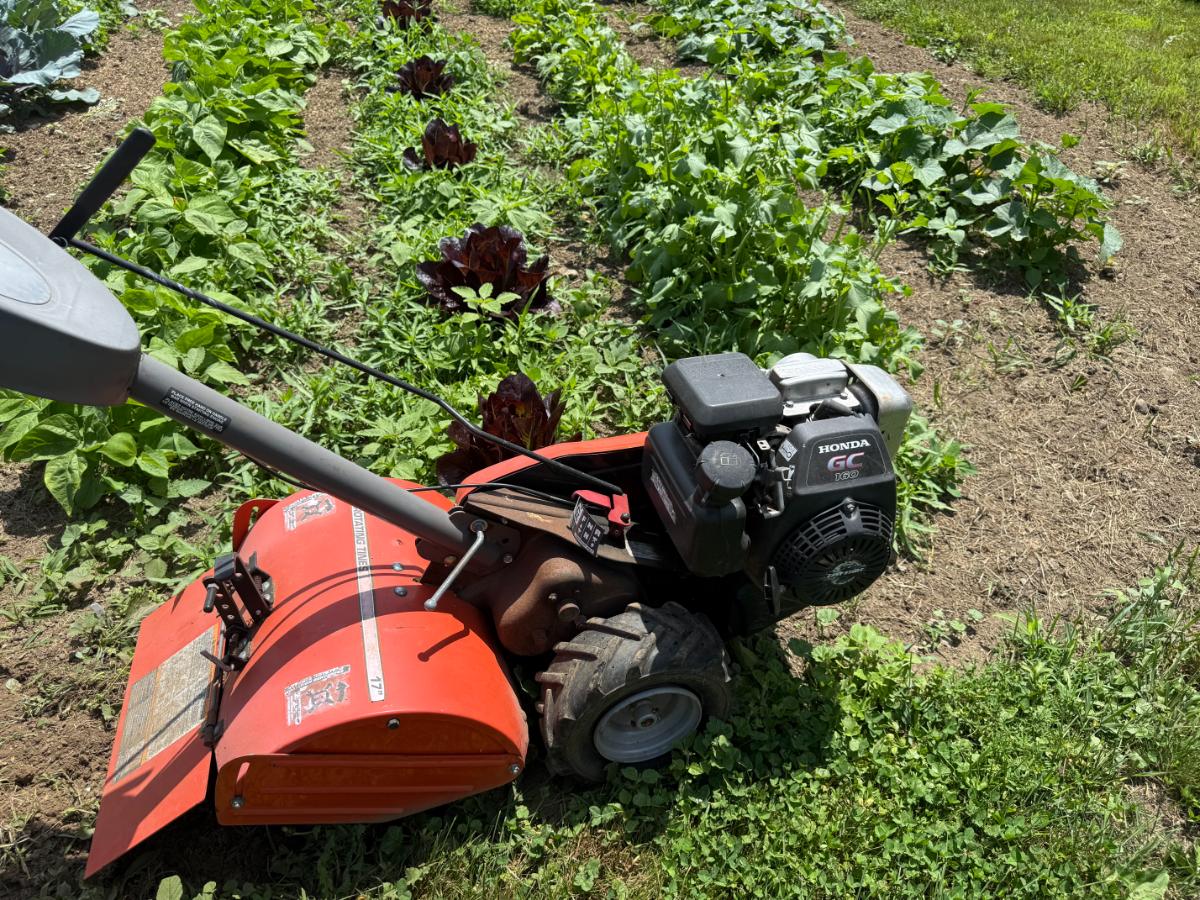
- Rear-tine tillers:These have blades in the back. They are stronger and work well for tough soil.
- Cultivators:Smaller and lighter. They are best for small gardens and mixing soil.
- Electric tillers:Powered by electricity. They are quiet and easy to start.
- Gas tillers:Run on gas. They offer more power for larger gardens.
Key Components
| Component | Function |
| Tines | These are rotating blades that dig and turn the soil. |
| Engine or Motor | Provides power to rotate the tines. |
| Handlebars | Used to steer and control the tiller. |
| Depth Stake | Controls how deep the tines dig into the soil. |
| Transmission | Transfers power from the engine to the tines. |
How Tillers Prepare Soil
Tillers prepare soil by breaking it into smaller pieces. This improves air and water flow. It also mixes organic matter evenly.
- Tines dig into the soil and turn it over.
- The soil becomes loose and easy to plant in.
- Weeds and old plants get chopped and mixed in.
- Soil nutrients spread evenly for better growth.
- Tillers reduce the need for manual digging and raking.
Credit: gardening.org
Tilling Mechanism
A garden tiller is a tool that breaks up soil for planting. It helps mix soil and remove weeds. Understanding how it works can help you use it well.
The main part of a tiller is its mechanism that turns soil. This mechanism uses parts that move and cut the ground. These parts work together to prepare your garden bed.
Rotating Tines And Blades
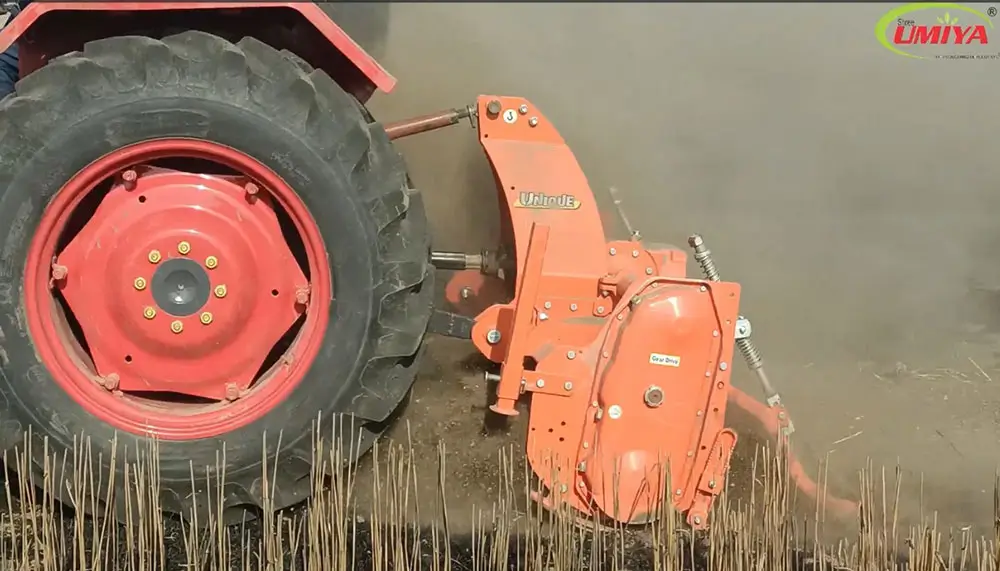
Rotating tines and blades are the parts that dig into the soil. They spin around to break up hard ground and mix it. The sharp edges cut through roots and weeds.
Tines come in different shapes and sizes. Some are curved to pull soil, while others are straight for cutting. The spinning action loosens soil and makes it easier to plant.
Power Sources Explained
Garden tillers use different power sources to turn the tines. Some use gas engines, while others run on electricity or batteries. Each type has its own benefits and limits.
Gas tillers are strong and good for big gardens. Electric tillers are quieter and better for small spaces. Battery-powered tillers offer more freedom without cords.
- Gas engines give more power for tough soil
- Electric motors are lighter and cleaner
- Batteries allow easy movement and less noise
Depth And Width Control
Tillers let you control how deep and wide they work. You can set the depth to break soil just enough for your plants. The width control helps cover the area you want to till.
Adjusting these settings helps save time and prevents damage to your garden. Some tillers have wheels or plates to keep the right depth. You can also change tine spread for different widths.
- Depth control sets how deep tines dig into soil
- Width control adjusts how wide the tiller covers
- Proper settings protect plants and save effort
Benefits Of Using A Tiller
A garden tiller helps prepare soil for planting. It breaks up hard soil and makes it easier to work with.
Using a tiller saves time and effort. It improves the soil, making plants grow better.
Improving Soil Aeration
A tiller loosens the soil, allowing air to reach plant roots. This helps roots breathe and grow strong.
Good soil aeration improves water movement and reduces soil compaction. Plants get the air and moisture they need.
Enhancing Nutrient Distribution
Tilling mixes organic matter and fertilizers evenly into the soil. This helps nutrients reach plant roots faster.
Even nutrient spread helps plants grow healthy and strong. It supports better crop yields in your garden.
Weed Control Advantages
A tiller turns over the soil surface and uproots weeds. This reduces weed growth before planting.
Controlling weeds early lowers competition for water and nutrients. Your plants get more resources to grow.
Choosing The Right Tiller
Picking the right garden tiller makes soil work easier and faster. A good tiller matches your garden size and soil type.
Knowing what to look for helps you avoid wasting money on the wrong tool. Let’s look at key points to consider.
Matching Tiller To Soil Type
Different soils need different tillers. Soft soil is easier to till than hard or rocky soil. Choose a tiller made for your soil type.
- Light soils work well with small, electric tillers.
- Heavy clay or rocky soil needs a powerful gas tiller.
- For sandy soil, a tiller with adjustable tines works best.
Size And Power Considerations
Your garden size affects tiller size and power. Small gardens need smaller, lighter tillers. Large gardens need bigger, stronger machines.
| Garden Size | Tiller Type | Power Source |
| Up to 500 sq ft | Mini or electric tiller | Electric or battery |
| 500 to 2000 sq ft | Mid-size tiller | Gas or electric |
| Over 2000 sq ft | Heavy-duty tiller | Gas-powered |
Maintenance And Durability
Regular care keeps your tiller working well. Check the engine, tines, and wheels often. Clean dirt and debris after use.
- Change oil as the manual says.
- Sharpen or replace tines when dull.
- Store in a dry place to avoid rust.
- Tighten loose bolts and screws regularly.
Safe Tilling Practices
Using a garden tiller can make soil preparation easier. Following safe tilling practices helps avoid injuries and protects your garden.
Learn how to prepare soil, operate your tiller safely, and care for soil after tilling.
Pre-tilling Soil Preparation
Before tilling, clear the area of rocks, sticks, and debris. This prevents damage to the tiller and reduces risks of flying objects.
- Wear gloves and sturdy shoes to protect your hands and feet.
- Check the soil moisture; avoid tilling if soil is too wet or dry.
- Mark or remove any underground utilities or sprinkler heads.
- Read the tiller’s manual to understand its functions and safety features.
Operating Tips For Safety
Operating a tiller requires focus and care to prevent accidents and injuries.
| Safety Tip | Reason |
| Always wear eye protection | Protects from flying debris |
| Keep hands and feet away from blades | Prevents cuts and injuries |
| Operate at slow speeds | Maintains control and reduces accidents |
| Turn off tiller before adjusting or cleaning | Avoids accidental starts |
| Do not operate on steep slopes | Reduces risk of tipping over |
Post-tilling Soil Care
After tilling, care for the soil to keep it healthy and ready for planting.
Follow these post-tilling practices:
- Remove any large clumps or rocks left on the surface.
- Water the soil lightly to help it settle.
- Add compost or organic matter to improve soil nutrients.
- Cover soil with mulch if you do not plant immediately.
Credit: gardening.org
Maximizing Soil Potential
A garden tiller is a tool that prepares soil for planting. It helps break up hard soil and mix nutrients evenly. Using a tiller can improve plant growth and yield.
Understanding how to use a tiller effectively is key. Proper tilling can make your soil rich and ready for planting.
Timing Your Tilling
Timing is important for tilling. The soil should not be too wet or too dry. Tilling when the soil is damp is ideal. It prevents soil from clumping and allows even mixing.
Check the weather before tilling. Avoid tilling right after heavy rain. Let the soil dry slightly for best results.
Combining Tilling With Composting
Tilling can be more effective when combined with composting. Add compost to your soil before tilling. It enriches the soil and boosts plant growth.
Compost adds nutrients and improves soil structure. Mix compost evenly by tilling to ensure plants get all the benefits.
Avoiding Over-tilling
Over-tilling can harm your soil. It breaks down soil structure and reduces fertility. Tilling should be done only when needed.
Be gentle with your soil. Avoid tilling more than once or twice a year. This keeps the soil healthy and productive.
Credit: www.patelagroindustries.com
Frequently Asked Questions
How Does A Garden Tiller Prepare Soil?
A garden tiller breaks up compact soil using rotating blades. It loosens soil, improves aeration, and mixes nutrients for better plant growth.
What Types Of Garden Tillers Are Available?
There are front-tine, rear-tine, and cultivators. Each type suits different soil conditions and garden sizes for efficient tilling.
How Deep Can A Garden Tiller Dig?
Most garden tillers till soil 6 to 12 inches deep. Depth varies by tiller type and soil hardness.
Can A Garden Tiller Remove Weeds Effectively?
Yes, tillers uproot weeds by disturbing their roots. This helps clear the garden and reduces weed growth.
Conclusion
A garden tiller breaks up soil to prepare your garden bed. It loosens hard ground and mixes in nutrients. This makes planting easier and helps plants grow better. Using a tiller saves time and effort compared to manual digging. Choosing the right tiller depends on your garden size and soil type.
With basic knowledge, anyone can operate a garden tiller safely. Give your garden a fresh start with proper soil preparation. It all begins with understanding how a garden tiller works. Simple tools, better soil, healthier plants.

