
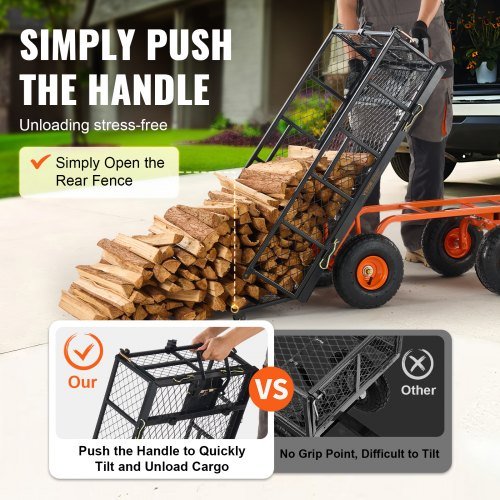
Have you ever struggled to unload your garden cart without spilling soil, plants, or tools everywhere? It can be frustrating and even risky if heavy items fall or you strain your back.
But what if you could unload your cart quickly, safely, and without any mess? In this guide, you’ll discover simple, practical steps to make unloading your garden cart easier and safer every time. Keep reading—you’ll save time, protect your belongings, and avoid unnecessary injuries in your next gardening session.
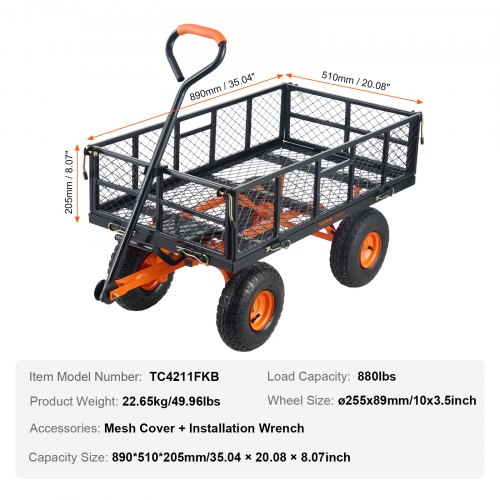
Credit: www.vevor.com
Preparing The Garden Cart
Unloading a garden cart safely starts with good preparation. You can avoid accidents by getting ready before you unload.
Check the cart and the area around it. Make sure everything is ready to handle the load carefully.
Check Load Weight
Know how heavy the load is before you start unloading. A heavy load can make the cart hard to control.
Do not overload the cart. Overloading can cause tipping or damage to the cart and surroundings.
- Weigh the load if possible
- Divide heavy loads into smaller parts
- Keep the weight balanced on the cart
Secure Loose Items
Loose items can fall off during unloading. Tie or cover loose items to keep them in place.
Use ropes, straps, or nets to secure the load. This helps prevent damage and keeps the area safe.
- Check for small tools or debris
- Wrap fragile items carefully
- Make sure items do not move when the cart is in motion
Clear Unloading Area
Make sure the unloading area is free of obstacles. Clear space helps you move the cart safely.
Look for uneven ground, wet spots, or objects that could cause tripping. Fix or avoid these hazards.
- Remove rocks, sticks, or tools
- Check for good lighting
- Plan a clear path for moving the cart
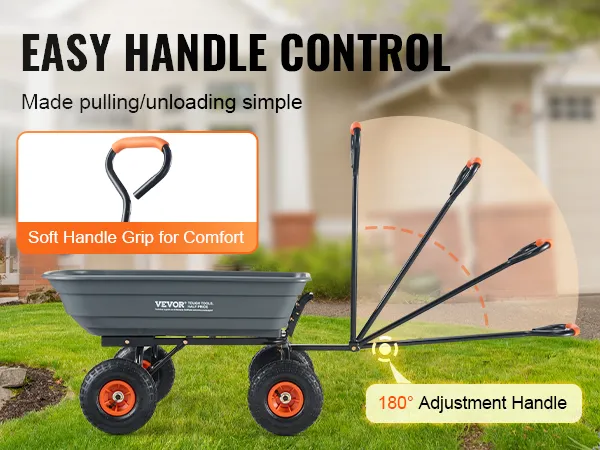
Credit: eur.vevor.com
Proper Lifting Techniques
Unloading a garden cart can strain your body if you do not lift properly. Using the right techniques helps prevent injuries. Focus on your body posture and movement to stay safe.
Learn to lift with care. This guide shows simple ways to protect your back and muscles while unloading your garden cart.
Use Your Legs, Not Back
Bending your knees and using your leg muscles reduces pressure on your back. Keep your back straight and squat down to pick up items. This method is safer and stronger.
Avoid bending at the waist. This can cause back pain or injury. Instead, lower yourself by bending your knees and hips.
Get A Good Grip
Holding the load firmly helps you control it. A strong grip stops items from slipping and causing accidents. Make sure your hands are dry and free from dirt when grabbing the load.
- Use both hands to hold the load securely.
- Wear gloves for better grip if needed.
- Check the handle or object for stability before lifting.
- Adjust your grip if the load feels unbalanced.
Maintain Balanced Posture
Keep your feet shoulder-width apart to stay steady. Balance the weight evenly on both sides. Avoid twisting your body while lifting or carrying. Move your feet to turn instead.
| Posture Tip | Why It Helps |
| Feet shoulder-width apart | Improves stability and balance |
| Keep back straight | Reduces risk of back injury |
| Lift close to your body | Less strain on muscles |
| Avoid twisting torso | Prevents muscle strain |
Using Tools And Aids
Unloading a garden cart can be difficult without the right tools. Using aids makes the task safer and easier. This guide covers simple tools to help you unload your cart without injury.
Safety should always come first. Using ramps, dollies, and gloves can reduce strain and prevent accidents. Learn how these tools help you unload your garden cart smoothly.
Employ Ramps Or Slopes
Ramps or slopes help move the garden cart down safely. They reduce the effort needed to unload heavy loads. Place a sturdy ramp at the back of the cart to slide items down gently.
- Choose a ramp with a non-slip surface
- Secure the ramp firmly to avoid movement
- Slide items slowly to maintain control
- Ask for help if the load is heavy
Use Dollies Or Hand Trucks
Dollies and hand trucks carry heavy loads from the garden cart to your desired spot. They save your back and arms from strain. Use them to move multiple items at once with ease.
| Tool | Best For | Tip |
| Dolly | Large containers and boxes | Secure load with straps |
| Hand Truck | Stacked items and bags | Keep the load balanced |
Wear Protective Gloves
Protective gloves keep your hands safe while unloading. They improve grip and prevent cuts or splinters. Always wear gloves to handle rough or heavy items from the garden cart.
- Choose gloves that fit well and are durable
- Look for gloves with grip pads for better hold
- Inspect gloves for holes before use
- Wash gloves regularly to keep them clean
Step-by-step Unloading Process
Unloading a garden cart safely is important to prevent injuries. Follow these steps to ensure a smooth and safe process.
By positioning the cart correctly, removing heavy items first, and working in small batches, you can efficiently unload your garden cart.
Position The Cart Correctly
Make sure the cart is on a flat and stable surface. Check that the wheels are locked or secured, if possible. This prevents the cart from moving while you unload.
Face the cart in the direction where you want to unload the items. This makes it easier to remove the contents and keeps the process organized.
Unload Heavy Items First
Start by removing the heaviest items first. This lowers the center of gravity and makes the cart more stable. Lift with your legs, not your back, to avoid injury.
Place the heavy items close to where you will use them. This reduces the need to carry them far, saving time and effort.
Work In Small Batches
Divide the remaining items into smaller, manageable batches. This approach helps keep the workload light and prevents strain.
Take breaks if needed and ensure you are not rushing. Safety is more important than speed when unloading the cart.
Avoiding Common Hazards
Unloading a garden cart can be risky if you don’t take care. Knowing how to avoid common hazards helps keep you safe and prevents injuries.
Take time to prepare your space and watch your movements. These tips will guide you through safe unloading practices.
Watch For Slippery Surfaces
Check the ground where you unload. Wet or muddy spots can cause slips and falls. Clear leaves or loose gravel that may make the surface slick.
- Wear shoes with good grip
- Use sand or gravel to add traction if needed
- Unload slowly to keep balance
Avoid Overreaching
Keep loads close to your body. Stretching too far can strain muscles or cause falls. Move the cart closer instead of reaching out.
- Bend your knees, not your back
- Keep your feet shoulder-width apart
- Lift with your legs, not your arms
Keep Pathways Clear
Make sure the unloading area is free of obstacles. Tools, hoses, or toys can cause trips. A clear path helps you move safely and quickly.
| Obstacle | Risk | Solution |
| Garden tools | Tripping hazard | Store tools before unloading |
| Hoses | Entanglement | Coil hoses away from path |
| Toys | Blocked walkway | Move toys to a safe spot |
Maintaining Your Garden Cart
Keeping your garden cart in good shape makes it last longer. Regular care also helps it work better each time you use it.
Follow simple steps after each use. This helps avoid damage and keeps your cart safe to use.
Clean After Use
Remove dirt and debris after every job. Use a brush or hose to clean the cart well. Dry it to stop rust from forming.
- Brush off soil and leaves
- Wash with water and mild soap
- Wipe dry with a cloth
- Check for stuck debris in corners
Inspect Wheels And Handles
Look at wheels and handles for damage or looseness. Tighten screws if needed. Replace parts if broken to avoid accidents.
| Part | Check For | Action |
| Wheels | Cracks, flat spots, wobbling | Repair or replace |
| Handles | Loose bolts, cracks | Tighten or fix |
| Axle | Rust, bending | Clean or replace |
Store In Safe Location
Keep your garden cart in a dry, covered place. This stops rust and sun damage. Avoid leaving it outside in bad weather.
- Place cart on flat ground
- Cover with waterproof tarp if needed
- Keep away from heavy objects that can fall
- Store indoors during winter months
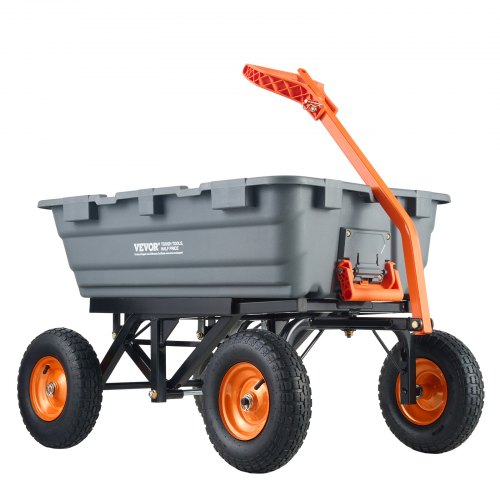
Credit: eur.vevor.com
Frequently Asked Questions
How Do I Unload A Garden Cart Safely?
Unload the garden cart on flat, stable ground. Remove heavy items first to maintain balance. Use proper lifting techniques to avoid injury. Take your time and avoid rushing.
What Tools Help Unload A Garden Cart Efficiently?
Using gloves protects your hands during unloading. A wheelbarrow or tarp can help transfer materials. Consider using ramps for heavy loads. These tools reduce strain and increase safety.
How To Prevent Tipping When Unloading A Garden Cart?
Distribute weight evenly before unloading. Unload heavier items first to maintain stability. Avoid sudden movements or uneven terrain. This prevents tipping and keeps you safe.
When Is The Best Time To Unload A Garden Cart?
Unload during dry weather to avoid slippery surfaces. Choose daylight for better visibility. This minimizes accidents and helps you work efficiently.
Conclusion
Safely unloading a garden cart keeps you and your plants protected. Take your time and use proper lifting techniques. Keep the load balanced and avoid sudden moves. Use tools or help when the cart is heavy. Regular practice makes the process easier and safer.
Small steps prevent accidents and damage. Enjoy your gardening work without worries. Safety always comes first.

