
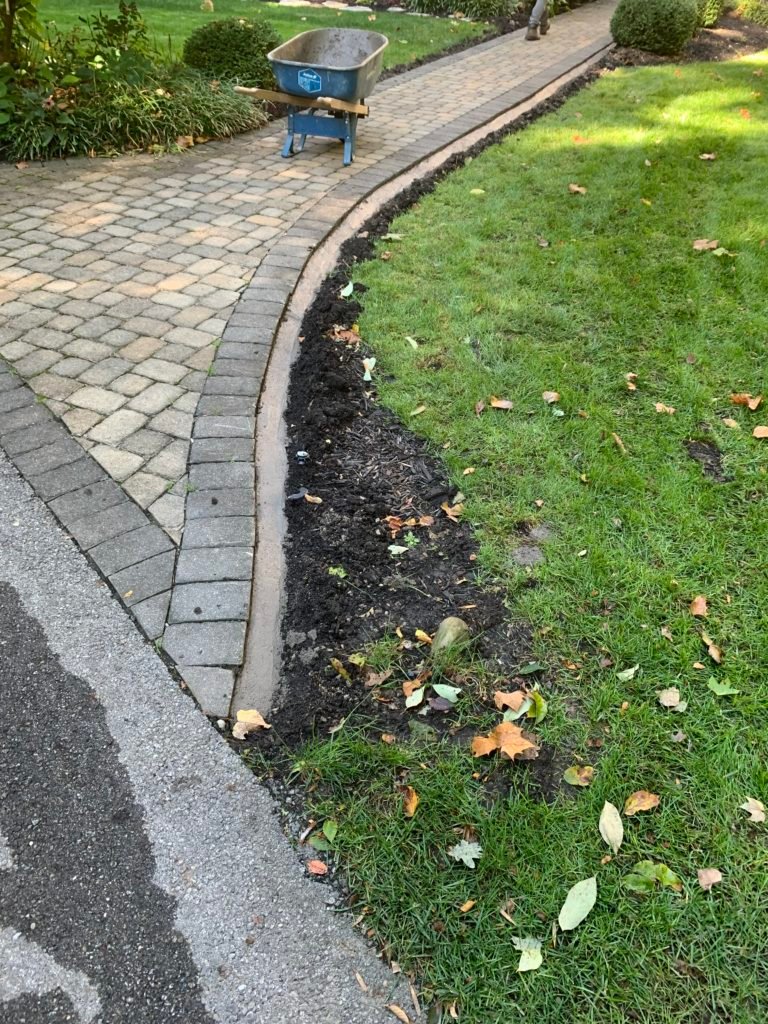
Is your lawn edging looking tired, cracked, or simply out of style? Removing old lawn edging can feel like a tough job, but it doesn’t have to be.
If you want your garden to look fresh and neat, taking out that worn-out border is the first step. You’ll discover simple, effective ways to remove old lawn edging without damaging your lawn or garden beds. By the end, you’ll be ready to give your yard a clean slate and start fresh with new edging that truly stands out.
Keep reading—your lawn’s transformation begins here!

Credit: www.reddit.com
Tools Needed
Removing old lawn edging can be easier with the right tools. These tools help you work safely and quickly.
Here are some common tools you will need to remove old lawn edging.
Garden Gloves
Garden gloves protect your hands from sharp edges and dirt. They keep your hands clean and safe.
Shovel Or Spade
A shovel or spade helps loosen the soil around the edging. This makes it easier to pull out the old pieces.
Pliers
Pliers are useful to grip and pull out small or stubborn parts of the edging. They give you more control.
Flathead Screwdriver
A flathead screwdriver helps pry the edging loose from the ground. It can lift edges that are stuck deep.
Garden Knife Or Utility Knife
A garden knife or utility knife cuts through roots or grass that may be holding the edging. It helps clear the path.
Wheelbarrow Or Bucket
Use a wheelbarrow or bucket to collect the removed edging. It keeps your work area clean and organized.
Credit: perfectpaverco.com
Preparing The Area
Removing old lawn edging is easier when the area is ready. Preparing the space helps avoid damage and makes the job faster.
Start by clearing the area around the edging. This gives you better access and prevents dirt or plants from getting in the way.
Clear Vegetation And Debris
Remove grass, weeds, and any loose dirt near the edging. This stops roots from holding the edging in place and prevents slips.
- Use garden shears or a weed trimmer to cut plants close to the edging.
- Rake away leaves, sticks, and small stones.
- Clear a 12-inch wide path along the edging for easy access.
Gather Tools And Safety Gear
Prepare all needed tools and wear safety gear before starting. This keeps you safe and saves time.
| Tool | Purpose |
| Shovel or spade | Digging around the edging |
| Pliers or edging puller | Removing stakes or nails |
| Gloves | Protecting your hands |
| Safety glasses | Protecting your eyes |
Mark The Edging Line
Mark the edging line to see where to dig and pull. This helps avoid cutting or digging in the wrong spots.
Use spray paint, string, or flags to mark the edge line. Keep the markings clear and visible.
Loosening Old Edging
Removing old lawn edging can be tough. The edging may be stuck in the soil for years.
Loosening the old edging first makes removal easier. It helps avoid damage to your lawn.
Soak The Edging With Water
Water softens the soil around the edging. This helps loosen it from the ground.
Use a hose or watering can to soak the edging area. Wait about 30 minutes before pulling.
Use A Garden Fork Or Spade
Gently dig around the edging with a garden fork or spade. This breaks up compacted soil.
Work slowly to avoid cutting the edging. Loosen the soil on both sides for easier removal.
Lift The Edging With Care
After loosening soil, try lifting the edging gently. Use your hands or a flat tool for help.
If the edging is stuck, loosen the soil more before pulling again. Avoid forcing it out.
Use Heat For Plastic Edging
Plastic edging can become stiff over time. Warm it with a heat gun or warm water to soften.
Soft plastic is easier to bend and pull out. Do not overheat to avoid damage.
Removing Edging Material
Old lawn edging can make your yard look untidy. Removing it allows you to refresh your garden’s look. The process depends on the type of edging you have.
This guide shows how to remove plastic, metal, brick, stone, and wooden edging safely and easily.
Plastic Edging
Plastic edging is usually flexible and easy to remove. It is often held in place by stakes or spikes.
Start by pulling out the stakes with pliers. Then gently pull the plastic edging out of the ground. If the plastic breaks, remove the pieces one by one.
- Use pliers to remove stakes
- Pull the edging slowly to avoid breaking
- Remove any buried plastic pieces
Metal Edging
Metal edging is strong and often sharp. It is usually installed with metal stakes driven deep into the soil.
Loosen the soil around the edging with a shovel. Remove the stakes by pulling them straight up. Lift the metal edging out carefully to avoid injury.
- Wear gloves to protect your hands
- Loosen soil with a shovel or garden fork
- Pull stakes and edging straight up
Brick And Stone Edging
Brick and stone edging is heavy and often set in soil or mortar. Removing it may require more effort and tools.
Start by removing soil around the bricks or stones. Use a pry bar or chisel to lift them out carefully. Work slowly to avoid damaging nearby plants.
- Clear soil from the base of the bricks or stones
- Use a pry bar to lift each piece
- Take care not to break bricks or stones
Wooden Edging
Wooden edging may be nailed or staked into the ground. It can rot or splinter over time.
Remove any nails or screws first. Pull out the stakes if there are any. Then gently lift or pull out the wooden boards. Use a crowbar for stuck boards.
- Remove nails or screws with a hammer or screwdriver
- Pull out stakes holding the wood
- Use a crowbar for hard-to-remove boards
Cleaning Up The Yard
Removing old lawn edging leaves the yard looking messy. Cleaning up makes the yard neat and safe.
Cleaning includes clearing debris and fixing the ground. This helps new plants grow well.
Removing Debris
After taking out the edging, clear all leftover pieces. Check for plastic, metal, or wood bits in the soil.
Use gloves and a rake to gather debris. Throw away broken parts to avoid injuries and pests.
- Wear gloves to protect your hands
- Use a rake to collect small pieces
- Dispose of debris in a trash bag
- Check the soil for hidden fragments
Filling Holes And Gaps
Removing edging may leave holes or gaps in the ground. Fill these areas to keep the yard smooth and safe.
Use soil or compost to fill holes. Press the soil down to avoid sinking later. Water the area lightly to help it settle.
- Fill holes with fresh soil or compost
- Press soil firmly to remove air pockets
- Water gently to help soil settle
- Add more soil if needed after watering
Preparing For New Edging
Getting ready for new lawn edging is important. First, remove the old edging carefully. This makes space for the new materials.
Use the right tools to dig out old edging. Make sure the ground is clean and even before adding new edging.
Choosing New Edging
Selecting the right edging can change your garden’s look. Think about the style and material you want to use.
Different materials include stone, metal, and plastic. Each one offers a different look and function.
- Stone is natural and durable.
- Metal offers a sleek, modern look.
- Plastic is cost-effective and easy to install.
Marking The Border
Marking the border helps you place the new edging correctly. Use a garden hose or rope to outline the area.
Make sure the border is straight or curved as you like. This step is crucial for a neat appearance.
Credit: perfectpaverco.com
Frequently Asked Questions
How Do I Safely Remove Old Lawn Edging?
To remove old lawn edging safely, start by loosening soil around the edging. Use a flat shovel or edging tool. Gently pry up the edging to avoid damaging nearby plants or turf. Dispose of the old material properly or recycle if possible.
What Tools Are Needed To Remove Lawn Edging?
Essential tools include a flat shovel, garden gloves, pruning shears, and a pry bar. A spade helps loosen soil, while gloves protect your hands. These tools make removing old lawn edging easier and prevent damage to your lawn or plants.
Can I Reuse Old Lawn Edging After Removal?
Yes, you can reuse old lawn edging if it’s in good condition. Clean and inspect it for damage. Reinstall it by securing it firmly in the soil. Reusing edging saves money and reduces waste in your garden.
How To Prevent Lawn Damage When Removing Edging?
To prevent lawn damage, loosen soil carefully before pulling out edging. Avoid yanking or forcing the material. Use proper tools and work slowly. Repair any disturbed turf with fresh soil and seed after removal.
Conclusion
Removing old lawn edging takes some time and patience. Use the right tools to make the job easier. Pull out or dig around the edging carefully to avoid damage. Clean up the area well before adding new edging or plants.
A tidy lawn looks neat and healthy. Regular maintenance helps keep your garden beautiful. Now, you have what you need to refresh your lawn edges. Give your outdoor space a fresh, clean look today.

