
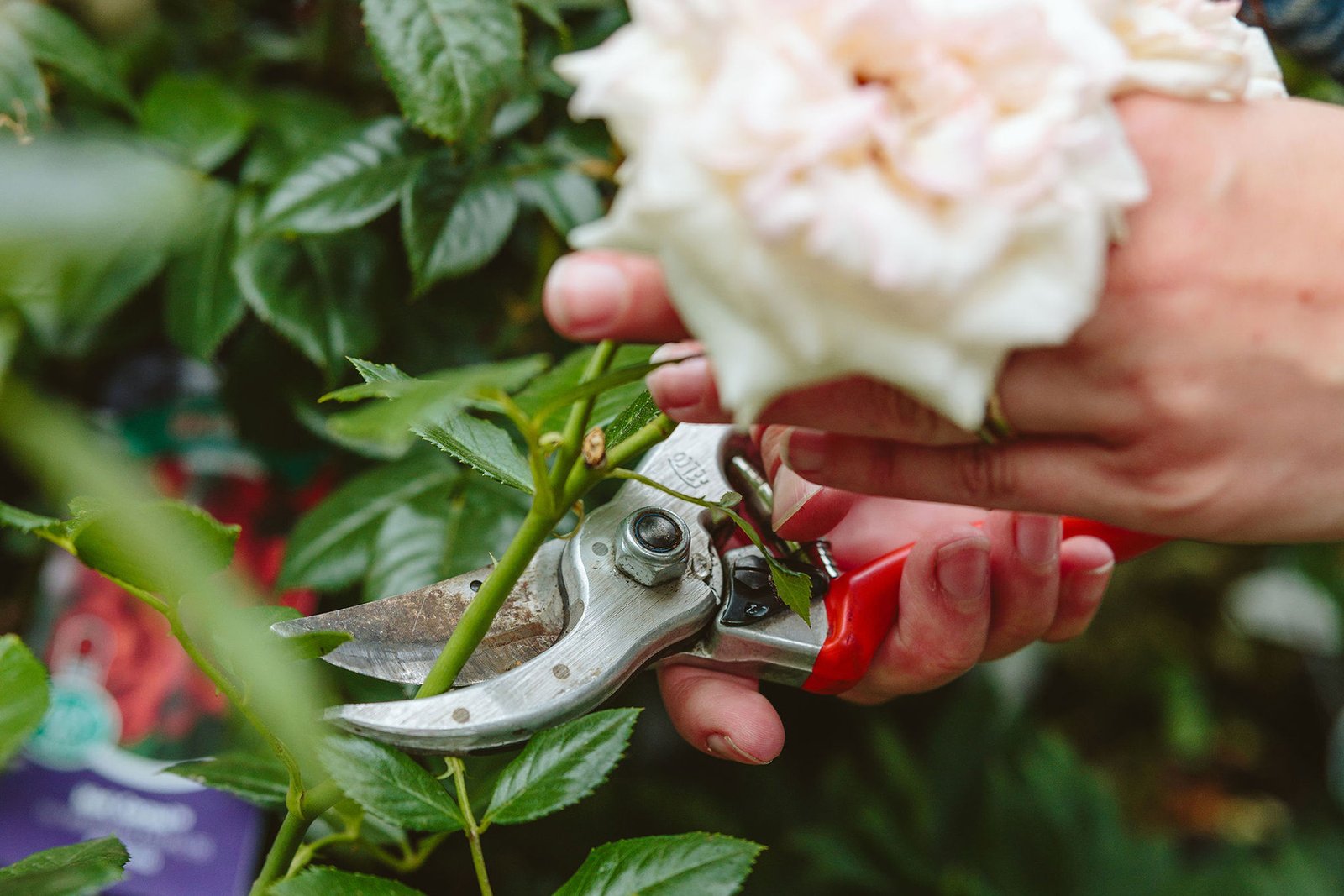
If you want your roses to bloom beautifully and stay healthy, knowing how to use pruning shears the right way is a must. Pruning might seem simple, but doing it incorrectly can harm your plants instead of helping them.
Imagine having roses that grow fuller, look vibrant, and produce more flowers just because you took a few smart steps with your pruning shears. You’ll discover easy, clear tips to prune your roses like a pro. By the end, you’ll feel confident and ready to give your garden the care it deserves.
Ready to make your roses thrive? Let’s get started!

Credit: www.epicgardening.com
Choosing The Right Pruning Shears
Pruning shears help keep your rose bushes healthy. Choosing the right pair makes pruning easier and safer.
Good pruning shears cut cleanly and reduce damage to your plants. Learn what types and features to look for.
Types Of Pruning Shears
There are different pruning shears for various tasks. Pick one that fits your rose pruning needs.
- Bypass shears cut like scissors for clean cuts on live stems.
- Anvil shears have one sharp blade and a flat surface for tougher branches.
- Ratchet shears use a gear system to cut thick branches with less effort.
Features To Look For
Choose pruning shears with features that make work easier and protect your hands.
- Sharp, rust-resistant blades for smooth and clean cuts.
- Comfortable handles with non-slip grips to reduce hand fatigue.
- Locking mechanism to keep blades closed when not in use.
- Lightweight design for easier handling during long pruning sessions.
Maintaining Sharp Blades
Sharp blades make pruning easier and prevent damage to roses. Keep your shears in good shape.
- Clean blades after each use to remove sap and dirt.
- Sharpen blades regularly with a sharpening stone or tool.
- Apply oil to blades to prevent rust and keep them smooth.
- Store shears in a dry place to avoid moisture damage.
When To Prune Roses
Pruning roses helps keep plants healthy and blooming well. Knowing the right time to prune is key for strong growth.
Different roses need pruning at different times. Learning the best time helps you get good results.
Seasonal Timing
Most roses should be pruned in early spring. This is just before new growth starts.
Wait until the last frost has passed. Pruning too early can harm the plant.
- Early spring is best for most roses
- Remove dead or weak branches during winter
- Light pruning can be done in summer
- Hard pruning in late winter or early spring
Signs Your Roses Need Pruning
Look for weak or dead branches that slow growth. Pruning removes these and helps air flow.
If your roses have few flowers, pruning can encourage new blooms. Crowded branches also need thinning.
- Branches that are dry, brown, or black
- Thin or crowded growth inside the bush
- Few flowers or small blooms
- Damaged or broken stems
Preparing For Pruning
Pruning roses helps keep the plants healthy and blooming. Before you start, prepare well for the task.
Good preparation makes pruning safer and easier. It also protects your roses from damage and infection.
Cleaning Your Tools
Clean pruning shears before you use them. Dirty tools can spread diseases to your roses.
- Wipe blades with a cloth to remove dirt
- Use rubbing alcohol to disinfect the blades
- Sharpen blades for clean cuts
- Check for rust or damage and fix if needed
Wearing Protective Gear
Wear gloves to protect your hands from thorns. Long sleeves can keep your arms safe from scratches.
| Protective Gear | Purpose |
| Gloves | Prevent cuts and scratches |
| Long Sleeves | Protect arms from thorns |
| Eye Protection | Shield eyes from debris |
Setting Up Your Workspace
Choose a clean, flat area near your roses. Keep tools and waste bags close to save time.
- Clear space around the rose bush
- Place a container for cut branches
- Keep a sharpener and disinfectant nearby
- Ensure good lighting and ventilation
Credit: www.epicgardening.com
Pruning Techniques For Roses
Pruning roses helps keep them healthy and beautiful. It encourages new growth and more flowers.
Using pruning shears properly makes a big difference. Follow these techniques for best results.
Making Clean Cuts
Clean cuts protect the rose plant from disease. Use sharp pruning shears to avoid crushing stems.
Cut branches smoothly without tearing the bark. This helps the rose heal faster and grow well.
Cutting At The Right Angle
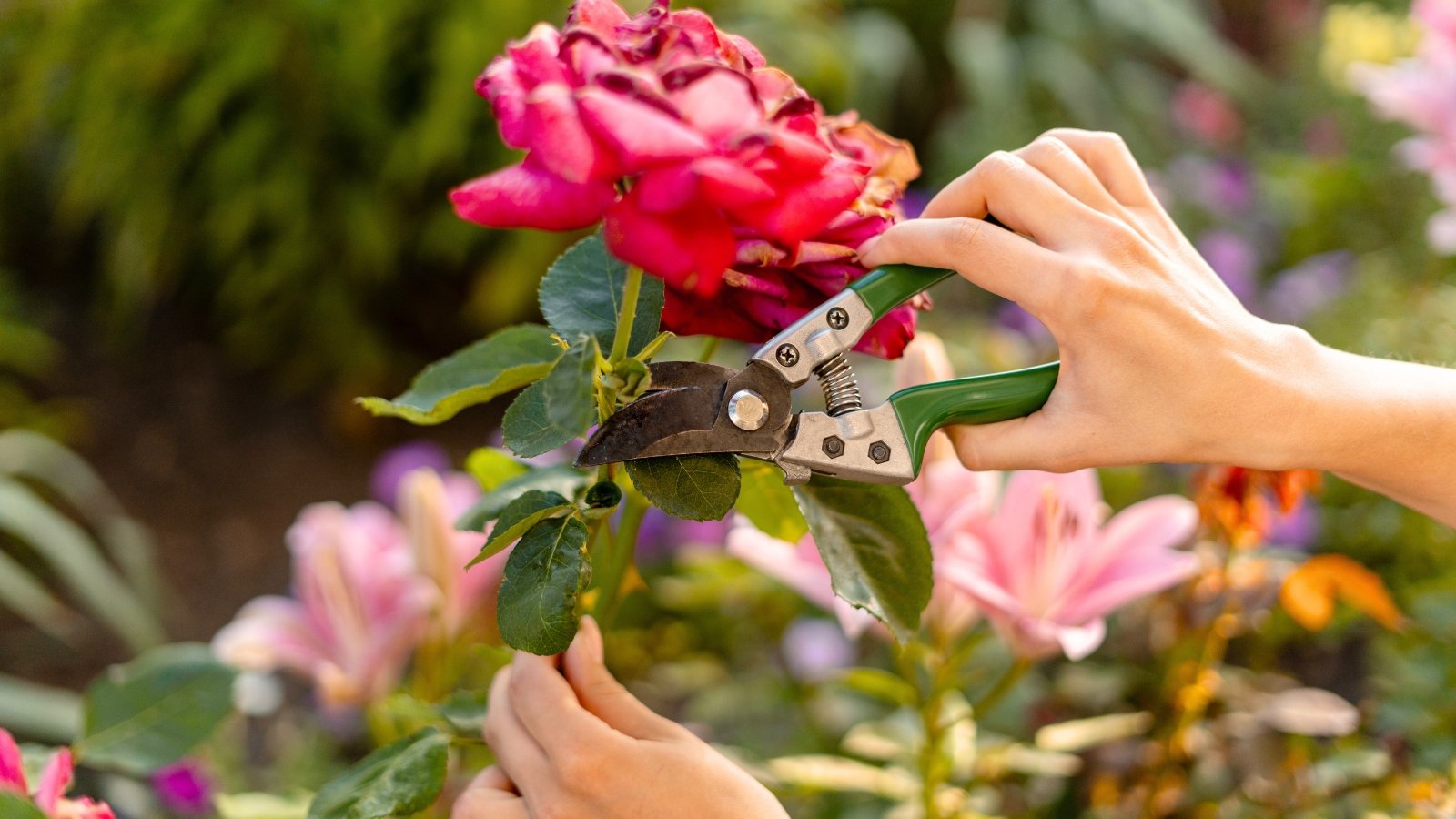
Cutting stems at a 45-degree angle helps water run off. This prevents rot and keeps the plant healthy.
Make the cut just above a leaf bud that faces outward. This encourages outward growth and better shape.
Removing Dead And Diseased Wood
Remove dead or diseased branches to stop spread of problems. Cut them back to healthy wood.
Look for brown, black, or dry stems. Remove these to keep the rose bush strong and healthy.
- Cut dead wood to the base of the stem
- Remove diseased parts below healthy tissue
- Dispose of cuttings away from the garden
Shaping The Rose Bush
Prune to shape the rose bush and improve air flow. Remove crossing branches and thin crowded areas.
Keep the center of the bush open. This allows sunlight and air to reach all parts of the plant.
- Cut branches that grow inward or cross each other
- Thin out weak or thin stems
- Maintain a balanced shape for even growth
Aftercare For Pruned Roses
After pruning your roses, proper care helps them heal and grow well. Taking care of the cut areas prevents disease and stress.
Good aftercare supports strong new growth and keeps your roses healthy. Follow these steps to care for your pruned roses.
Applying Sealants Or Treatments
Use sealants or treatments to protect the fresh cuts. This stops moisture loss and blocks germs from entering the plant.
Choose a natural or commercial pruning sealant. Apply it gently on the cut stems and branches.
- Clean the pruning tools before use to prevent infection
- Apply sealant evenly on all cut surfaces
- Do not use too much sealant to avoid clogging pores
- Sealants help reduce disease and pest problems
Watering And Fertilizing
After pruning, give your roses enough water to stay hydrated. Water deeply but avoid waterlogging the soil.
Use a balanced fertilizer to support new leaf and flower growth. Follow package instructions for the right amount.
- Water roses early in the morning for best absorption
- Check soil moisture regularly to avoid dryness
- Choose a fertilizer with equal parts nitrogen, phosphorus, and potassium
- Feed roses every 4-6 weeks during the growing season
Monitoring For New Growth
Watch your roses closely after pruning to see new buds and shoots. Healthy new growth means your care is working well.
Look for signs of pests or diseases and act quickly if you find any problems. Early detection helps keep roses strong.
- Check for new green shoots weekly
- Remove dead or damaged leaves promptly
- Use gentle insecticides if pests appear
- Keep the area clean to prevent disease spread
Common Pruning Mistakes To Avoid
Pruning roses helps them grow strong and healthy. But mistakes can hurt your plants. Learn how to avoid common errors.
Proper techniques ensure your roses thrive and produce beautiful blooms. Let’s discuss what to avoid.
Cutting Too Much Or Too Little
Cutting too much can stress your rose bush. It may not recover quickly. Too little pruning leads to weak growth.
Find a balance by removing dead or damaged stems. Aim to shape the plant for better air circulation.
- Trim about one-third of the bush
- Remove crossing branches
- Avoid cutting healthy buds
Using Dull Shears
Dull shears make rough cuts, which harm the plant. They increase the risk of diseases entering the stems.
Always sharpen your shears before pruning. Sharp tools make clean cuts and help the plant heal faster.
- Sharpen blades regularly
- Clean shears after each use
- Store tools in a dry place
Ignoring Plant Health
Healthy plants recover faster from pruning. Always check your roses for signs of disease or pests.
Remove any affected areas to stop the spread. Healthy pruning improves air flow and sun exposure.
- Inspect leaves for spots or holes
- Look for discolored stems
- Check soil moisture levels
Credit: www.fresnobee.com
Frequently Asked Questions
How Do I Choose The Best Pruning Shears For Roses?
Select pruning shears with sharp, rust-resistant blades and ergonomic handles. Choose bypass shears for clean cuts on live rose stems. Avoid anvil types as they crush stems, causing damage. Proper tools ensure healthy growth and easy pruning.
When Is The Best Time To Prune Rose Bushes?
The ideal time to prune roses is early spring. Prune after the last frost to promote strong growth. Avoid heavy pruning during blooming season to protect flowers. Timing helps shape the bush and encourages abundant blooms.
How Do I Make Clean Cuts With Pruning Shears?
Hold the shears firmly and cut at a 45-degree angle. Cut just above an outward-facing bud to direct growth outward. Use sharp blades to prevent crushing stems. Clean cuts heal faster and reduce disease risk.
How Often Should I Clean And Sharpen Pruning Shears?
Clean and sharpen pruning shears after every few uses. Remove sap and dirt with soapy water and a brush. Sharpen blades regularly to maintain cutting efficiency. Proper maintenance extends tool life and ensures healthy pruning.
Conclusion
Pruning shears help keep rose bushes healthy and beautiful. Cut stems at a 45-degree angle for best results. Remove dead or weak branches to encourage new growth. Clean your shears after each use to avoid spreading disease. Regular pruning improves flower size and plant shape.
Practice these simple steps to enjoy vibrant roses all season. Your garden will thank you with bright, fresh blooms. Keep pruning simple, and watch your roses thrive.

