
Are you tired of your lawn looking messy around the edges? Clean lawn edging can make a huge difference in your yard’s overall appearance.
It’s the little details that create a polished, well-kept look. Imagine stepping outside and seeing sharp, neat borders that highlight your grass and garden perfectly. You’ll discover simple, effective tips to achieve that flawless edge every time. Keep reading, and you’ll learn how to transform your lawn from ordinary to stunning with easy steps you can start today.
Choosing The Right Tools
Keeping a lawn’s edges clean makes your yard look neat and tidy. Using the correct tools helps you do the job well. It also saves time and effort.
This guide covers three key tool types for lawn edging. Learn about manual edging tools, powered edgers, and safety gear essentials.
Manual Edging Tools
Manual edging tools are simple and easy to use. They work well for small lawns or detailed trimming. These tools require physical effort but give good control.
- Edging Shears:Scissor-like tools for cutting grass along edges.
- Half-Moon Edger:A curved blade you push into the soil to create clean lines.
- Handheld Spade:A small flat blade used to cut and shape lawn edges.
Powered Edgers
Powered edgers make lawn edging faster and easier. They are good for larger yards or thick grass. Choose from gas or electric models.
| Type | Power Source | Best For | Notes |
| Gas Edger | Gasoline | Large lawns with tough edges | More powerful but heavier and noisy |
| Electric Edger | Electricity (corded or battery) | Small to medium lawns | Lighter and quieter, less power |
Safety Gear Essentials
Safety gear protects you while working with manual or powered tools. Always wear the right gear to avoid injuries.
- Safety glasses to protect your eyes from debris
- Gloves to protect your hands from cuts and blisters
- Sturdy shoes with good grip to avoid slips
- Ear protection if using loud powered edgers
Credit: www.hgtv.com
Preparing The Lawn Edge
A clean lawn edge makes your yard look neat and cared for. Preparing the edge well helps you create a clear line between grass and garden beds.
Good preparation also makes it easier to maintain the lawn and keep weeds away. Start by marking the border line, clearing debris, and preparing the soil.
Marking The Border Line
Marking the border line helps you see where the lawn ends and the garden begins. Use simple tools to create a clear edge.
- Use a garden hose or string to lay out the shape
- Adjust the line until it looks even and smooth
- Mark the edge with spray paint or chalk for visibility
- Check the line from different angles before moving on
Clearing Debris And Grass
Remove any grass, weeds, and debris along the marked border. This clears the way for a clean edge and stops unwanted plants from growing.
Use hand tools or a spade to dig out grass roots and small stones. Rake the area to make it smooth and free of loose debris.
Soil Preparation Tips
Preparing the soil ensures that the lawn edge stays firm and healthy. Good soil helps new plants grow and keeps borders strong.
| Soil Preparation Step | Purpose |
| Loosen soil with a garden fork | Improves drainage and root growth |
| Remove rocks and large clumps | Makes the edge smooth and even |
| Add compost or organic matter | Enhances soil nutrients |
| Level the soil surface | Prepares for edging materials |
Techniques For Clean Edging
Clean lawn edging gives your yard a neat and tidy look. It separates grass from flower beds and walkways. Using the right techniques makes the job easier and the results better.
Learn how to create straight lines, smooth curves, and handle tricky spots. These tips will help you keep your lawn edges sharp and well-defined.
Straight Line Edging
To get a clean straight edge, use a string or garden hose as a guide. Mark the line clearly before cutting. Use an edging tool or sharp spade to cut the soil deeply along the line.
- Stretch a string tightly between two stakes to mark the edge.
- Use a half-moon or spade to cut along the string line.
- Remove grass and soil to create a clean trench.
- Keep the trench deep enough to stop grass from growing over the edge.
- Smooth the soil on both sides for a sharp contrast.
Curved Edge Methods
Curved edges add a natural look but need care to stay smooth. Use a garden hose or rope to shape the curve. Cut slowly along the curve to keep the edge even.
- Lay a garden hose in the desired curve shape.
- Trace the hose edge with spray paint or chalk.
- Cut along the marked curve carefully.
- Use a half-moon edger for smooth turns.
- Keep the curve consistent by checking from different angles.
Dealing With Tough Spots
Tough spots include roots, rocks, or uneven ground. Use the right tools and take your time to get a clean edge in these areas.
| Challenge | Tool | Tip |
| Tree roots | Pruning saw or root cutter | Cut roots carefully without damaging trees |
| Rocks | Mattock or digging bar | Loosen soil around rocks before removing |
| Uneven ground | Shovel and rake | Level soil before edging for smooth lines |
Maintaining Perfect Edges
Clean lawn edges make your yard look neat and cared for. Sharp edges help define garden beds and paths clearly.
Maintaining these edges takes regular attention and simple techniques. Follow easy tips to keep your lawn edges tidy.
Regular Trimming Schedule
Trim your lawn edges often to keep them sharp and clean. Set a schedule based on how fast your grass grows.
Usually, trimming every one to two weeks works well for most lawns. This prevents overgrowth and keeps edges defined.
- Trim edges every 7 to 14 days
- Use a string trimmer or edging tool
- Check edges after mowing for uneven spots
Preventing Grass Overgrowth
Grass can quickly grow over edges, making them look messy. Stop this by cutting back before the grass spreads too far.
Keep a clean line by removing creeping grass and roots near the edge. This helps maintain a clear boundary.
- Use an edging tool to cut grass roots
- Remove clippings from edges after mowing
- Apply mulch or stone to separate grass and beds
Seasonal Care Tips
Edges need special care during different seasons. Adjust your routine to match seasonal growth and weather changes.
In spring, trim edges more often as grass grows fast. In fall, clean up leaves and prepare edges for winter.
- Spring: Increase trimming frequency
- Summer: Water edges to keep grass healthy
- Fall: Remove leaves and debris
- Winter: Avoid heavy traffic on edges
Common Mistakes To Avoid
Keeping a clean lawn edge makes your yard look neat and cared for. Many people make simple mistakes when edging their lawn. Avoiding these errors helps your lawn stay healthy and beautiful.
Read on to learn about common mistakes and how to prevent them. Fixing these issues saves time and effort later.
Cutting Too Deep
Cutting the lawn edge too deep can harm grass roots and soil structure. This mistake causes brown patches and weak edges. Use the right depth to protect your lawn.
- Cut only the grass blades and a small part of the soil
- Avoid cutting into the dirt more than 1 to 2 inches
- Check the blade height before starting
- Stop if you see soil damage or grass dying
Ignoring Tool Maintenance
Using dull or dirty tools makes edging harder and damages grass. Proper care keeps tools sharp and safe. Clean and sharpen your tools regularly to get the best results.
| Maintenance Task | Frequency | Reason |
| Sharpen blades | Every 5 hours of use | Clean cuts, less damage |
| Clean tools | After each use | Prevent rust and buildup |
| Oil moving parts | Monthly | Smooth operation |
Skipping Safety Precautions
Edging tools can cause injury without safety measures. Protect yourself and others by following simple rules. Safety prevents accidents and keeps your work smooth.
- Wear sturdy gloves and closed shoes
- Use eye protection against flying debris
- Keep children and pets away while working
- Read tool instructions before use
- Turn off equipment when adjusting or cleaning
:max_bytes(150000):strip_icc()/spr-eco-green-lawn-and-landscape-border-edging-julia-warren-comp-c380b820d6f8419c88d123a15103fffe.jpeg)
Credit: www.thespruce.com
Enhancing Edges With Landscaping
Creating a clean edge for your lawn adds to its beauty. It also makes maintenance easier. By using landscaping techniques, you can enhance these edges.
Let’s explore some tips for clean lawn edging. These tips will help you maintain neat and attractive borders for your lawn.
Adding Mulch Or Stones
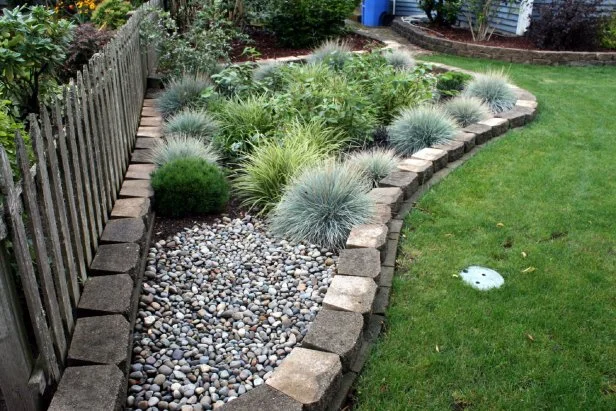
Mulch and stones can define the edge of your lawn. They keep weeds at bay and add texture. Choose materials that match your garden style.
Benefits of using mulch or stones:
- Reduces soil erosion
- Conserves moisture
- Prevents weed growth
Planting Border Plants
Border plants add color and variety to your lawn edges. Choose plants that are easy to maintain. They can create a natural boundary.
| Plant Type | Best for |
| Lavender | Sunny edges |
| Hostas | Shady areas |
| Daylilies | Versatile spots |
Using Edging Materials
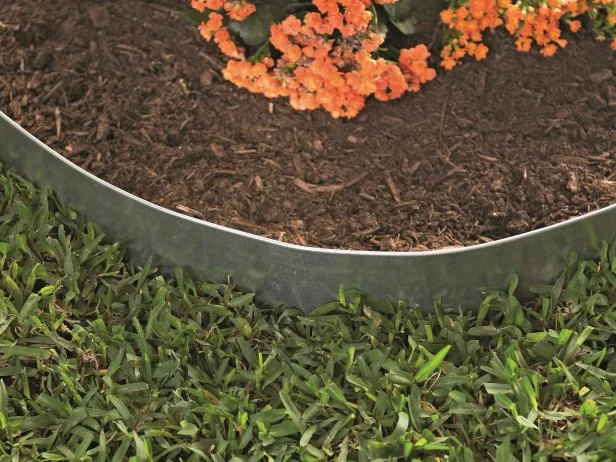
Edging materials provide a clear line between lawn and garden. Options include metal, plastic, or wood. They offer durability and style.
- Measure the area for edging
- Choose the material that suits your design
- Install by following instructions
Credit: www.hgtv.com
Frequently Asked Questions
What Tools Are Best For Clean Lawn Edging?
The best tools for clean lawn edging include a half-moon edger, string trimmer, and spade. These tools help create sharp, defined edges. Choose based on your lawn size and personal comfort for efficient edging.
How Often Should I Edge My Lawn For Best Results?
Edge your lawn every 2 to 4 weeks during the growing season. Regular edging prevents grass from spreading into flower beds. This keeps your lawn neat and enhances curb appeal.
Can Mulch Help Maintain Clean Lawn Edges?
Yes, mulch acts as a barrier that reduces grass invasion. It retains soil moisture and suppresses weeds near edges. Applying mulch after edging helps maintain clean, defined borders longer.
What’s The Best Time Of Day To Edge A Lawn?
Early morning or late afternoon is best for edging your lawn. These times avoid extreme heat, reducing stress on grass and yourself. Moist soil then is easier to cut and shape cleanly.
Conclusion
Clean lawn edging keeps your yard neat and inviting. Regular trimming helps prevent grass overgrowth. Use the right tools for sharp, clear edges. Take your time to follow each step carefully. A tidy edge boosts your home’s curb appeal. Small efforts bring big improvements over time.
Keep practicing, and your lawn will always look great. Simple care routines save you work later. Enjoy your clean, beautiful outdoor space every day.

