
Is your lawn not looking as green and healthy as you’d like? You might be missing a simple but crucial step: checking if your soil needs lime.
Lime can make a big difference in how well your grass grows, but too much or too little can cause problems. Knowing when and how to add lime can save you time, money, and frustration. Keep reading, and you’ll discover clear signs to look for and easy ways to test your soil.
By the end, you’ll know exactly what your lawn needs to thrive.
Credit: yarafert.com
Signs Your Lawn Needs Lime
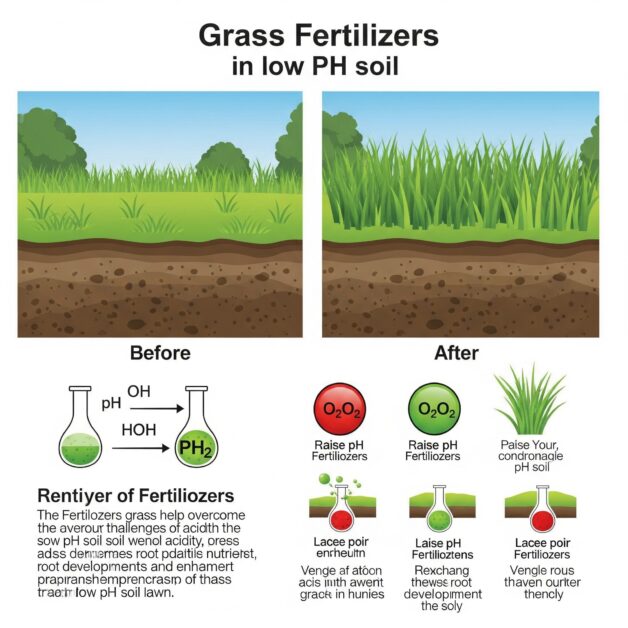
Lawn soil sometimes becomes too acidic. This can stop grass from growing well. Lime helps balance soil pH. It makes the soil less acidic and better for grass.
Look for signs in your lawn to know if it needs lime. These signs show when the soil pH is low. Understanding these signs helps keep your lawn green and healthy.
Yellowing Grass And Slow Growth
Yellow grass means the soil might be too acidic. Acidic soil stops grass from getting nutrients. When grass grows slowly, it also shows a problem with soil.
- Grass turns pale or yellow
- Grass grows thin and weak
- Grass patches die off
- New grass grows slowly or not at all
Soil Ph Levels And Their Impact
Soil pH measures how acidic or alkaline soil is. Grass grows best when pH is near neutral. Low pH means acidic soil and poor grass health.
| pH Level | Soil Condition | Effect on Lawn |
| Below 5.5 | Highly Acidic | Grass growth stops, yellowing |
| 5.5 to 6.5 | Moderately Acidic | Slow growth, weak grass |
| 6.5 to 7.5 | Neutral | Healthy grass growth |
| Above 7.5 | Alkaline | Possible nutrient lockout |
Presence Of Moss And Weeds
Moss grows well in acidic soil. It shows your lawn may need lime. Weeds also take over when grass is weak from poor soil.
- Green moss patches on soil surface
- Weeds like clover or chickweed spreading
- Grass thins out around moss and weeds
Testing Lawn Soil Ph
Knowing your lawn soil’s pH helps you keep grass healthy. Soil pH shows if soil is acidic or alkaline.
Lime can change soil pH to improve lawn growth. Testing soil pH tells you if lime is needed.
Using A Home Soil Test Kit
Home soil test kits are easy tools to check your soil’s pH. They give quick results without lab visits.
These kits come with clear instructions and color charts. You mix soil with a testing solution and compare colors.
- Collect soil sample
- Mix soil with water or solution
- Wait for color change
- Match color to chart for pH level
Collecting Soil Samples Properly
Take soil samples from different spots on your lawn. This gives a good average of soil pH.
Use a clean tool to dig about 4 inches deep. Avoid old grass or dead leaves in samples.
- Use a clean trowel or soil probe
- Take samples from several areas
- Remove grass and debris
- Mix samples in a clean container
- Use mixed soil for testing
Interpreting Soil Test Results
Soil pH ranges from 0 to 14. A pH below 7 means acidic soil. Above 7 means alkaline soil.
Most lawns grow best in soil with pH 6.0 to 7.0. If soil is too acidic, lime can help raise pH.
| pH Level | Soil Type | Action |
|---|---|---|
| Below 6.0 | Strongly acidic | Add lime to raise pH |
| 6.0 – 7.0 | Ideal for lawns | No lime needed |
| Above 7.0 | Alkaline | Avoid lime; may need sulfur |
Benefits Of Applying Lime
Lime is a common soil amendment for lawns. It helps improve soil quality and plant health.
Knowing the benefits of lime can help you decide if your lawn soil needs it.
Neutralizing Soil Acidity
Lawn soils can become too acidic over time. Lime raises the soil pH to a more neutral level.
Neutral soil pH helps grass grow stronger and reduces nutrient problems.
Improving Nutrient Availability
Lime makes important nutrients easier for grass roots to absorb. This supports healthy growth.
- Calcium and magnesium in lime enrich the soil
- Improved pH helps plants take up nitrogen, phosphorus, and potassium
- Better nutrient uptake leads to greener, thicker grass
Enhancing Microbial Activity
Soil microbes help break down organic matter and recycle nutrients. Lime boosts their activity.
| Effect | Impact on Lawn |
| Increased microbial growth | Faster decomposition of thatch and organic debris |
| Better nutrient cycling | More nutrients available to grass roots |
| Improved soil structure | Stronger root systems and healthier lawn |
Choosing The Right Lime Type
Lawn soil sometimes needs lime to balance its pH. Picking the right lime type helps your lawn grow healthy.
Not all limes are the same. Some work better for certain soils and needs.
Calcitic Lime Vs. Dolomitic Lime
Calcitic lime mainly has calcium. It raises soil pH without adding magnesium.
Dolomitic lime has calcium and magnesium. It is good if your soil needs more magnesium.
- Use calcitic lime if soil magnesium is enough.
- Use dolomitic lime if soil lacks magnesium.
- Test soil to know which lime fits best.
Granular Vs. Pelletized Lime
Granular lime has small grains. It spreads easily but can be dusty.
Pelletized lime is made into small pellets. It is less dusty and easier to apply.
- Granular lime mixes well with soil.
- Pelletized lime spreads cleanly and quickly.
- Both types work, but application style differs.
How To Match Lime Type To Soil Needs
First, test your soil pH and magnesium levels. This guides your lime choice.
Choose dolomitic lime if magnesium is low. Pick calcitic lime if magnesium is fine.
| Soil Condition | Recommended Lime |
| Low pH, normal magnesium | Calcitic lime |
| Low pH, low magnesium | Dolomitic lime |
| Need easy spread, less dust | Pelletized lime |
| Want soil mixing with lime | Granular lime |
When And How To Apply Lime
Lawn soil may need lime if it is too acidic. Lime helps raise the soil’s pH to a better level for grass growth. Knowing when and how to apply lime can keep your lawn healthy and green.
Testing your soil is the first step to see if lime is necessary. Applying lime at the right time and in the right way improves your lawn’s health.
Best Seasons For Lime Application
The best time to apply lime is during the cooler seasons. Fall and early spring work well for lime application. These seasons allow lime to mix into the soil before grass starts growing fast.
Applying lime in summer or winter is less effective. Too much heat or cold slows down the lime’s action in the soil.
- Fall: Gives lime time to work before winter
- Early spring: Prepares soil for spring growth
- Avoid hot summer and frozen winter periods
Proper Application Techniques
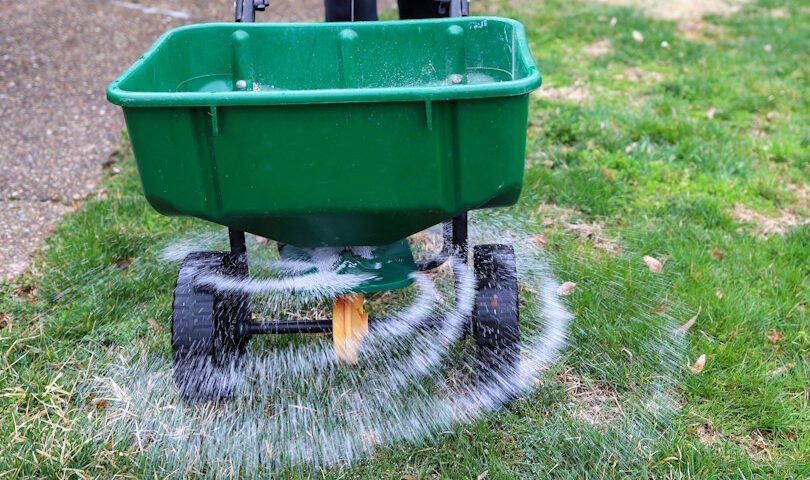
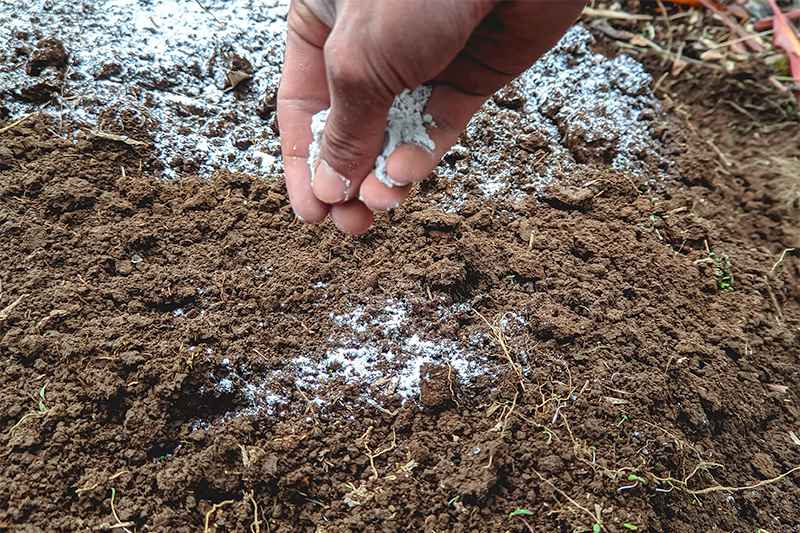
Spread lime evenly over your lawn using a spreader. You can use a drop spreader or a broadcast spreader for best results. Make sure to read the instructions on the lime package.
Water your lawn after applying lime to help it soak into the soil. Avoid mowing the lawn right after lime application to let it settle.
- Use a spreader for even coverage
- Apply lime based on soil test results
- Water lawn after spreading lime
- Wait a few days before mowing
Avoiding Over-liming Your Lawn
Too much lime can raise soil pH too high, harming your grass. Always test soil before applying lime. Follow the recommended lime amount carefully.
Do not apply lime more than twice a year. Over-liming can lead to nutrient problems and poor lawn growth.
- Test soil pH regularly
- Apply lime only as needed
- Do not exceed recommended amounts
- Limit lime application to twice yearly

Credit: compassgm.co.uk
Maintaining Soil Health Post-liming
Lime is important for keeping lawn soil healthy. It balances the soil’s acidity. Knowing when to use lime can help your lawn stay green and strong.
After using lime, there are steps to keep soil in good condition. Regular testing, balanced fertilizing, and proper watering are key actions.
Regular Soil Testing Schedule
Testing soil regularly helps check its health. It shows if lime is still needed. A simple test can tell you the soil’s pH level.
Soil testing should be done at least once a year. This helps make sure the soil is not too acidic or too alkaline.
- Test soil in spring for best results
- Use a soil test kit from a garden store
- Adjust lime use based on test results
Balancing Fertilizer Use
Fertilizers help grass grow but can change soil pH. It is important to balance fertilizer use after liming the soil.
Choose fertilizers that match your soil needs. Over-fertilizing can harm grass and soil health.
- Use fertilizers with low nitrogen levels
- Avoid fertilizers that increase soil acidity
- Apply fertilizers evenly across the lawn
Watering Practices For Lime Effectiveness
Watering helps lime mix with soil. Proper watering keeps soil balanced. It also helps grass absorb nutrients.
Water the lawn regularly but do not overwater. Overwatering can wash away nutrients and lime.
- Water the lawn early in the morning
- Use a sprinkler for even water coverage
- Check soil moisture before watering again
Credit: www.pennington.com
Frequently Asked Questions
How Do I Test If My Lawn Soil Needs Lime?
You can test your soil’s pH using a soil test kit or by sending a sample to a lab. A pH below 6. 0 usually means your lawn needs lime to neutralize acidity and improve nutrient availability.
What Are Signs My Lawn Soil Is Too Acidic?
Acidic soil often causes yellowing grass, slow growth, and poor nutrient uptake. If your lawn looks unhealthy despite watering and fertilizing, a soil test for acidity is recommended.
When Is The Best Time To Apply Lime To Lawn Soil?
The best time to apply lime is in early spring or fall. These seasons allow lime to break down slowly and adjust soil pH before peak growing periods.
Can I Add Too Much Lime To My Lawn Soil?
Yes, applying too much lime can raise soil pH excessively, harming grass and beneficial microbes. Always follow soil test recommendations for safe lime application rates.
Conclusion
Testing your lawn soil is key to knowing if it needs lime. Watch for slow grass growth or yellow leaves. These signs often show soil acidity problems. Adding lime helps balance pH and supports healthy grass. Use a soil test kit or get lab results for accuracy.
Treating soil properly saves time and money later. A healthy lawn starts with the right soil care. Keep soil balanced to enjoy green, strong grass all year. Simple steps make a big difference in lawn health.

