
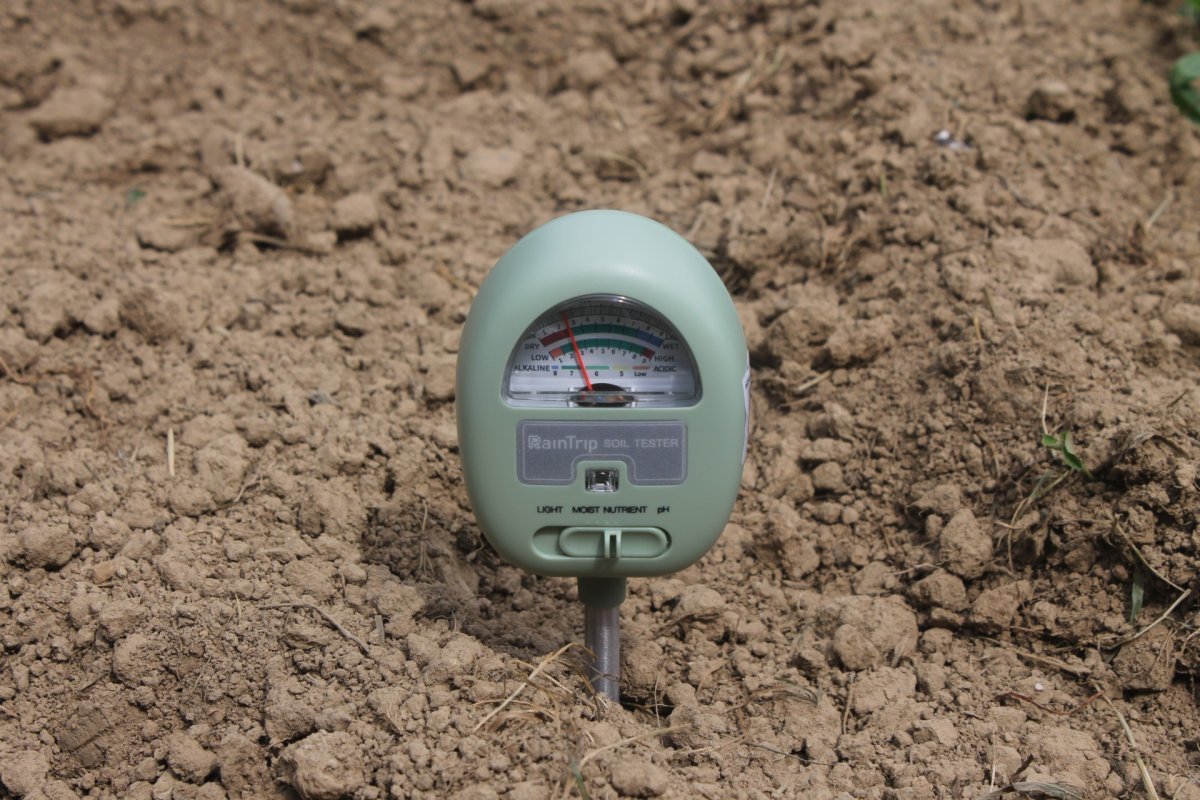
Are you wondering if soil pH meters really give accurate readings? If you care about your garden or crops, knowing the true pH of your soil is crucial.
But can you trust these devices to guide your planting decisions? Understanding how reliable soil pH meters are can save you time, money, and frustration. You’ll discover the truth behind these handy tools and learn how to get the best results for your soil testing.
Keep reading to make sure your next step in gardening is the right one.
How Soil Ph Meters Work
Soil pH meters measure how acidic or alkaline the soil is. This helps gardeners and farmers know which plants will grow best.
The meter uses a sensor to detect hydrogen ions in the soil. These ions show the soil’s pH level on a scale from 0 to 14.
Basic Principles
Soil pH meters work by measuring electrical signals. These signals change based on the soil’s acidity or alkalinity.
The sensor usually has a glass electrode that reacts with hydrogen ions. The meter then converts this reaction into a pH value.
Types Of Soil Ph Meters
There are different soil pH meters. Each type works a bit differently but measures the same thing.
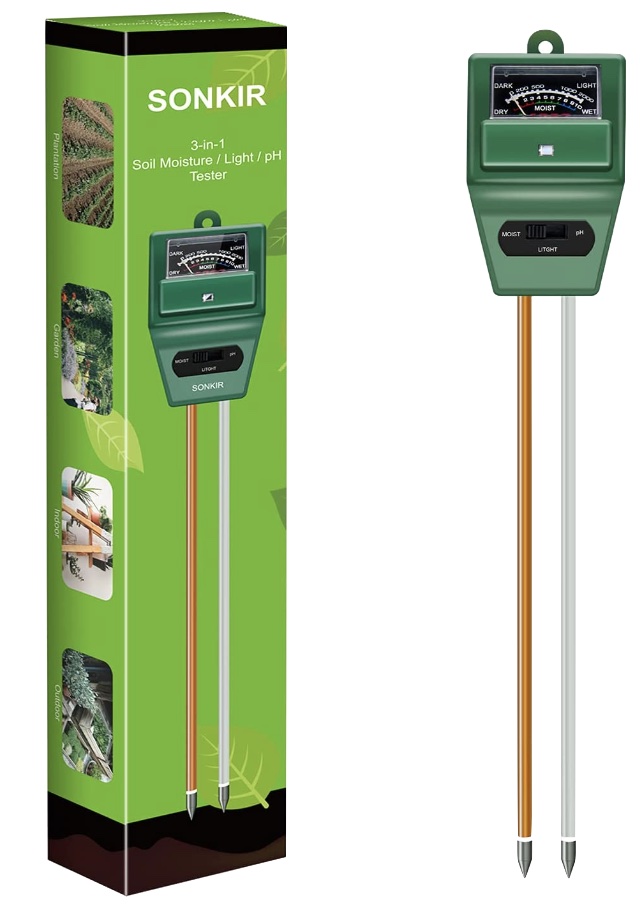
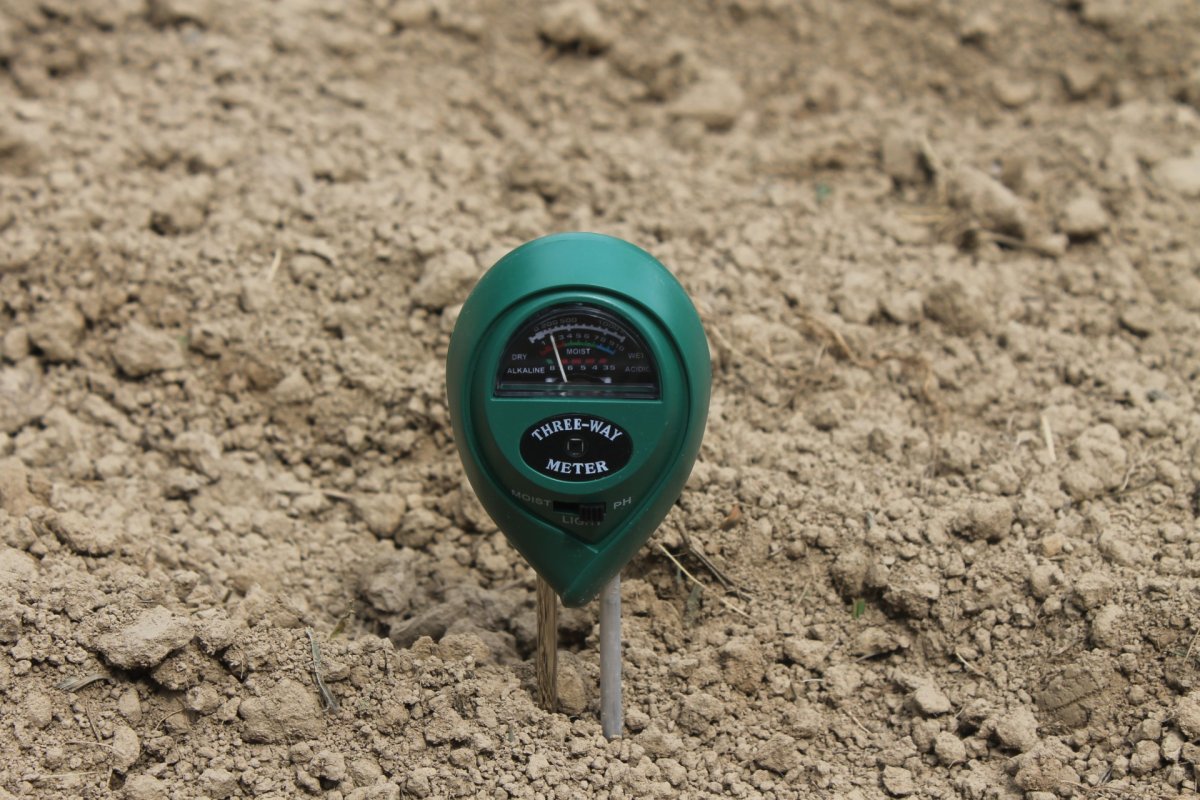
- Analog meters show pH with a needle on a dial.
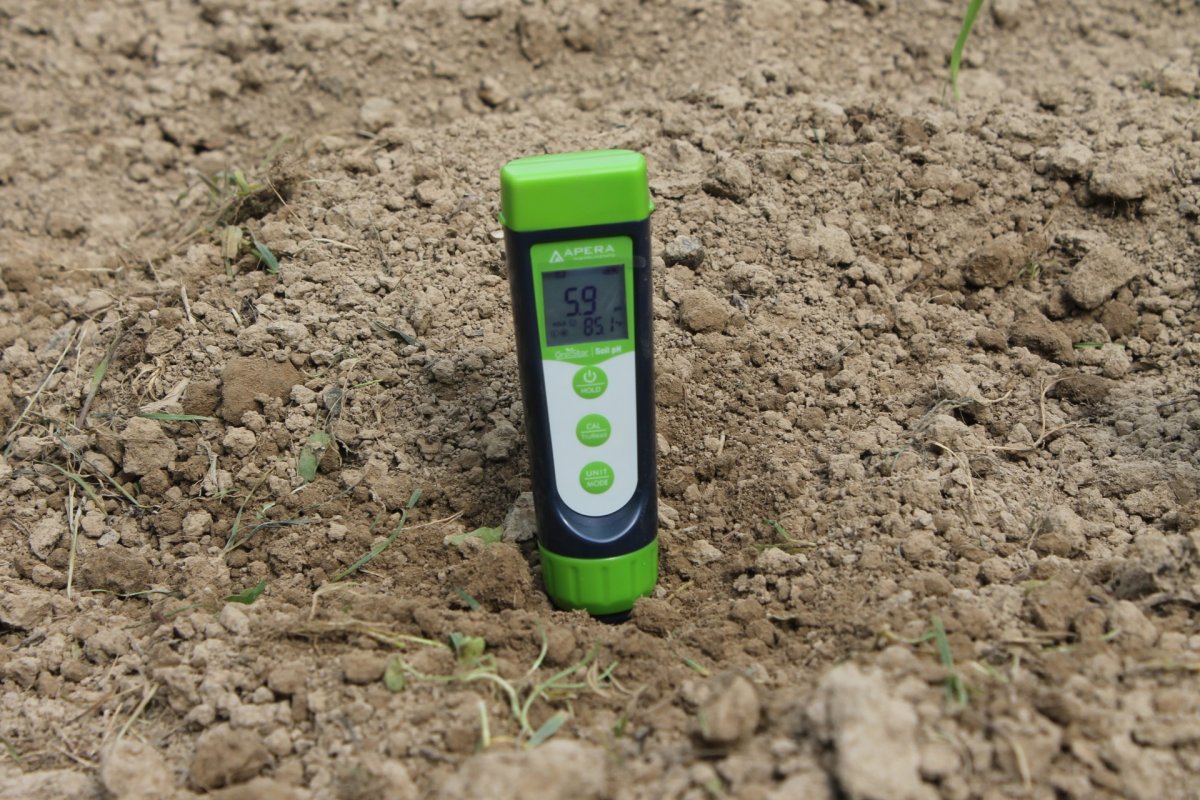
- Digital meters give a number on a screen for easy reading.
- Pen-type meters are small and portable for quick tests.
- Lab meters are precise but need soil samples and more steps.
Calibration Process
Calibration makes sure the meter gives accurate readings. It adjusts the meter to known pH levels.
Usually, you use special buffer solutions with set pH values. The meter is dipped into these solutions to set the correct scale.
- Start with a buffer solution of pH 7 (neutral).
- Adjust the meter reading to match pH 7 exactly.
- Use a second buffer with pH 4 or pH 10 for full calibration.
- Repeat calibration regularly for best results.
Credit: gardeningproductsreview.com
Factors Affecting Accuracy
Soil pH meters help check the acidity or alkalinity of soil. Their accuracy depends on several key factors. Understanding these can improve your readings.
Knowing what affects the meter’s accuracy helps you get reliable results. Let’s look at the main points.
Soil Moisture Levels
Soil moisture plays a big role in pH meter accuracy. Too dry or too wet soil can give wrong results. Moist soil helps the probe conduct electricity better.
- Dry soil may cause high pH readings
- Very wet soil can dilute the sample
- Ideal moisture is damp but not soaked
Temperature Influence
Temperature affects soil pH readings. Most meters work best at room temperature. Cold or hot soil can change the way the probe reacts.
| Temperature (°C) | Effect on pH Reading |
| Below 10 | May cause slow response and errors |
| 10 to 25 | Optimal range for accurate readings |
| Above 25 | Can cause unstable or false readings |
Probe Maintenance
Keeping the probe clean is essential. Dirt and residues affect accuracy. Regular care extends the probe’s life and keeps readings stable.
- Rinse probe with distilled water after use
- Store probe in proper solution when not in use
- Check for damage or corrosion regularly
- Calibrate meter often for best results
Common Issues With Soil Ph Meters
Soil pH meters help measure the acidity or alkalinity of soil. Many gardeners and farmers use them to check soil health. These meters are useful but not always perfect.
Some problems affect the accuracy and reliability of soil pH meters. Understanding these issues can help users get better results.
Sensor Wear And Tear
Sensors in soil pH meters can wear out over time. The sensor tip touches soil, which can damage it. If the sensor is old or dirty, readings may be wrong.
Regular cleaning and proper storage help keep sensors working well. Replacing the sensor when needed improves accuracy.
- Soil particles can scratch the sensor tip
- Corrosion may occur from moisture and chemicals
- Frequent use without maintenance reduces sensor life
Interference From Soil Composition
Different soils have various minerals and salts. These can affect the pH meter’s sensor. For example, salty or clay soils may give false readings.
Soil moisture levels also impact measurements. Very dry or very wet soil can cause errors. Testing soil under similar conditions helps get better results.
- High salt content can interfere with sensor signals
- Clay soils may hold water and affect reading speed
- Organic matter can change soil pH quickly
User Errors
Users may make mistakes that affect meter readings. Not calibrating the meter before use is common. Calibration helps ensure the meter reads correctly.
Other errors include not cleaning the sensor or testing soil at wrong depths. Following instructions carefully can reduce these errors.
- Failing to calibrate before each use
- Not cleaning the sensor between tests
- Testing soil that is too dry or too wet
- Using the meter in frozen or very cold soil
Comparing Soil Ph Meters To Lab Testing
Soil pH meters and lab testing both measure soil acidity or alkalinity. Each method has benefits and limits. Understanding these helps you pick the right tool for your needs.
This comparison covers cost and convenience, accuracy differences, and when to choose each method.
Cost And Convenience
Soil pH meters are devices you can buy and use anytime in your garden. Lab testing requires sending soil samples to a laboratory and waiting for results.
- Soil pH meters have a one-time cost but may need calibration.
- Lab testing costs more per test but offers detailed reports.
- Using a meter gives quick results on site.
- Lab testing takes days to get results back.
Accuracy Differences
| Method | Accuracy | Details Provided |
| Soil pH Meter | Moderate | Basic pH level |
| Lab Testing | High | pH and nutrient analysis |
Soil pH meters may have small errors due to calibration or soil moisture. Labs use precise instruments that give more reliable and detailed data.
When To Choose Each Method
- Use a soil pH meter for quick checks and routine monitoring.
- Choose lab testing for important soil decisions and detailed analysis.
- Lab tests are best before planting or fertilizing large areas.
- Meters help gardeners track changes over time easily.
Tips For Getting Reliable Readings
Soil pH meters help measure the acidity or alkalinity of soil. Getting accurate results is important for good plant growth.
Follow simple steps to make sure your meter shows the right numbers every time you test your soil.
Proper Calibration Techniques
Calibrating your soil pH meter regularly keeps readings accurate. Use standard buffer solutions to set the meter correctly.
- Rinse the probe with clean water before calibration.
- Use fresh buffer solutions, usually pH 4.0 and pH 7.0.
- Immerse the probe in the buffer and adjust the meter to the correct value.
- Repeat for both low and neutral pH buffers if your meter supports two-point calibration.
- Calibrate the meter before every testing session for best results.
Sample Preparation
Good sample preparation improves the meter’s ability to measure soil pH accurately. Use clean tools and proper soil handling.
| Preparation Step | Why It Matters |
| Remove large debris | Prevents false readings from sticks or stones |
| Mix soil well | Ensures uniform sample for testing |
| Moisten soil slightly | Helps the probe make better contact |
| Use room temperature samples | Cold or hot soil affects sensor accuracy |
Regular Maintenance
Maintaining your soil pH meter extends its life and keeps readings stable. Clean and store it properly after use.
- Rinse the probe with distilled water after each use.
- Dry the probe carefully to avoid damage.
- Store the meter in a clean, dry place.
- Check the battery regularly and replace it when needed.
- Inspect the probe for cracks or wear and replace if damaged.
Credit: www.bobvila.com
Credit: www.bobvila.com
Frequently Asked Questions
Are Soil Ph Meters Accurate For Gardening?
Soil pH meters provide quick and generally reliable readings. Accuracy depends on meter quality and calibration. Regular calibration improves precision. For best results, use meters with good reviews and maintain sensors properly.
How Often Should I Calibrate A Soil Ph Meter?
Calibrate your soil pH meter every 2-4 weeks for accurate results. Frequent calibration ensures precise readings and extends device life. Always follow the manufacturer’s guidelines to maintain meter reliability and consistency.
Can Soil Moisture Affect Ph Meter Readings?
Yes, soil moisture impacts pH readings. Excess water can dilute soil samples and cause inaccurate results. For best accuracy, test soil when it’s moist but not overly wet. Proper sampling ensures reliable pH measurements.
Are Digital Soil Ph Meters Better Than Chemical Tests?
Digital meters offer faster, easier pH readings than chemical kits. They provide real-time data with less mess. However, chemical tests can be more precise in some cases. Combining both methods can improve overall soil analysis.
Conclusion
Soil pH meters offer quick and useful readings for gardeners. They help check soil acidity or alkalinity easily. Accuracy depends on meter quality and how you use it. Regular calibration keeps measurements reliable and consistent. Remember, no tool is perfect alone.
Combine pH meters with other soil tests for best results. Simple care and proper use make these meters a helpful tool. Trust your meter, but also trust your own observations. Soil pH meters can guide better plant growth decisions.
