
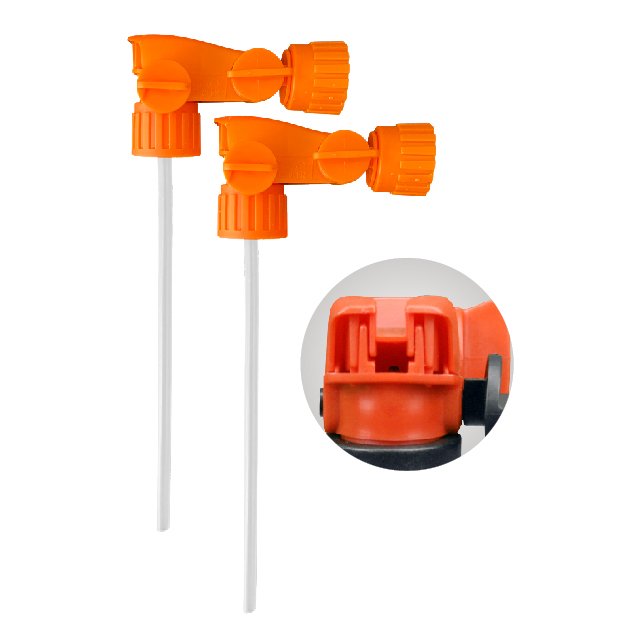
You’ve probably wondered, just how long does a hose end sprayer last before it needs replacing? Whether you use it for your garden, lawn, or outdoor cleaning, knowing the lifespan of your sprayer can save you time, money, and frustration.
Imagine avoiding leaks, poor spray patterns, or sudden breakdowns right when you need it most. You’ll discover the key factors that affect your sprayer’s durability and simple tips to make it last longer. Keep reading to protect your investment and get the best performance every time you step outside.
Credit: www.thelawnforum.com
Factors Affecting Hose End Sprayer Lifespan
Hose end sprayers are useful tools for gardening and pest control. Their lifespan depends on several factors. Knowing these can help you get the most use from your sprayer.
Different parts and conditions affect how long a hose end sprayer lasts. Understanding these factors will help you take better care of it.
Material Quality
The quality of materials used to make a hose end sprayer is very important. Sprayers made with strong plastic or metal parts last longer.
Cheap materials can crack, break, or wear out quickly. Investing in better materials can extend your sprayer’s life.
Usage Frequency
How often you use the sprayer affects how fast it wears out. Frequent use puts more stress on the parts, causing faster damage.
Occasional use leads to longer lifespan since the sprayer parts do not wear out as quickly.
- Daily use may shorten lifespan
- Weekly or monthly use lasts longer
- Heavy-duty use requires stronger sprayers
Water Quality
Water quality can damage the sprayer. Hard water with minerals can clog the nozzle and pipes.
Using clean water helps keep the sprayer working well. Dirty or contaminated water may cause corrosion or blockages.
Storage Conditions
How you store your hose end sprayer affects its life. Leaving it outside exposes it to sun, rain, and cold weather.
Store the sprayer in a dry, cool place to avoid damage from weather and temperature changes.
- Keep away from direct sunlight
- Store indoors during winter
- Use a protective cover if needed
Maintenance Practices
Regular maintenance helps your sprayer last longer. Clean the nozzle and check for leaks often.
Replace worn parts and lubricate moving pieces to keep the sprayer working smoothly.
- Flush sprayer after each use
- Check seals and replace if damaged
- Store with nozzle open to dry
Average Lifespan Of Hose End Sprayers
Hose end sprayers are handy tools for garden and lawn care. Knowing their lifespan helps you plan replacements.
The lifespan depends on the sprayer’s build material and brand quality. Let’s explore the typical duration for different types.
Typical Duration For Plastic Models
Plastic hose end sprayers are common and affordable. They usually last between one and three years.
- Exposure to sunlight can weaken plastic over time
- Regular use and water pressure affect wear
- Cold weather may cause cracks or brittleness
- Proper storage extends their life
Durability Of Metal Sprayers
Metal sprayers are stronger and last longer than plastic ones. They often last five years or more.
| Material | Average Lifespan |
| Aluminum | 4 to 6 years |
| Brass | 7 to 10 years |
| Stainless Steel | 8 to 12 years |
Comparing Budget Vs Premium Brands
Brand quality affects how long a sprayer lasts. Premium brands use better materials and parts.
- Budget brands may last 1 to 3 years
- Premium brands often last 5 to 10 years
- Higher quality seals reduce leaks
- Better build quality resists wear and tear
Signs Your Hose End Sprayer Needs Replacement
A hose end sprayer helps you apply liquids like fertilizers or pesticides. Over time, it can wear out and stop working well. Knowing when to replace it saves you time and money.
Look for clear signs that your sprayer is failing. These signs show it is time to get a new one.
Leaks And Drips
If you see water leaking from the sprayer, it may be broken. Leaks waste liquid and reduce pressure. Drips can also cause uneven spraying.
Leaks happen when seals wear out or cracks form. Fixing leaks is hard and may not last. Replacing the sprayer is often better.
Reduced Spray Performance
Your sprayer should spray evenly and at the right strength. If the spray looks weak or uneven, the sprayer may be clogged or damaged.
Low spray performance means you waste time and liquids. Cleaning may help, but if it stays poor, replacement is needed.
Cracks And Wear
Check the sprayer body for cracks or worn parts. Plastic can get brittle and break after long use. Metal parts may rust or bend.
Cracks let liquids escape and reduce pressure. Worn parts may cause leaks and poor spray patterns. Replace the sprayer if you find damage.
Valve Malfunctions
The valve controls the flow of liquid in the sprayer. If it sticks or does not open fully, spray will be weak or stop.
Valve problems may cause leaks or no spray at all. Cleaning can help, but broken valves need replacement of the sprayer.
Tips To Extend Hose End Sprayer Life
A hose end sprayer helps apply fertilizers and pesticides easily. Taking care of it can make it last longer. Simple steps keep it working well.
Follow these tips to protect your sprayer from damage and wear. Proper care means you save money and avoid problems.
Proper Cleaning And Drying
Cleaning your sprayer after each use removes chemicals and dirt. This stops clogs and damage. Use clean water to rinse all parts.
Dry the sprayer completely before storing it. Moisture can cause rust or mold inside the device.
- Flush sprayer with clean water after use
- Use a soft brush for stuck dirt
- Allow all parts to air dry fully
Winterizing Your Sprayer
Cold weather can freeze water inside the sprayer. Frozen water may crack hoses and seals. Remove all water before winter.
Use antifreeze designed for sprayers to protect internal parts. This step helps avoid costly repairs in spring.
- Drain all water from sprayer and hose
- Run antifreeze through sprayer if needed
- Store sprayer in a place safe from freezing
Safe Storage Solutions
Store your sprayer in a dry, cool place. Avoid direct sunlight to prevent plastic parts from cracking. Keep it off the ground.
Use hooks or shelves to hang or place your sprayer. Keep it away from pets and children for safety.
- Choose indoor storage away from sun and heat
- Hang sprayer to keep hoses straight and clean
- Cover sprayer to protect from dust and dirt
Regular Inspections And Repairs
Check your sprayer often for leaks, cracks, or worn parts. Early fixes keep it working longer. Replace damaged parts quickly.
Test the sprayer nozzle and trigger to make sure they work right. Tighten loose fittings to avoid leaks.
- Look for leaks in hoses and connections
- Inspect nozzle for clogs and wear
- Replace seals and washers as needed
When To Upgrade Your Hose End Sprayer
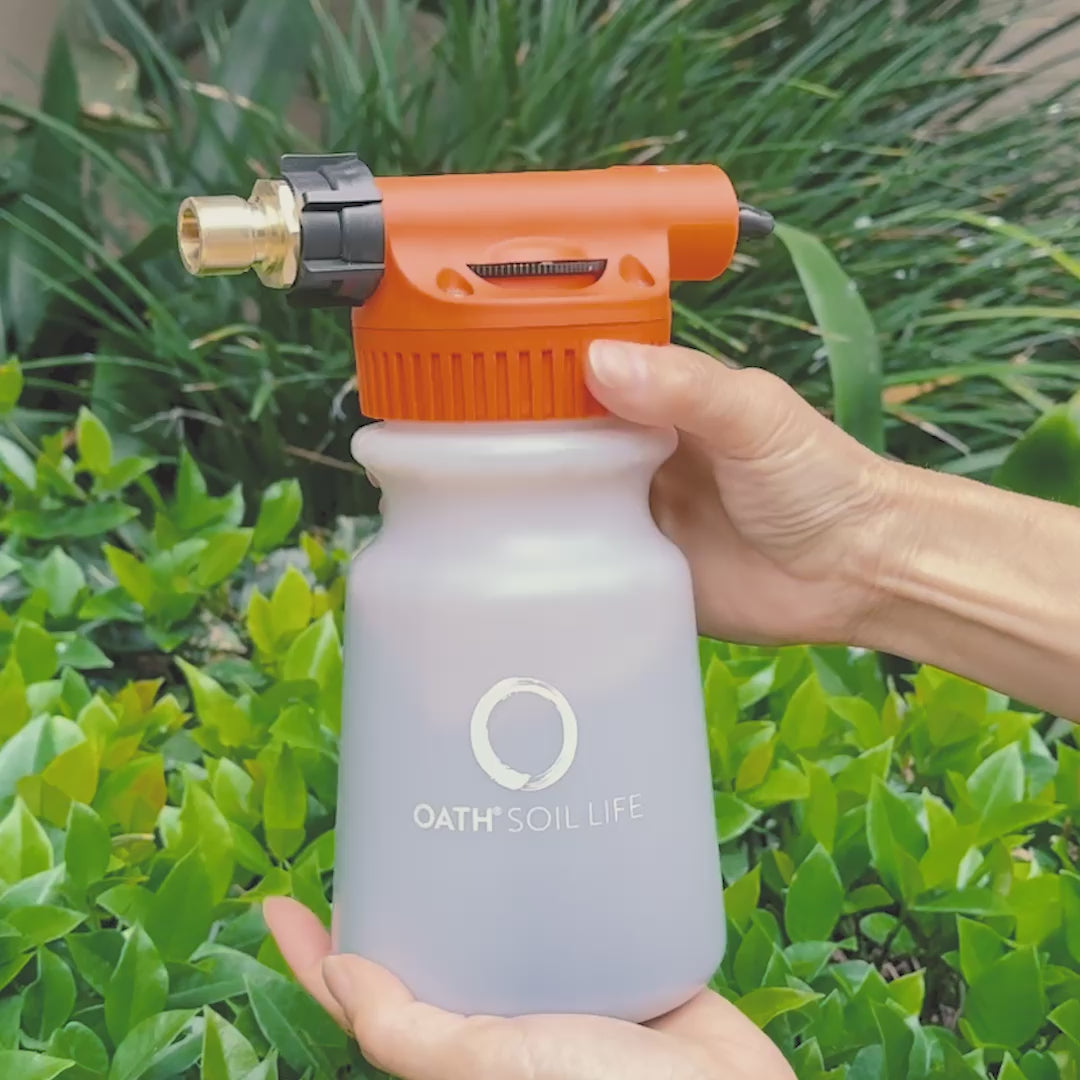
Your hose end sprayer helps apply fertilizers and pesticides easily. Knowing when to upgrade it saves time and money.
Wear and tear, new features, and support affect how long your sprayer lasts. Look for signs that show it is time for a new one.
Cost Vs Repair Considerations
Repairing a hose end sprayer can be cheaper than buying new. But frequent fixes add up fast. Check if repair costs near a new sprayer price.
- Leaks or broken parts may need repair or replacement.
- Old sprayers may waste water or chemicals.
- Cheap repairs might not last long.
- New sprayers often come with better durability.
New Features And Technology
Technology improves hose end sprayers over time. New models may have better flow control or easier mixing.
| Feature | Old Sprayer | New Sprayer |
| Flow Control | Manual adjustment | Precision dial with markings |
| Mixing System | Basic injector | Built-in agitator for even mix |
| Materials | Plastic parts prone to cracking | Durable, UV-resistant plastics |
Warranty And Manufacturer Support
A good warranty protects your sprayer from defects. Check if your sprayer’s warranty has expired before deciding to repair or replace.
- New sprayers often come with 1–3 year warranties.
- Older sprayers may no longer be supported.
- Manufacturer support can help with troubleshooting.
- Without support, repairs may be harder and costly.
Credit: www.oathsoillife.com

Credit: www.reddit.com
Frequently Asked Questions
How Long Does A Hose End Sprayer Typically Last?
A hose end sprayer usually lasts 3 to 5 years with proper care. Regular cleaning and storage extend its lifespan. Harsh chemicals or rough handling can reduce durability. Investing in quality models also ensures longer usage.
What Factors Affect A Hose End Sprayer’s Lifespan?
Material quality, frequency of use, and maintenance impact its lifespan. Exposure to sunlight and harsh chemicals can degrade parts faster. Proper storage during off-seasons also prevents damage and prolongs functionality.
Can Regular Maintenance Extend A Hose End Sprayer’s Life?
Yes, cleaning the sprayer after each use removes residue and prevents clogging. Checking for leaks and replacing worn parts maintains performance. Proper winterizing and storage protect it from freezing and cracking.
When Should I Replace My Hose End Sprayer?
Replace it if leaks, cracks, or poor spray patterns appear. Frequent repairs indicate it’s time for a new sprayer. Upgrading can improve efficiency and save time in your spraying tasks.
Conclusion
A hose end sprayer can last several seasons with proper care. Regular cleaning and careful storage help it stay strong. Avoid harsh chemicals that may damage the sprayer parts. Check for leaks or cracks before each use. Small repairs can extend its life greatly.
Choosing a good-quality sprayer also matters for durability. Treat your sprayer well, and it will serve you longer. A little effort keeps it working smoothly season after season.
