
Are your shrubs looking a bit wild or overgrown? Pruning them the right way can make a huge difference in how healthy and beautiful your garden looks.
But cutting the wrong branches or pruning at the wrong time can actually harm your plants. You want to keep your shrubs thriving and full of life, right? You’ll discover simple, effective tips that anyone can follow to prune shrubs like a pro.
By the end, you’ll feel confident to shape your greenery perfectly and watch your garden flourish. Keep reading to unlock the secrets to healthier, happier shrubs!
Credit: nwdistrict.ifas.ufl.edu
Choosing The Right Time
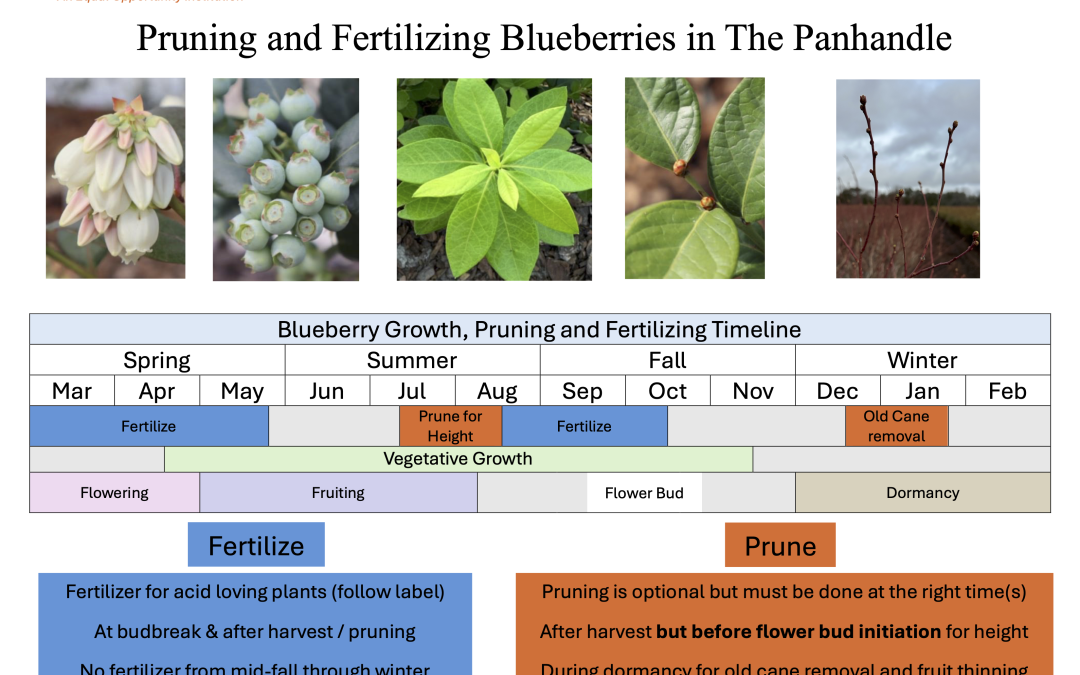
Pruning shrubs at the right time helps them grow healthy and strong. It also prevents damage and stress to the plants.
Knowing when to prune depends on the season and the shrub’s growth cycle. This guide explains key factors to consider before pruning.
Seasonal Considerations
Different shrubs have different pruning seasons. Some do best after they bloom, while others need pruning in late winter.
- Prune spring-flowering shrubs right after they bloom.
- Trim summer-flowering shrubs in late winter or early spring.
- Avoid pruning in late fall to prevent frost damage.
- Check shrub type to match pruning time with its growth cycle.
Avoiding Stress Periods
Pruning during stressful periods can harm your shrubs. Avoid pruning when shrubs are weak or actively growing.
| Stress Period | Why Avoid |
| Extreme heat | Can dry out and shock plants |
| Frost season | Can cause damage to fresh cuts |
| During heavy growth | May slow growth and cause injury |
| After transplanting | Plants need time to recover |
Selecting Proper Tools
Choosing the right tools is important for pruning shrubs. Good tools make the job easier and safer.
Using proper tools helps keep plants healthy and prevents damage to the shrubs.
Types Of Pruning Tools
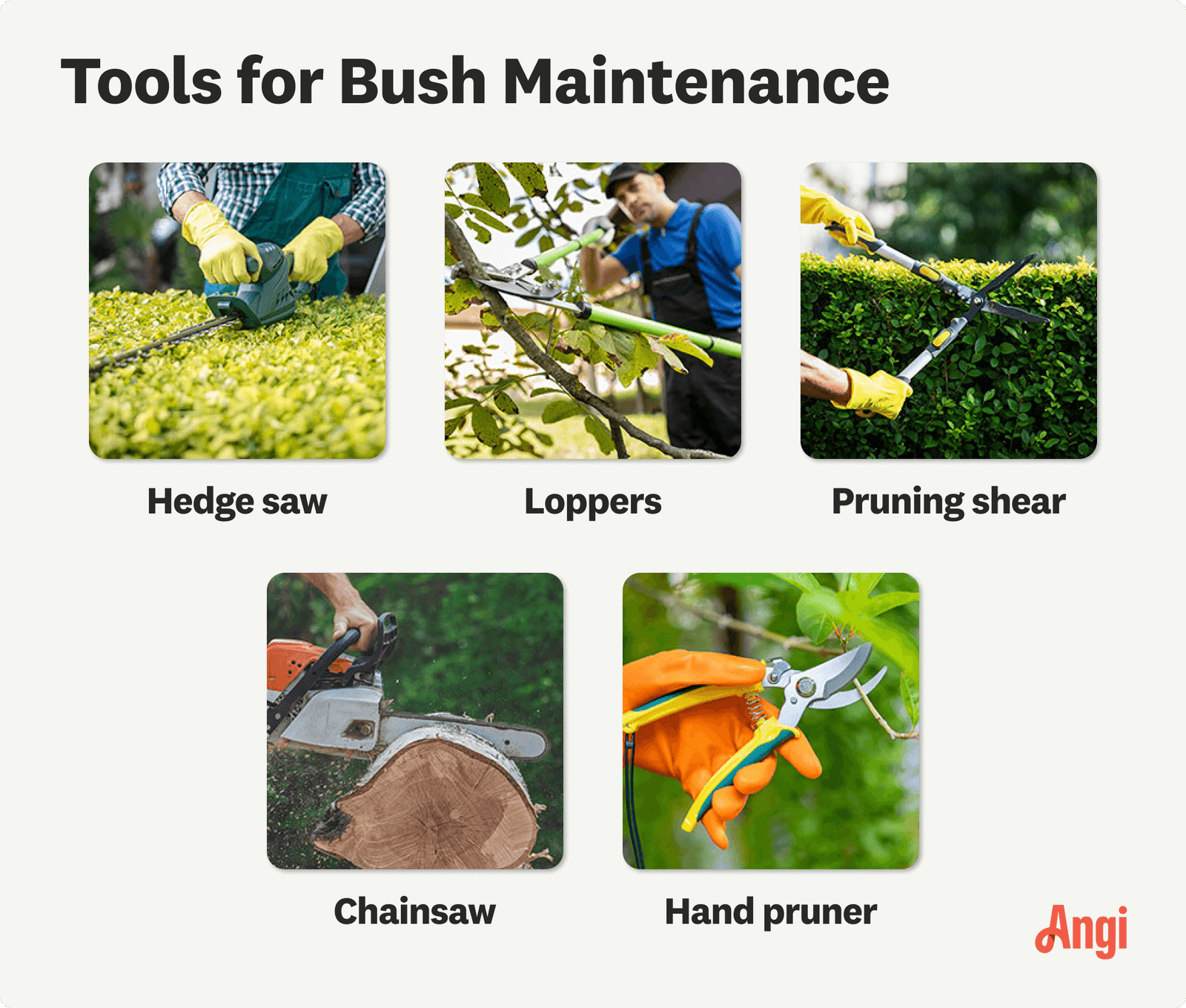
There are different pruning tools for cutting branches of various sizes. Each tool suits a specific task.
- Hand Pruners:Best for small branches and precise cuts.
- Loppers:Use for medium-sized branches up to 2 inches thick.
- Pruning Saws:Ideal for larger branches that are too big for loppers.
- Hedge Shears:Perfect for shaping and trimming bushes and hedges.
Maintaining Sharpness
Sharp tools make clean cuts that heal faster and reduce plant stress. Dull tools can crush branches.
Keep blades clean and sharpen them regularly. This improves the tool’s performance and lifespan.
- Wipe blades after use to remove sap and dirt.
- Use a sharpening stone or file to sharpen edges.
- Oil moving parts to prevent rust and ensure smooth cutting.
- Store tools in a dry place to avoid damage.
Basic Pruning Techniques
Pruning shrubs helps keep them healthy and looking good. It also encourages new growth. Learning a few basic pruning techniques can make a big difference.
Each method has its use depending on the shrub type and growth. Use the right technique to avoid damage and promote strong plants.
Thinning
Thinning removes some branches to improve air flow and light inside the shrub. It helps reduce disease and keeps the shrub from becoming too dense.
- Cut branches at their base or where they join a larger branch.
- Focus on old, weak, or crowded branches.
- Keep the natural shape of the shrub while thinning.
Heading Back
Heading back shortens branches to encourage bushier growth. Cut just above a bud or side branch. This method controls size and shape.
| Cut Location | Effect |
| Just above a bud or side branch | Stimulates new shoots near the cut |
| Too far from a bud | Leaves a stub that may die back |
| At the branch base | Removes entire branch |
Rejuvenation Pruning
Rejuvenation pruning renews old shrubs by cutting them back hard. This encourages fresh, healthy growth from the base.
Follow these rules for rejuvenation pruning:
- Cut all branches down to 6-12 inches above the ground.
- Do this during the plant’s dormant season.
- Water and care for the shrub well after pruning.
- Expect new shoots to grow in weeks.

Credit: realgreenservices.com
Identifying Branches To Remove
Pruning shrubs helps keep them healthy and looking good. Removing the right branches lets the plant grow stronger.
Focus on cutting branches that hurt the shrub’s health or shape. Learn to spot these problem branches easily.
Dead And Diseased Wood
Dead or diseased branches can spread problems to the whole shrub. They often look dry, cracked, or discolored.
- Look for branches with no leaves or buds in growing season.
- Check for black spots, mold, or unusual growths.
- Remove branches that break easily or feel brittle.
Crossing And Rubbing Branches
Branches that cross or rub can cause wounds. These wounds invite pests and diseases inside the shrub.
- Find branches that overlap or touch each other.
- Notice any bark damage where branches rub.
- Remove the weaker or less healthy branch.
Weak Growth
Weak branches use energy but do not help the shrub’s shape. They look thin, spindly, or grow inward.
| Signs of Weak Growth | Why Remove |
|---|---|
| Thin branches with few leaves | They can break easily and block sunlight. |
| Branches growing toward the center | They crowd the shrub and reduce air flow. |
| Spindly shoots that bend or droop | They waste energy and weaken the plant. |
Shaping And Size Control
Pruning shrubs helps keep them healthy and looking good. It also controls their size and shape. This makes your garden neat and balanced.
Knowing how to prune correctly keeps shrubs strong and attractive. Focus on shaping and size control for best results.
Maintaining Natural Form
Keep the shrub’s natural shape by pruning lightly and carefully. Avoid cutting too much at once. This helps the plant stay healthy and look natural.
- Remove dead or damaged branches first.
- Trim branches that grow out of the natural shape.
- Cut back long shoots to encourage fuller growth.
- Avoid cutting into old wood that may not regrow.
- Use sharp tools to make clean cuts.
Controlling Height And Spread
To control height and spread, prune regularly and at the right time. This keeps shrubs from becoming too large or wide for their space.
| Pruning Goal | How to Prune | Best Time |
| Limit Height | Cut top branches evenly | Late winter or early spring |
| Reduce Spread | Trim side branches close to main stem | After flowering |
| Encourage Bushiness | Cut back long shoots by one-third | Growing season |

Credit: m.youtube.com
Aftercare For Pruned Shrubs
Caring for shrubs after pruning is important. It helps them stay healthy and grow well. Follow these tips to ensure your plants thrive.
Proper aftercare can prevent problems and encourage strong growth. Here are some steps to take after pruning your shrubs.
Watering And Mulching
Watering is crucial for pruned shrubs. They need moisture to heal and grow. Mulching helps keep soil moist and cool.
- Water deeply once a week
- Use organic mulch like bark or straw
- Keep mulch away from the shrub’s base
Fertilizing Tips
Fertilizing gives nutrients to pruned shrubs. This boosts growth and makes plants stronger.
- Use a balanced fertilizer in early spring
- Follow package instructions for amounts
- Avoid fertilizing late in the season
Monitoring For Pests And Disease
Keep an eye on your shrubs for pests and diseases. Early detection can save your plants.
| Problem | Sign |
| Aphids | Sticky leaves |
| Fungal disease | Spots on leaves |
| Root rot | Wilting despite watering |
Frequently Asked Questions
How Often Should I Prune My Shrubs Annually?
Prune most shrubs once or twice a year. Early spring and late summer are ideal times. This helps maintain shape and encourages healthy growth.
What Tools Are Best For Pruning Shrubs?
Use sharp hand pruners for small branches and loppers for thicker stems. Clean tools prevent disease spread and ensure clean cuts.
When Is The Best Time To Prune Flowering Shrubs?
Prune spring-flowering shrubs immediately after they bloom. For summer-flowering types, prune in late winter or early spring before growth starts.
How Do I Avoid Damaging My Shrubs While Pruning?
Make clean cuts at a slight angle above healthy buds. Avoid cutting too close to the main stem to prevent damage and disease.
Conclusion
Pruning shrubs helps keep your garden healthy and neat. Cut away dead or weak branches to encourage new growth. Use clean, sharp tools for the best results. Prune at the right time to avoid harming plants. Watch your shrubs closely and prune regularly for shape.
Small steps make a big difference in plant care. Enjoy a beautiful garden with simple pruning habits. Keep practicing, and your shrubs will thrive year after year.
