
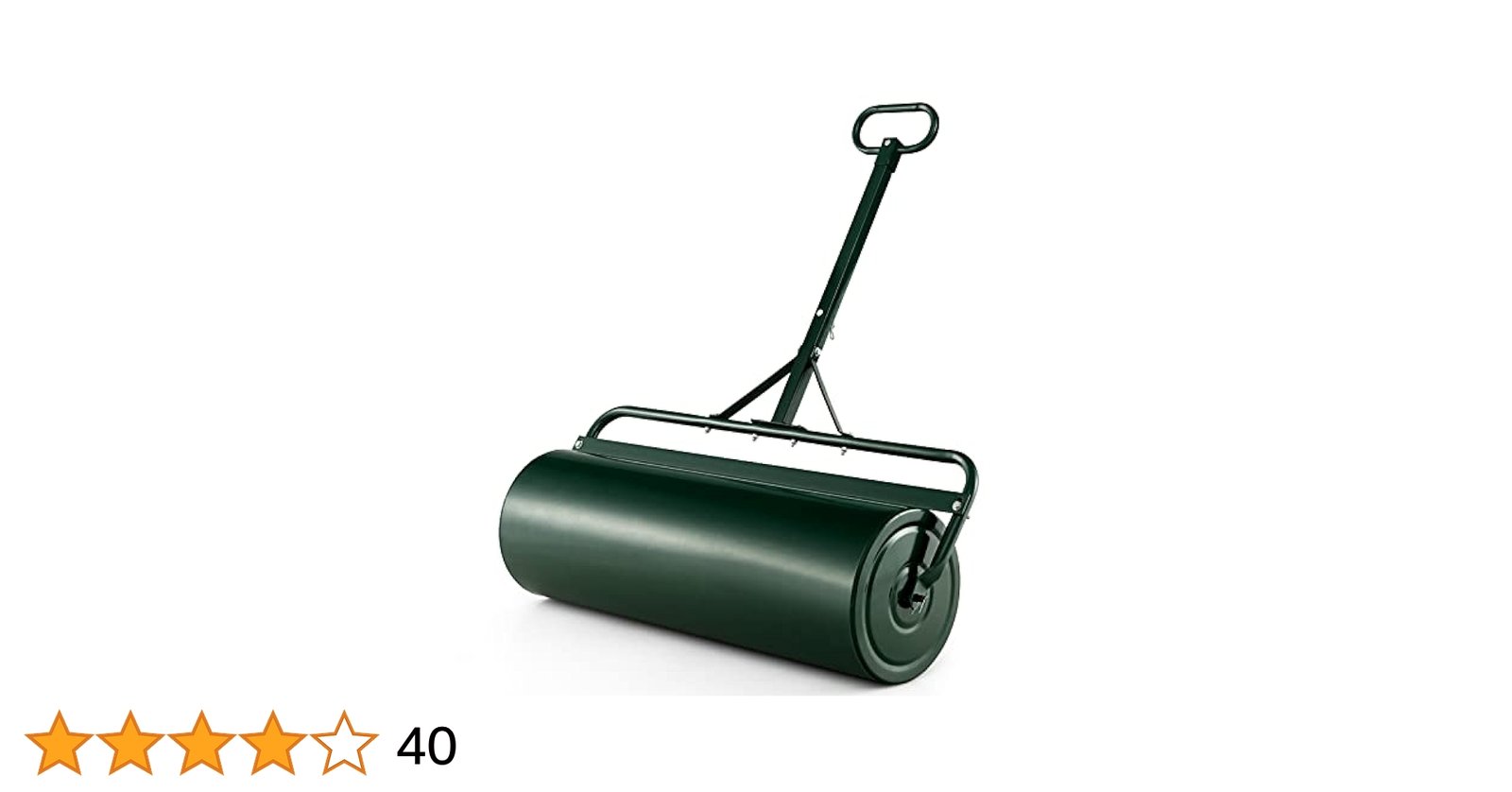
Using a lawn roller can make your yard look smooth and professional, but it also comes with risks you need to know about. If you’re not careful, accidents can happen that could harm you or damage your property.
This guide will show you simple but essential safety steps to protect yourself and get the best results from your lawn roller. Keep reading to learn how to handle your equipment confidently and avoid common mistakes that many people overlook.
Your lawn—and your safety—depend on it.
Credit: www.megahire.com.au
Choosing The Right Lawn Roller
Selecting the right lawn roller is important for safe and effective lawn care. The right choice depends on your lawn size and soil type.
Using a lawn roller that fits your needs helps avoid damage to grass and prevents accidents.
Types Of Lawn Rollers
Lawn rollers come in different types based on how they are filled or powered. Choose one that matches your lawn and tools.
- Water-filled rollers are light when empty and heavy when filled.
- Sand-filled rollers stay heavy but need careful filling.
- Steel rollers are very durable but heavy.
- Manual rollers require you to push them by hand.
- Tow-behind rollers attach to a lawn tractor for large lawns.
Weight Considerations
The roller’s weight affects how well it presses the soil and grass. Too heavy can damage your lawn.
Choose a roller weight that matches your lawn type and condition to avoid compacting the soil too much.
- Light rollers work best for new seed or soft soil.
- Medium weight is good for normal lawns.
- Heavy rollers suit firm soil or large areas.
Material And Durability
Lawn rollers are made from different materials. Choose one that lasts long and fits your budget.
Durability helps the roller stay safe and effective over time.
- Steel rollers are strong but can rust without care.
- Plastic rollers resist rust and are lighter.
- Rubber-coated rollers protect grass better.
- Check for solid handles and good welds for safety.

Credit: www.amazon.ca
Preparing Your Lawn And Equipment
Before using a lawn roller, it is important to prepare your lawn and equipment properly. This helps ensure safety and good results. Taking time to get ready protects you and your tools.
Focus on clearing the area, checking your roller, and watching the weather. These steps reduce risks and improve performance.
Clearing Debris And Obstacles
Remove any sticks, stones, toys, or other items from your lawn. These can damage the roller or cause accidents. Clear the area completely before you start rolling.
- Pick up sticks and branches
- Remove rocks and stones
- Take away garden tools and toys
- Check for holes or uneven ground
- Mark sprinkler heads or pipes
Inspecting The Roller
Check your lawn roller for damage or issues before use. Proper inspection helps avoid breakdowns and keeps you safe. Look at the roller surface and handles carefully.
| Part | What to Check |
| Drum | Look for dents or cracks |
| Handles | Ensure they are tight and secure |
| Water or Sand Fill | Check the level and fill if needed |
| Wheels | Make sure they roll smoothly |
Checking Weather Conditions
Use the lawn roller only in safe weather. Wet or very dry ground can cause problems. Check the forecast to pick a good day for rolling.
- Do not roll when the lawn is wet or muddy
- Avoid very hot days to prevent grass damage
- Choose calm weather without strong wind
- Wait after heavy rain for the ground to dry
Safe Operating Techniques
Using a lawn roller requires care to avoid accidents. Following safe techniques helps protect you and others.
Learn how to handle the roller correctly and move it safely across your lawn.
Proper Handling And Posture
Hold the lawn roller firmly with both hands. Keep your back straight to avoid strain.
Bend your knees slightly and use your legs to push the roller. This reduces pressure on your back.
- Keep your feet shoulder-width apart
- Use your body weight to help push
- Avoid twisting your spine while operating
Controlled Speed And Movement
Move the roller slowly and steadily. Quick movements can cause loss of control.
Stop and check your path if you feel the roller slipping or catching on the ground.
- Push at a steady pace
- Avoid sudden starts and stops
- Take breaks if you feel tired
Avoiding Slopes And Uneven Ground
Do not use the lawn roller on steep slopes. It may tip over or roll uncontrollably.
Check for holes, rocks, or bumps before rolling. Uneven ground can cause accidents.
- Stay on flat, stable surfaces
- Walk around obstacles, do not roll over them
- Inspect the area for hazards before starting
Credit: reelrollers.com
Protective Gear And Clothing
Using a lawn roller can be risky without the right gear. Wearing proper clothing helps keep you safe.
Protective gear reduces injuries and improves comfort while working on your lawn.
Footwear Recommendations
Wear sturdy shoes with good grip to avoid slipping. Closed-toe shoes protect your feet from injuries.
- Choose shoes with non-slip soles
- Avoid sandals or open shoes
- Use waterproof boots if the grass is wet
- Make sure shoes fit well to prevent tripping
Gloves And Eye Protection
Gloves protect your hands from blisters and dirt. Eye protection keeps debris from hurting your eyes.
| Gear | Purpose | Tips |
| Gloves | Protect hands from cuts and dirt | Use durable, well-fitting gloves |
| Safety Glasses | Shield eyes from flying debris | Wear glasses with side protection |
Sun Safety Measures
Protect your skin and eyes from sun damage while working outdoors. Use clothing and accessories for shade.
- Wear a wide-brimmed hat
- Use long-sleeved shirts and long pants
- Apply sunscreen with at least SPF 30
- Wear UV-blocking sunglasses
Maintenance And Storage
Maintaining and storing a lawn roller properly ensures its safety and longevity. Regular care prevents damage and accidents.
Follow these guidelines to keep your lawn roller in top shape. Proper maintenance can save you time and money.
Cleaning After Use
Clean your lawn roller after each use. This prevents rust and buildup.
Use a hose to wash off dirt and debris. Dry it thoroughly to avoid corrosion.
- Rinse with water immediately after use
- Wipe dry with a clean cloth
- Check for stuck debris in moving parts
Regular Inspection For Damage
Inspect your lawn roller regularly for any signs of damage. This helps avoid accidents.
Look for cracks, leaks, or loose parts. Repair them quickly to ensure safety.
- Check the roller drum for cracks
- Examine the handle and frame for stability
- Ensure all bolts are tight
Safe Storage Practices
Store the lawn roller in a dry, safe place. This prevents rust and accidents.
Keep it away from children and pets. Secure it to prevent tipping or rolling.
| Storage Tip | Reason |
| Store upright | Prevents rolling |
| Use a cover | Protects from dust |
| Lock wheels | Stops accidental movement |
Emergency Preparedness
Using a lawn roller can be risky if you are not careful. Knowing how to prepare for emergencies helps keep you safe.
Being ready for accidents means you can act fast and reduce injury. Learn key safety steps for emergencies.
First Aid Tips For Common Injuries
Minor cuts and bruises can happen while using a lawn roller. Clean wounds quickly to avoid infection.
For muscle strains, stop working and rest the area. Apply ice to reduce swelling and pain.
- Stop the bleeding by pressing a clean cloth on the cut.
- Clean the wound with water and mild soap.
- Cover the cut with a sterile bandage.
- Rest and ice any sore muscles or joints.
- Watch for signs of infection like redness or pus.
When To Seek Medical Help
Some injuries need a doctor’s care. Get help if the injury is serious or does not improve.
Call a doctor if you see deep cuts, broken bones, or heavy bleeding that won’t stop.
- Severe pain or swelling
- Loss of feeling or movement in a limb
- Signs of infection like fever or spreading redness
- Head injury with dizziness or confusion
- Uncontrolled bleeding or large wounds
Emergency Contact Information
Keep important phone numbers nearby before you start working. This saves time in emergencies.
Write down emergency numbers and place them where you can easily see them.
- Local emergency services (911 or your country’s equivalent)
- Nearest hospital or urgent care center
- Family member or friend to call for help
- Your doctor’s phone number
- Poison control center if chemicals are involved
Frequently Asked Questions
How Do I Use A Lawn Roller Safely?
Use the lawn roller on flat, even ground to prevent tipping. Always wear sturdy shoes and avoid steep slopes. Push or pull the roller gently without rushing, and never leave it unattended while in use. Follow manufacturer guidelines for safe operation.
What Protective Gear Is Needed For Lawn Roller Use?
Wear closed-toe shoes, gloves, and eye protection while operating a lawn roller. This gear prevents injuries from debris, pinching, or accidental contact. Dressing appropriately ensures your safety during the rolling process and reduces the risk of accidents.
Can Children Operate A Lawn Roller Safely?
Children should never operate a lawn roller unsupervised. These tools are heavy and can cause injury if mishandled. Always keep children away from the equipment and ensure adults manage all lawn rolling tasks.
Why Should I Avoid Using A Lawn Roller On Wet Grass?
Using a lawn roller on wet grass can compact soil excessively. This restricts air and water flow to roots, damaging your lawn. Wait until the ground is dry to maintain healthy grass and effective rolling results.
Conclusion
Using a lawn roller safely protects you and your yard. Always check the equipment before starting work. Wear proper clothing and sturdy shoes for safety. Keep children and pets away from the work area. Move slowly and watch for uneven ground or obstacles.
Following these simple steps helps prevent accidents. Enjoy a smooth, healthy lawn with care and caution. Safety first, every time you roll your lawn.
