
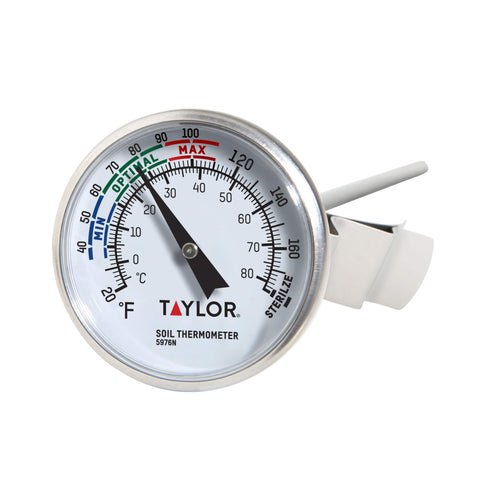
Have you ever wondered how the temperature of your garden’s soil affects the growth of your plants? Knowing the exact warmth beneath the surface can make a huge difference in your gardening success.
A soil thermometer is a simple tool that gives you this important information. But what exactly does it measure, and why should you care? Keep reading to discover how understanding soil temperature can help you grow healthier plants and get the best results from your garden.
Soil Temperature Basics
A soil thermometer measures the heat level inside the soil. It helps gardeners and farmers know the right time to plant seeds.
Soil temperature affects seed germination and root growth. Knowing it helps plants grow strong and healthy.
Why Soil Temperature Matters
Soil temperature controls how fast seeds sprout. It also affects how well plants absorb water and nutrients.
Cold soil can slow plant growth. Warm soil helps roots grow deep and strong. Monitoring soil temperature improves crop success.
Factors Affecting Soil Temperature
Sunlight, air temperature, and soil type all change soil temperature. Different soils heat up and cool down at different rates.
Moisture in the soil also affects temperature. Wet soil stays cooler than dry soil. Covering soil with mulch can keep it warm.
- Amount of sunlight during the day
- Air temperature around the soil
- Soil color and texture
- Soil moisture levels
- Use of mulch or ground cover

Credit: northerngardener.org
How Soil Thermometers Work
A soil thermometer measures the temperature inside the soil. It helps gardeners and farmers know when to plant seeds.
The thermometer has a probe that goes into the ground. It senses heat and shows the temperature on a dial or screen.
Types Of Soil Thermometers
There are different types of soil thermometers. Some use mercury or alcohol. Others use digital sensors.
- Mercury Thermometers:Use mercury in a glass tube to show temperature.
- Alcohol Thermometers:Use colored alcohol for safer reading.
- Digital Thermometers:Use electronic sensors for fast, easy reading.
Measuring Techniques
To measure soil temperature, insert the probe deep enough into the soil. Leave it there for a few minutes.
Check the reading on the dial or screen. Repeat measurements at different spots for accuracy.
- Insert probe 2 to 4 inches deep.
- Wait 2 to 3 minutes for a stable reading.
- Take readings in several places to compare.
Applications Of Soil Temperature Data
Soil thermometers measure the temperature of the soil. This data helps farmers, gardeners, and scientists understand the soil conditions better.
Knowing soil temperature is important for many reasons. It affects plant growth, seed germination, and the activity of soil organisms.
Agricultural Benefits
Farmers use soil temperature to decide the best time to plant crops. Seeds need certain temperatures to sprout well.
Soil temperature helps farmers manage irrigation and protect plants from frost. It also improves crop yield and quality.
- Determines planting and harvesting times
- Helps control irrigation schedules
- Prevents frost damage
- Improves crop growth and health
Gardening And Landscaping
Gardeners check soil temperature to know when to plant flowers and vegetables. Warm soil helps seeds grow faster.
Landscapers use soil temperature to keep plants healthy and choose the right plants for each season.
- Guides planting schedules
- Supports healthy plant growth
- Helps choose seasonal plants
- Improves soil care and maintenance
Environmental Monitoring
Scientists track soil temperature to study climate change and weather patterns. Soil temperature affects soil moisture and ecosystems.
Monitoring soil temperature helps protect the environment and manage natural resources better.
- Tracks climate and weather changes
- Monitors soil moisture levels
- Supports ecosystem health studies
- Helps manage natural resources

Credit: www.amazon.com
Choosing The Right Soil Thermometer
A soil thermometer helps measure the temperature under the soil surface. This information guides planting and growing decisions for gardeners and farmers.
Choosing the right soil thermometer depends on several key factors. These factors ensure you get accurate readings and a tool that lasts.
Accuracy And Range
Accuracy is important for precise soil temperature readings. Check the thermometer’s range to match your climate and planting needs.
- Choose a thermometer with at least ±1°F accuracy.
- Look for a temperature range from 32°F to 212°F (0°C to 100°C).
- Check if the thermometer reads quickly for timely information.
Durability And Design
A soil thermometer should withstand outdoor use and soil moisture. The design affects ease of use and durability.
| Feature | What to Look For |
| Material | Stainless steel or sturdy plastic |
| Probe Length | 6 to 8 inches for deep soil readings |
| Water Resistance | Waterproof or water-resistant design |
| Display | Clear and easy-to-read dial or digital screen |
Budget Considerations
Soil thermometers come in different price ranges. Decide on your budget and balance cost with features and quality.
- Basic models cost less but may have limited accuracy.
- Mid-range thermometers offer better materials and features.
- High-end models provide fast readings and durable build.
- Consider warranties or guarantees for long-term value.
Tips For Accurate Soil Temperature Measurement
Measuring soil temperature is important for planting and growing healthy plants. A soil thermometer helps you check how warm or cold the soil is.
To get correct readings, you need to follow some simple tips. These tips help you avoid mistakes and get the best results.
Proper Placement
Place the soil thermometer at the right depth to measure the temperature accurately. Most plants’ roots grow between 2 and 4 inches deep.
Make sure the thermometer probe touches the soil and is not in air or on rocks. Remove any debris around the spot before placing the thermometer.
- Insert the probe 2 to 4 inches deep
- Choose a spot away from direct sunlight
- Avoid placing near stones or wood
- Clear leaves and debris before measuring
Timing Of Measurement
Measure soil temperature at the same time each day for consistency. Early morning is often best because the soil is coolest and stable.
Check the temperature regularly during planting season. This helps you know when the soil is warm enough for seeds or plants.
- Measure at least once a day
- Choose early morning for stable readings
- Check more often during planting periods
Maintenance And Calibration
Keep your soil thermometer clean and in good condition. Dirt and damage can cause wrong temperature readings.
Calibrate your thermometer regularly by comparing it to a reliable digital thermometer. Adjust or replace if readings differ a lot.
- Clean the probe after each use
- Store in a dry place
- Compare with a trusted thermometer monthly
- Replace if it shows wrong temperatures

Credit: www.amazon.com
Frequently Asked Questions
What Does A Soil Thermometer Measure?
A soil thermometer measures the temperature of the soil at various depths. It helps gardeners and farmers know when to plant seeds or transplant seedlings based on optimal soil warmth.
Why Is Soil Temperature Important For Gardening?
Soil temperature affects seed germination and root development. Knowing it helps ensure plants grow in the best environment, improving crop health and yield.
How Do You Use A Soil Thermometer Correctly?
Insert the probe 2-4 inches deep into moist soil. Wait a few minutes for an accurate reading before recording the temperature.
Can Soil Thermometers Measure Moisture Levels?
No, soil thermometers only measure temperature. For moisture levels, use a separate soil moisture meter designed to detect water content.
Conclusion
A soil thermometer helps you know the exact temperature of the soil. This information guides planting times and crop care. It supports healthy plant growth and better harvests. Using it regularly can improve your gardening success. Simple, clear, and useful—this tool fits every gardener’s needs.
Keep checking soil temperature to make smart garden choices. It’s a small step that makes a big difference.
