
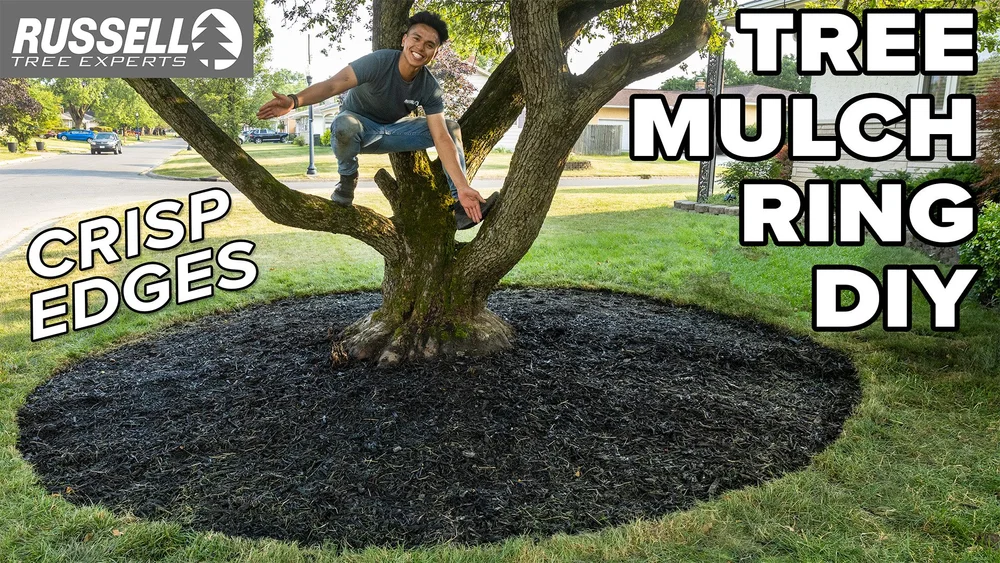
Have you ever struggled to get that perfect, clean edge around your trees? It’s a small detail that can make a huge difference in your yard’s overall look.
When you know how to edge around trees the right way, your landscape instantly looks sharper, healthier, and more inviting. In this guide, you’ll discover simple, effective steps that anyone can follow to create neat edges without damaging your trees.
Ready to transform your yard and impress your neighbors? Let’s dive in and make your trees stand out like never before.
Choosing The Right Tools
Edging around trees helps keep your yard neat and healthy. Picking the right tools makes the job easier and cleaner.
Good tools protect tree roots and save time. Use the right equipment for the best results.
Manual Vs. Powered Edgers
Manual edgers need more effort but give you control near tree roots. They work well in small areas and tight spots.
Powered edgers cut faster and cover large spaces easily. They may risk harming tree roots if not used carefully.
- Manual Edgers:Simple, quiet, low cost, gentle on roots
- Powered Edgers:Fast, require fuel or electricity, heavier
Essential Accessories
Using the right accessories makes edging safer and more effective. Gloves protect your hands from cuts and dirt.
Eye protection stops debris from hurting your eyes. A sturdy rake helps clean up grass clippings and soil.
- Gloves for hand protection
- Safety glasses for eye safety
- Rake for cleanup
- Sturdy shoes for foot support
Preparing The Area
Edging around trees makes your yard look neat and tidy. Before you start, prepare the area well. This helps you work safely and get good results.
Preparation includes clearing debris and marking the edge line clearly. These steps make edging easier and protect your tree roots.
Clearing Debris
Remove leaves, sticks, and grass from around the tree base. This clears space for your edging tool and stops damage to the tree.
Use your hands, a rake, or a blower to clean the area. Check for rocks or hidden objects that might block your work.
- Pick up fallen leaves and twigs
- Rake away loose grass and dirt
- Look for stones or roots near the surface
- Clear at least 12 inches around the tree trunk
Marking The Edge Line
Draw a clear line around the tree to guide your edging. This line shows where to cut and keeps the shape even.
You can use string, spray paint, or a garden hose to mark the edge. Make sure the line is smooth and follows the tree’s shape.
- Use a garden hose to create a curved edge
- Tie string around stakes for a straight line
- Spray paint a visible line on the grass
- Keep the edge at least 6 inches from the trunk
Techniques For Clean Edges
Edging around trees keeps your yard looking neat. Clean edges help separate grass from mulch or soil.
Using the right techniques makes edging easier. It also protects tree roots and bark from damage.
Proper Stance And Grip
Stand with your feet shoulder-width apart. This position gives balance and control while edging.
Hold the edger handle firmly with both hands. Keep your grip steady but not too tight.
- Place one hand near the top for control
- Place the other hand lower for guidance
- Keep your arms relaxed to avoid fatigue
Cutting At The Right Angle
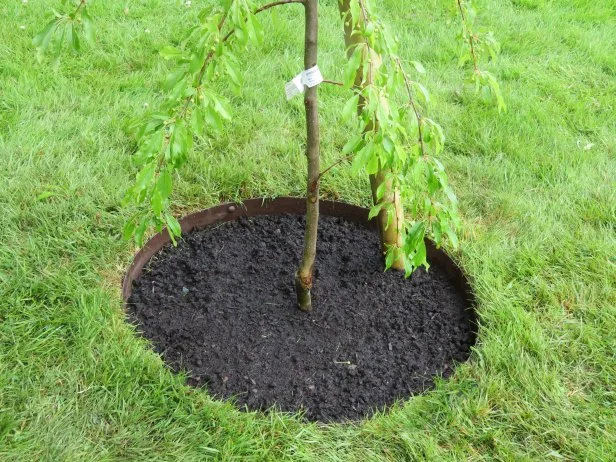
Hold the blade at a 90-degree angle to the ground. This angle cuts clean edges without digging too deep.
Move the edger slowly along the edge. Avoid rushing to keep the line straight and even.
- Keep the blade vertical for sharp edges
- Angle the blade slightly away from the tree trunk
- Stop before reaching the roots to prevent damage
Credit: www.hgtv.com
Working Around Tree Roots
Edging around trees can improve your garden’s look. It also helps protect tree roots from damage. Knowing how roots grow helps you work safely.
Tree roots spread out under the soil. They need air, water, and space to grow well. If you cut or hurt roots, the tree may get sick.
Identifying Root Patterns
Roots grow in different ways depending on the tree. Some roots stay close to the trunk. Others spread far underground. You can see some roots on the soil surface.
- Look for roots that show above the ground near the tree base.
- Check how far roots spread by digging a little around the tree.
- Notice if roots are thick or thin; thick roots are more important to protect.
- Observe the soil type; roots spread wider in loose soil than in clay.
Avoiding Root Damage
Protecting roots keeps trees healthy. Use gentle tools and avoid digging deep near the tree. Keep edging shallow and away from large roots.
| Action | Reason |
| Use hand tools like a hand trowel | Limits soil disturbance and root harm |
| Dig shallow trenches for edging | Prevents cutting deep roots |
| Keep edging at least 12 inches from trunk | Protects root flare and main roots |
| Water tree well after edging | Helps roots recover from any stress |
Maintaining Tree Health
Edging around trees helps keep your landscape tidy. It also protects the tree’s roots and soil.
Proper edging supports tree health by reducing damage and improving water absorption.
Mulching Tips
Mulch keeps soil moist and cool near tree roots. It also stops weeds from growing close to the tree.
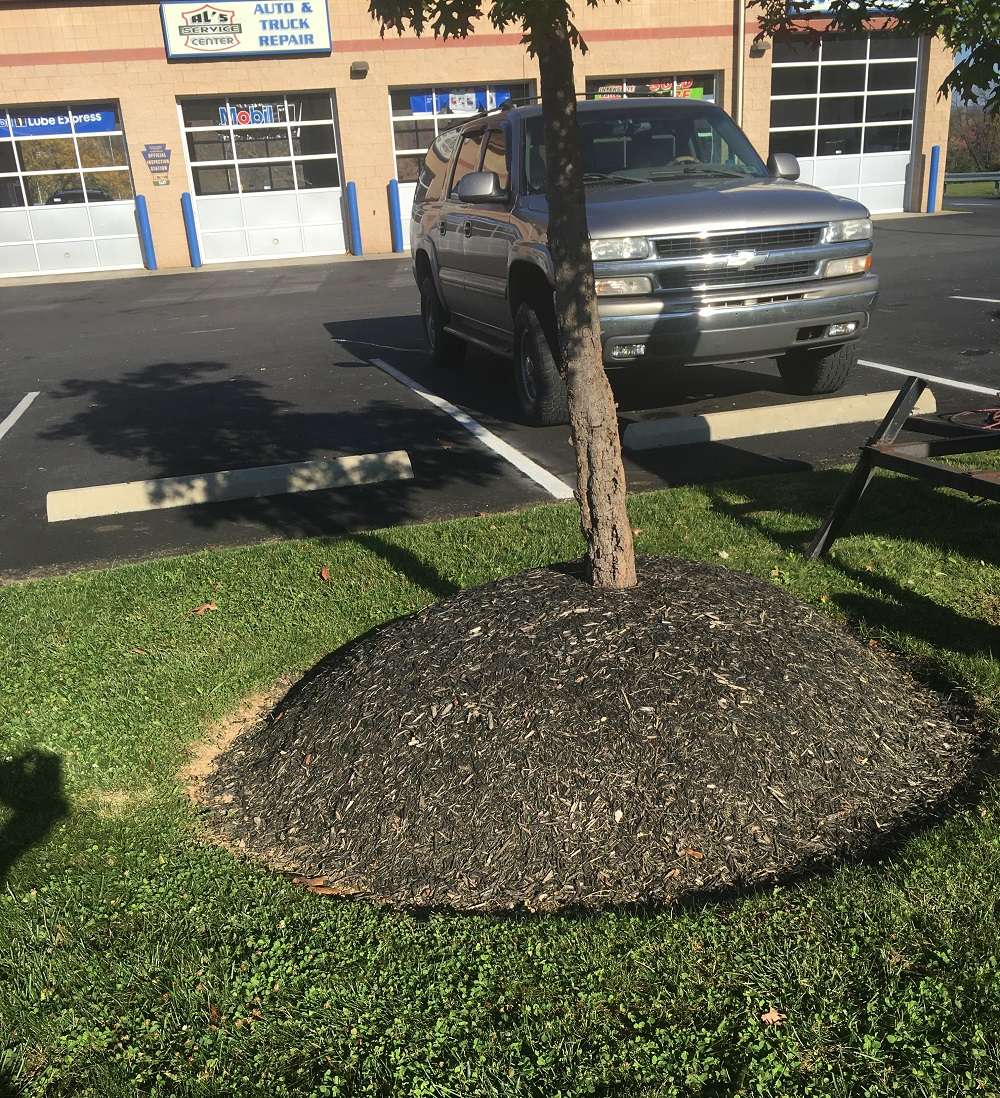
Use organic mulch like wood chips or bark. Spread it evenly around the tree but avoid piling it against the trunk.
- Keep mulch 2-4 inches thick
- Leave a 2-3 inch gap around the trunk
- Refresh mulch each year to maintain thickness
Watering Practices Near Edges
Water trees deeply to reach roots below the soil. Shallow watering only moistens the surface and weakens roots.
Water slowly near the edge of the mulch ring. This helps water soak into the ground without runoff.
- Use drip irrigation or soaker hoses
- Water early in the morning or late evening
- Aim to water 1-2 times a week depending on weather
Credit: www.kingstownelawn.com
Finishing Touches
Edging around trees adds a polished look to your garden. The final steps ensure your work stands out beautifully.
These finishing touches are simple but make a big difference in the overall appearance.
Removing Excess Soil
After edging, there may be extra soil on the ground. It’s important to remove it for a neat look.
- Use a small shovel to scoop up loose soil.
- Dispose of the soil in a compost bin or garden bed.
- Brush away remaining soil with a hand broom.
Cleaning Up Clippings
Grass and plant clippings can scatter during the edging process. Cleaning them up keeps the area tidy.
Routine Edge Maintenance
Maintaining the edges around trees keeps your garden neat. It also protects tree roots from damage.
Regular edging helps control grass and weed growth. It ensures a clear boundary between trees and lawn.
Scheduling Regular Edging
Setting a schedule for edging is important. It keeps your garden looking its best all year round.
- Plan edging every two weeks during the growing season.
- Use a sharp spade or edging tool for clean cuts.
- Check the edges after mowing for touch-ups.
Seasonal Adjustments
Different seasons require different edging strategies. Adjust your routine to match the season’s needs.
| Season | Edging Frequency | Tools Needed |
| Spring | Every 2 weeks | Spade, Edger |
| Summer | Weekly | Edger, Trimmer |
| Fall | Every 3 weeks | Spade |
| Winter | Monthly | Pruning Shears |

Credit: shopping.yahoo.com
Frequently Asked Questions
How Do You Edge Around Trees Without Damaging Roots?
Use a hand edger or spade carefully around the tree base. Avoid cutting deeply near roots to prevent harm. Work slowly and keep a safe distance from the trunk to protect the tree’s health and stability.
What Tools Are Best For Edging Around Trees?
A hand-held edger, half-moon edger, or garden spade works best. These tools allow precise cuts near roots and trunks. Avoid heavy machinery to prevent root damage and ensure clean, controlled edging around the tree.
How Close Should Edging Be To A Tree Trunk?
Maintain at least 6 to 12 inches distance from the trunk. This space protects the bark and root flare from damage. Proper distance also allows water and nutrients to reach the roots effectively.
Can Edging Harm Tree Roots?
Yes, improper edging can injure shallow roots. Cutting roots reduces water and nutrient uptake, stressing the tree. Always edge gently and avoid deep cuts near the root zone to preserve tree health.
Conclusion
Edging around trees keeps your yard neat and healthy. It protects tree roots while giving a clean look. Use the right tools and take your time. Regular edging prevents grass from growing too close to trees. Remember to work gently to avoid hurting the bark.
A well-edged yard shows you care about your trees. Try it this weekend and see the difference. Simple steps make your garden look fresh and tidy. Your trees will thank you for the care.
