

Are you tired of raking piles of leaves every fall? What if you could turn those annoying leaves into useful mulch with just one tool?
Using an electric leaf vacuum is a smart and easy way to clean up your yard and create nutrient-rich mulch for your garden. In this guide, you’ll discover simple steps to mulch leaves quickly and efficiently, saving you time and effort.
Keep reading to find out how you can transform your leaf cleanup routine and give your garden a natural boost.
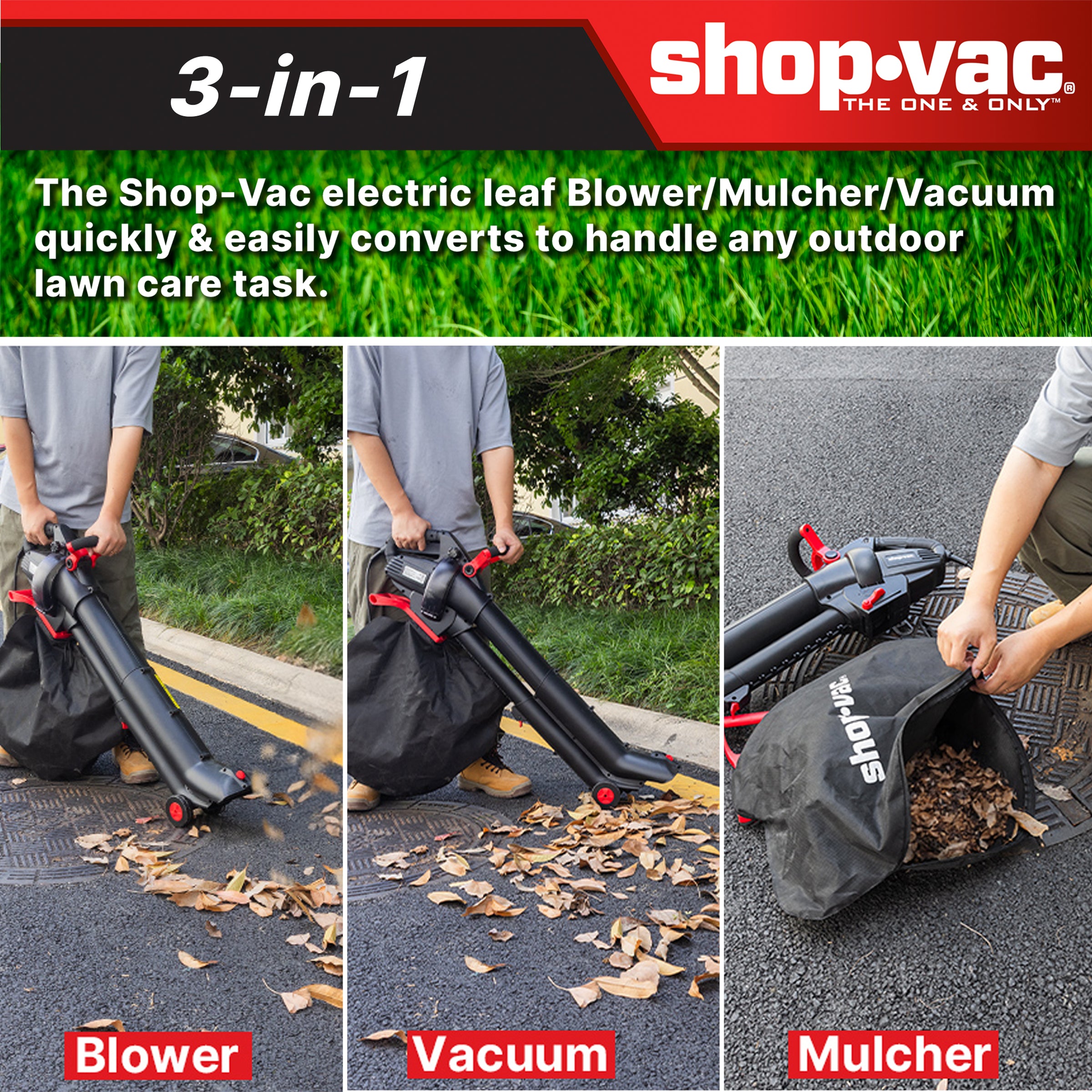
Credit: www.shopvac.com
Choosing The Right Electric Leaf Vacuum
Electric leaf vacuums help clean yards by collecting leaves quickly. Choosing the right one saves time and effort.
Consider the types, features, and power to find a vacuum that fits your needs.
Types Of Leaf Vacuums
Leaf vacuums come in different styles. Each type offers unique benefits for yard work.
- Handheld Vacuums:Light and easy to use. Best for small yards and tight spaces.
- Backpack Vacuums:Worn on the back for comfort. Good for large areas and longer use.
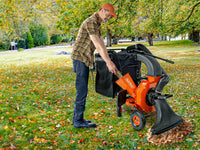
- Walk-Behind Vacuums:Push models with large capacity. Ideal for very big yards or heavy leaf buildup.
Key Features To Consider
Look for features that make the vacuum easier and safer to use. Some features add convenience.
| Feature | Why It Matters |
| Mulching Ability | Reduces leaf volume for easier disposal |
| Adjustable Speed | Helps control suction power |
| Comfortable Handle | Reduces hand strain during use |
| Easy Bag Removal | Saves time when emptying leaves |
| Durable Materials | Increases the vacuum’s lifespan |
Power And Capacity
Consider motor power and bag size to match your yard’s needs. More power means better suction.
- Power:Measured in amps or volts. Choose higher power for heavy leaf piles.
- Bag Capacity:Larger bags hold more leaves. This means fewer stops to empty.
- Weight:Stronger motors may add weight. Balance power with ease of use.
Preparing Leaves For Mulching
Mulching leaves with an electric leaf vacuum helps create rich compost for your garden. Proper preparation of leaves makes the mulching process easier and more effective.
Getting leaves ready involves collecting, sorting, and checking their moisture content. These steps improve the vacuum’s performance and the quality of mulch.
Collecting And Raking Leaves
Start by gathering leaves from your yard using a rake or blower. Focus on dry, loose leaves for easier collection. Avoid mixing in sticks or heavy debris.
- Use a leaf rake to gather leaves into piles
- Clear large sticks and branches from piles
- Work in small sections for better control
- Wear gloves to protect your hands
Sorting Leaves By Type
Sort leaves by their type for better mulching results. Different leaves break down at different speeds. Soft leaves mulch faster than tough ones.
| Leaf Type | Description | Mulching Speed |
| Maple | Large and soft | Fast |
| Oak | Thick and tough | Slow |
| Birch | Thin and light | Fast |
| Pine | Needle-like and acidic | Slow |
Dry Vs. Wet Leaves
Dry leaves work best for mulching with electric vacuums. Wet leaves can clog the machine and slow down mulching. Check leaves before vacuuming.
- Dry leaves are light and easy to shred
- Wet leaves stick together and block the vacuum
- Let wet leaves dry in the sun before mulching
- Store dry leaves in a breathable bag or pile
Operating The Leaf Vacuum Safely
Using an electric leaf vacuum helps clear leaves quickly. It also mulches them for easy disposal. Safety is very important to avoid accidents.
Follow these tips to set up, handle, and use the vacuum safely. Proper care protects you and your equipment.
Setting Up The Equipment
Check the vacuum before use. Make sure all parts fit tightly. Inspect the power cord for damage. Use a grounded outlet to plug in the vacuum.
- Read the user manual carefully.
- Wear gloves and eye protection.
- Clear the area of sticks and stones.
- Keep the vacuum on a flat surface.
- Test the vacuum on a small leaf pile first.
Proper Handling Techniques
Hold the vacuum firmly with both hands. Keep your back straight and feet steady. Do not reach over the nozzle. Move slowly and avoid rushing.
| Do | Don’t |
| Wear safety glasses | Use without protective gear |
| Keep fingers away from the nozzle | Put hands inside the vacuum |
| Turn off before emptying bag | Empty while machine runs |
| Use on dry leaves only | Vacuum wet or heavy debris |
Safety Precautions
Always stay alert while using the leaf vacuum. Do not operate it near children or pets. Avoid wearing loose clothing that can get caught.
- Unplug the vacuum before cleaning or adjusting.
- Keep the power cord away from the nozzle.
- Do not use the vacuum in rain or wet conditions.
- Store the vacuum in a dry place after use.
Credit: superhandyus.com
Maximizing Mulching Efficiency
Mulching leaves with an electric leaf vacuum makes yard work easier. It reduces leaf volume and helps recycle nutrients back to your lawn.
To get the best results, you need to use the vacuum properly. Small adjustments can improve how well your vacuum mulches leaves.
Adjusting Vacuum Settings
Different leaf types and amounts need different vacuum settings. Adjust the suction power to match leaf size and wetness.
Use a lower suction for dry, light leaves. Increase power for wet or heavy leaves to avoid clogging and improve mulching.
- Check the vacuum’s power dial or switch
- Start with low suction and increase as needed
- Turn off the vacuum before changing settings
Optimizing Leaf Intake
Feed leaves slowly into the vacuum to prevent blockages. Avoid gathering large piles at once for smoother intake.
Use a sweeping motion to pick up leaves evenly. This keeps the vacuum running steadily and mulches leaves well.
- Keep the vacuum nozzle close to the ground
- Move at a steady speed to avoid overloading
- Pick leaves from small areas at a time
Clearing Blockages Quickly
Leaf blockages can slow your work and reduce mulching. Check the vacuum often and clear clogs as soon as they appear.
Turn off the vacuum before removing blockages. Use gloves and a stick or tool to clear the leaves safely.
- Switch off power before inspecting the nozzle
- Remove stuck leaves carefully with a tool
- Clean the vacuum bag or container regularly
Using Mulched Leaves Effectively
Mulching leaves with an electric leaf vacuum turns them into small pieces. These pieces break down faster and can help your garden.
Using mulched leaves in smart ways saves money and improves your soil and plants.
Applying Mulch In Garden Beds
Spread mulched leaves over garden beds to keep soil moist and cool. A layer 2 to 3 inches thick works well.
The mulch stops weeds from growing and protects plants from cold weather.
- Apply mulch around flowers and vegetables
- Keep mulch a few inches away from plant stems
- Replenish mulch as it breaks down
Composting Mulched Leaves
Mulched leaves add carbon to compost piles. Mix them with green materials like grass clippings for good balance.
Turn the compost regularly to help leaves break down into rich soil.
- Layer mulched leaves with green waste
- Keep compost moist but not wet
- Turn pile every few weeks
Benefits For Soil Health
Mulched leaves add nutrients as they decompose. They improve soil structure and help roots grow strong.
The mulch also keeps soil from drying out and reduces erosion during rain.
- Improves soil moisture retention
- Adds organic matter to soil
- Protects soil from erosion
- Supports helpful soil organisms
Maintaining Your Leaf Vacuum
Electric leaf vacuums help manage fallen leaves in your yard. Proper maintenance keeps them working well.
Regular care ensures your leaf vacuum lasts longer. Follow these steps to maintain it effectively.
Cleaning After Use
After using your leaf vacuum, clean it thoroughly. This prevents clogs and keeps it running smoothly.
- Empty the bag to remove leaves and debris.
- Wipe the exterior with a damp cloth.
- Check and clean the intake and exhaust vents.
Regular Maintenance Tips
Regular maintenance helps the vacuum perform better. It also reduces the need for repairs.
- Inspect the power cord for wear or damage.
- Tighten any loose screws or bolts.
- Lubricate moving parts if needed.
- Replace worn-out parts promptly.
Troubleshooting Common Issues
Sometimes your leaf vacuum may not work as expected. Troubleshoot common issues to fix them quickly.
- If the vacuum does not start, check the power source.
- For reduced suction, clear any blockages in the hose.
- If there are unusual noises, inspect for loose parts.
Credit: www.craftsman.com
Frequently Asked Questions
How Do You Mulch Leaves With An Electric Leaf Vacuum?
To mulch leaves, first attach the mulching bag to the electric leaf vacuum. Vacuum the leaves, and the machine shreds them into fine mulch. Collect the mulch for garden use or composting, reducing leaf volume and enriching soil naturally.
Can Electric Leaf Vacuums Handle Wet Leaves?
Most electric leaf vacuums work best with dry leaves. Wet leaves can clog the machine and reduce mulching efficiency. Always check your model’s instructions for wet leaf use and avoid vacuuming wet leaves when possible to maintain performance.
What Safety Tips Should I Follow Using Electric Leaf Vacuums?
Wear protective gear like gloves and goggles. Avoid loose clothing near the vacuum. Keep the vacuum away from children and pets. Always unplug the device before clearing jams or performing maintenance to ensure safe operation.
How Often Should I Mulch Leaves In My Yard?
Mulch leaves weekly during fall to prevent buildup. Regular mulching keeps your yard tidy and prevents leaves from smothering grass. Adjust frequency based on leaf fall intensity and yard size for best results.
Conclusion
Mulching leaves with an electric leaf vacuum saves time and effort. It reduces waste and helps your garden stay healthy. Small leaf pieces break down faster, adding nutrients to the soil. Keep your vacuum clean and sharp for the best results.
Regular use makes yard work easier each season. Try this simple method to keep your lawn neat and green. Your garden will thank you for it.
