
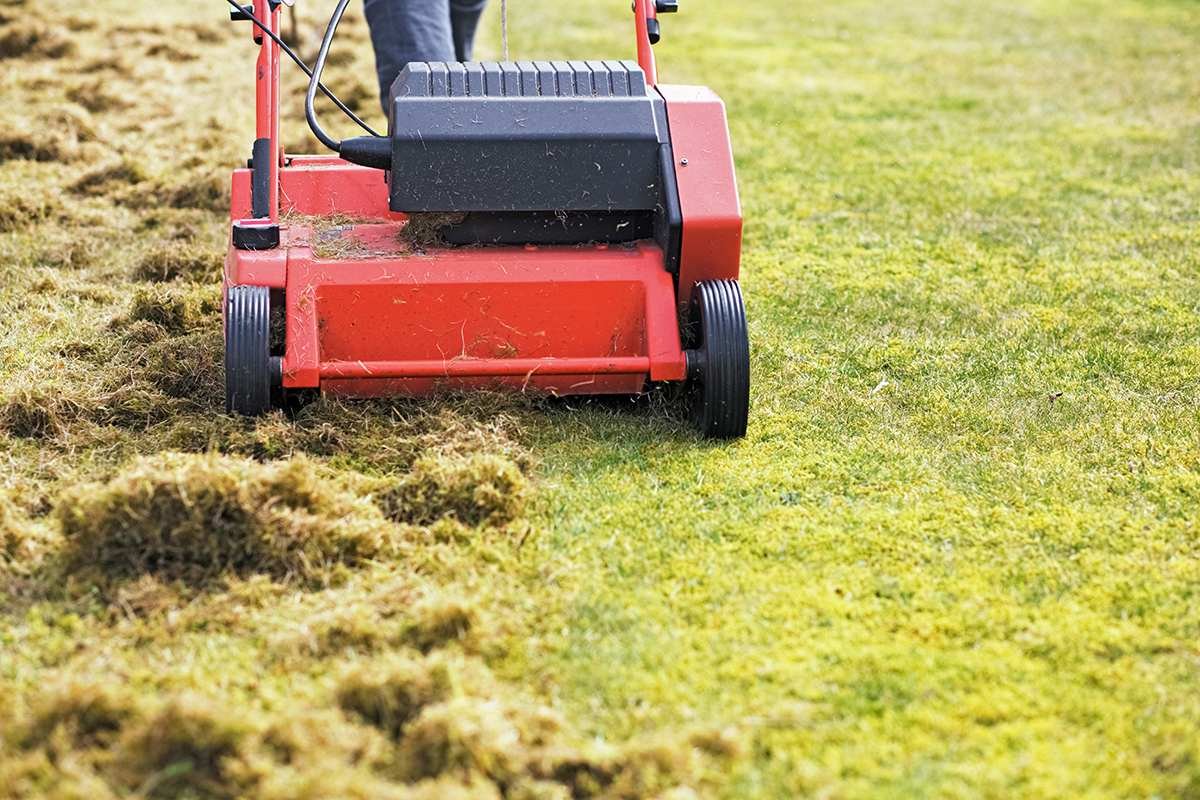
Have you ever noticed a thick layer of dead grass and debris sitting on top of your lawn? This buildup can stop water, air, and nutrients from reaching your grass roots, making your lawn look unhealthy and weak.
That’s where lawn dethatching comes in. But what exactly is lawn dethatching, and why should you care about it? You’ll discover how dethatching can breathe new life into your lawn, helping it grow greener, thicker, and stronger. Keep reading to learn how this simple lawn care step can transform your outdoor space.
Credit: landdesignsbycolton.com
Lawn Dethatching Basics
Lawn dethatching removes thick layers of dead grass and roots. This helps air, water, and nutrients reach the soil. A healthy lawn grows better after dethatching.
Dethatching is a simple process but must be done at the right time. Knowing when and why to dethatch keeps your grass green and strong.
What Causes Thatch
Thatch builds up when grass grows faster than it decomposes. Some causes include:
- Overwatering the lawn
- Frequent use of fertilizers
- Grass types that produce a lot of stems and roots
- Soil that does not break down organic matter well
- Low soil microorganism activity
Signs Your Lawn Needs Dethatching
Look for these signs to know if your lawn needs dethatching:
| Sign | Description |
| Spongy Feel | The lawn feels soft when you walk on it. |
| Grass Thinness | Grass looks thin or patchy in spots. |
| Water Runoff | Water pools on the surface instead of soaking in. |
| Weed Growth | More weeds start growing between grass blades. |
| Thick Brown Layer | A dense brown layer sits on top of the soil. |
Tools For Dethatching
Dethatching removes dead grass and roots from your lawn. It helps the grass grow better by letting air and water reach the soil.
Using the right tools makes dethatching easier and more effective. There are manual and power tools to choose from.
Manual Rakes
Manual rakes have sharp blades that pull up thatch as you rake. They need more effort but work well for small lawns.
- Easy to use without fuel or electricity
- Good for light dethatching jobs
- Affordable and simple to maintain
- Require physical strength and time
Power Dethatchers
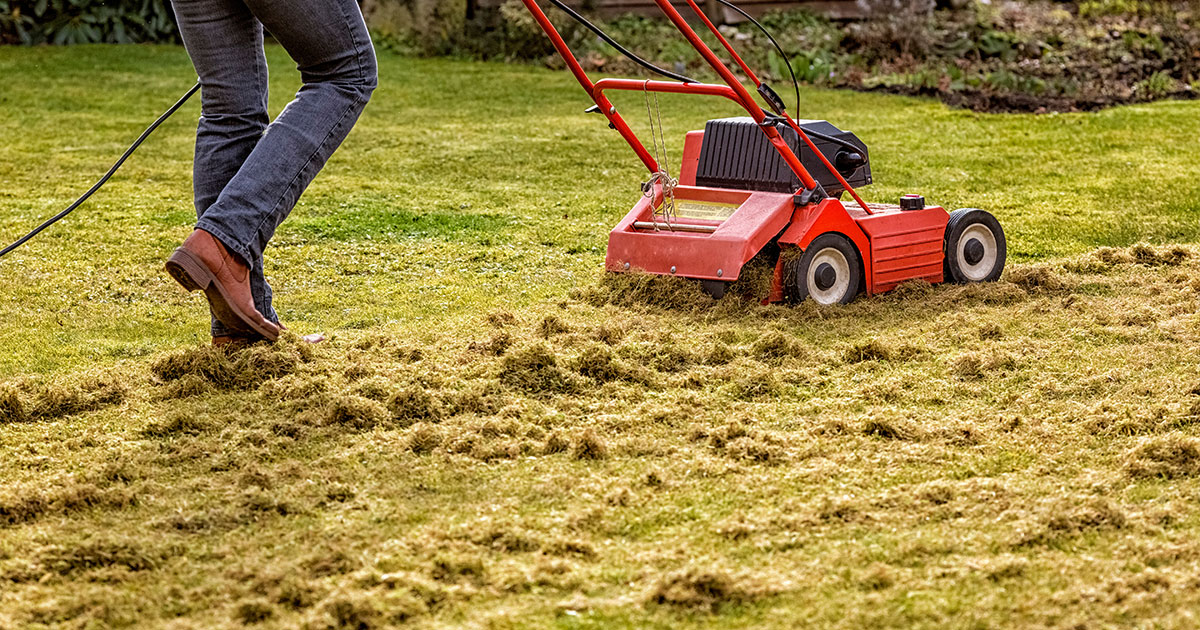
Power dethatchers use blades or tines powered by gas or electricity. They remove thatch faster and cover larger areas.
| Type | Power Source | Best For |
| Gas Dethatcher | Gas engine | Large lawns and heavy thatch |
| Electric Dethatcher | Electric motor | Small to medium lawns, lighter thatch |
Choosing The Right Tool
Pick a tool based on lawn size and thatch amount. Manual rakes suit small areas. Power dethatchers save time on big lawns.
- For small lawns, use a manual rake
- For medium to large lawns, consider power dethatchers
- Check your physical ability before choosing manual tools
- Power tools need fuel or electricity and more maintenance
When To Dethatch
Dethatching is important to keep your lawn healthy. It removes thick layers of dead grass and roots that block water and nutrients.
Choosing the right time to dethatch helps your grass grow back quickly and strong. This depends on the season and the type of grass you have.
Seasonal Timing
The best time to dethatch depends on the growing season of your grass. Doing it at the wrong time can stress your lawn.
Dethatch during the active growth period. This allows the grass to recover fast after the process.
- For cool-season grasses, dethatch in early spring or early fall.
- For warm-season grasses, dethatch in late spring to early summer.
- Avoid dethatching during extreme heat or cold.
Grass Type Considerations
Different grass types need dethatching at different times. Knowing your grass type helps you plan the best timing.
Cool-season grasses grow best in cooler months. Warm-season grasses grow in warmer months. Dethatch when your grass is growing strong.
- Cool-season grasses: Kentucky bluegrass, fescue, ryegrass
- Warm-season grasses: Bermuda, zoysia, St. Augustine
- Check if your grass looks thick and spongy before dethatching.
Step-by-step Dethatching Process
Dethatching removes thick layers of dead grass from your lawn. This helps air, water, and nutrients reach the soil better. It keeps your lawn healthy and green.
The dethatching process has a few simple steps. Follow these to give your lawn a fresh start.
Preparing Your Lawn
Start by mowing your lawn short. This makes dethatching easier. Remove any large sticks or debris from the grass.
Water your lawn lightly a day before dethatching. The soil should be moist but not wet. This helps the dethatcher work well without damaging the grass.
- Mow the grass to about 1-2 inches
- Clear away leaves, sticks, and rocks
- Water the lawn lightly a day before
Dethatching Techniques
You can dethatch your lawn by hand or with a machine. Use a dethatching rake for small areas. For large lawns, rent a power dethatcher.
Work in straight lines across the lawn. Overlap each pass slightly to remove all thatch. Avoid going too deep to protect grass roots.
- Use a dethatching rake or power dethatcher
- Move in straight, overlapping lines
- Do not remove more than half the thatch layer
Aftercare Tips
After dethatching, rake up all the debris and remove it. This keeps the lawn clean and ready to grow. Water the lawn well to help it recover.
Apply a lawn fertilizer to support new growth. Avoid heavy foot traffic on the lawn for a few days. This lets the grass heal and grow strong.
- Rake and remove all loosened thatch
- Water the lawn deeply after dethatching
- Fertilize to encourage healthy growth
- Limit walking on the lawn for several days
Benefits Of Lawn Dethatching
Lawn dethatching removes the thick layer of dead grass and roots. This layer can stop air and water from reaching the soil.
Removing this layer helps your lawn stay healthy and green. It lets the grass grow strong and fight off problems.
Improved Airflow And Nutrient Absorption
Dethatching opens the soil so air can move freely. This helps roots get oxygen. It also allows water and nutrients to soak deeper.
- Better oxygen flow to roots
- Easier water penetration
- Faster nutrient absorption
- Healthier soil environment
Enhanced Grass Growth
When the lawn is dethatched, grass blades grow thicker and stronger. The roots get more space to expand underground.
| Before Dethatching | After Dethatching |
| Thin grass coverage | Thicker grass coverage |
| Weak roots | Strong roots |
| Poor soil contact | Good soil contact |
| Slow growth | Fast growth |
Pest And Disease Prevention
Thatch can trap moisture and create a home for pests and fungi. Removing it lowers these risks.
- Reduces insect hiding spots
- Lowers fungal growth
- Improves lawn drainage
- Helps grass resist damage
Common Mistakes To Avoid
Lawn dethatching is important for a healthy yard. But, mistakes can harm your grass.
Learn how to avoid common errors for a lush, green lawn.
Over-dethatching
Over-dethatching removes too much thatch, weakening your lawn. It can lead to grass damage and poor growth.
- Only dethatch once a year.
- Check thatch layer before starting.
- Use proper equipment.
Ignoring Lawn Health Signals
Lawn health signals tell you what your grass needs. Ignoring them can worsen problems.
Look for these signs:
- Yellowing grass
- Thin patches
- Increased weeds
Alternative Lawn Care Practices
Maintaining a healthy lawn requires more than just mowing. Alternative lawn care practices can improve your lawn’s health and appearance. Let’s explore some effective methods.
These practices can make your lawn lush and green without needing harsh chemicals. Learn how to care for your lawn naturally.
Core Aeration
Core aeration involves removing small plugs of soil from your lawn. This helps nutrients, water, and air reach the roots. It promotes healthy growth and reduces soil compaction.
| Benefit | Description |
| Improves air exchange | Allows air to reach root zone |
| Enhances water absorption | Water penetrates deeper into soil |
| Boosts nutrient uptake | Roots absorb more nutrients |
Top Dressing
Top dressing involves spreading a thin layer of compost over your lawn. It improves soil quality and adds organic matter. This practice supports healthy grass growth.
Top dressing is best done in early spring or fall. Use a mix of sand, soil, and compost for best results.
Proper Mowing And Watering
Mowing your lawn correctly can make a big difference. Set your mower blade high to keep grass longer. This provides shade to soil, reducing water evaporation.
- Water early in the morning
- Water deeply but less frequently
- Adjust mowing height based on season
Proper watering ensures the roots grow deep and strong. Avoid watering late in the day to prevent fungus growth.

Credit: www.youtube.com

Credit: forestgrovenewstimes.com
Frequently Asked Questions
What Is Lawn Dethatching And Why Is It Important?
Lawn dethatching removes the thick layer of dead grass and roots. It improves air, water, and nutrient flow to the soil. This promotes healthier grass growth and prevents lawn diseases caused by excessive thatch buildup.
How Often Should You Dethatch Your Lawn?
Most lawns benefit from dethatching once every 1 to 3 years. The frequency depends on grass type, soil condition, and thatch thickness. Regular inspection helps determine the best time to dethatch for optimal lawn health.
What Tools Are Used For Lawn Dethatching?
Common tools include dethatching rakes, power dethatchers, and lawn scarifiers. Manual rakes are ideal for small lawns, while power tools suit larger areas. Proper tool choice ensures effective thatch removal without damaging grass roots.
When Is The Best Time To Dethatch Your Lawn?
Early spring or early fall is ideal for dethatching. These seasons allow grass to recover quickly due to moderate temperatures and adequate rainfall. Avoid dethatching during extreme heat or drought to prevent stress on the lawn.
Conclusion
Lawn dethatching helps your grass grow strong and healthy. It removes dead layers that block water and air. Your lawn looks greener and feels softer after dethatching. Doing this task at the right time is important. Keep your lawn clean and well-maintained for best results.
Dethatching is simple but makes a big difference. Give your grass the care it needs to thrive. A healthy lawn brings beauty and comfort to your yard.
