
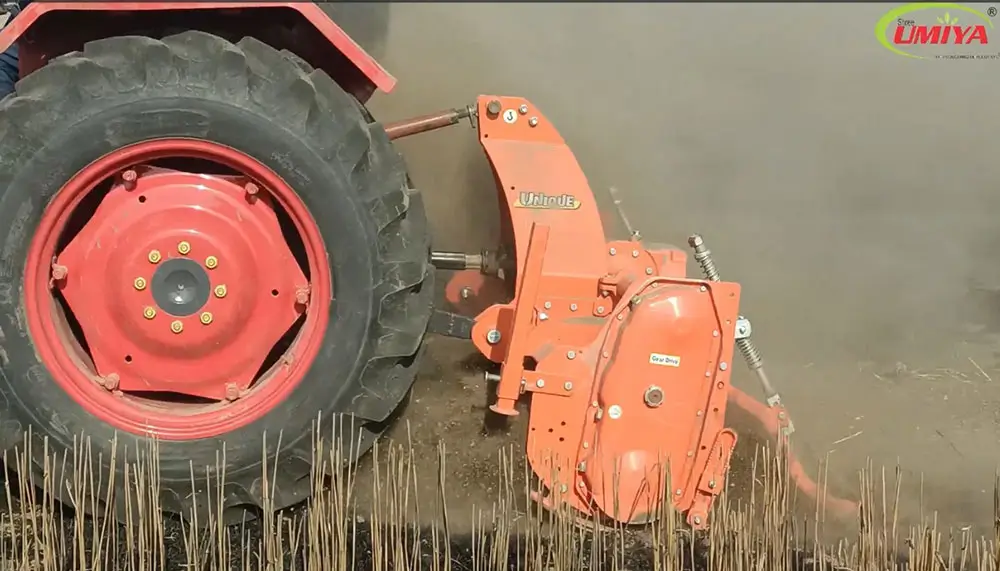
Using a garden tiller can make your gardening tasks much easier and faster. But if you’re not careful, it can also be dangerous.
You want to protect yourself and your loved ones while getting the best results from your tiller. You’ll discover simple yet effective tips to use your garden tiller safely every time. Keep reading to learn how to avoid common mistakes and stay injury-free while working in your garden.
Your safety is worth it!
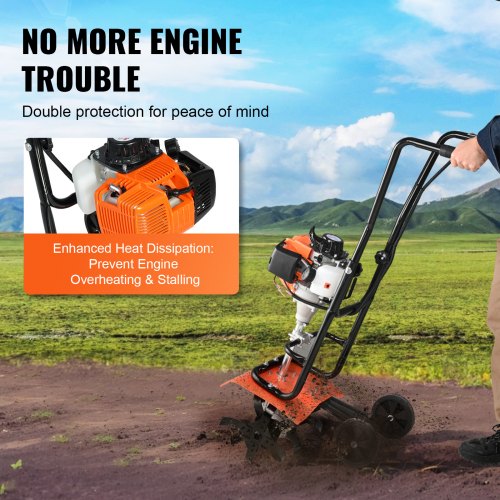
Credit: www.vevor.com
Choosing The Right Tiller
Using a garden tiller can make soil preparation easier and faster. Picking the right tiller helps keep your garden safe and healthy.
Different tillers suit different garden sizes and soil types. Knowing which one fits your needs improves your gardening work.
Types Of Garden Tillers
There are several types of garden tillers. Each type works well for specific tasks and soil conditions.
- Rotary Tillers:Use rotating blades to break up soil deeply.
- Cultivators:Smaller tools for light soil mixing and weed control.
- Front-tine Tillers:Have blades in front that dig into the soil.
- Rear-tine Tillers:Have blades at the back for powerful soil turning.
- Electric Tillers:Lightweight and good for small gardens.
- Gas Tillers:Stronger machines for larger gardens or tough soil.
Matching Tiller Size To Garden Needs
Choose a tiller size based on your garden area and soil hardness. Small tillers work well in tight spaces.
Larger tillers handle big gardens and hard soil better. Using the right size reduces effort and risk of injury.
- Small Gardens (up to 500 sq ft):Use electric or small gas tillers.
- Medium Gardens (500 to 1500 sq ft):Choose front-tine or medium rear-tine tillers.
- Large Gardens (over 1500 sq ft):Use heavy-duty rear-tine tillers for best results.
Credit: superhandyus.com
Pre-use Inspection
Inspecting your garden tiller before use keeps you safe and protects the tool. It helps find problems early and prevents accidents.
Take time to check key parts before starting the tiller. This guide covers damage, fuel, and blade condition.
Checking For Damage And Wear
Look over the tiller’s frame and handles. Check for cracks, rust, or loose parts. Tighten any screws or bolts you find loose.
- Inspect the wheels for cracks or flat spots
- Check cables and controls for frays or breaks
- Look for fuel leaks around the engine
- Ensure guards and shields are intact and secure
Fuel And Oil Levels
Check the fuel tank before each use. Use fresh fuel that matches the tiller’s requirements. Avoid stale or dirty gasoline.
| Item | What to Check | Why It Matters |
|---|---|---|
| Fuel Level | Fill to the correct mark without overfilling | Prevents engine flooding or stalling |
| Oil Level | Use the dipstick to check and add oil if low | Protects engine from damage and wear |
| Fuel Quality | Use fresh, clean fuel only | Ensures smooth engine operation |
Blade And Tine Condition
Examine the blades and tines before starting. Look for bent, broken, or dull blades. Sharp blades work better and are safer.
Replace or sharpen damaged blades right away. Clean any dirt or debris from the tines to keep them running smoothly.
Protective Gear Essentials
Using a garden tiller can be tough and risky. Wearing the right protective gear keeps you safe.
This gear protects your hands, eyes, ears, feet, and body from injuries and dust.
Gloves And Footwear
Wear strong gloves to protect your hands from cuts and blisters. Gloves also stop dirt from hurting your skin.
Choose boots with good grip and steel toes. They protect your feet from sharp objects and heavy parts.
- Thick leather or heavy-duty gloves
- Waterproof work boots with non-slip soles
- Steel toe boots for extra foot safety
Eye And Ear Protection
Wear safety goggles to keep dust and debris out of your eyes. This prevents irritation and injury.
Use ear plugs or ear muffs to protect your ears from loud noise. This helps avoid hearing damage.
- Clear safety goggles or glasses
- Noise-canceling ear plugs
- Over-ear noise muffs for long use
Appropriate Clothing
Wear long sleeves and pants to protect your skin from cuts and sunburn. Avoid loose clothes that can get caught.
Choose breathable fabrics to stay cool. Close-fitting clothes reduce the risk of getting caught in the tiller.
- Long-sleeve shirts and long pants
- Fitted clothing without loose ends
- Breathable, lightweight fabrics
Safe Operating Practices
Using a garden tiller safely protects you and others. Knowing the right way to handle the machine helps avoid accidents.
Follow clear steps to start, control, and move the tiller. Stay alert to your surroundings at all times.
Starting The Tiller Correctly
Before starting, check the tiller for damage or loose parts. Make sure the area is clear of people and pets.
- Read the owner’s manual carefully
- Wear safety gear like gloves and boots
- Place the tiller on firm ground
- Set the throttle to a low speed
- Start the engine according to the manual
Maintaining A Firm Grip
Hold the tiller handles tightly with both hands. Keep your arms slightly bent and your feet stable.
| Grip Tips | Reason |
| Use both hands | Better control and balance |
| Keep hands dry | Prevent slipping |
| Stand with feet shoulder-width apart | Improves stability |
| Do not overreach | Reduces risk of losing balance |
Controlling Speed And Direction
Move the tiller slowly and steadily. Avoid sudden turns or speed changes to keep control.
- Start at low speed
- Increase speed only when comfortable
- Use handles to guide direction gently
- Stop the tiller if it feels hard to control
- Keep clear of slopes and uneven ground
Avoiding Obstacles
Look around for rocks, roots, and wires before tilling. Remove or mark obstacles to avoid damage and injury.
Handling Common Hazards
Using a garden tiller can make soil work easier and faster. Still, it is important to handle it safely to avoid accidents.
Many hazards come with tiller use. Knowing how to handle these risks helps keep you safe in the garden.
Dealing With Hard Or Rocky Soil
Hard or rocky soil can stop your tiller or cause damage. Check the area first and remove large rocks by hand.
Use the tiller at a slow speed to avoid strain. If the soil is too hard, water it the day before to soften it.
- Clear rocks and debris before tilling
- Run the tiller slowly in tough soil
- Water dry, hard soil to soften it
Preventing Kickback
Kickback happens when the tiller suddenly jerks back. It can cause injury if you lose control.
Keep a firm grip on the handles and stand in a stable position. Avoid hitting rocks or roots that can cause sudden stops.
- Hold the tiller handles tightly at all times
- Stand with feet shoulder-width apart for balance
- Watch for rocks or roots and avoid them
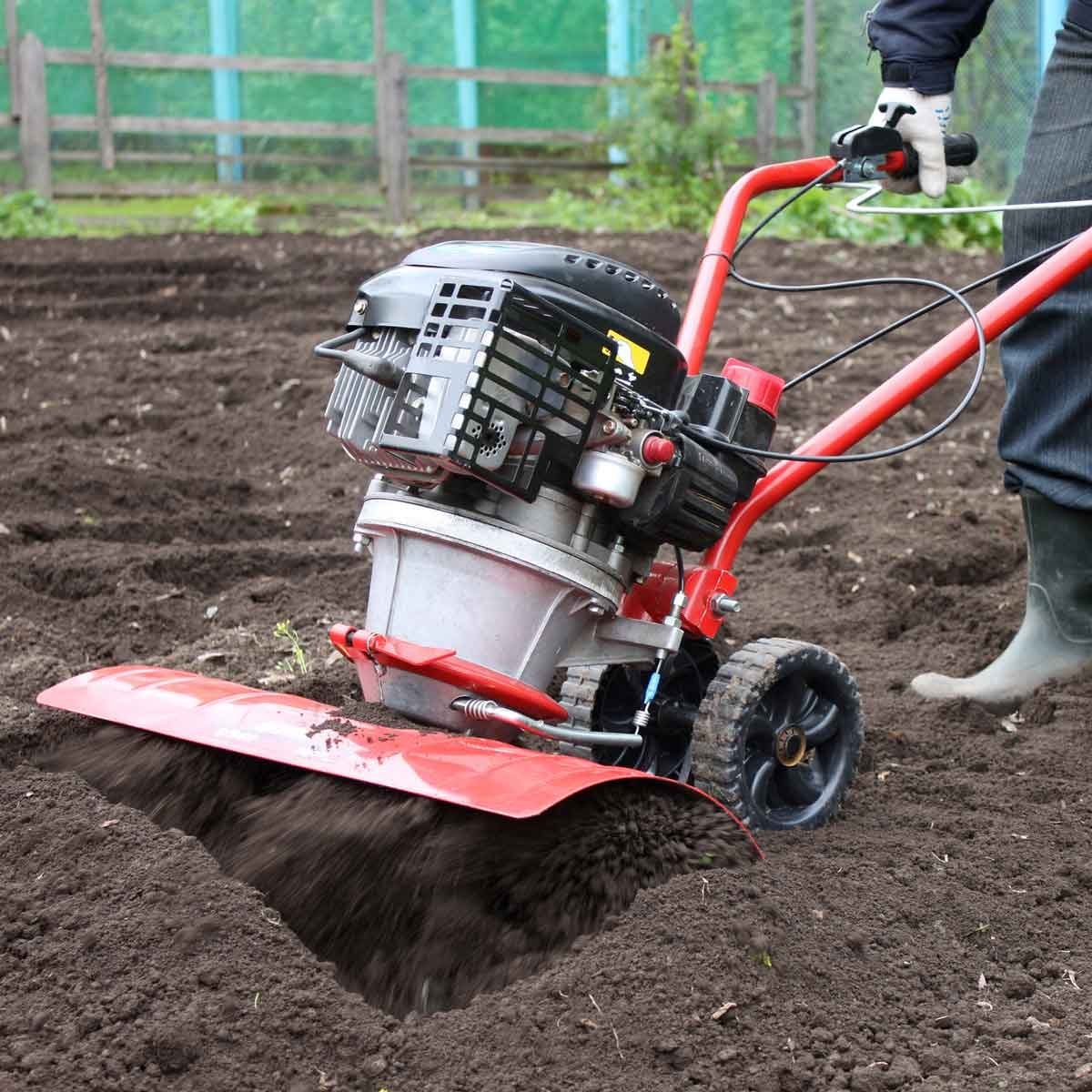
Working On Slopes Safely
Slopes can make tilling tricky. The tiller can slip or tip if you are not careful.
Work across the slope, not up and down. This helps keep the tiller stable and reduces the risk of falling.
- Always till across the slope, not up or down
- Keep your footing secure and wear good shoes
- Do not rush; take your time on slopes
Credit: www.familyhandyman.com
Maintenance And Storage
Maintaining your garden tiller ensures it works well and lasts longer. Proper storage keeps it safe and ready for use.
Follow these simple tips for cleaning, maintaining, and storing your garden tiller safely.
Cleaning After Use
Clean your tiller after each use to prevent dirt buildup. This helps avoid rust and keeps the machine running smoothly.
- Brush off soil and debris from blades and wheels.
- Wipe the tiller with a damp cloth to remove dirt.
- Check for any tangled weeds or grass.
Regular Maintenance Checks
Regular checks help identify problems early. This prevents bigger issues later and keeps your tiller in top shape.
| Check Item | Frequency |
| Oil level | Before every use |
| Blade sharpness | Monthly |
| Tire pressure | Weekly |
Safe Storage Tips
Store your tiller properly to protect it from weather damage. This ensures it’s ready for the next gardening season.
Keep the tiller in a dry, sheltered place. Use a cover if available. Disconnect spark plugs for safety during long storage periods.
Emergency Procedures
Using a garden tiller requires attention to safety. Knowing how to respond in an emergency can prevent injuries. Here are key tips for handling urgent situations.
Shutting Off The Tiller Quickly
It is important to know how to turn off the tiller swiftly if something goes wrong. Locate the power switch before you start using the tiller.
- Identify the kill switch or power button.
- Keep the area around the power switch clear.
- Practice reaching the switch quickly.
First Aid For Common Injuries
If an injury occurs, knowing basic first aid can be crucial. Here are common injuries and how to manage them.
| Injury Type | First Aid Action |
| Cut or Scrape | Clean with water and apply a bandage. |
| Bruise | Apply ice to reduce swelling. |
| Strain | Rest and apply a cold compress. |
When To Seek Professional Help
Some injuries require professional medical attention. Knowing when to seek help is essential for safety.
If bleeding does not stop, or if there is severe pain, call a healthcare provider. Any head injury should be evaluated by a professional.
Frequently Asked Questions
What Safety Gear Should I Wear When Using A Garden Tiller?
Always wear sturdy gloves, closed-toe shoes, safety goggles, and ear protection. These protect your hands, feet, eyes, and ears from debris and noise. Proper gear reduces injury risks and ensures a safer tilling experience.
How Do I Prepare The Soil Before Tilling Safely?
Remove rocks, sticks, and large debris before tilling. Check for underground utilities and mark them clearly. Clear soil prevents damage to the tiller and reduces accident risks during operation.
What Is The Proper Way To Start A Garden Tiller?
Start the tiller on a flat surface with the throttle low. Hold it firmly and avoid sudden throttle increases. This ensures controlled operation and minimizes the chance of losing balance or control.
How Can I Avoid Injuries While Operating A Garden Tiller?
Maintain a firm grip and stable stance. Keep hands and feet away from moving parts. Follow manufacturer guidelines strictly. Staying alert and cautious helps prevent common tiller-related injuries.
Conclusion
Safe use of your garden tiller protects you and your plants. Always wear gloves and sturdy shoes. Keep children and pets away while working. Check the tiller for damage before starting. Work slowly and stay alert to avoid accidents. Clean and maintain the tiller after each use.
Following these simple steps keeps your garden healthy and you safe. Enjoy your gardening with confidence and care. Safety first, every time you till.

