
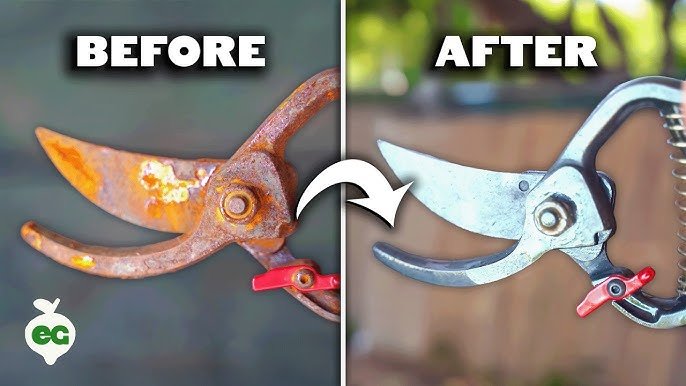
You’ve just finished trimming your garden or clearing some branches, and your loppers have done their job well. But what comes next?
Cleaning your loppers right after use is key to keeping them sharp, rust-free, and ready for your next project. If you skip this simple step, your tools can quickly wear out or become difficult to use. You’ll discover easy, effective ways to clean your loppers and protect your investment.
Keep reading to learn how a little care goes a long way in making your gardening easier and more enjoyable.
Why Clean Loppers Matters
Cleaning loppers after each use keeps them in good shape. It helps the tool work better and last longer.
Dirty loppers can stop cutting well and may break sooner. Cleaning stops these problems.
Prevent Rust And Corrosion
Moisture and dirt cause rust on loppers. Rust makes the blades weak and hard to use.
Wiping and drying loppers after use removes wetness and dirt. This keeps rust away.
- Use a dry cloth to wipe blades and handles
- Apply light oil to metal parts to stop rust
- Store loppers in a dry place
Maintain Cutting Efficiency
Dirty blades cut less cleanly and need more effort. Sap and dirt dull the edges quickly.
Cleaning removes sticky sap and dirt. This keeps the blades sharp and cuts smooth.
- Use warm soapy water to clean blades
- Remove sap with rubbing alcohol or a scraper
- Dry blades fully before storing
Extend Tool Lifespan
Regular cleaning lowers wear and tear on loppers. This helps the tool last many years.
Keeping loppers clean and dry stops damage. It saves money by avoiding early replacements.
- Clean after every use
- Check for damage while cleaning
- Store properly to avoid moisture and dirt

Credit: www.youtube.com
Essential Cleaning Tools
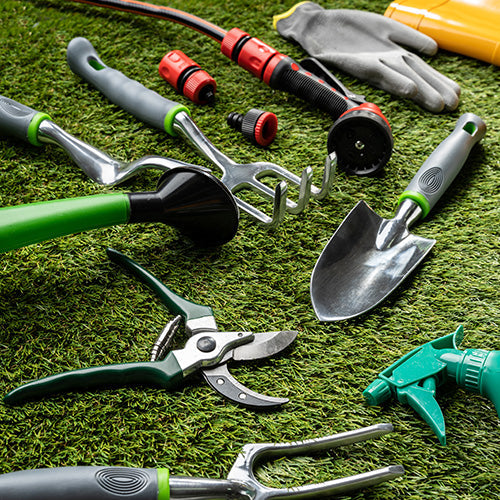
Cleaning your loppers after use keeps them sharp and long-lasting. Using the right tools makes the job easier and more effective.
Here are the key cleaning tools you need to maintain your loppers properly.
Soft Cloths And Brushes
Soft cloths help remove dirt and sap without scratching the blades. Brushes reach into hard spots to clear debris.
- Use a microfiber cloth to wipe the blades.
- A small brush cleans joints and teeth well.
- Old toothbrushes work great for tight spaces.
Mild Detergents And Solvents
Mild detergents remove sticky sap and dirt without harming the metal. Solvents break down stubborn residues quickly.
| Cleaning Agent | Purpose |
| Dish Soap | Removes dirt and light sap |
| Rubbing Alcohol | Dissolves sticky sap and resin |
| White Vinegar | Clears rust spots and stains |
Lubricants And Rust Preventatives
Lubricants keep the lopper joints moving smoothly. Rust preventatives protect metal parts from corrosion.
- Apply light oil to the pivot points after cleaning.
- Use a rust-preventive spray to coat the blades.
- Store loppers in a dry place to avoid rust.
Step-by-step Cleaning Process
Cleaning your loppers after each use keeps them working well. It also helps them last longer. Follow these simple steps to clean your loppers properly.
Use the right tools and take your time. This will make sure your loppers stay sharp and rust-free.
Remove Debris And Sap
Start by clearing away all dirt and plant material. Use a brush or cloth to clean the blades and handles.
Sap can be sticky and hard to remove. Try using rubbing alcohol or soapy water to get rid of it.
- Use a stiff brush to remove mud and leaves.
- Wipe blades with a cloth soaked in rubbing alcohol.
- For tough sap, apply soapy water and scrub gently.
- Dry the parts after cleaning sap to avoid stickiness.
Wash And Dry Thoroughly
Rinse the loppers with clean water to remove soap and dirt. Avoid soaking metal parts too long.
Dry every part carefully. Use a dry cloth and air dry if possible. This stops rust from forming on metal parts.
- Rinse loppers under running water.
- Use a cloth to wipe off excess water.
- Leave loppers in a dry, open space to air dry.
- Check for wet spots and dry them again if needed.
Sharpen Blades If Needed
Check the blades for dullness after cleaning. Sharp blades make cutting easier and safer.
Use a sharpening tool like a file or sharpening stone. Follow the blade’s angle to keep the edge strong.
- Hold the blade steady and file in one direction.
- Keep a consistent angle, usually 20-30 degrees.
- Sharpen both blades if your lopper has two cutting edges.
- Test the sharpness by cutting a small branch.
Credit: mr-fothergills.co.uk
Lubrication And Storage Tips
Cleaning loppers after use is important to keep them working well. Proper lubrication and storage help protect your tool. This guide covers easy ways to care for your loppers.
After cleaning, oiling the moving parts and storing the loppers correctly will make them last longer. Follow these simple tips to maintain your tool.
Apply Oil To Moving Parts
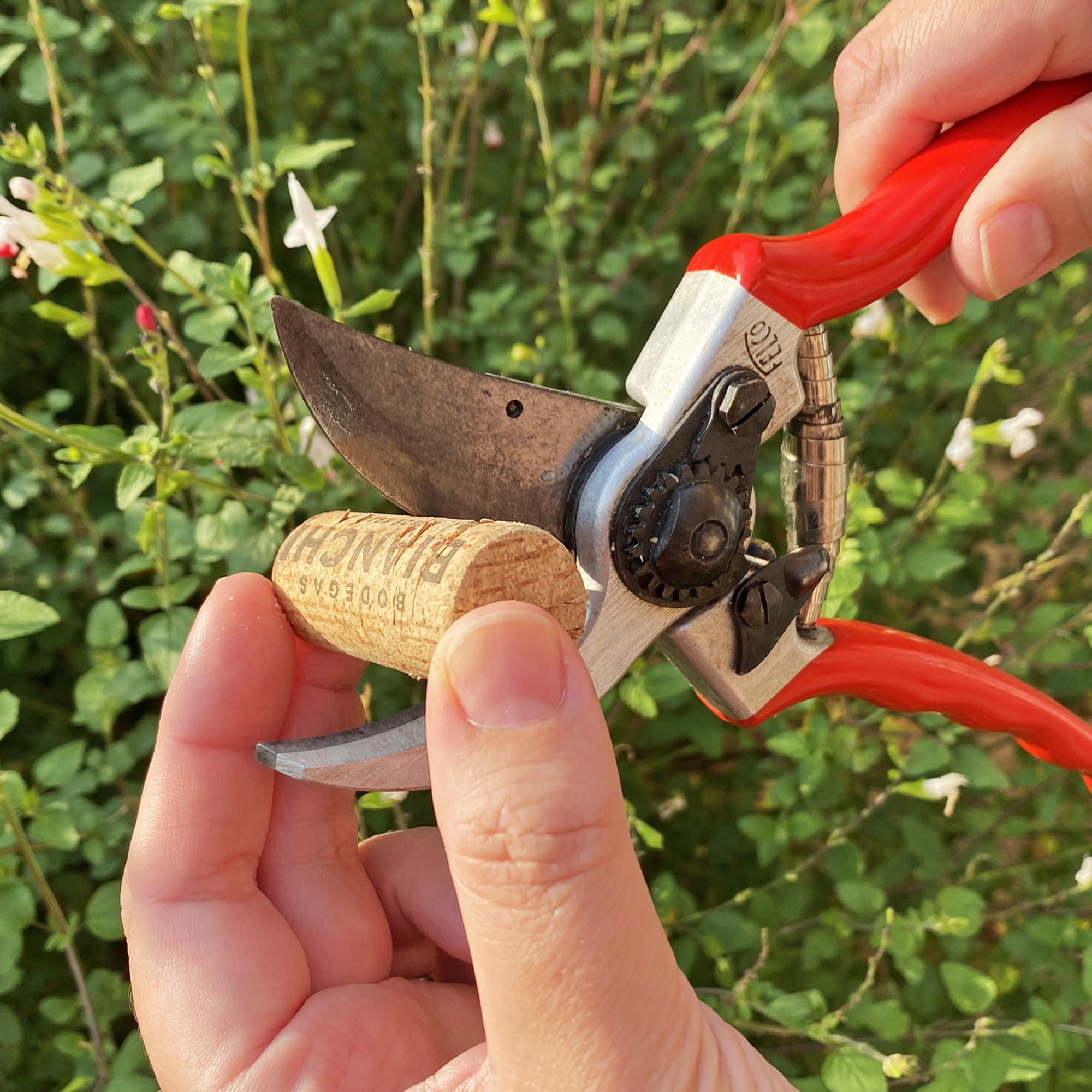
Applying oil to the loppers’ joints and blades prevents rust and keeps the tool opening smoothly. Use light machine oil or a lubricant made for garden tools.
- Clean dirt and sap off the blades first
- Put a few drops of oil on the pivot points
- Open and close the loppers several times to spread the oil
- Wipe off any excess oil with a cloth
Store In A Dry Place
Keeping your loppers in a dry area stops moisture from causing rust. Avoid leaving them outside or in damp sheds.
| Storage Location | Benefits |
| Indoor closet | Protects from weather and moisture |
| Garage shelf | Easy access and dry environment |
| Tool rack | Keeps loppers off the ground |
Use Protective Covers
Using a protective cover on your loppers keeps blades sharp and safe. Covers also stop dust and moisture from reaching the tool.
- Choose covers made from durable materials
- Make sure the cover fits tightly around the blades
- Clean the cover regularly to avoid dirt buildup
Common Mistakes To Avoid
Cleaning loppers after use is important to keep them sharp and rust-free. Many people make simple mistakes that can harm the tool.
This guide shows common errors to avoid for better care and longer lopper life.
Ignoring Blade Residue
Some users leave sap, dirt, and plant residue on the blades. This can cause rust and damage the cutting edge over time.
- Wipe blades clean immediately after use.
- Use a soft cloth or brush to remove sticky sap.
- Apply a light oil coat to prevent rust.
Using Harsh Chemicals
Strong chemicals can damage the blade finish and handle material. They also pose health risks if not handled correctly.
| Chemical Type | Effect on Loppers |
| Bleach | Corrodes metal parts |
| Acetone | Removes protective coatings |
| Strong detergents | Can degrade plastic handles |
| Mild soap and water | Safe and effective cleaning |
Skipping Regular Maintenance
Many skip routine checks and oiling. This leads to dull blades and loose parts, making cutting harder and unsafe.
Follow this simple maintenance list after cleaning:
- Check blade sharpness and sharpen if dull.
- Tighten any loose screws or bolts.
- Oil pivot points and blades lightly.
- Store loppers in a dry place.
Credit: www.gardeningknowhow.com
Frequently Asked Questions
How Often Should I Clean My Loppers After Use?
You should clean your loppers after every use. This prevents sap buildup and rust. Regular cleaning keeps blades sharp and extends tool life. Wiping with a damp cloth and drying thoroughly is ideal.
What Materials Do I Need To Clean Loppers Effectively?
Use a soft cloth, warm soapy water, and a brush for cleaning. Apply rubbing alcohol to remove sap. Lubricate blades with oil after cleaning. Avoid abrasive materials that can damage the blades.
Can I Use Household Cleaners To Clean Loppers?
Mild soapy water is best for cleaning loppers. Avoid harsh chemicals that can corrode metal parts. Rubbing alcohol or specialized garden tool cleaners work well for sap removal.
How Do I Prevent Rust On Loppers After Cleaning?
Dry loppers completely after washing to prevent rust. Apply a light coat of oil on blades and joints. Store loppers in a dry place, away from moisture.
Conclusion
Cleaning loppers after use keeps them sharp and rust-free. Wipe blades with a cloth to remove sap and dirt. Apply oil to stop rust and keep parts moving smoothly. Store loppers in a dry place to protect them. Regular cleaning saves money and makes cutting easier.
Take a few minutes to clean loppers after every job. A little care helps your tools last longer and work better. Simple steps make a big difference in tool life. Keep your loppers ready for the next cut.
