

Your lawn’s edges can make all the difference in how neat and inviting your yard looks. But when dry conditions hit, edging your lawn becomes a tricky task.
You might worry about damaging your grass or soil, or wonder how to keep those edges sharp without wasting water. This guide will show you simple, effective ways to edge your lawn even when the weather is dry. By following these tips, you’ll keep your yard looking fresh and well-maintained without stress.
Ready to learn how to tackle lawn edging in dry conditions like a pro? Let’s dive in.

Credit: www.aol.com
Preparing Lawn For Edging
Edging your lawn helps keep it neat and tidy. Doing this in dry conditions needs some care to protect the grass.
Preparing the lawn properly makes the edging easier and better. It helps keep the grass healthy even in dry weather.
Assess Soil Moisture
Check the soil moisture before you start edging. Dry soil can be hard to cut and may damage the grass roots.
Use a small shovel or garden trowel to dig a few inches deep. If the soil feels dry and crumbly, it needs watering.
- Dig 3-4 inches deep near the edge
- Feel the soil with your fingers
- If soil is dry, water the area lightly
- Wait a day after watering to start edging
Clear Debris And Weeds
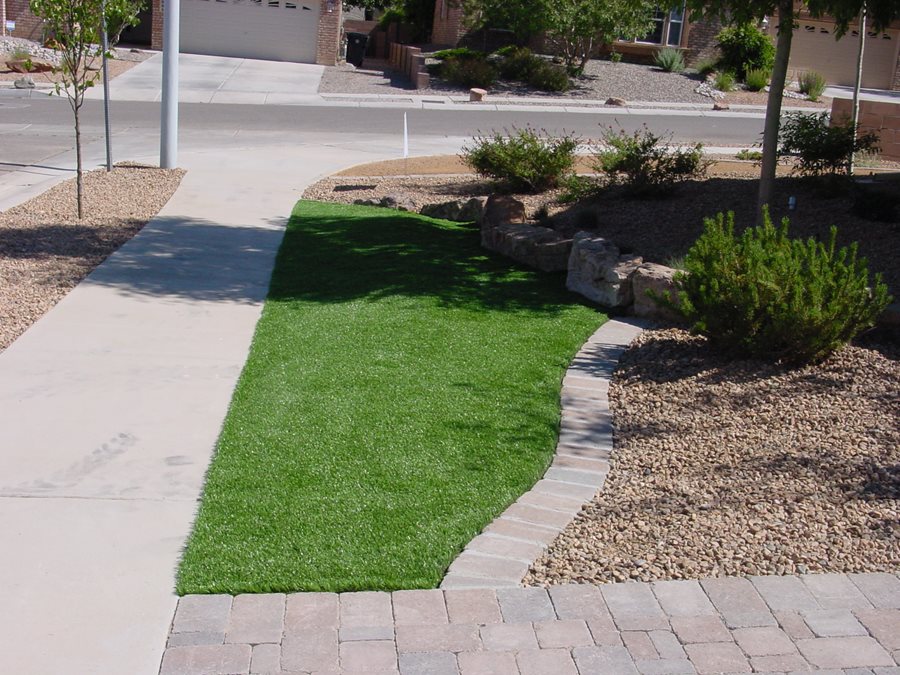
Remove leaves, sticks, and other debris from the lawn edge. This clears the way for clean edging lines.
Pull out any weeds growing near the edge. Weeds can make it harder to edge and may spread if left alone.
- Rake or sweep the lawn edge
- Pull out weeds by hand or use a weeding tool
- Dispose of debris and weeds properly
- Keep the edge area clean for best results
Credit: www.landscapingnetwork.com
Choosing The Right Tools
Edging your lawn in dry conditions needs the right tools to avoid damage. Using proper equipment makes the job easier and cleaner.
Picking between manual and power edgers depends on your lawn size and effort you want to spend. Sharp blades help make clean cuts.
Manual Edgers Vs. Power Edgers
Manual edgers are simple and cost less. You push or step on them to cut grass edges. They work well for small yards and light jobs.
Power edgers use engines or electricity. They cut faster and handle tough grass or soil. Power edgers suit larger lawns and harder ground.
- Manual edgers need physical effort
- Power edgers are faster but heavier
- Manual tools are quieter
- Power tools require fuel or charging
- Manual edgers cost less to buy and maintain
Selecting Sharp Blades
Sharp blades cut clean edges without tearing grass. Dull blades can harm plants and make the lawn look rough.
| Blade Type | Best Use | Care Tip |
| Steel Blades | Common for manual edgers | Sharpen regularly with a file |
| Carbide Blades | Used in power edgers for hard soil | Check for chips and replace if damaged |
| Aluminum Blades | Lightweight but less durable | Keep clean and dry to avoid rust |
Best Time To Edge In Dry Weather
Edging your lawn in dry weather needs care. Picking the right time helps protect your grass.
Timing reduces stress on your lawn and makes edging easier.
Early Morning Or Late Evening
Early morning or late evening are best for edging. The temperature is cooler, and the grass is less dry.
These times help keep your lawn healthy and avoid damage from heat.
- Grass is more flexible and less likely to break.
- Soil is softer, making edging easier.
- Less water loss from the lawn during work.
Avoiding Peak Heat
Avoid edging during the hottest part of the day. Heat can dry out the grass and soil quickly.
Working in peak heat can stress your lawn and make edging harder.
- Grass blades can become brittle and break easily.
- Hard soil can damage edging tools and roots.
- Increased risk of lawn stress and brown patches.
Credit: www.redfin.com
Techniques For Clean Edges
Edging your lawn helps keep it neat and tidy. Doing this in dry conditions needs care to avoid damage.
Using the right techniques will give you sharp, clean edges without hurting your grass or soil.
Marking Edging Lines
Marking your edging lines clearly guides your cuts. It helps you stay straight and avoid mistakes.
Use tools like string lines, garden hoses, or spray paint to outline where you want to edge.
- Stretch a string tightly along the edge
- Use a garden hose to create a smooth curve
- Spray paint for a visible cutting line
- Check the line from different angles
Cutting At Proper Depth
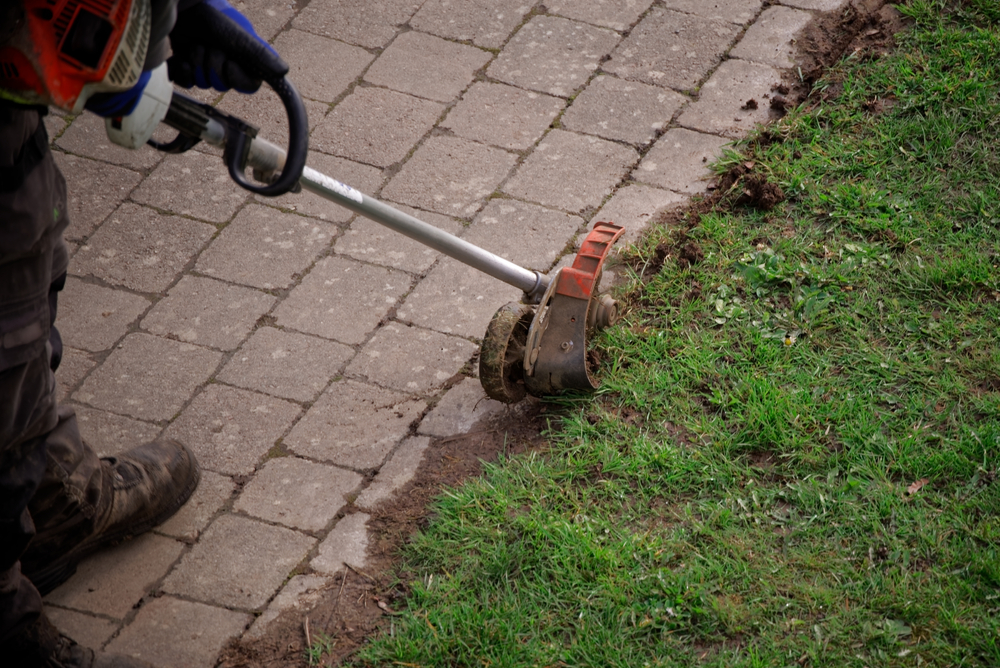
Cutting too deep can harm roots and soil. Cut just enough to separate the grass from the soil edge.
Set your edging tool to cut about 1 to 2 inches deep. This depth keeps the edge clean without damage.
- Use a sharp edging tool for clean cuts
- Cut slowly to maintain control
- Avoid cutting below 2 inches deep
- Clear debris after cutting for a neat finish
Watering Tips Post-edging
After edging your lawn in dry conditions, watering is important to help the grass recover. Proper watering keeps the soil moist and reduces stress on the plants. This guide covers deep soaking methods and the best times to water your lawn after edging.
Following the right watering routine helps your lawn stay healthy and green. Avoid shallow watering, which can cause weak roots and dry spots.
Deep Soaking Methods
Deep soaking means watering the lawn slowly and deeply. This helps water reach the roots instead of just wetting the surface. Use a sprinkler or hose with a slow drip to avoid runoff.
- Water for 30 to 45 minutes at a slow rate.
- Use soaker hoses for even watering along edges.
- Check soil moisture by digging a few inches deep.
- Stop watering when the soil feels moist but not soggy.
Frequency And Timing
Water your lawn at the right times to reduce evaporation. Early morning is best because temperatures are cooler. Avoid watering during midday when the sun is strongest.
| Time of Day | Benefits | Notes |
| Early Morning | Less water loss, cooler temperatures | Best time to water |
| Late Afternoon | Still cool, less evaporation | Acceptable alternative |
| Midday | High evaporation, less effective | Not recommended |
Maintaining Lawn Health After Edging
Edging a lawn in dry conditions can be tricky. It is important to keep your lawn healthy after edging to ensure it stays green and lush.
Proper care after edging can help your lawn recover. Here are some tips to maintain your lawn’s health.
Applying Mulch
Mulch helps retain moisture in the soil. It is especially useful in dry conditions. Spread a thin layer of mulch around the edges of your lawn.
Choose organic mulch like wood chips or bark. This will also add nutrients to the soil as it breaks down.
- Keep mulch away from the grass blades
- Use a rake to evenly distribute the mulch
- Check mulch regularly and add more if needed
Fertilizing In Dry Conditions
Fertilizing in dry conditions needs care. Choose a slow-release fertilizer to avoid burning the grass.
Water your lawn before and after applying fertilizer. This helps the nutrients reach the roots.
| Time of Day | Best Practice |
| Morning | Apply fertilizer when it is cooler |
| Evening | Water the lawn to help absorb nutrients |
Preventing Damage In Dry Soil
Edging your lawn during dry conditions requires special care. Dry soil can easily become damaged if not handled correctly.
Learn how to edge your lawn without causing harm to the dry soil. Follow these guidelines to keep your lawn healthy.
Avoiding Over-compaction
Over-compaction is a common issue when working with dry soil. It can limit water absorption and root growth.
- Use lightweight tools to minimize pressure on the soil.
- Edge your lawn in the early morning when the ground is cooler.
- Avoid walking on the edged areas to prevent compaction.
Using Protective Barriers
Protective barriers help in maintaining the integrity of dry soil. They prevent soil from crumbling and maintain the edge.
| Barrier Type | Benefits |
| Plastic Edging | Prevents soil erosion |
| Metal Edging | Provides long-lasting support |
| Wooden Edging | Blends well with natural surroundings |
Choose a suitable barrier that complements your landscape. This ensures a neat and tidy appearance for your lawn.
Frequently Asked Questions
How Do You Edge A Lawn In Dry Weather?
To edge a lawn in dry weather, use sharp tools to create clean lines. Water the soil lightly before edging to reduce dust and soil disruption.
What Tools Work Best For Edging Dry Lawns?
Use a manual or powered edger with sharp blades. A half-moon edger or string trimmer also works well in dry, hard soil.
How Often Should You Edge A Lawn During Dry Seasons?
Edge your lawn every 2 to 3 weeks in dry seasons. Regular edging keeps grass neat without stressing dry soil.
Can Edging Damage A Lawn In Dry Conditions?
Yes, edging can stress dry grass and soil. Avoid deep cuts and water the lawn afterward to minimize damage.
Conclusion
Edging your lawn during dry weather keeps it neat and healthy. Water the edges lightly to avoid stress on grass. Use sharp tools to make clean cuts without damaging plants. Work slowly and carefully to protect dry soil from breaking apart.
Regular edging helps your lawn look tidy and well cared for. Small efforts make a big difference over time. Keep these tips in mind for a fresh, green lawn all season. Easy steps, great results.
